Year: 2022

  • Bird Photographer of the Year 2022

    Bird Photographer of the Year 2022

    Try as we might, humans cannot understand fluid dynamics as birds do. Whether they are primarily flyers or swimmers, birds have an innate understanding of lift and other aerodynamic forces that put the best engineers to shame. Shown here are a subset of winners from the 2022 Bird Photographer of the Year competition, each of them showing off fluid dynamics in some fashion. Hummingbirds hover, droplets shine like diamonds, and divers brace for impact. You can peruse more winner at BPOTY’s website. (Image credits: Various; see alt text of individual images)
  • Anoles Revisited

    Anoles Revisited

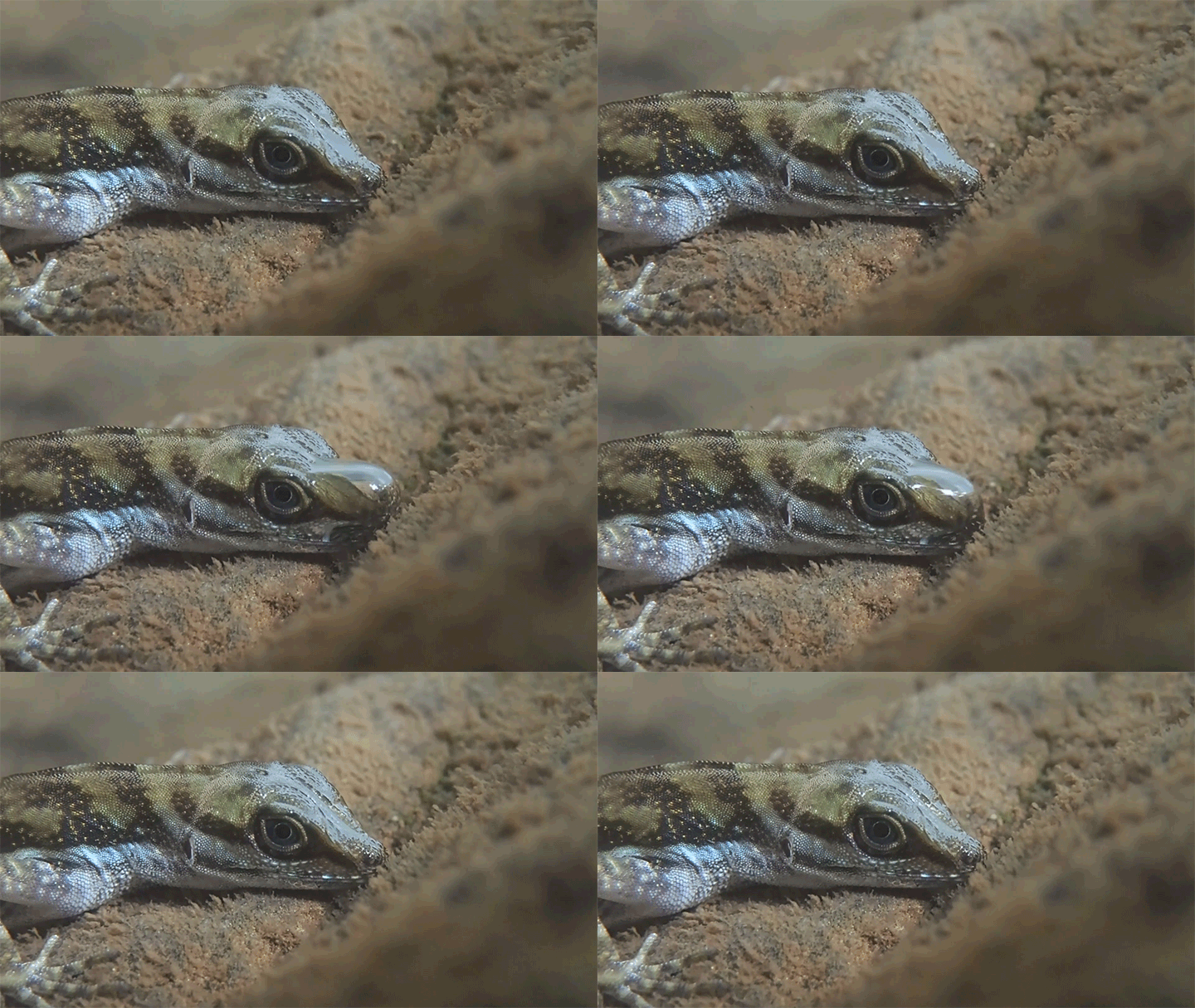
    Longtime readers may recall seeing this little bubble-crowned anole previously. This species dives underwater to escape predators and will breathe and rebreathe a bubble of air for as much as 18 minutes before resurfacing. At the time of my original post, I speculated that the reptile’s hydrophobic skin might provide a large enough bubble surface area to provide some diffusion of fresh oxygen from the surrounding water.

    Since then, there’s been at least one study of this anole rebreathing process. Researchers found that many anole species share this behavior, but aquatic species use it more regularly. They noted that the plastron — that flat, silvery bubble that’s spread over the lizard’s skin — helps hold the bigger, exhaled bubble in place and might facilitate a little of the diffusion I speculated about but the results are unclear on that last point. The authors note that it’s unlikely that the anoles could support their full metabolism through rebreathing and diffusion but that the plastron may yet support some rejuvenation of oxygen, which would help prolong anoles’ dives. (Image and research credit: C. Boccia et al.)

  • Dune Fields From Space

    Dune Fields From Space

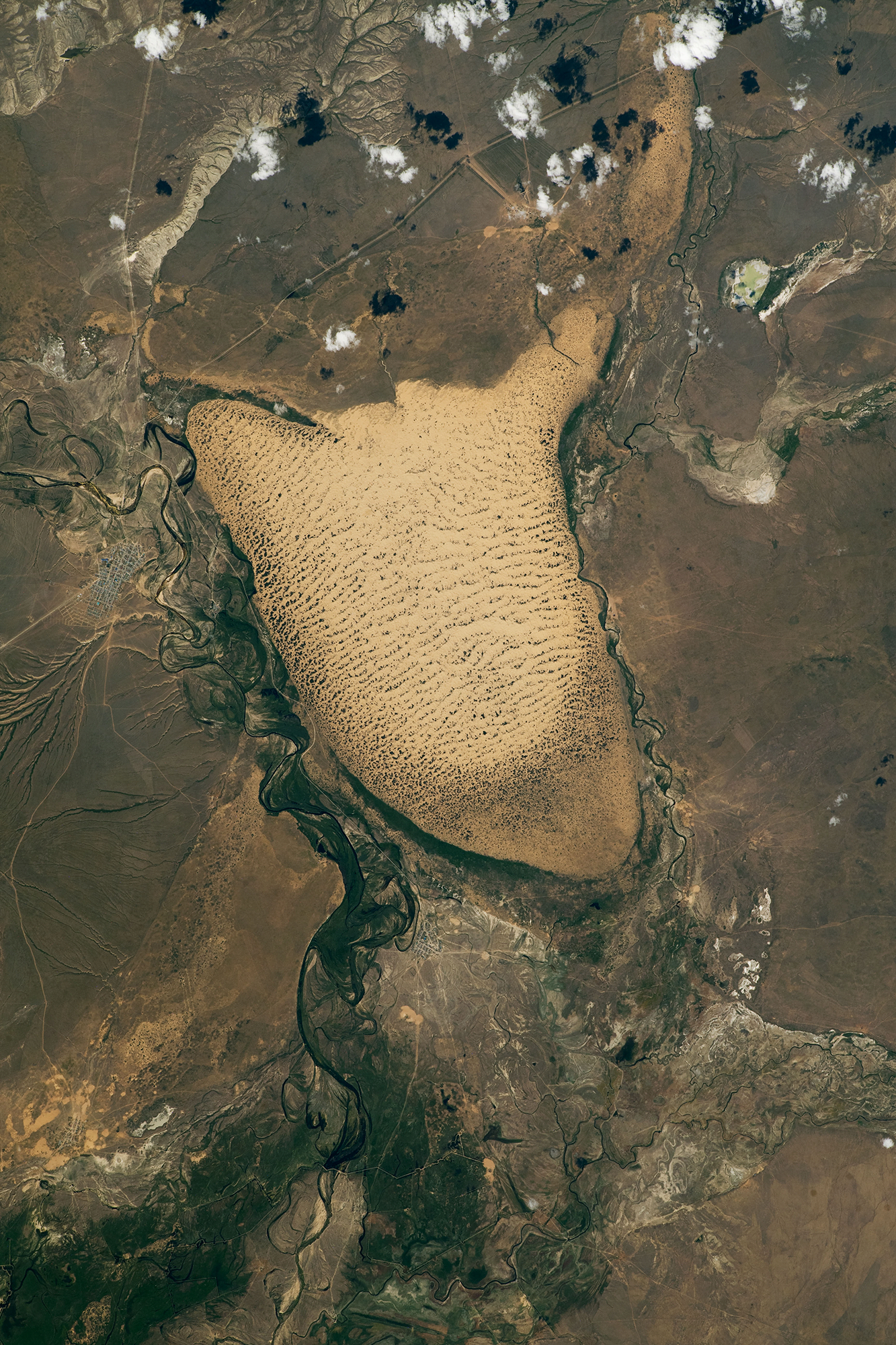
    An astronaut captured this image of the Oyyl Dune Field in Kazakhstan from the International Space Station. To the south and east of the dune field (right and lower parts of image) there are fluvial floodplains, sources of sediment that feed the dunes. With sufficient wind and sand sources, the dune field has grown in a topographic low spot roughly 90 meters lower than the surrounding steppes. Dark specks scattered across the sands are clusters of vegetation, a sign that the dunes may get anchored rather than continue to shift in the wind. (Image credit: NASA; via NASA Earth Observatory)

  • Dance of the Coral Polyps

    Dance of the Coral Polyps

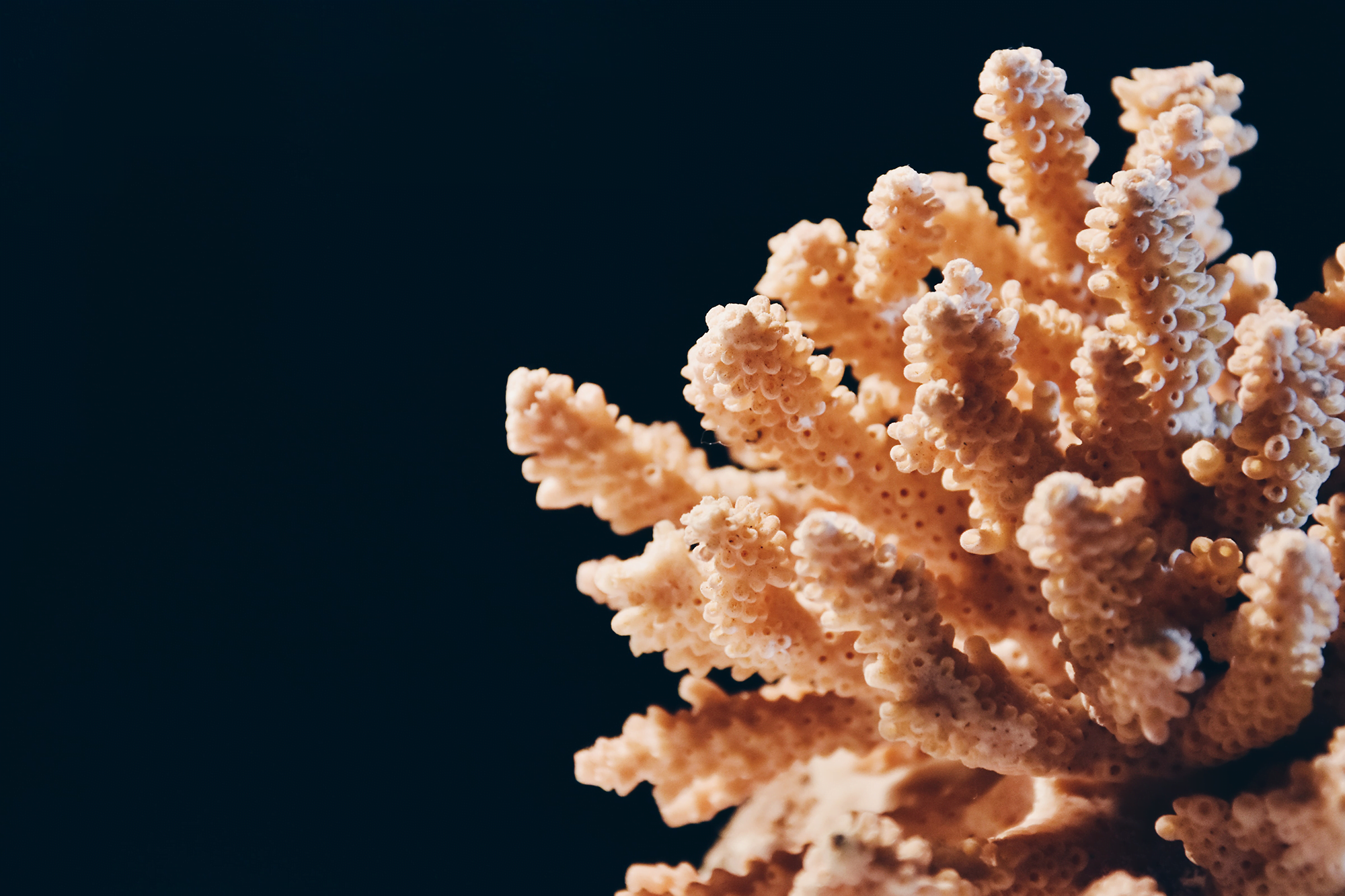
    Coral reefs are made of up small organisms, called coral polyps, that live together in a colony. Individual polyps can expand, contract, and wave in the flow around them, and, in a recent study, researchers looked at whether changing conditions in temperature and light wavelength can affect polyp movement. To do so, they built a little flow control tank around a coral nubbin containing several polyps.

    Under normal light and temperature conditions, they found the polyps’ motions are correlated. (Scientists don’t know why this is the case, but it could help with foraging or photosynthesis for the organisms.) When temperatures rise and light levels shift to bluer wavelengths — simulating warmer and rising oceans — the polyps lose their coordination. Without knowing the purpose behind the motion, scientists can’t yet say what that lack of coordination means, but the team believes their experimental methods can be adapted to help answer those questions, perhaps even in natural, rather than lab-created, circumstances. (Image credit: S. Ravaloniaina; research credit: S. Li et al.; via APS Physics)

  • Featured Video Play Icon

    Backswimmers

    Backswimmers rule the surface of ponds, streams, and other bodies of water. These insects spend much of their time clinging just beneath the air-water interface, where they hunt larvae and other insects. They use oversized, oar-shaped back legs to row, and they breathe using an air bubble that clings to their abdomen like a personal scuba tank. Oxygen from the water diffuses into the bubble, keeping the insect’s air supply fresh. When the time comes to move to greener pastures, they flip to the other side of the water’s surface, unfurl their wings, and take off. (Image and video credit: Deep Look)

  • Featured Video Play Icon

    “Haut”

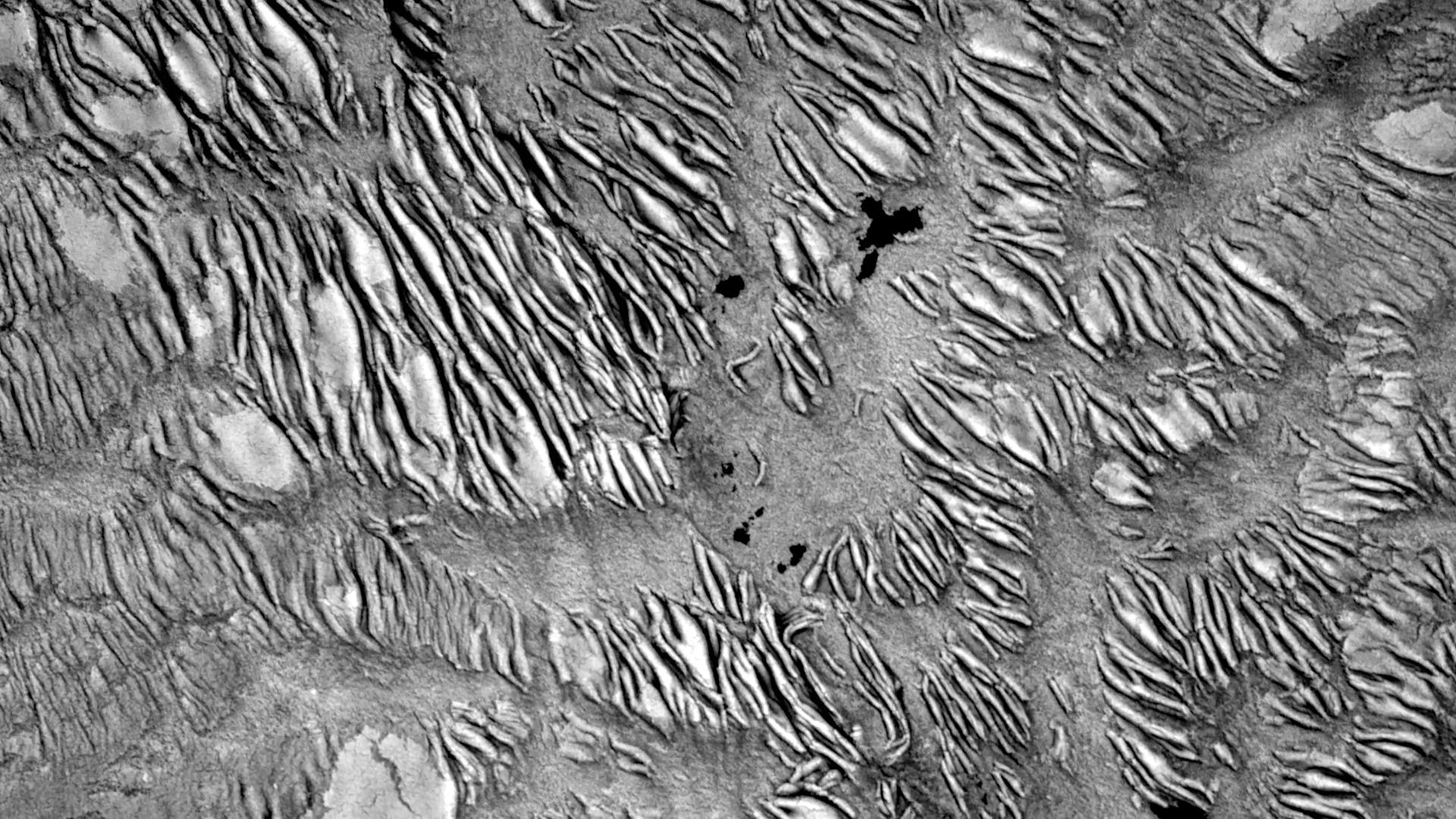
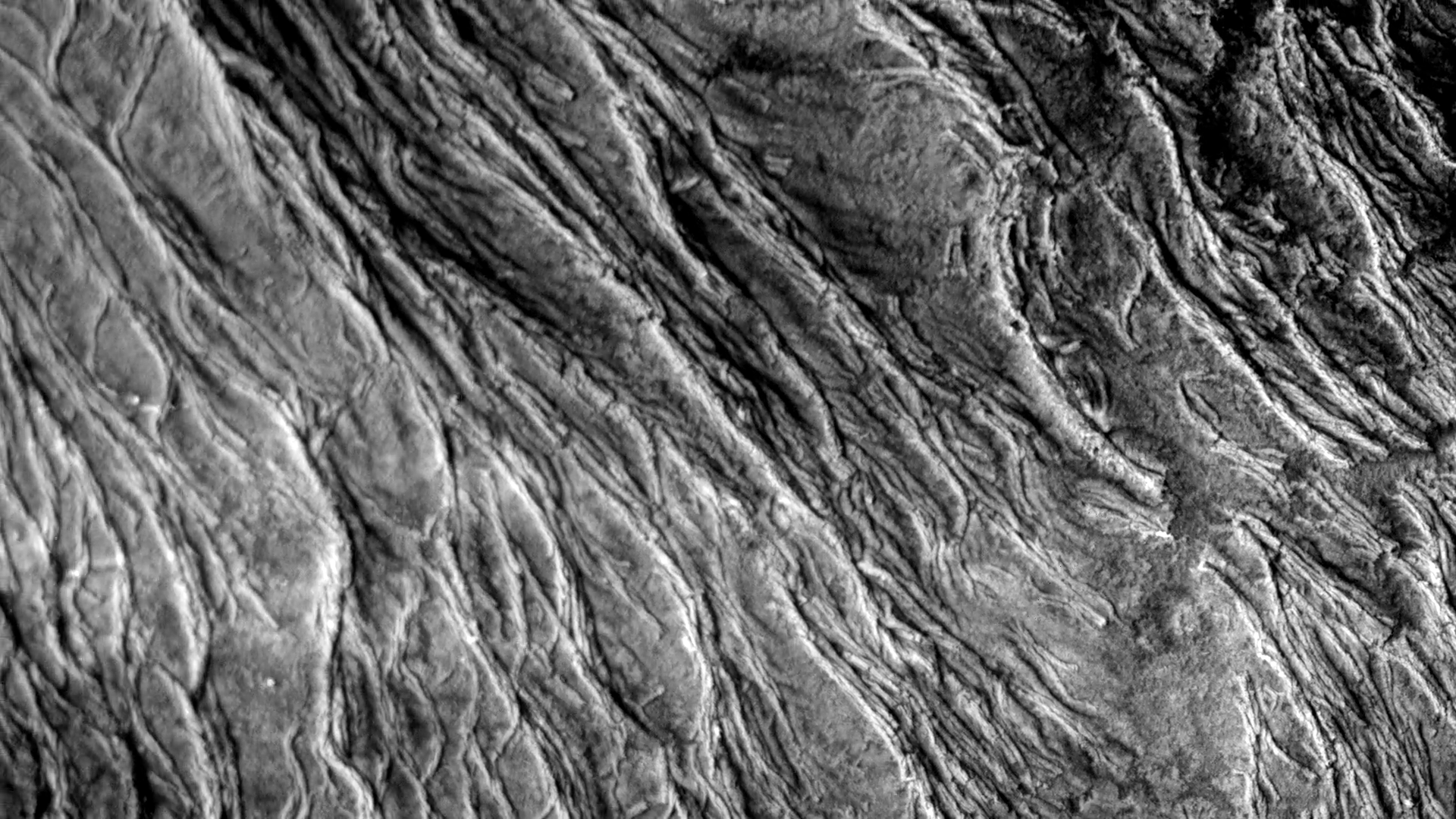
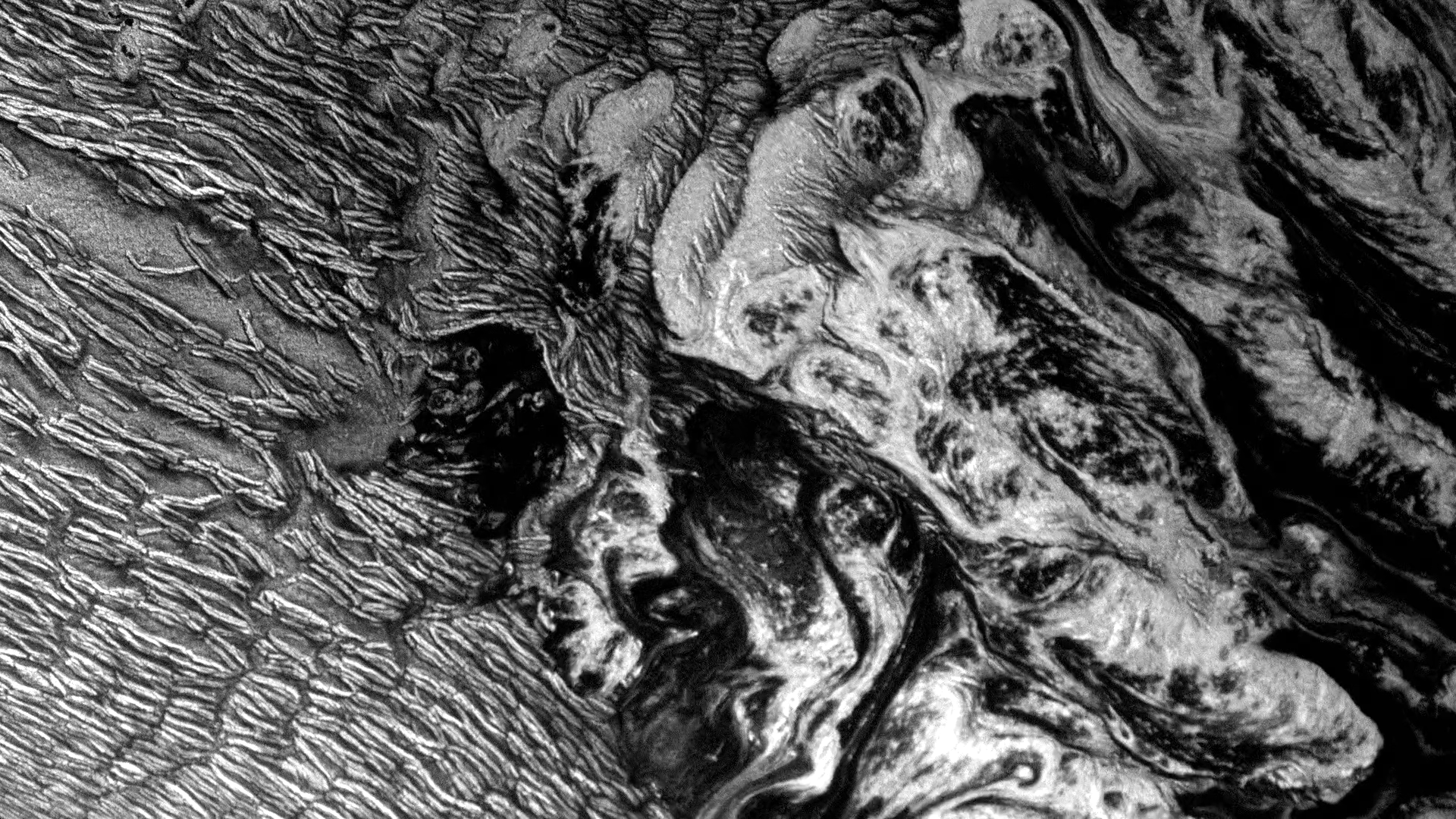
    In Susi Sie’s “Haut” the camera seems to fly over ever-shifting landscapes. In reality, these are macro images, created (I think) by dyes and patterns atop a water bath. But they look like vistas we could find on Earth or Mars — giant dune fields, calving glaciers, and river-divided canyons. For something similar in color, check out Roman De Giuli’s “Geodaehan.” (Video credit: S. Sie)

  • Optimizing Wind Farms Collectively

    Optimizing Wind Farms Collectively

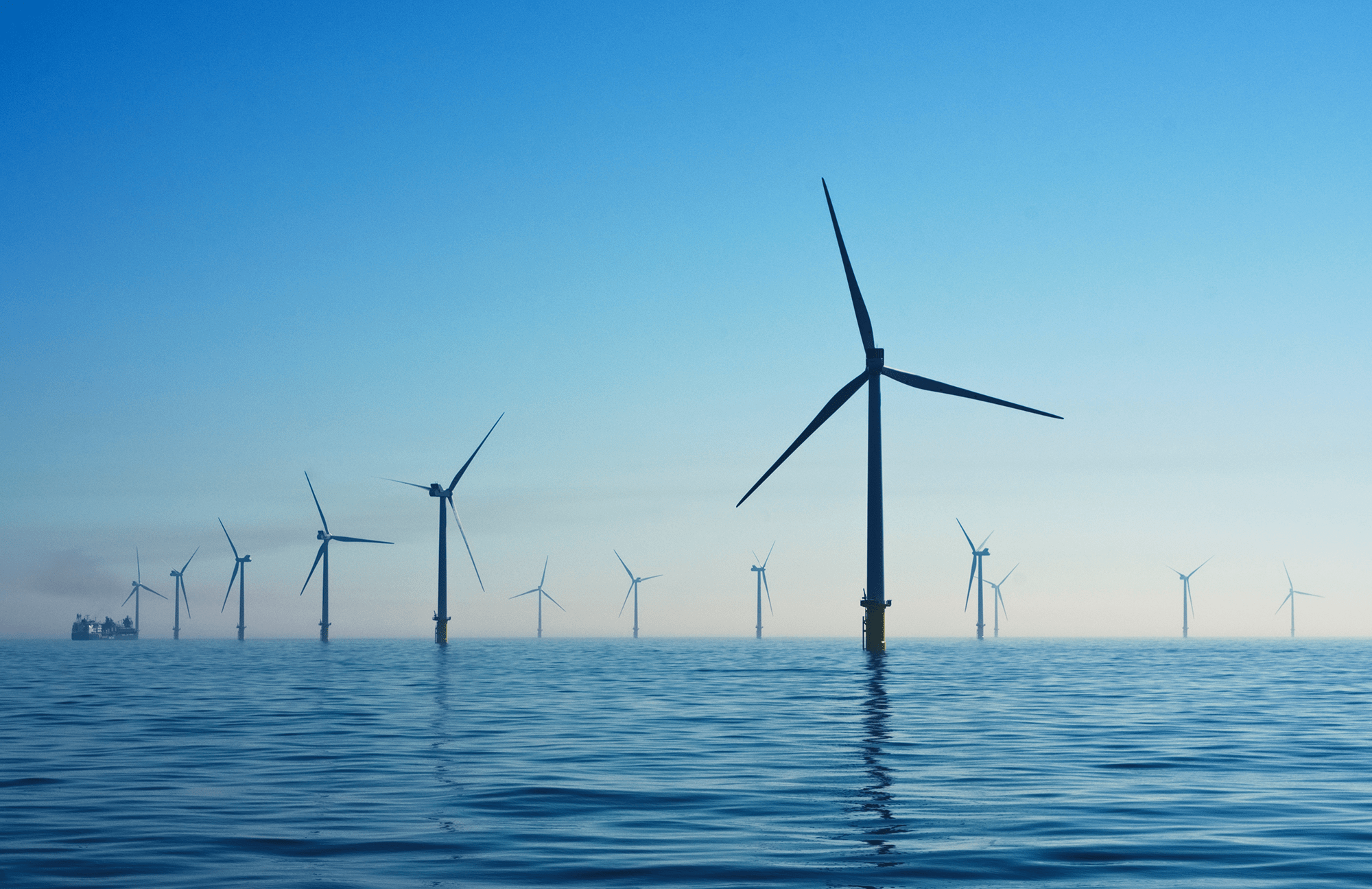
    In a typical wind farm, each wind turbine aligns itself to the local wind direction. In an ideal world where every turbine was completely independent, this would maximize the power produced. But with changing wind directions and many turbines, it’s inevitable that upstream wind turbines will interfere with the flow their downstream neighbors see.

    So, instead, a research team investigated how to optimize the collective output of a wind farm. Their strategy involved intentionally misaligning the upstream wind turbines to improve conditions for downstream turbines. They found that the loss in power generation by upstream turbines could be more than recovered by improved performance downstream.

    After testing their models over many months in an actual wind farm, they reported that their methodology could, on average, increase overall energy output by about 1.2 percent. That may sound small, but the team estimates that if existing wind farms used the method, it would generate additional power equivalent to the needs of 3 million U.S. households. (Image credit: N. Doherty; research credit: M. Howland et al.; via Boston Globe; submitted by Larry S.)

  • Cloud Streets

    Cloud Streets

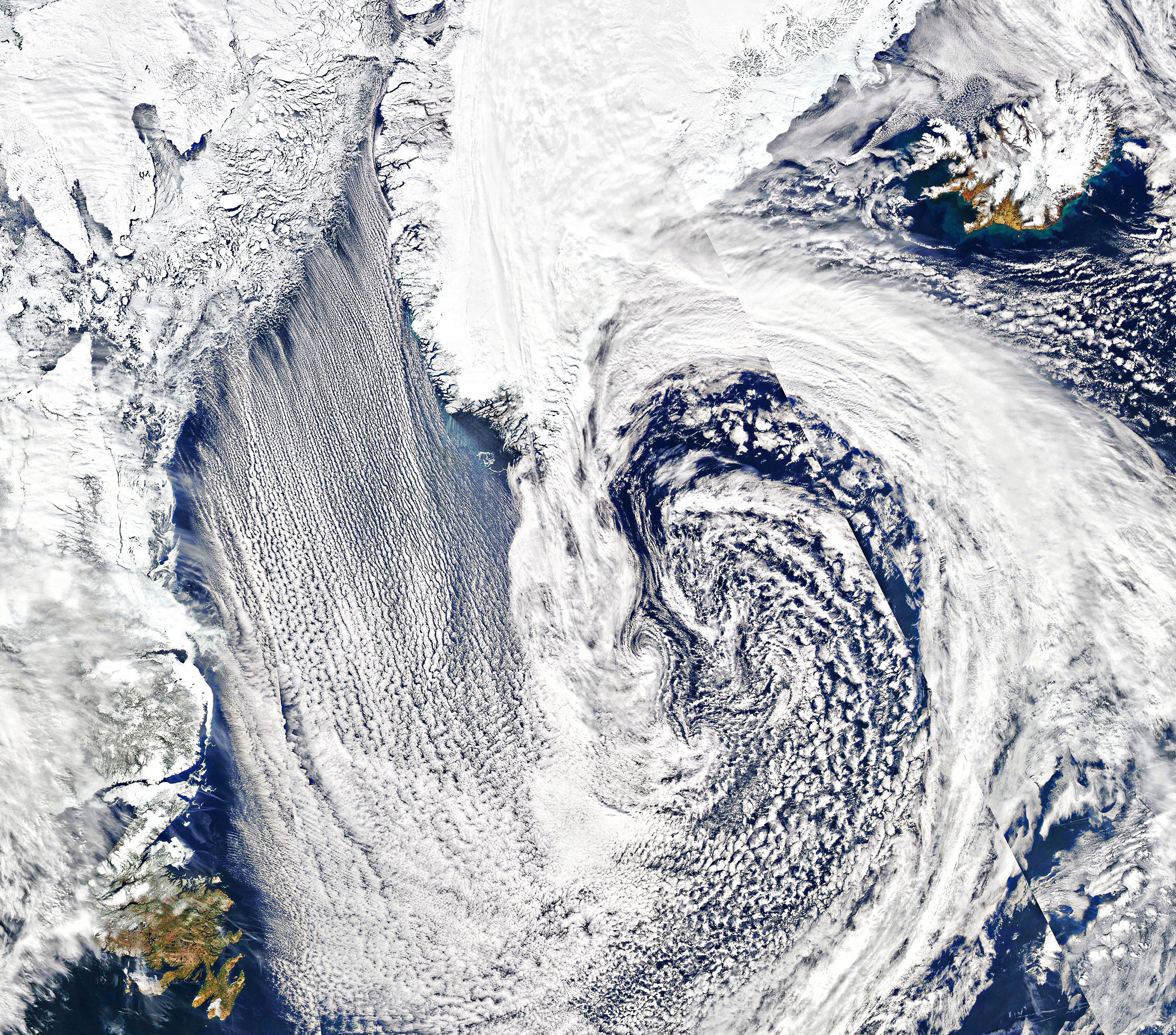
    Parallel lines of cumulus clouds stream over the Labrador Sea in this satellite image. These cloud streets are formed when cold, dry winds blow across comparatively warm waters. As the air warms and moistens over the open water, it rises until it hits a temperature inversion, which forces it to roll to the side, forming parallel cylinders of rotating air. On the rising side of the cylinder, clouds form while skies remain clear where the air is sinking. The result are these long, parallel cloud bands. (Image credit: J. Stevens; via NASA Earth Observatory)

  • Predicting Alien Ice

    Predicting Alien Ice

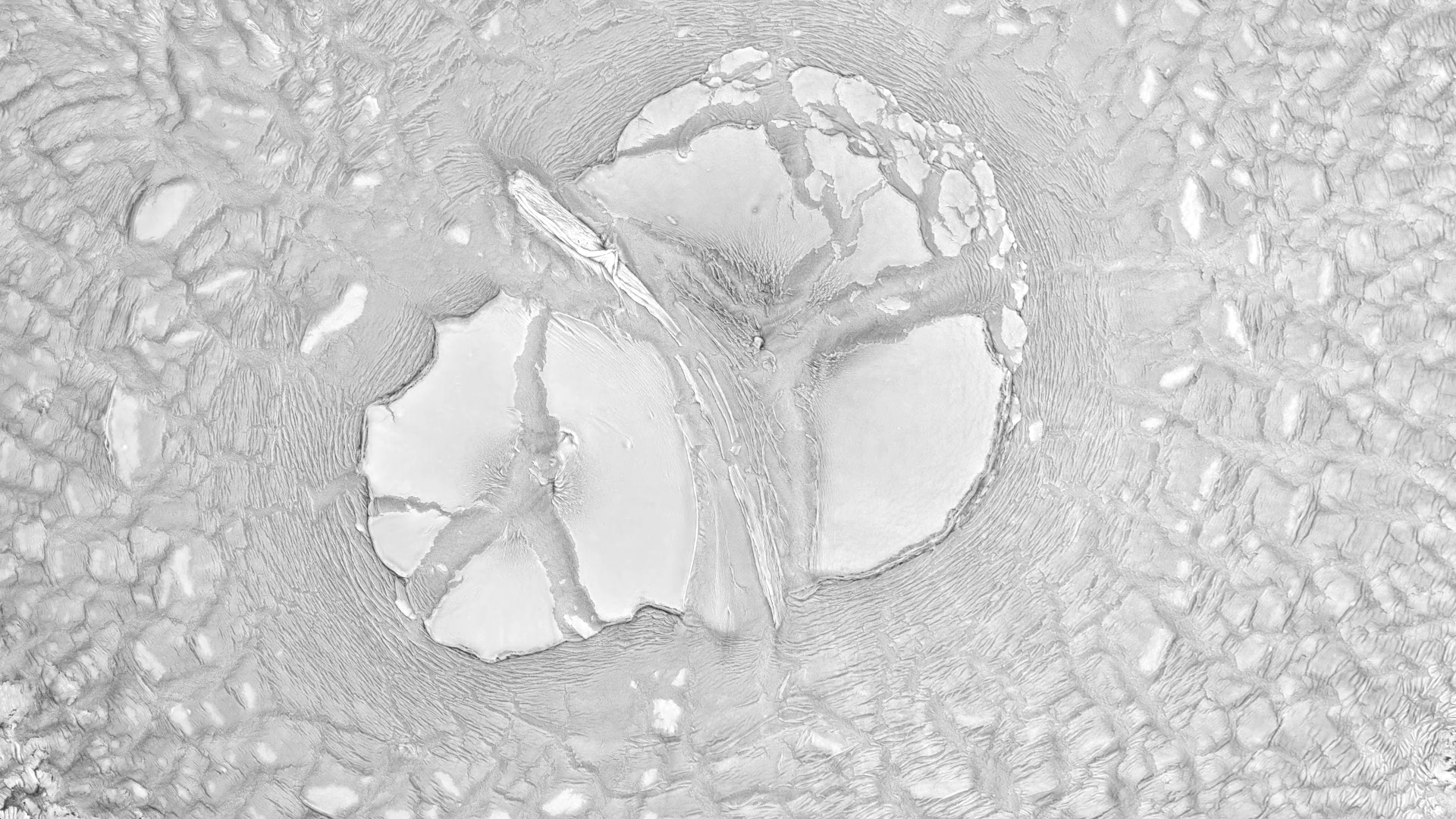
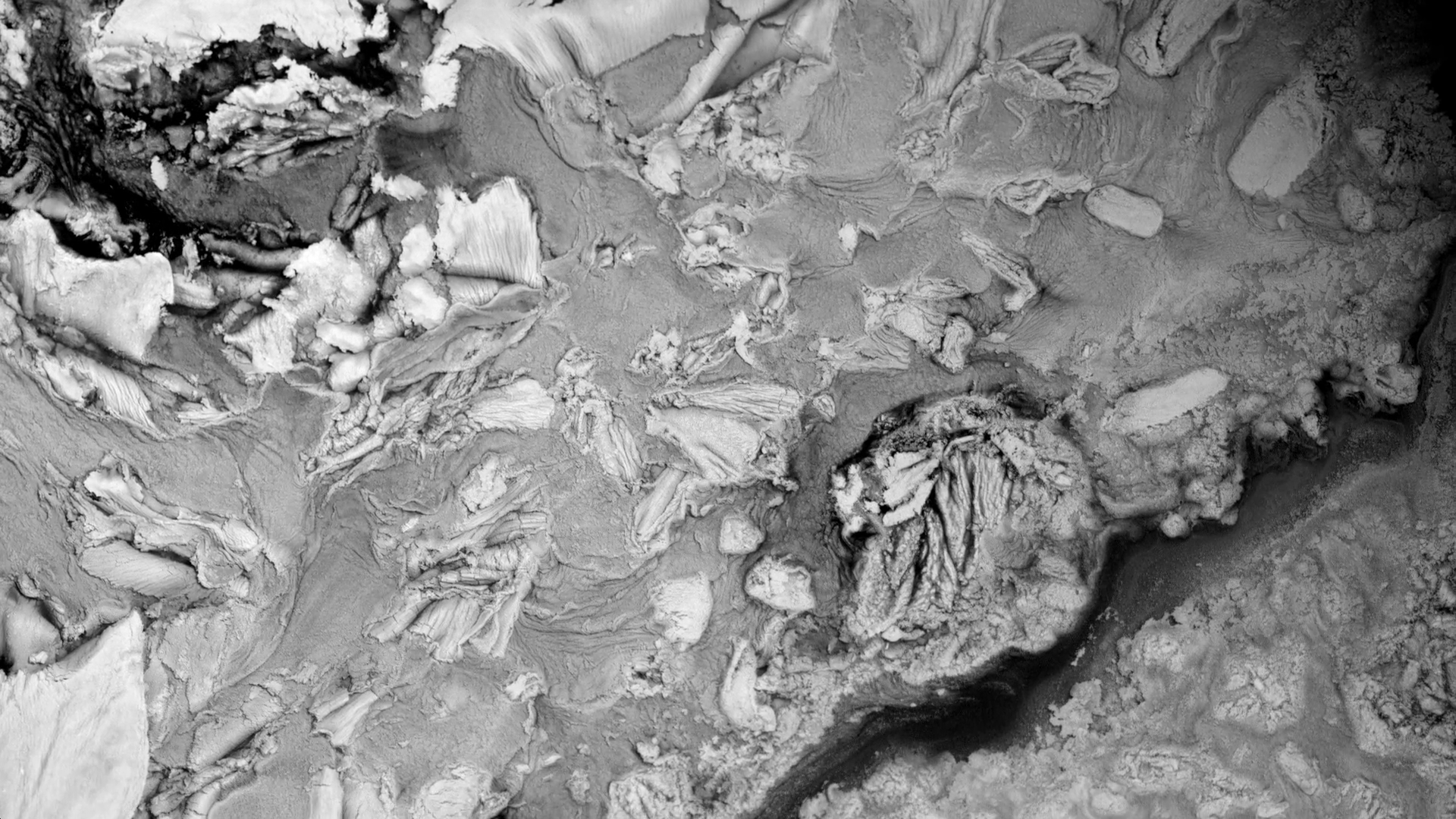
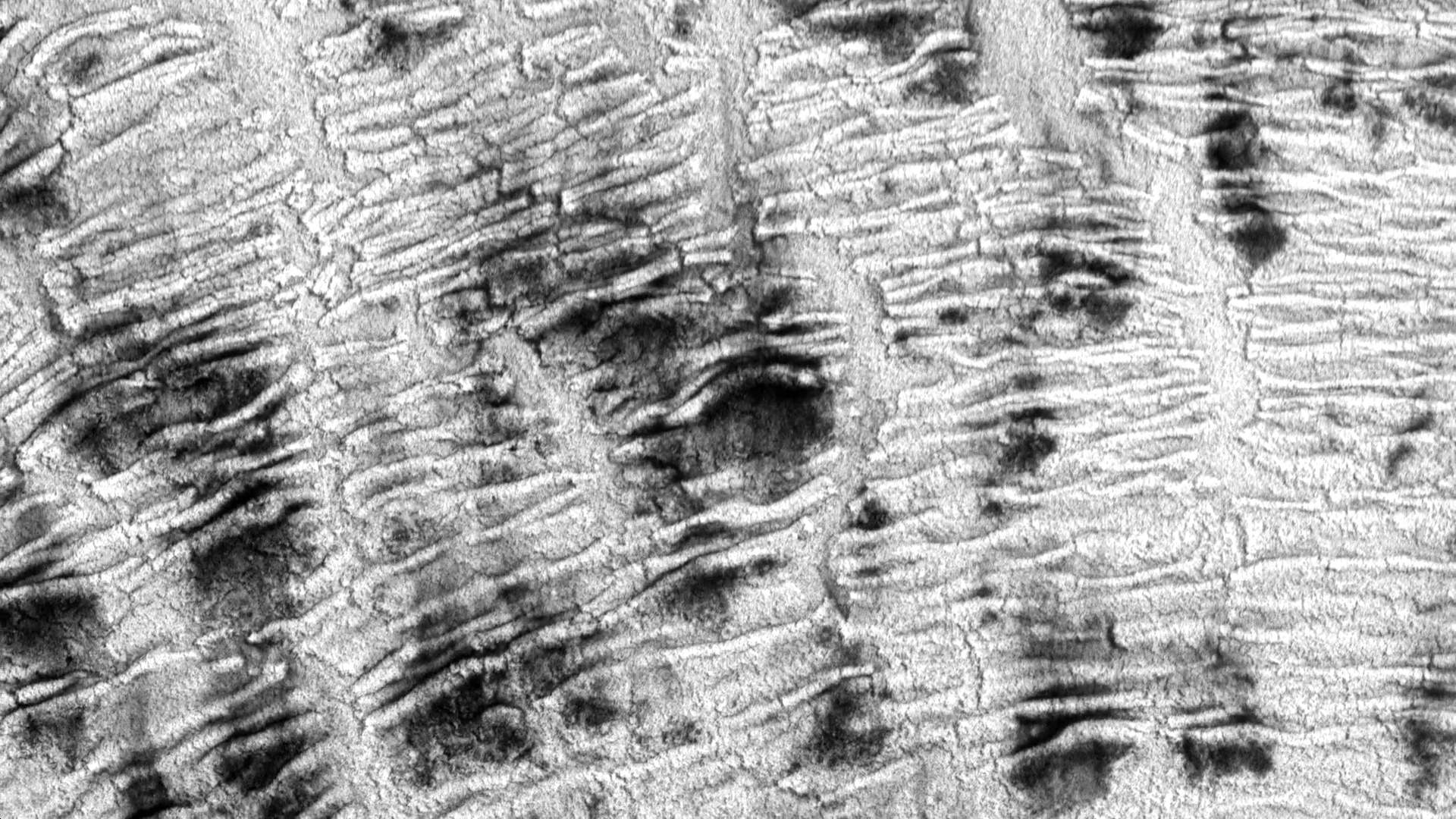
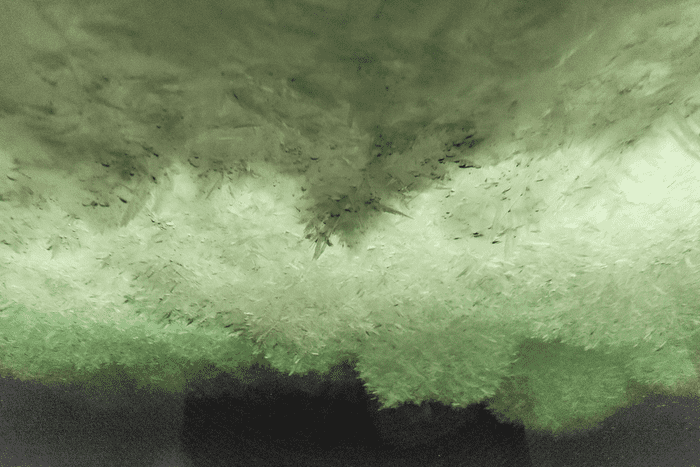
    Europa is an ocean world trapped beneath an ice shell tens of kilometers thick. To better understand what we might find in those oceans, researchers turn to analogs here on Earth, looking at Antarctica’s ice shelves. Beneath those shelves, ice forms via two mechanisms: the first, congelation ice, freezes directly onto the existing ice-water interface. The second, frazil ice, forms crystals in supercooled water columns, which drift upward in buoyant currents and settle on the ice shelf like upside-down snow (pictured above).

    Based on Europa’s conditions, the researchers conclude that congelation ice would gradually thicken the ice shell as the moon’s interior cools. But in areas where the shell is thinned by local rifts and Jovian tidal forces, frazil ice is likely to form. (Image credit: H. Glazer; research credit: N. Wolfenbarger et al.; via Physics World)

  • Diving Together

    Diving Together

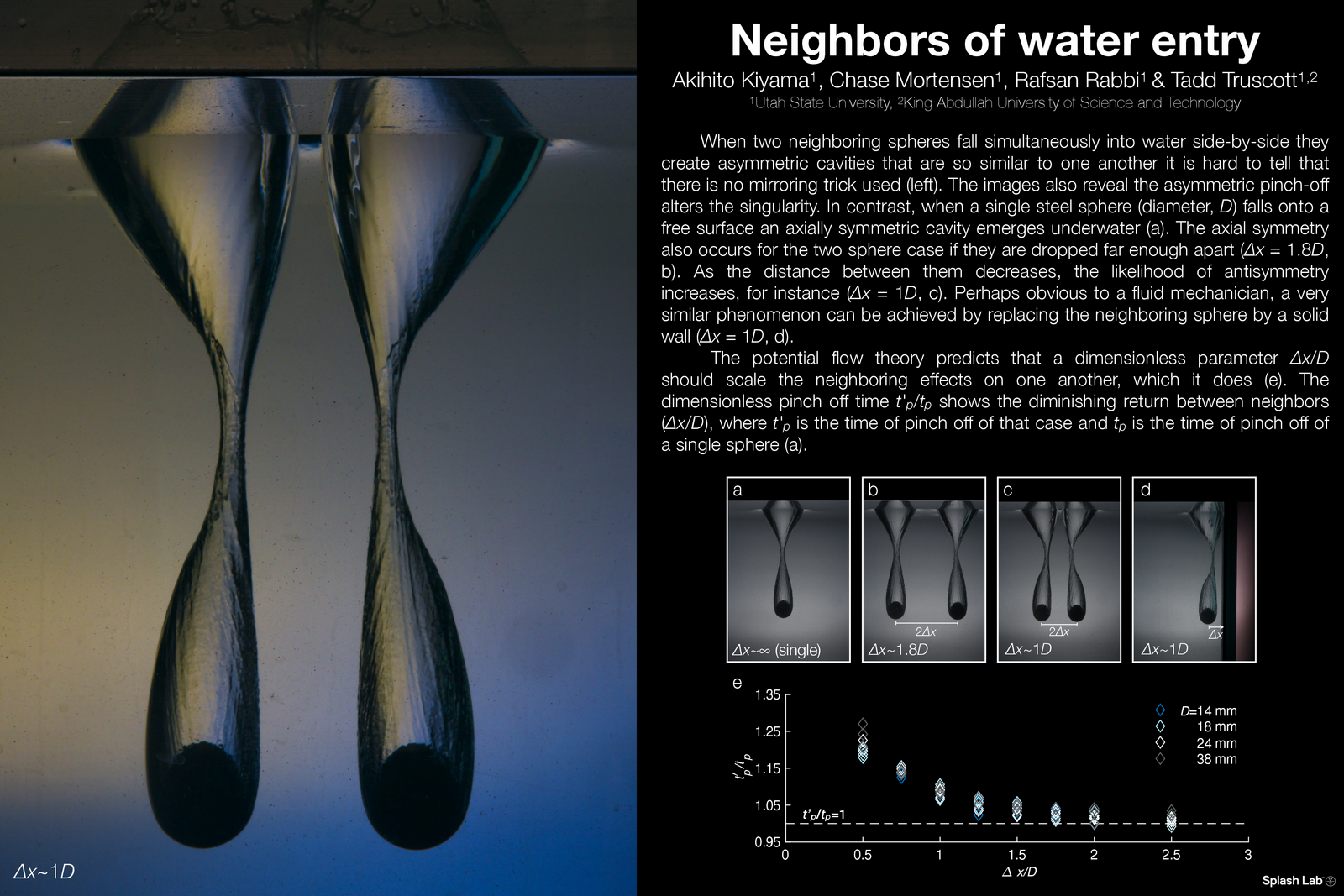
    Two spheres dropped into water next to one another form asymmetric cavities. A single ball’s cavity is perfectly symmetric, and so are two spheres’, provided they are far enough apart. But for close impacts, the spheres influence one another, creating a mirror image. The same asymmetric cavity also forms when a sphere is dropped near a wall. In fluid dynamics, this trick — using two mirrored objects in place of a wall — is used to make calculating certain flows easier! (Image credit: A. Kiyama et al.)