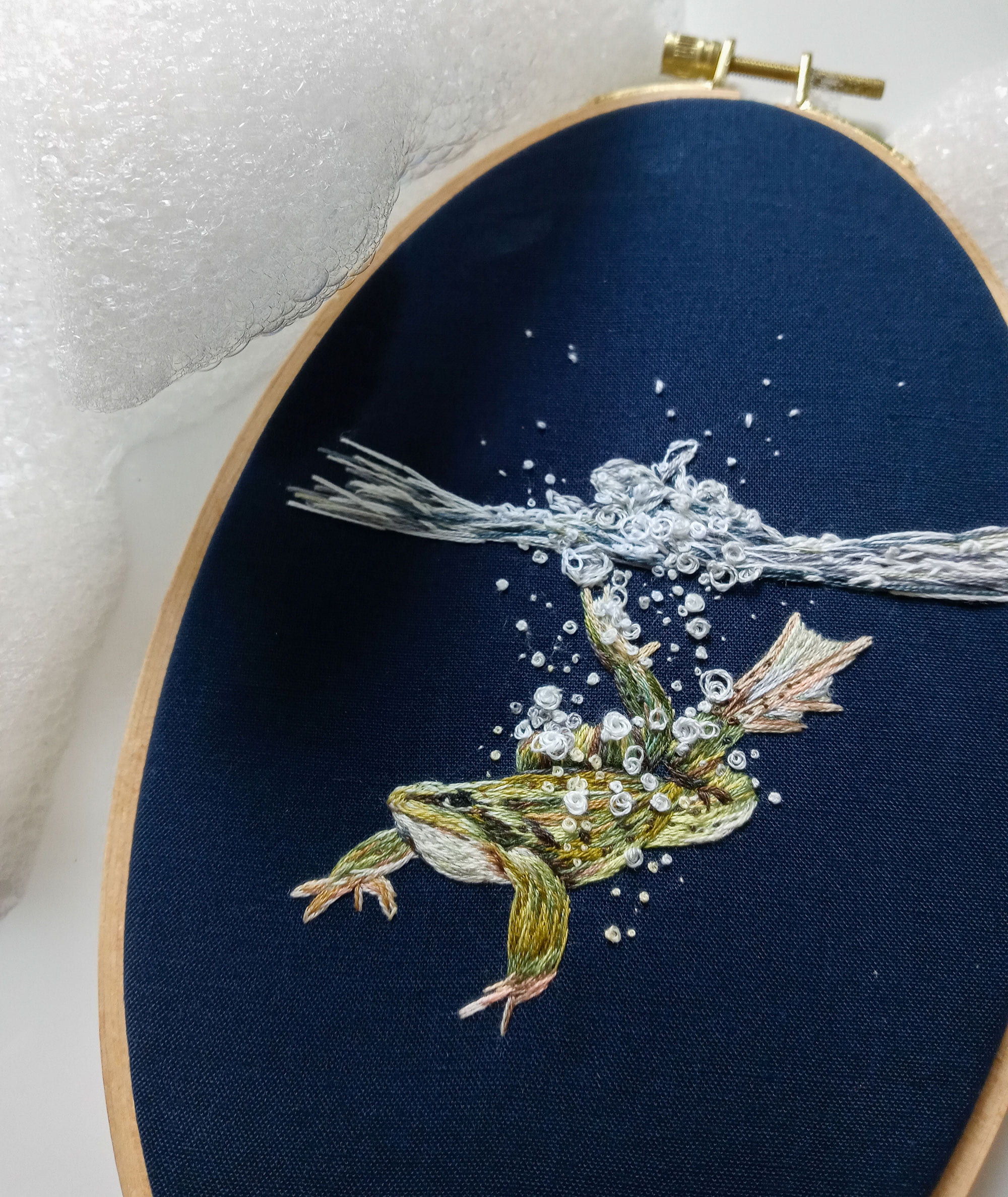
I love a good crossover between fluid dynamics and something unexpected. Fiber artist Megan Zaniewski uses thread-painting techniques to embroider ducks, frogs, otters, and other animals as they appear both above and below water. I am blown away by how she captures the movement and turbulence of water in these pieces! Just look at that spectacular frog splash. You can find lots more of her art on her Instagram. (Image credit: M. Zaniewski; via Colossal)
As levels of air pollution rise, so does the incidence of pulmonary diseases like asthma. Treatments for these diseases largely rely on inhalers containing drug particles that need to be carried into the small bronchi of the lungs. To better understand how the process works, researchers used computational fluid dynamics to simulate how air and particles travel through the human respiratory tract.
The team found that larger particles tended to get stuck in the mouth instead of making it down into the lungs. This problem was made worse at high inhalation rates because the particles’ inertia was too large for them to make the sharp turn down into the trachea. In contrast, smaller particles could travel down into the lungs and into the smaller branches there before settling. The authors concluded that inhalers should use fine drug particles to maximize delivery into the lungs. They also note that adjusting inhalers to deliver more medication to the lungs may also lower the overall price because less of the dosage gets wasted in the patient’s mouth.
Of course, the study’s results also serve as a warning about the dangers of air pollution from fine particulates. Here in Colorado, our summers are punctuated with wildfire smoke, much of it in the form of tiny particles about the same size as the drug particles in this study. If fine drug particles are effective at making it into the smaller branches of our lungs, so are those pollutants. That’s a good reason to stay inside in smoky conditions or use a high-quality N-95 mask while out and about. (Image credit: coltsfan; research credit: A. Tiwari et al.; via Physics World; submitted by Kam-Yung Soh)
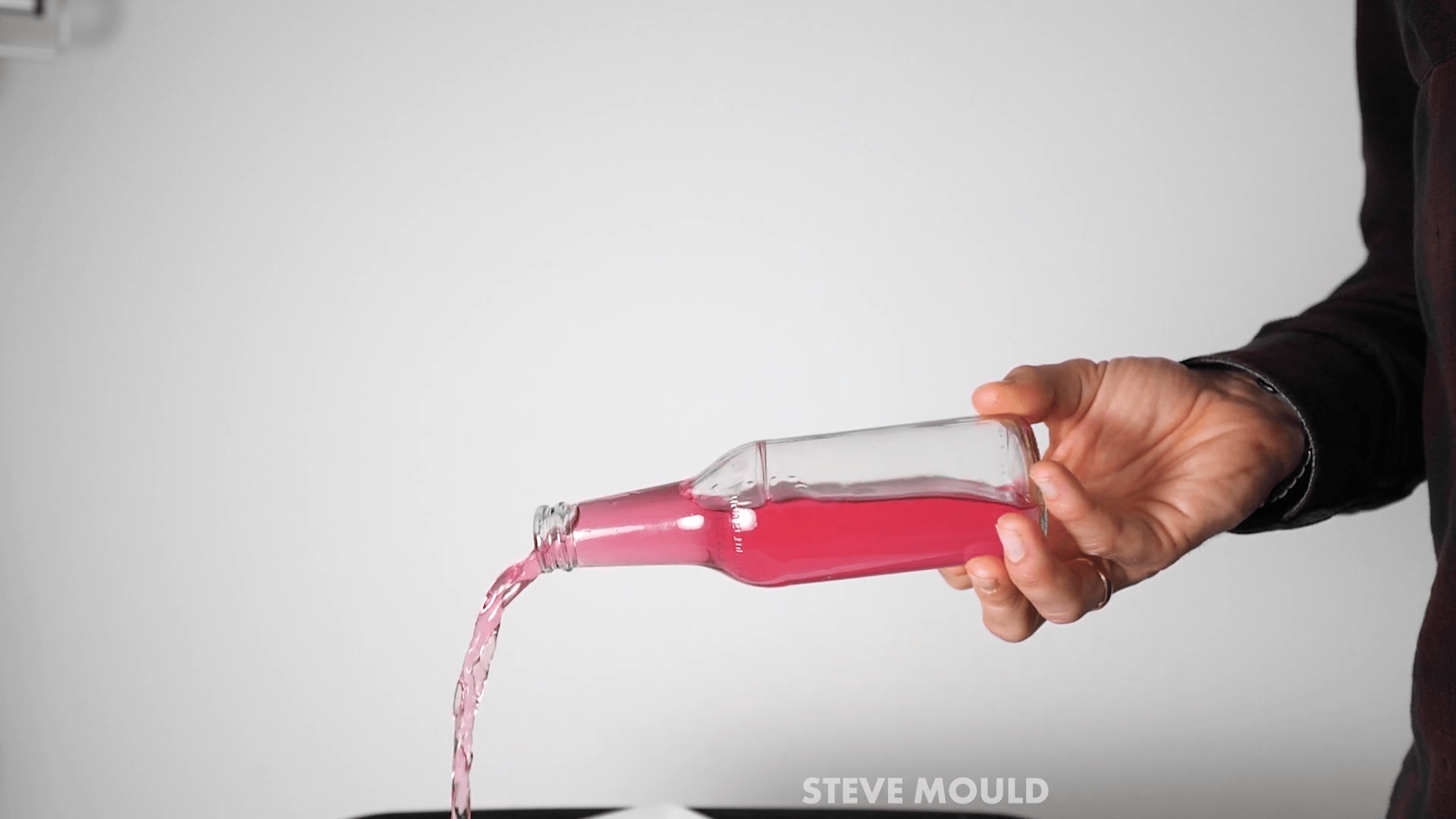
The fish-shaped Gluggle Jug makes an impressive set of sounds when tilted for pouring. Steve Mould explores their origin in this video. When liquid is poured from a container, air needs a path in to replace the poured liquid. You’re likely most familiar with this from long-necked bottles, where trying to pour the liquid too quickly results in a glug-glug noise as air bubbles periodically force their way through the bottle neck. The same thing happens in the Gluggle Jug, particularly at the joint between the tail and body of the pitcher. The volume and resonance of the jug’s sounds comes from the shape; the open mouth of the container amplifies the sound of bubbles popping back from the tail region. (Image and video credit: S. Mould)
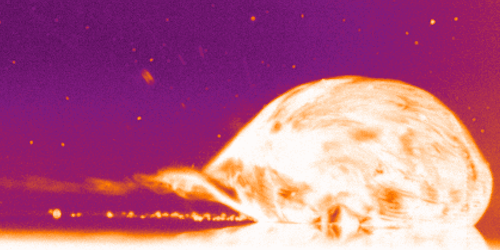
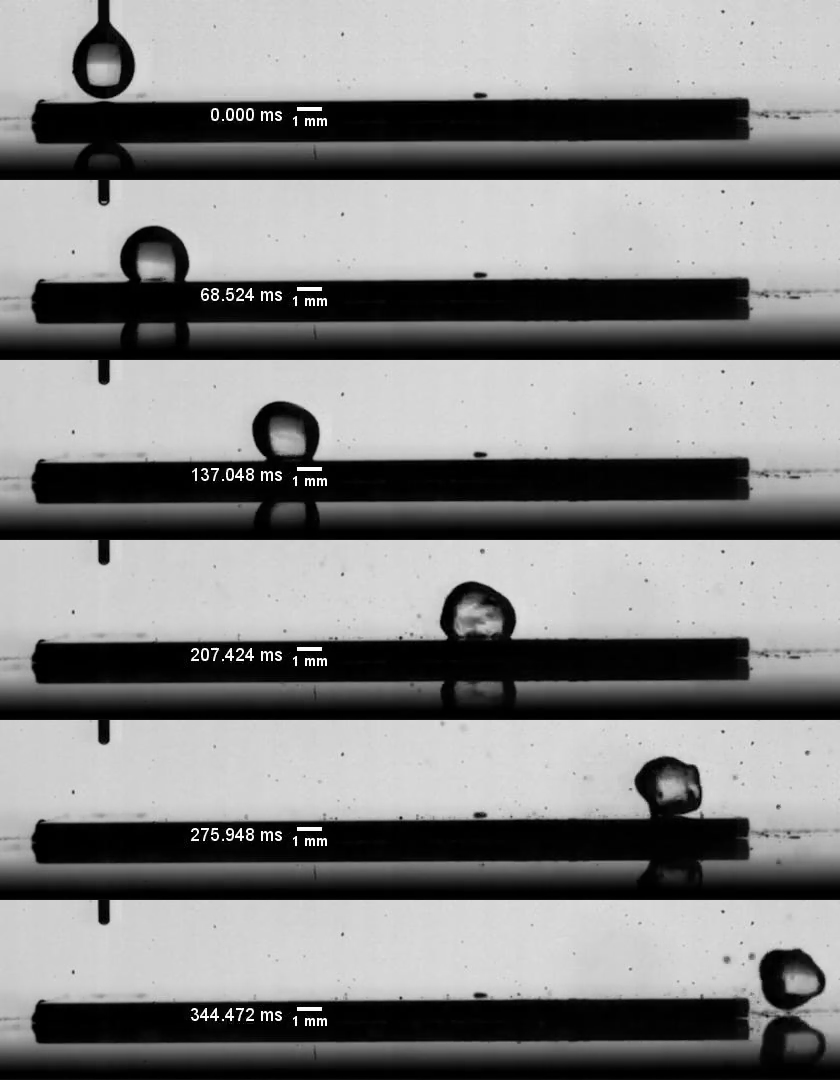
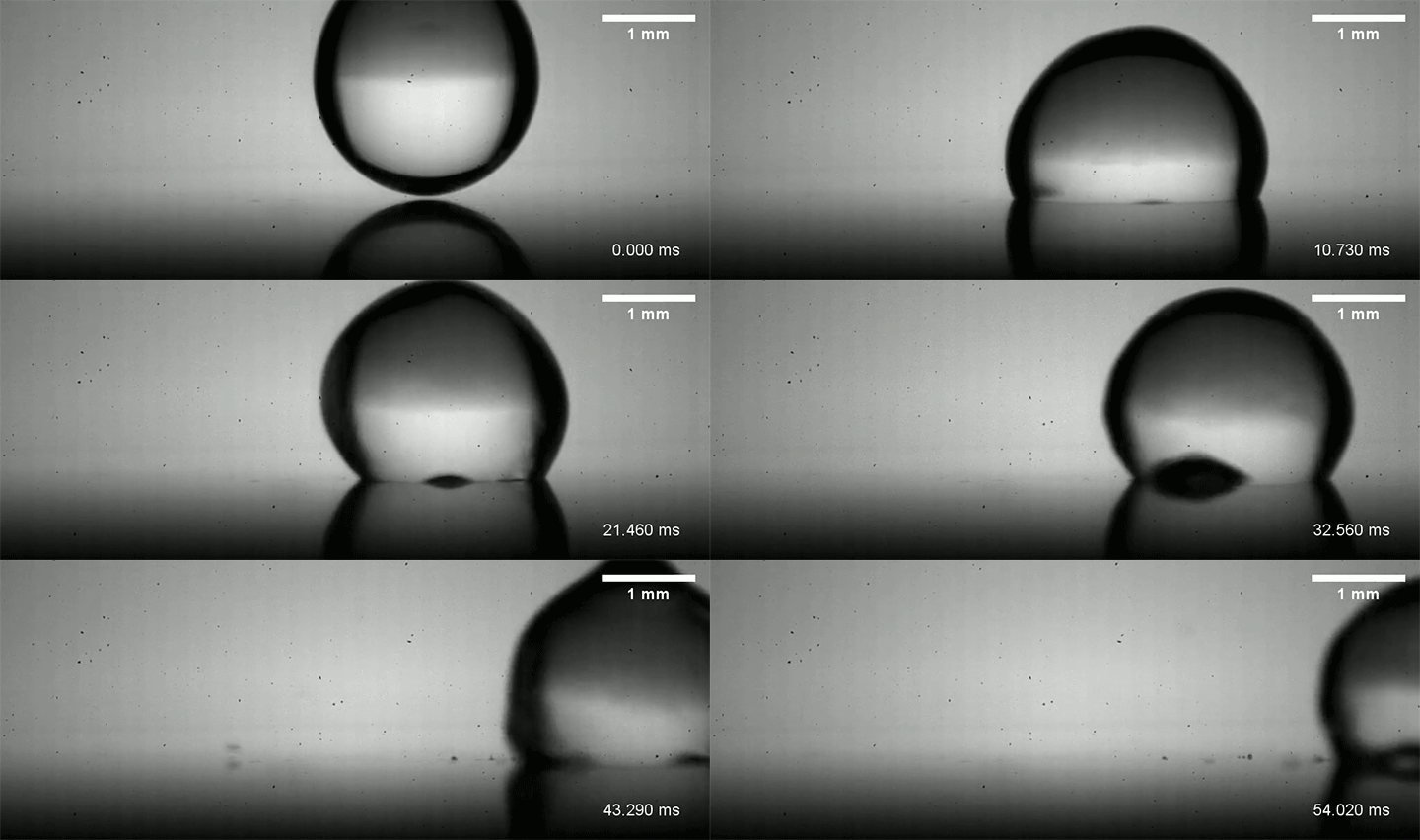
Robust, self-cleaning surfaces are a holy grail for many engineers, but they’re tough to achieve. One necessary ingredient for a self-cleaning surface is the ability to shed water, which is why superhydrophobic coatings and surface treatments are popular. Here, researchers prompt their droplets to move at speeds up to 16 cm/s by dropping them onto a thin layer of heated oil.
Longtime readers will no doubt be reminded of self-propelling Leidenfrost drops, but this situation is not quite the same. In general, the oil layer suppresses the Leidenfrost effect. Instead, the oil heats the drop, evaporating its vapor. A bubble of vapor will nucleate at a random location in the droplet and eject itself, pushing the drop in the opposite direction. Because of the disruption caused by that ejection, new bubbles will preferentially form at the same spot, providing an ongoing supply of vapor that keeps the drop sliding in the same direction. It’s like a miniature rocket zooming along the oil film! (Image and research credit: V. Leon and K. Varanasi; via APS Physics)
Hydrostatic pressure in a fluid is based on the fluid’s depth. You’ll rarely see a more dramatic example of that power than with a water release from a dam. Here we see the outlet of the Verbund Hydro Power dam in Austria. With 190 meters of water behind the dam, the outlet jet is massive. It moves 20,000 liters of water per second at a speed of 50 meters per second. Imagine what it would be like to stand next to that! (Image and video credit: Discovery UK; submitted by Olwyn B.)
Heterochromia iridum is the formal name for when a person’s irises are multi-colored, often with streaks or swirls of one color cutting through another. In this short film, photographer Rus Khasanov recreates the effect with glittery inks and paints. Their varying surface tensions help create the eye-like streaks and feathers through the Marangoni effect. Check out the full video to see the effect in action. (Image and video credit: R. Khasanov; via Colossal)
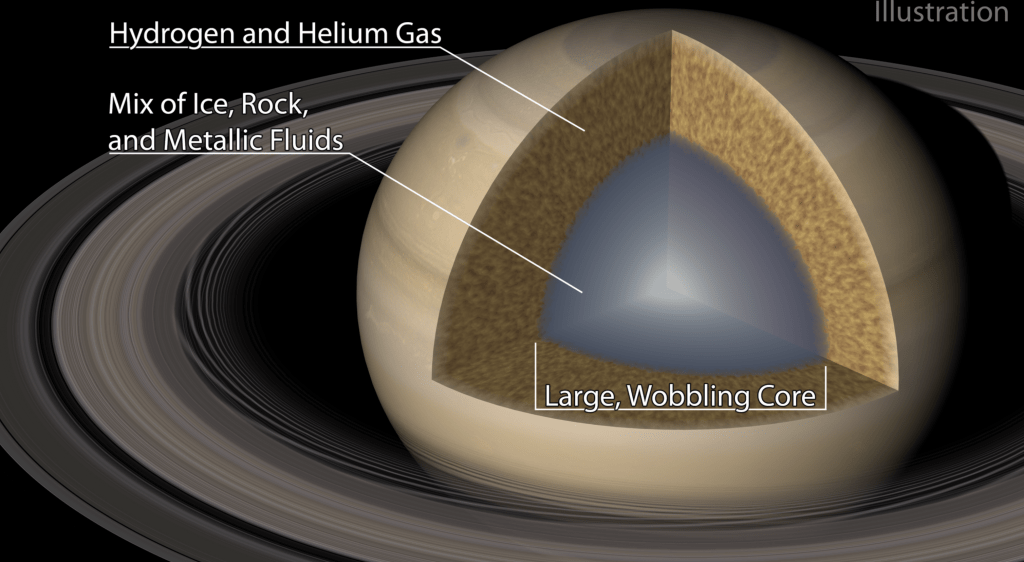
Saturn’s rings are one of the most iconic sights in our solar system, and scientists are using them to learn more about the planet they surround. Until recently, scientists believed that gas giants like Saturn and Jupiter have dense, rocky cores buried beneath their gassy atmospheres. But a new study of Saturn’s rings suggests that Saturn’s core is far larger and more fluid than assumed.
When the interior of Saturn wobbles, it causes gravitational shifts that affect the material making up its rings. By studying disturbances in the ring system — a technique known as ring seismology — researchers can deduce what motions took place inside the planet to cause the changes in the rings.
Using data from the Cassini spacecraft, the authors determined that Saturn’s core likely spreads to nearly 60% of its radius, and, rather than being dense and rocky, the core is a relatively fluid mixture of ice, rock, and metallic fluids. The core diffuses gradually into the gaseous atmosphere, and it’s stably stratified against convection, so its wobbles are quite small for the planet’s size. (Image credit: rings – NASA; illustration – Caltech/R. Hurt; research credit: C. Mankovich and J. Fuller; via Gizmodo)
Few countries have to contend with water the way the Netherlands does. With 26% of its area and 21% of its population living below sea level, water control is critical. This satellite image shows some of the natural and manmade features that help protect the landscape. The West Frisian Islands, the long spine-like archipelago seen here, form the first barrier. Behind them lies the mudflats of the Wadden Sea, home to countless wetland species. The Wadden Sea is separated from the freshwater Lake Ijssel by the Afsluitdijk, constructed in 1932 to protect the country from rising seas. With the dam in place, the Dutch used wind power to drain the shallow lands behind the dam, reclaiming the polders labeled here. With the islands, mudflats, and lake between urban settlements and the sea, engineers have more options for diverting water and protecting people from disastrous flooding. (Image credit: A. Holmes/NASA’s Ocean Color Web; via NASA Earth Observatory)
Water droplets immersed in a mixture of oil and surfactants will move about, propelled by the Marangoni effect. Surfactant molecules congregate along the interface between the water and oil, but they do not do so uniformly. This uneven grouping causes variations in the surface tension, which in turn creates flows inside the droplet from areas of low surface tension to ones with higher surface tension. Those internal flows then dictate how the droplet as a whole moves.
Researchers found that droplet trajectories in these systems depend on the droplet’s size. Small droplets move in relatively straight lines, whereas larger droplets take highly curved paths. The difference comes from the way surfactants get distributed around the drop’s interface. Larger drops are more sensitive to shifts in surfactant location, making them more prone to take changeable, curving paths. (Image credits: top – P. Godfrey, others – S. Suda et al.; research credit: S. Suda et al.; via APS Physics)
Growing up in the Ozarks, I explored my fair share of caves and sinkholes. These geological features form when flowing groundwater erodes soil, sand, and even rock underground. The Ozark Plateau consists largely of limestone, which is water soluble, making it very prone to this internal erosion. As bedrock dissolves away, it is eventually unable to hold up the weight of ground above it, causing a catastrophic collapse into a sinkhole. Although my childhood sinkholes were naturally occurring, they can also form in spots where leaking pipes and infrastructure help wash underlying soil away. Unfortunately for engineers, this internal erosion can take place for years without any visible sign above ground. (Image and video credit: Practical Engineering)