Year: 2020

  • Vanishing Spirits: Aging

    Vanishing Spirits: Aging

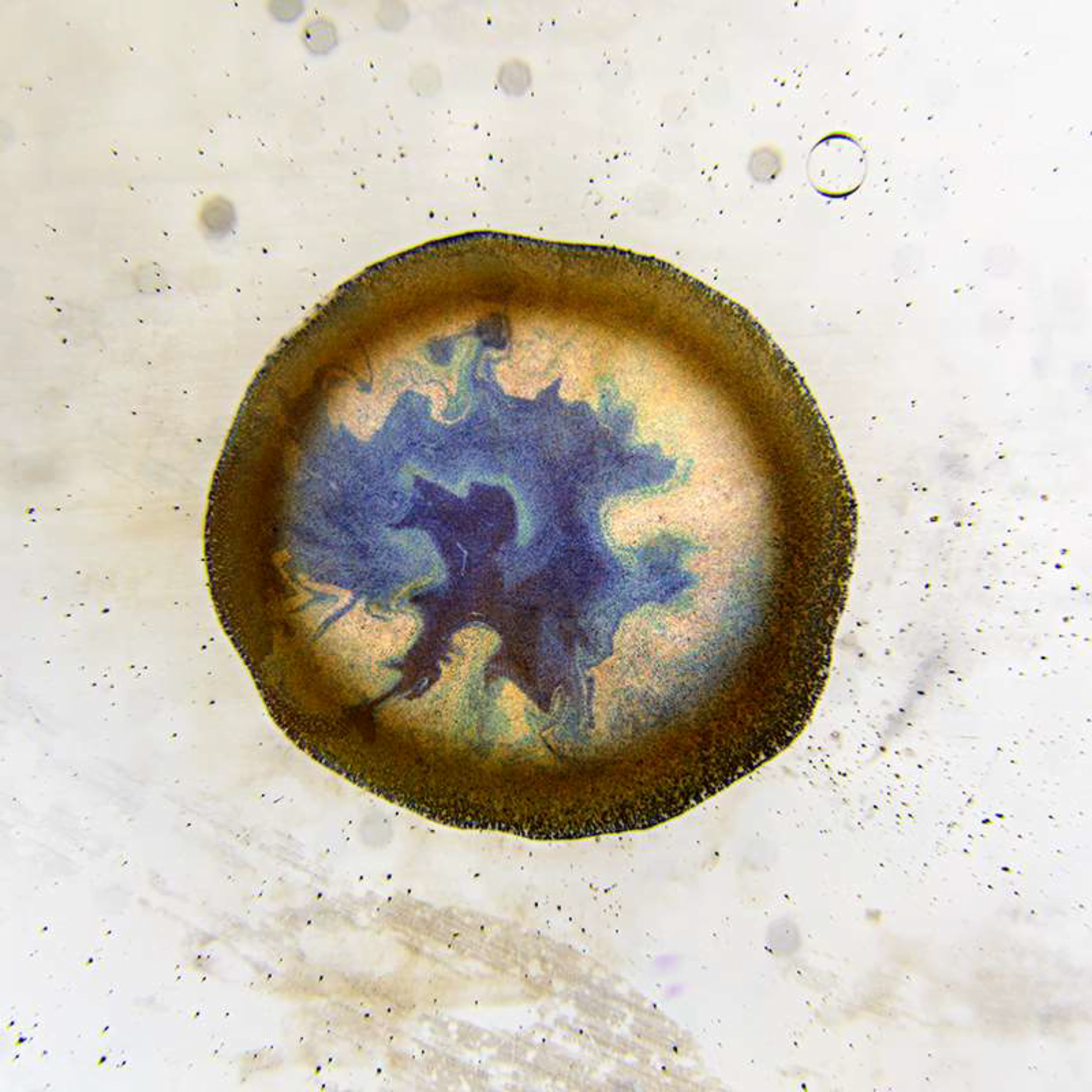
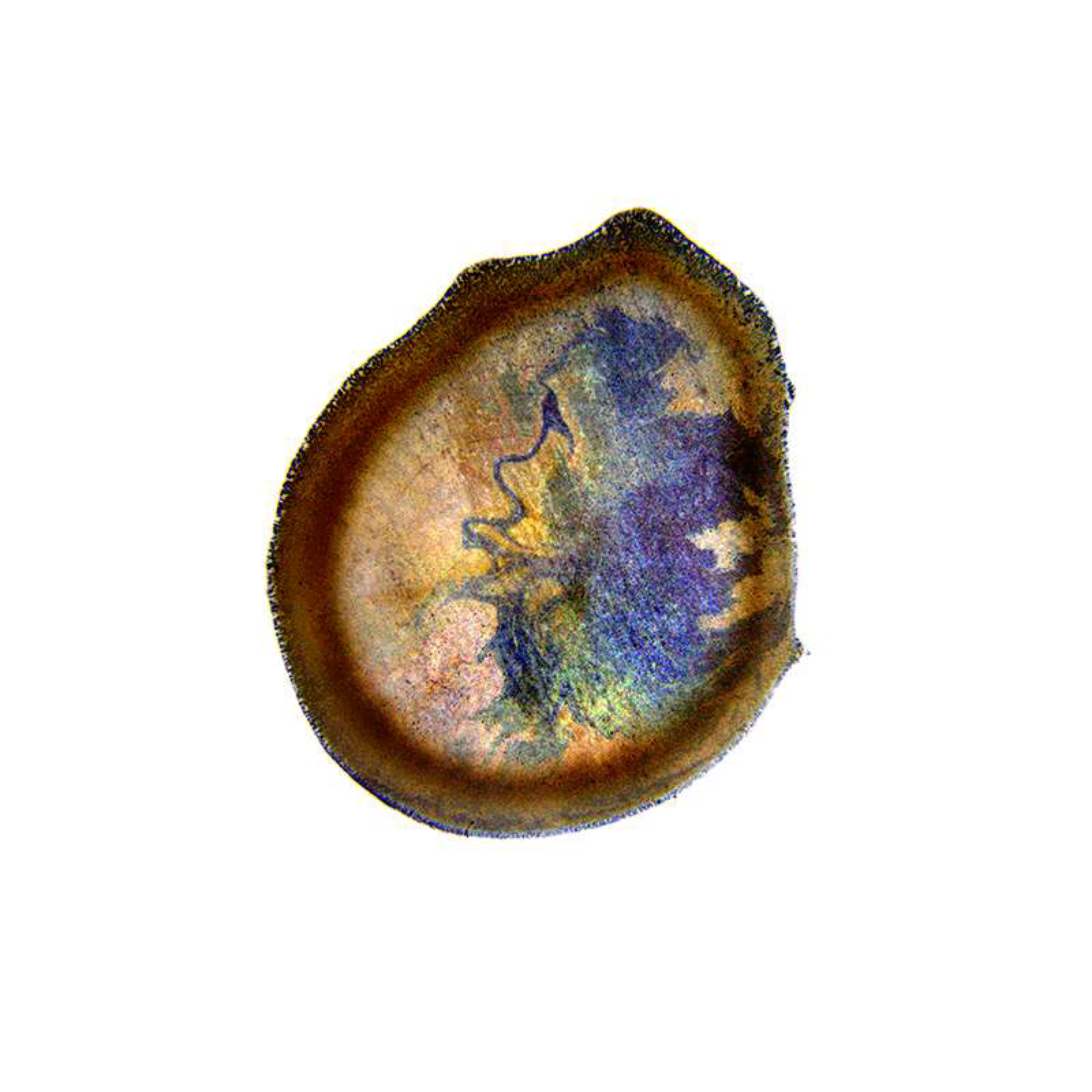
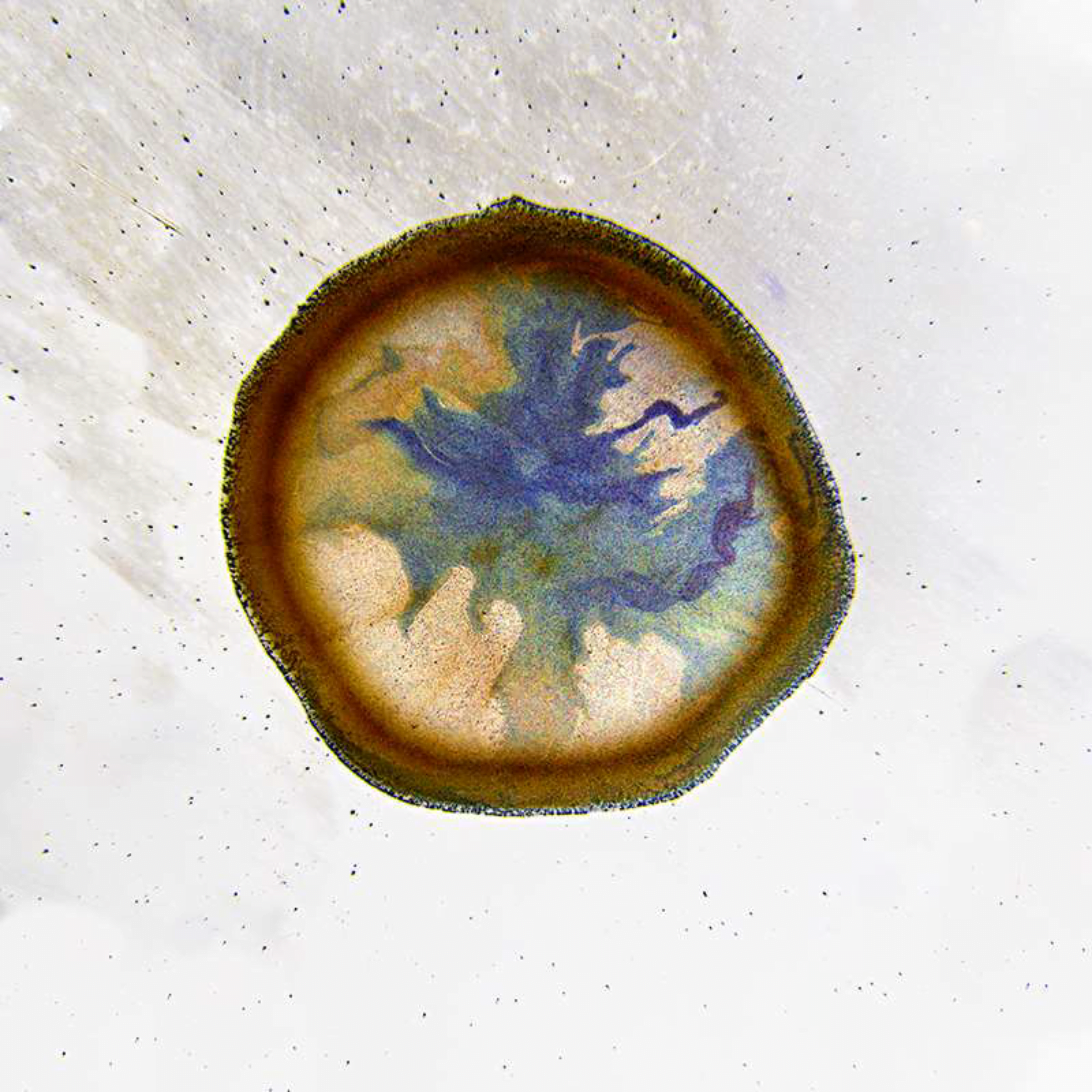
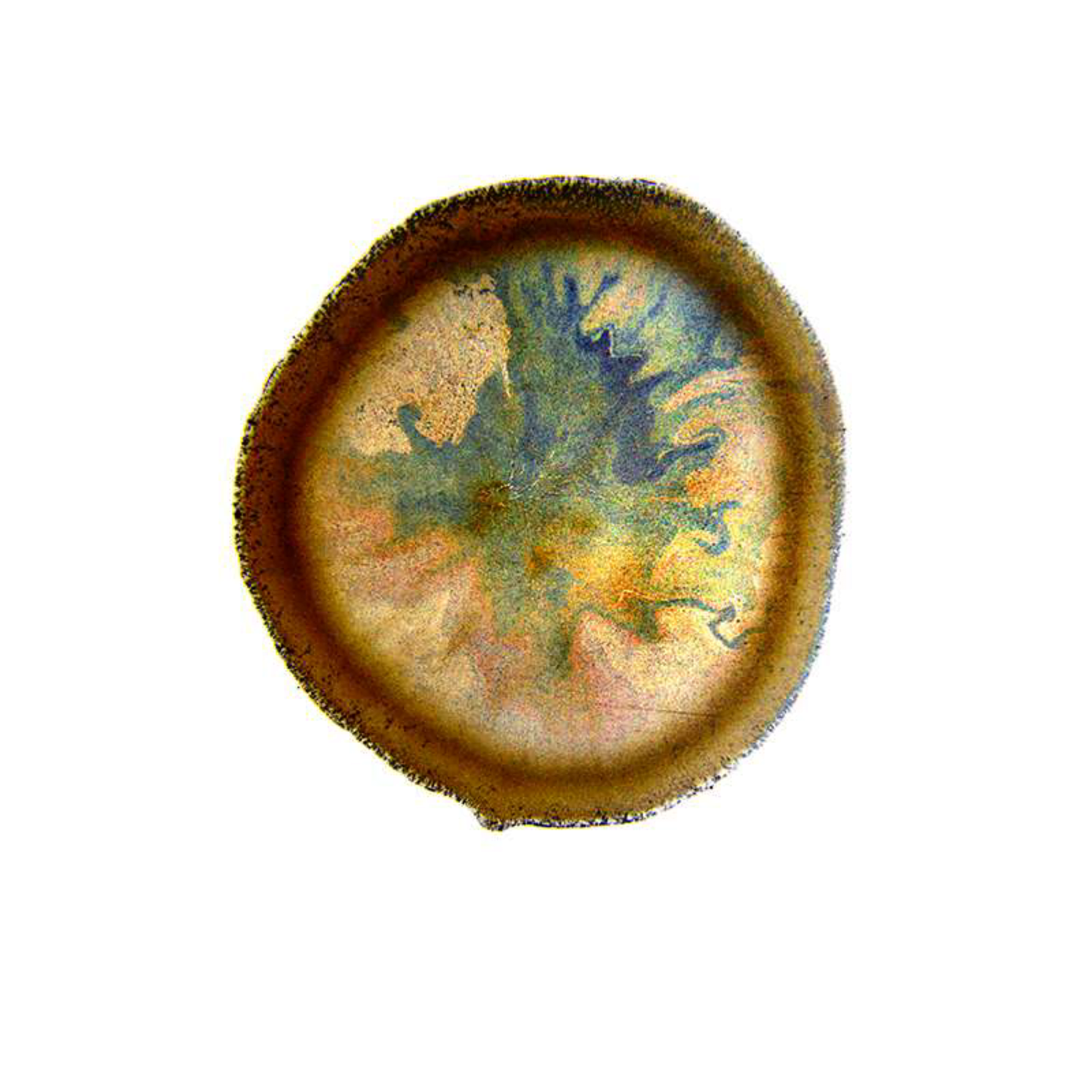
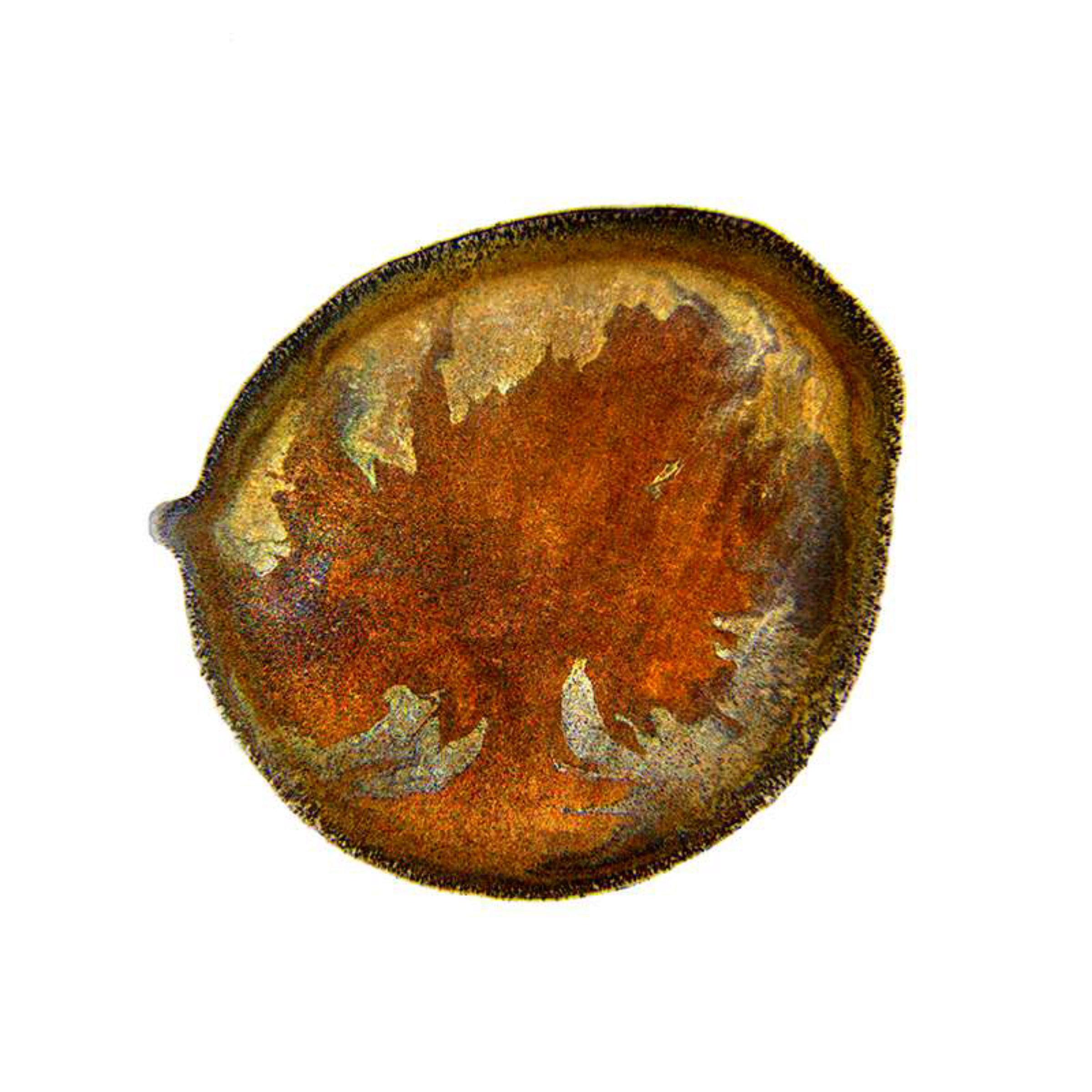
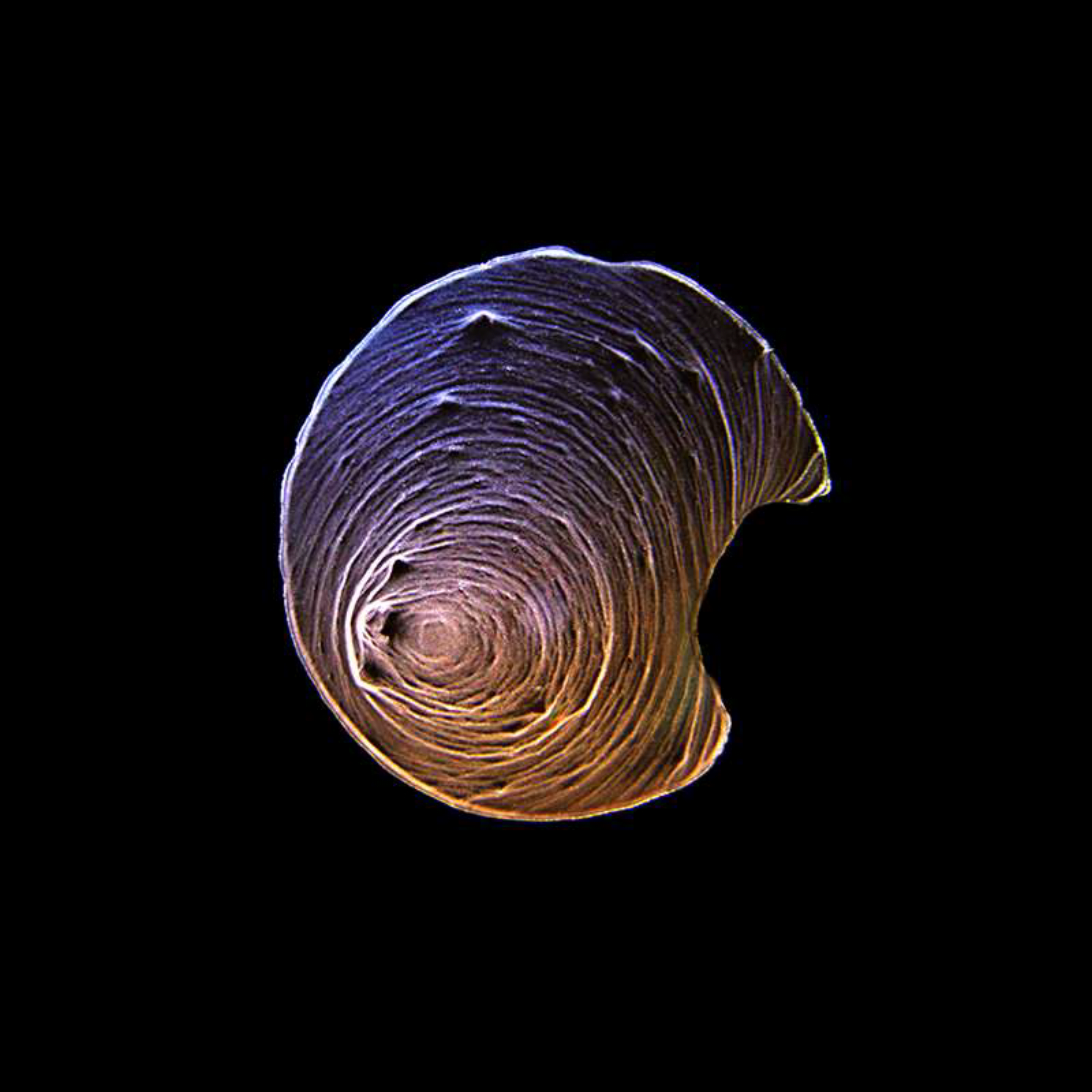
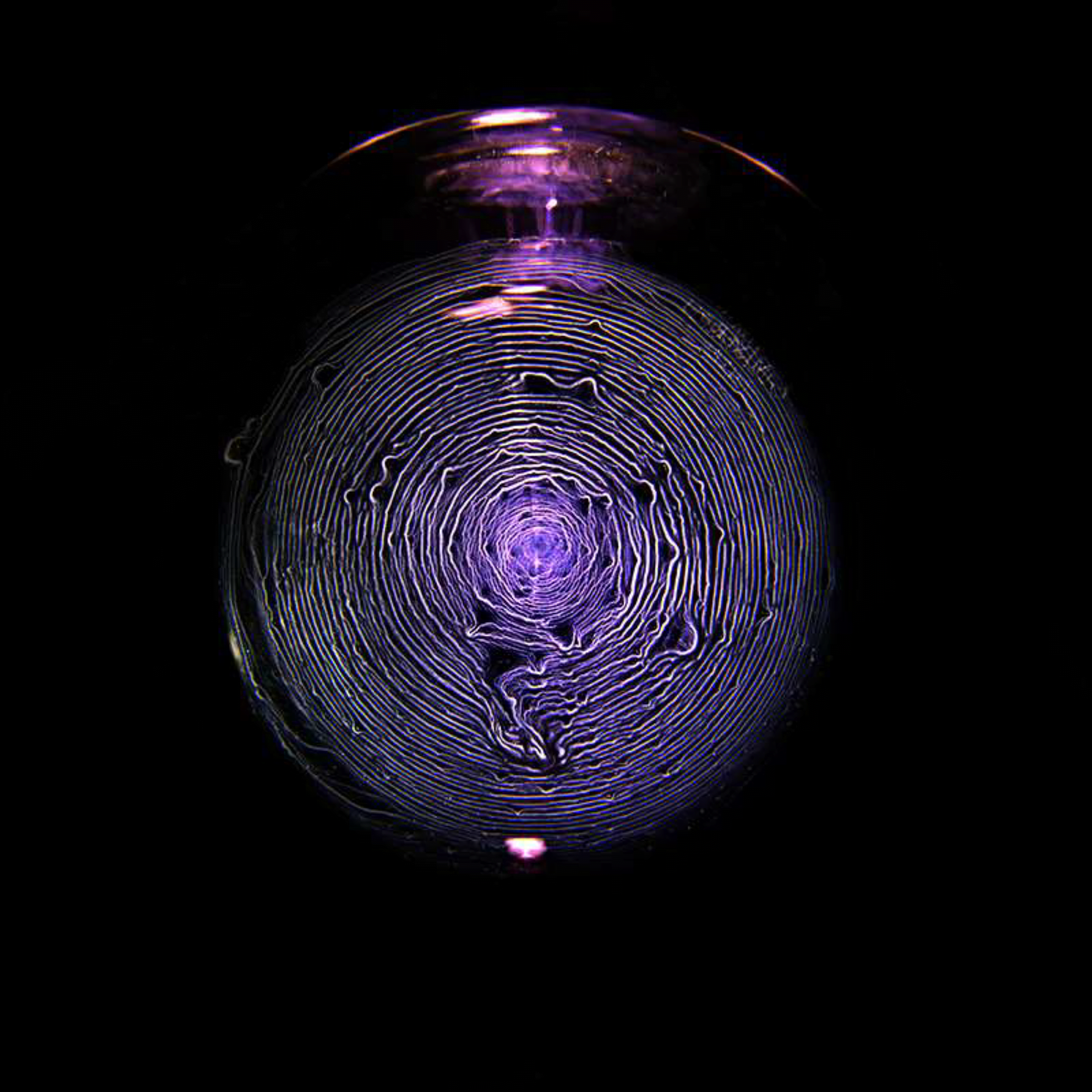
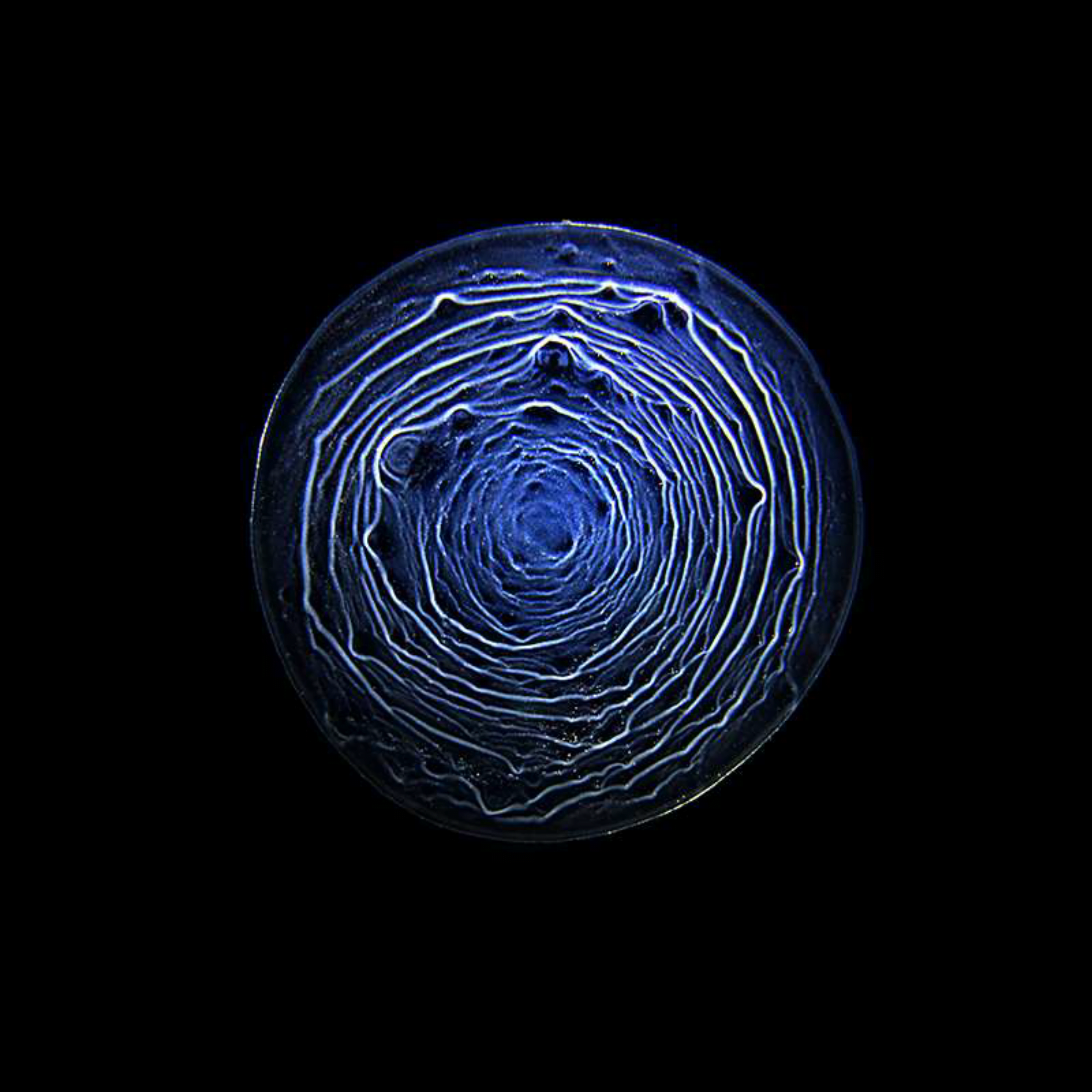
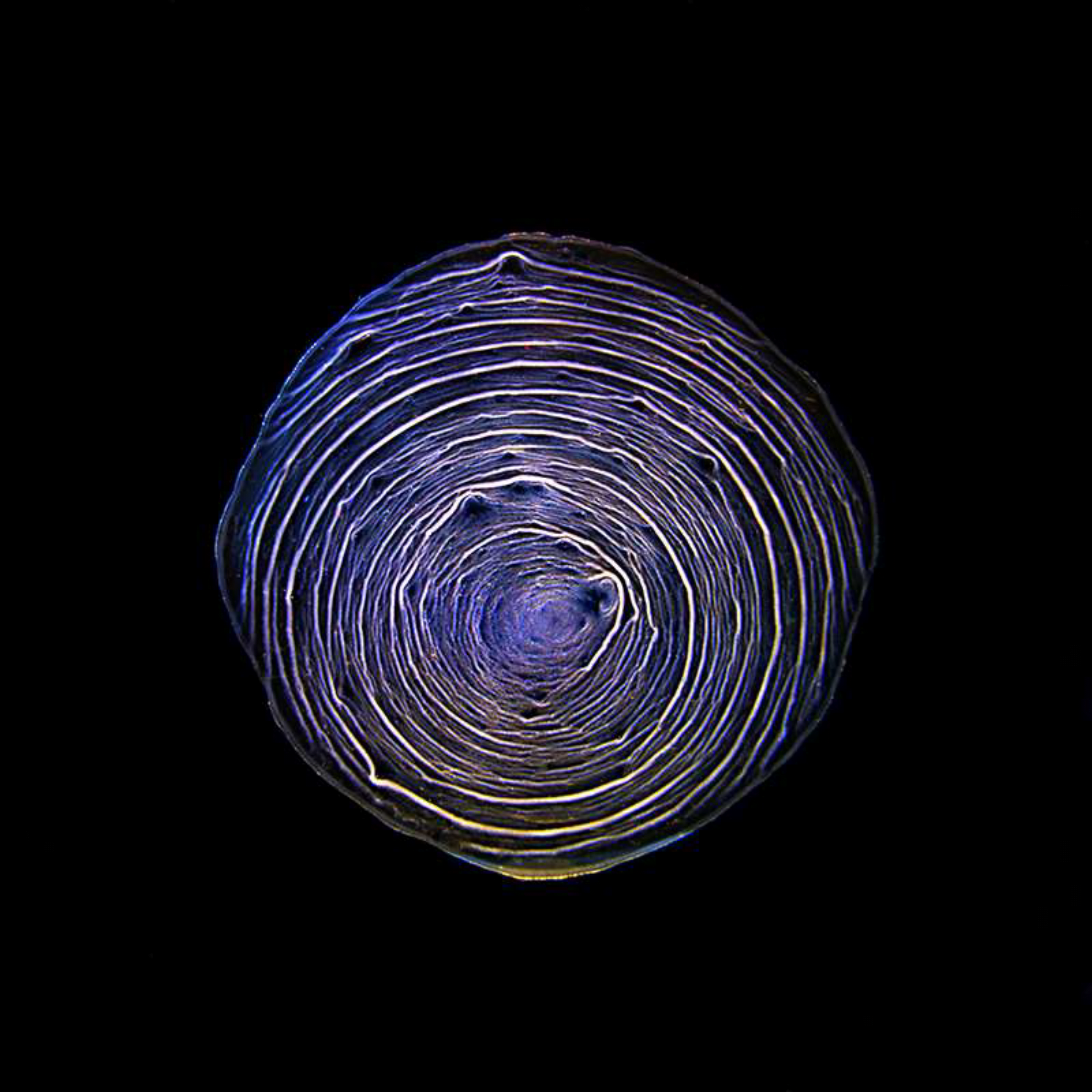
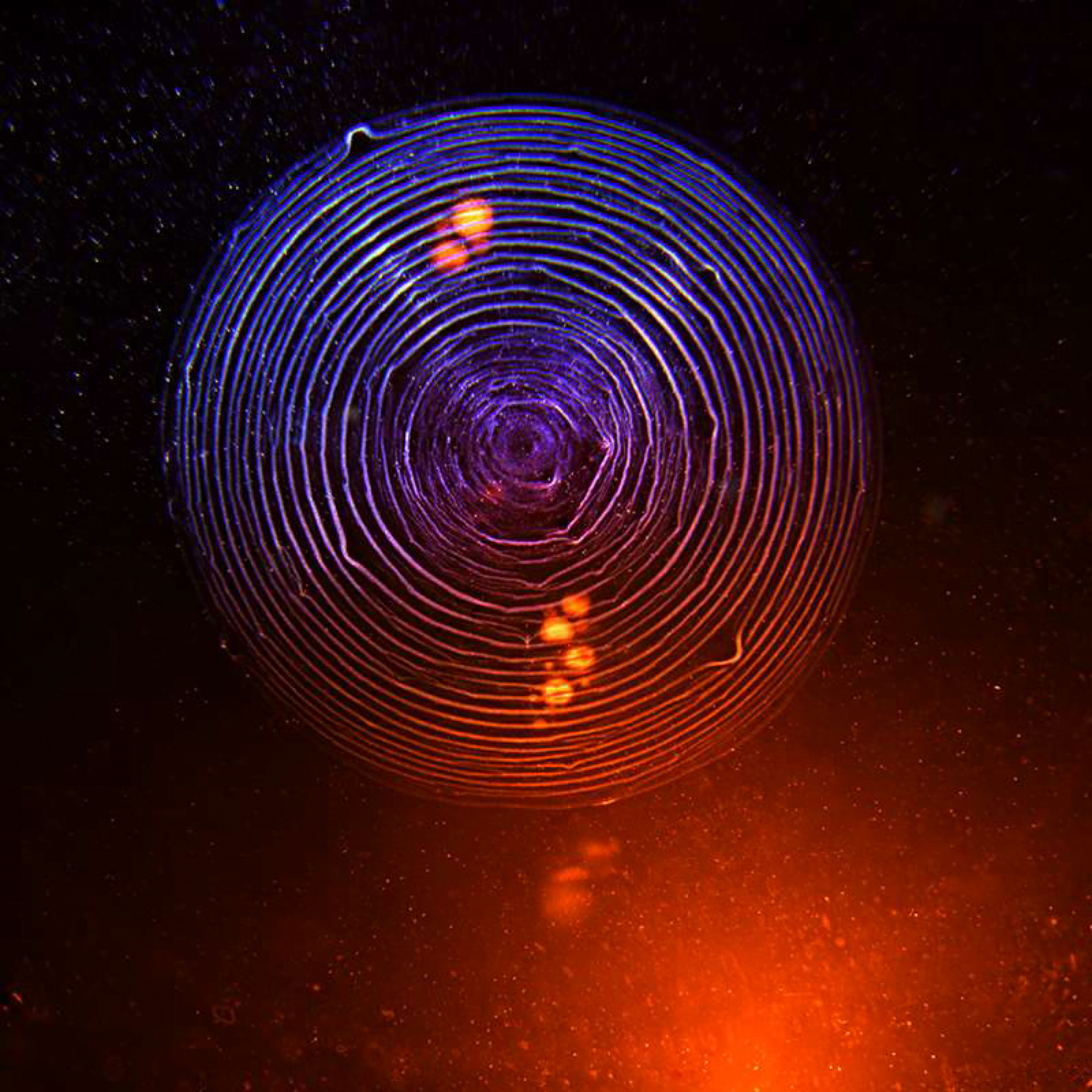
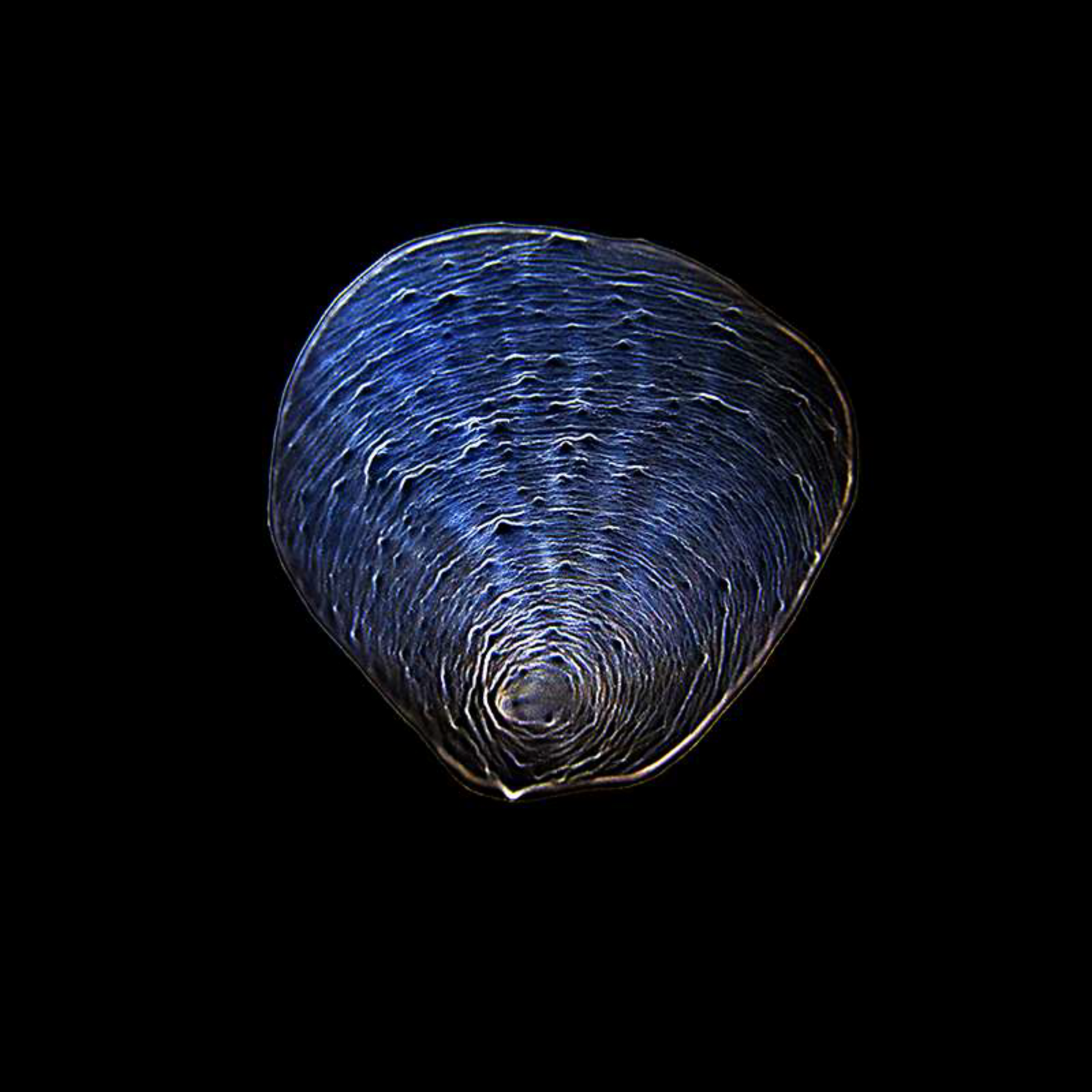
    The necessary ingredients for scotch whisky’s evaporation patterns are alcohol, surfactants, and polymers; some of those components are absorbed during the spirit’s aging in oak casks. Photographer Ernie Button explored how long it takes for whisky to absorb enough of these chemicals by photographing the stains left by samples aged between 1 and 5 weeks in an oak cask. He found that it takes about 5 weeks for the scotch patterns to begin emerging.

    The aging process for scotch and other cask-aged spirits depends on the fluid’s flow through the porous grain of the oak. Evaporation plays a significant role in the process, so the aging process differs based on environmental conditions. For example, distillers in the dry, high-altitude climate of Colorado must use climate-controlled storage, whereas Scottish distillers use a more humid natural climate to their advantage.

    Another major factor in the aging process is the charred oak cask itself. Some whiskys, like American bourbon, always use a brand new barrel, whereas scotch is often aged in a previously-used cask. With older casks, absorption of molecules from the wood takes longer, which is why scotch is typically aged for much longer than some other types of whisky. (Image, research, and submission credit: E. Button; see also)

  • Vanishing Spirits: Rice-Based Whisky

    Vanishing Spirits: Rice-Based Whisky

    In yesterday’s post, photographer Ernie Button showed us that barrel-aged gin can leave behind an evaporation pattern remarkably similar to scotch whisky. But even among whiskys not every spirit uses the same grains.

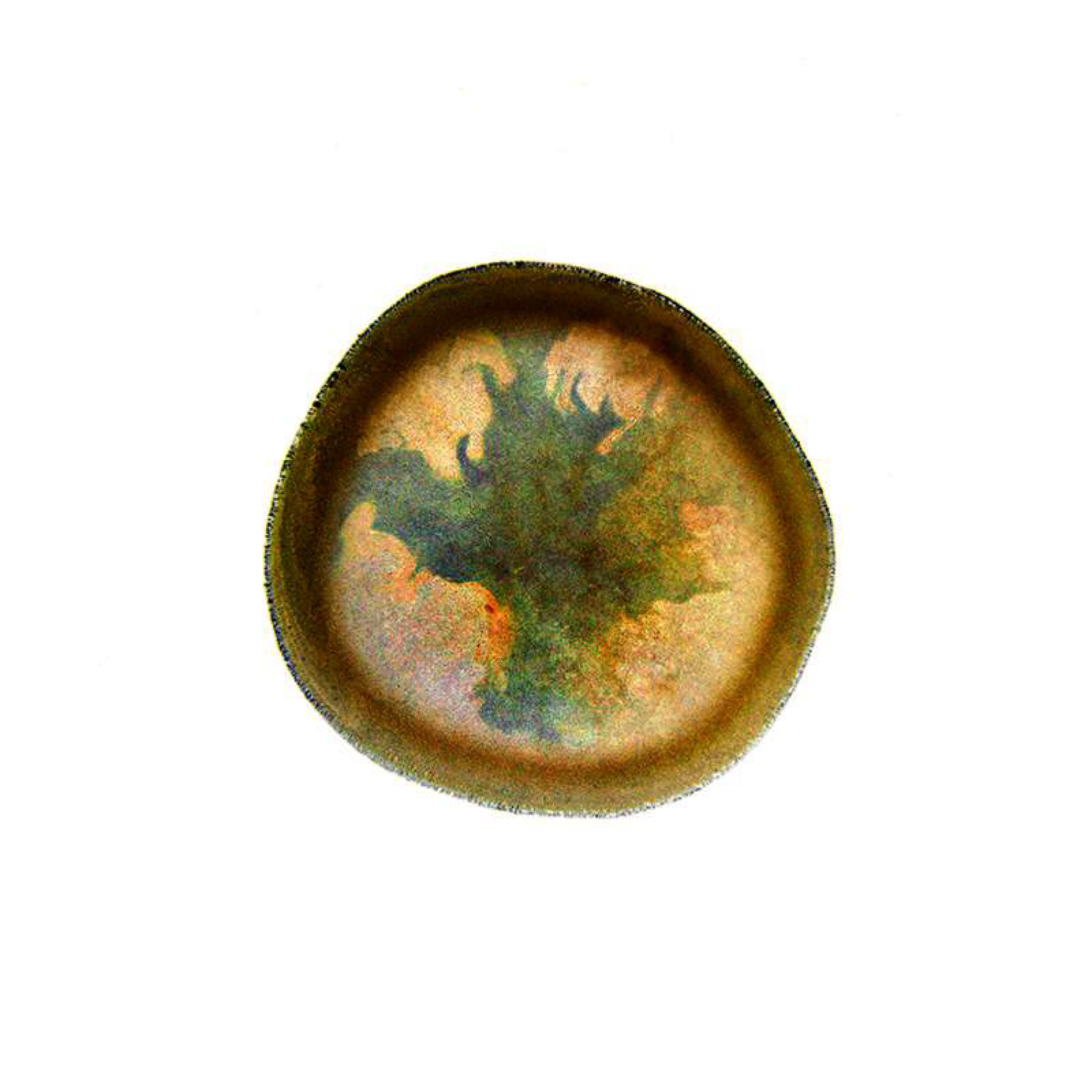
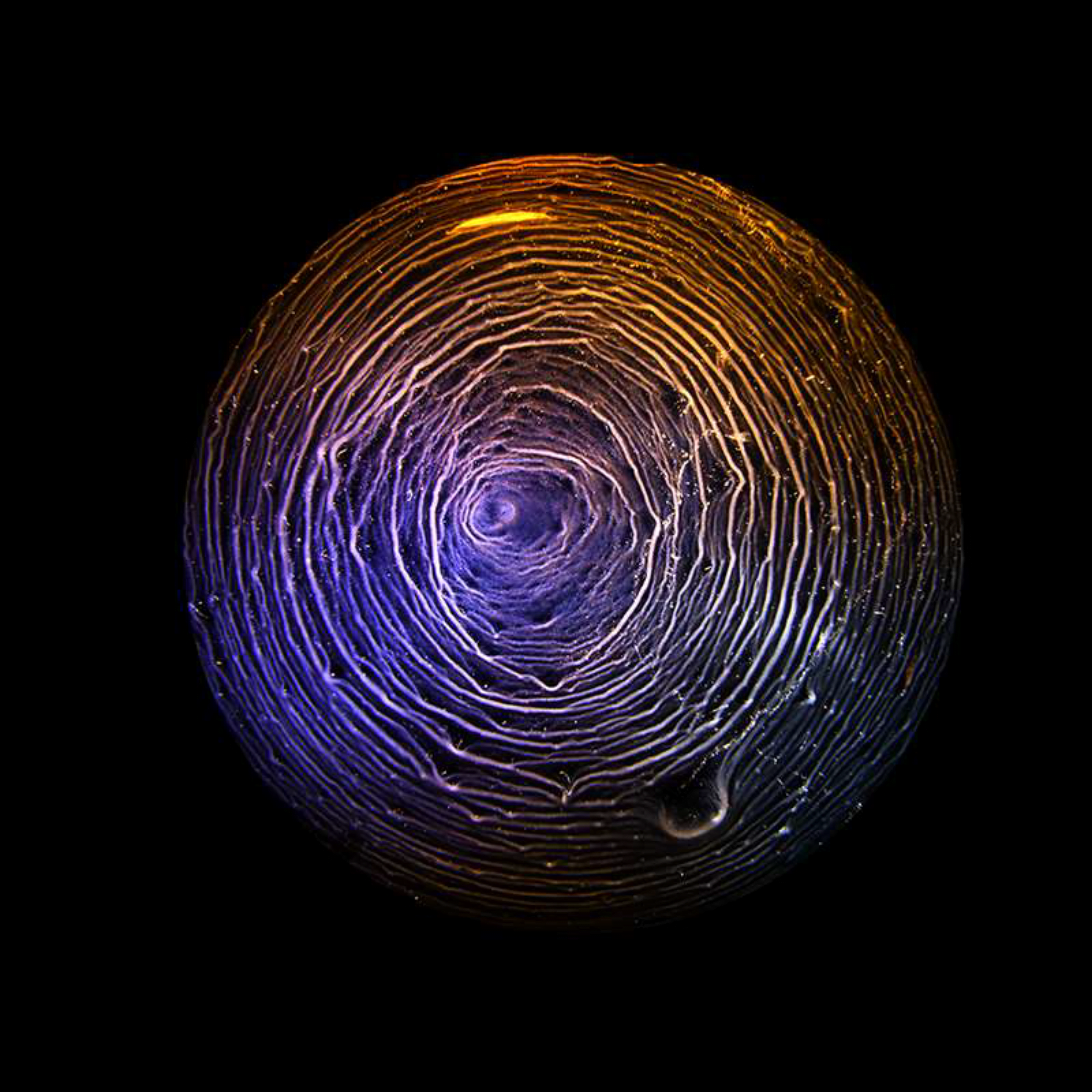
    Here we see patterns left behind by a 10-year-aged, rice-based whisky. The stains are entirely different than those of (barley-based) scotch. The rice leaves behind stains with distinct regions, including a radially uniform rim and an interior reminiscent of satellite photos. Presumably the interaction of rice and the cask leaves the whisky with surfactants and polymers that behave rather differently than those of scotch.

    It takes time for spirits to take on character from the casks they’re aged in. Tomorrow we’ll take a look at just how much aging is necessary for scotch’s patterns to emerge. (Image, research, and submission credit: E. Button; see also)

  • Vanishing Spirits: Gin

    Vanishing Spirits: Gin

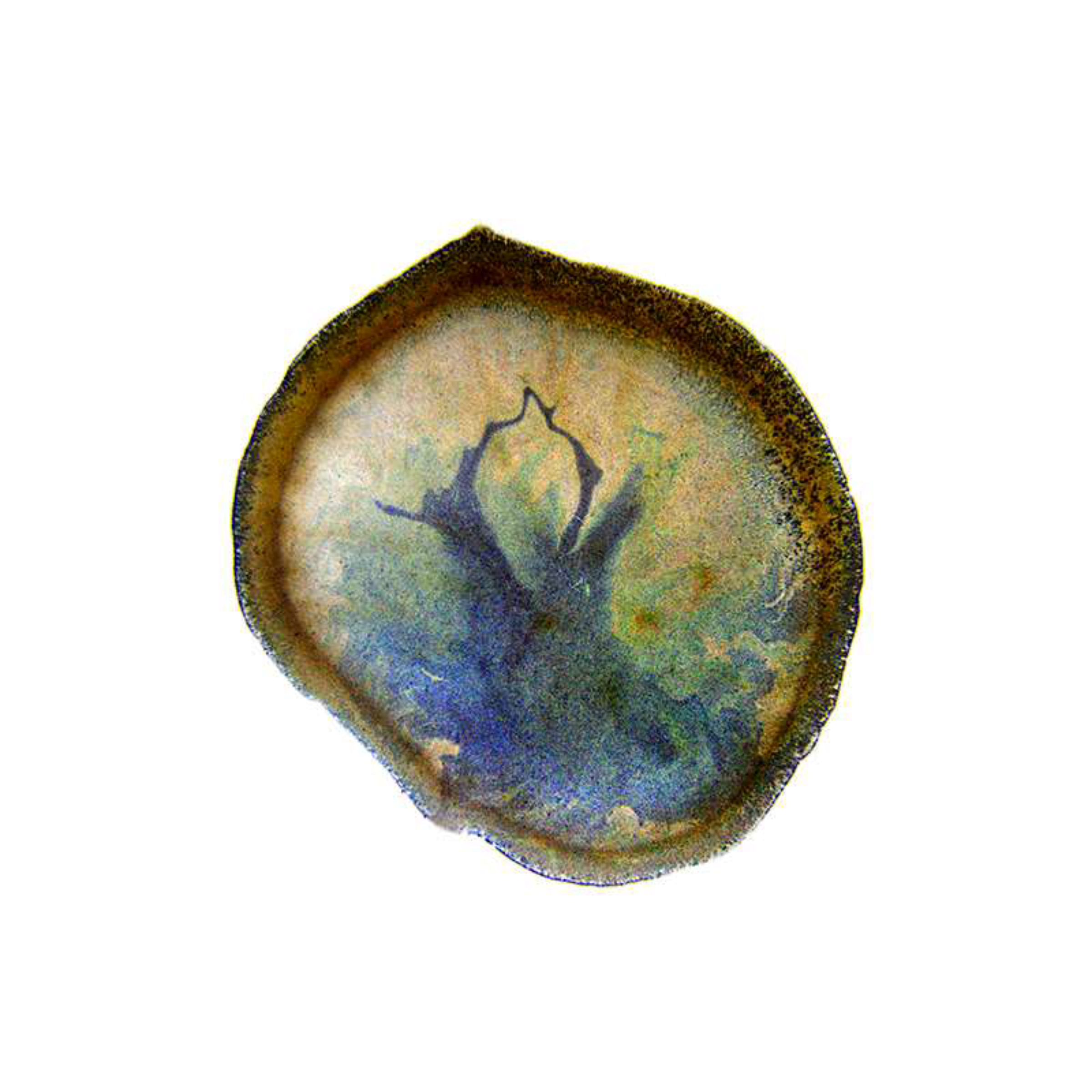
    Photographer Ernie Button has spent years exploring the patterns left by evaporating scotch. A team of researchers found that the uniformity of scotch whisky’s stain requires three ingredients: alcohol to drive concentration gradients, surfactants to pull particulates away from the drop’s edge, and polymers to help stick particles to the glass.

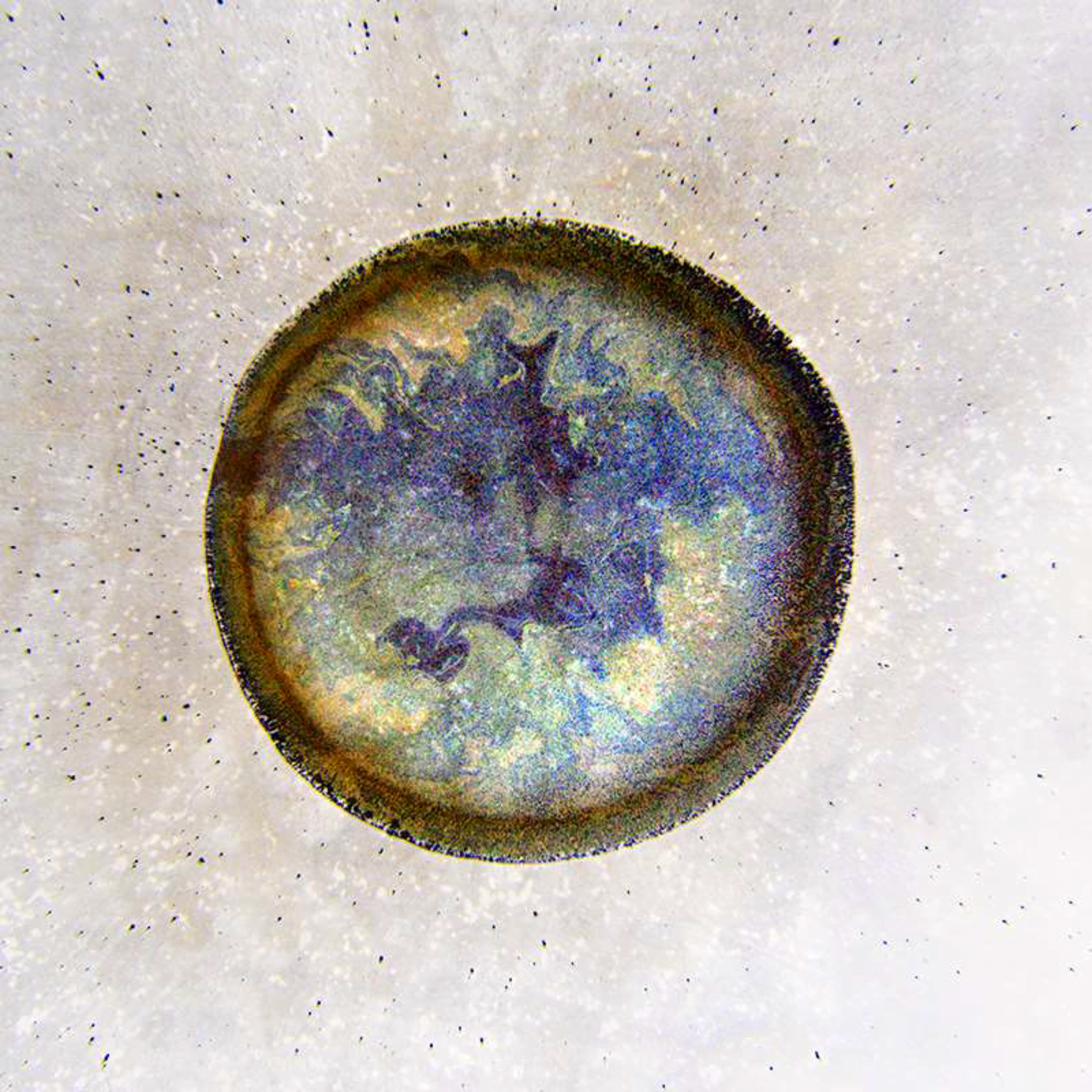
    Button wondered whether other spirits might produce similar patterns, and, indeed, some do. The photos above are stains left behind by evaporated gin that’s been aged for a year in oak casks. The patterns are extremely similar in appearance to those from aged scotch whiskies, suggesting that the same fluid dynamical effects are at play here, despite the difference in liquor. But do all grain spirits make these patterns? Check back tomorrow to find out. (Image, research, and submission credit: E. Button; see also)
  • Featured Video Play Icon

    Rocket Yeast

    Usually, microbial colonies are grown on a solid substrate, but what happens when they grow on a liquid surface? That’s the question explored in this Gallery of Fluid Motion video featuring colonies of brewer’s yeast on various liquid substrates. When the viscosity of the liquid is low enough, the colony actually gets pulled apart (Image 2). This behavior is driven by a convective flow in the liquid caused by the colony’s own growth. As the yeast grow, they deplete nearby sugar, creating a density gradient that triggers convection beneath the colony. (Image, video, and research credit: S. Atis et al.)
  • Featured Video Play Icon

    Dengue Dengue Dengue

    Musical duo Dengue Dengue Dengue create live audio/visual performances with fluid dynamics. Their visuals are created by adding various liquids and dyes atop an illuminated background. To add extra dynamism, they sometimes use a sheet of plastic to cover and pump the liquids, creating a pseudo-Hele-Shaw cell where they can trigger fluid instabilities in time to the music. The full performance in this video is nearly an hour long, but at least take some time to scrub through and see a few different sections. (Video credit: Dengue Dengue Dengue/Espacio Fundación Telefónica Lima; submitted by Tania S.)

  • Featured Video Play Icon

    Recreating Acoustics

    The cultural heritage of a site is made up of more than its appearance; its soundscape is vital, as well. Acousticians and historians work together to preserve and recreate the auditory landscape of important sites through acoustical measurements and digital reconstructions based on architecture and building materials. Thanks to projects like these, researchers can achieve feats like recreating a concert within the Notre Dame Cathedral as it was before the 2019 fire. To learn more about the technologies behind these feats, check out this Physics Today article. (Image and video credit: Ghost Orchestra; for more, see Physics Today)

  • Aging Fluids

    Aging Fluids

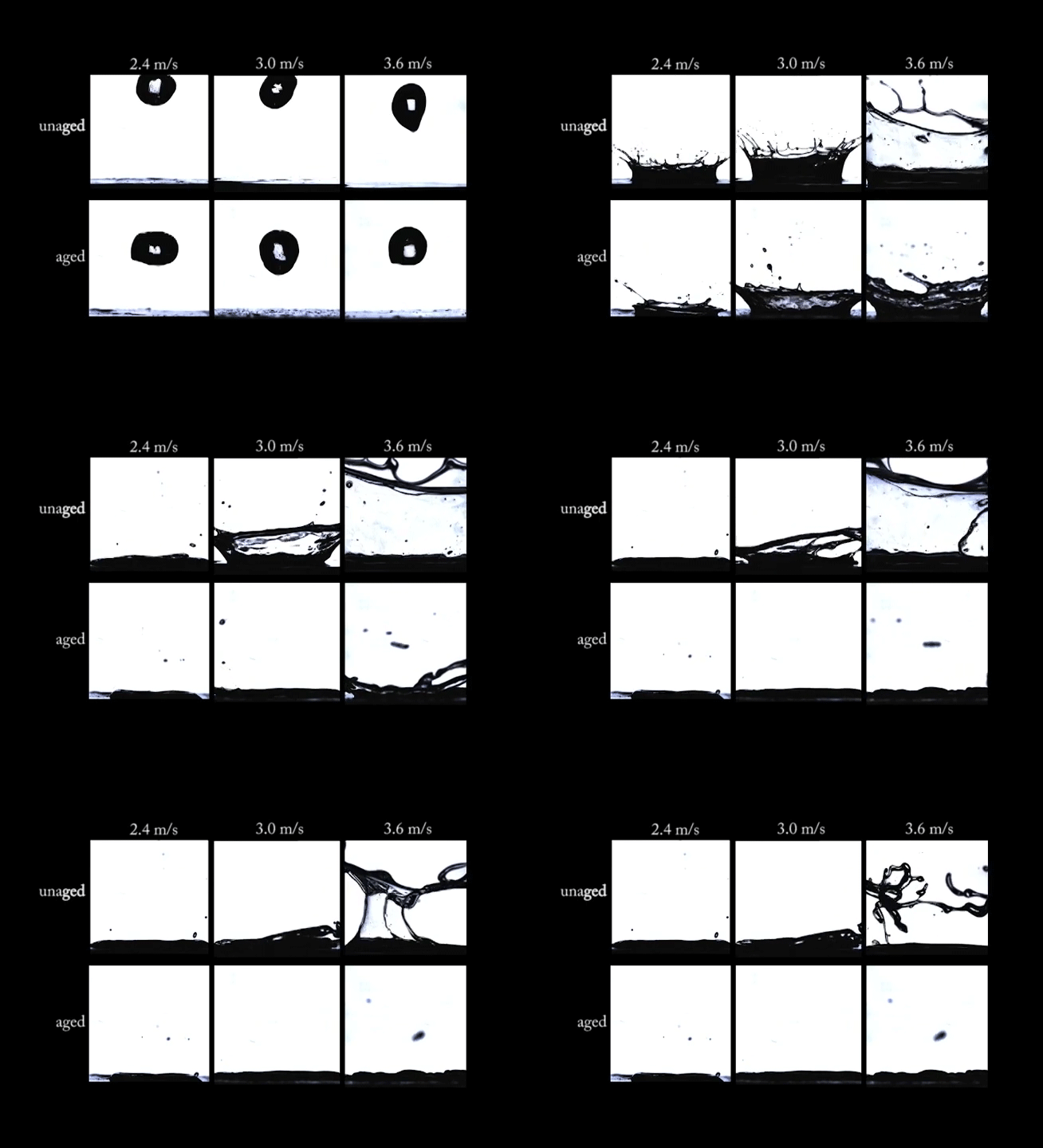
    If you’ve ever left a sealed container of Playdoh untouched for months, you know that there’s a big difference between the fresh stuff and what’s left in that can. Aging can have big effects on non-Newtonian fluids. In this video, we see drops of a synthetic clay impacting at different speeds. In the top row of images, the clay is fresh and unaged; on impact, the clay forms large crown-like splashes. In the bottom row, however, the aged clay behaves quite differently. Instead of a splash, the drops make more of a splat. (Image and video credit: R. Ewoldt et al.)

  • Hammerhead Hydrodynamics

    Hammerhead Hydrodynamics

    Hammerhead sharks have some of the most distinctive craniums in the ocean, which begs the question: how do they swim with that head? New computational fluid dynamics studies suggest that their long foil-shaped heads help the sharks maneuver swiftly, but they come at the cost of substantially higher drag. The researchers found that drag on the hammerhead’s cranium required energy expenditures more than 10 times higher than other sharks, but since the study looked at heads only, it’s possible that the rest of the shark’s positioning helps mitigate that cost. (Image credit: shark – J. Allert, CFD – M. Gaylord et al.; research credit: M. Gaylord et al.; via NYTimes; submitted by Kam-Yung Soh)

    Pressure contours and streamlines around a hammerhead shark head.
  • Featured Video Play Icon

    Rolling Off a Duck’s Back

    Ducks and other water fowl need protection from the elements. Fortunately for them, the structure of their feathers cleverly helps them shed water. As seen in this video, feathers have tiny hooks, called barbicels, that act like Velcro, zipping the individual barbs of a feather together to keep water out. When birds preen, they’re using their bills to rezip any sections that came loose. They also use their bills to spread a waxy substance onto the feathers to give them even more waterproofing. All together, these measures help the birds keep out cold water and trap warm air in the down near their skin. (Image and video credit: Deep Look)

  • Density Drift

    Density Drift

    This colorful photo shows three fluids — oil, water, and dish soap — illuminated by the rainbow reflection of a CD. The differing densities of each fluid creates a stratification with water sandwiched between dish soap on the bottom and oil on the top. Because the dish soap is miscible in water, it leaves a smudgy blur against the background, whereas the immiscible oil creates bubble-like lenses at the top. (Image credit: R. Rodriguez)