Tag: static electricity

  • How Water Droplets Charge Up

    How Water Droplets Charge Up

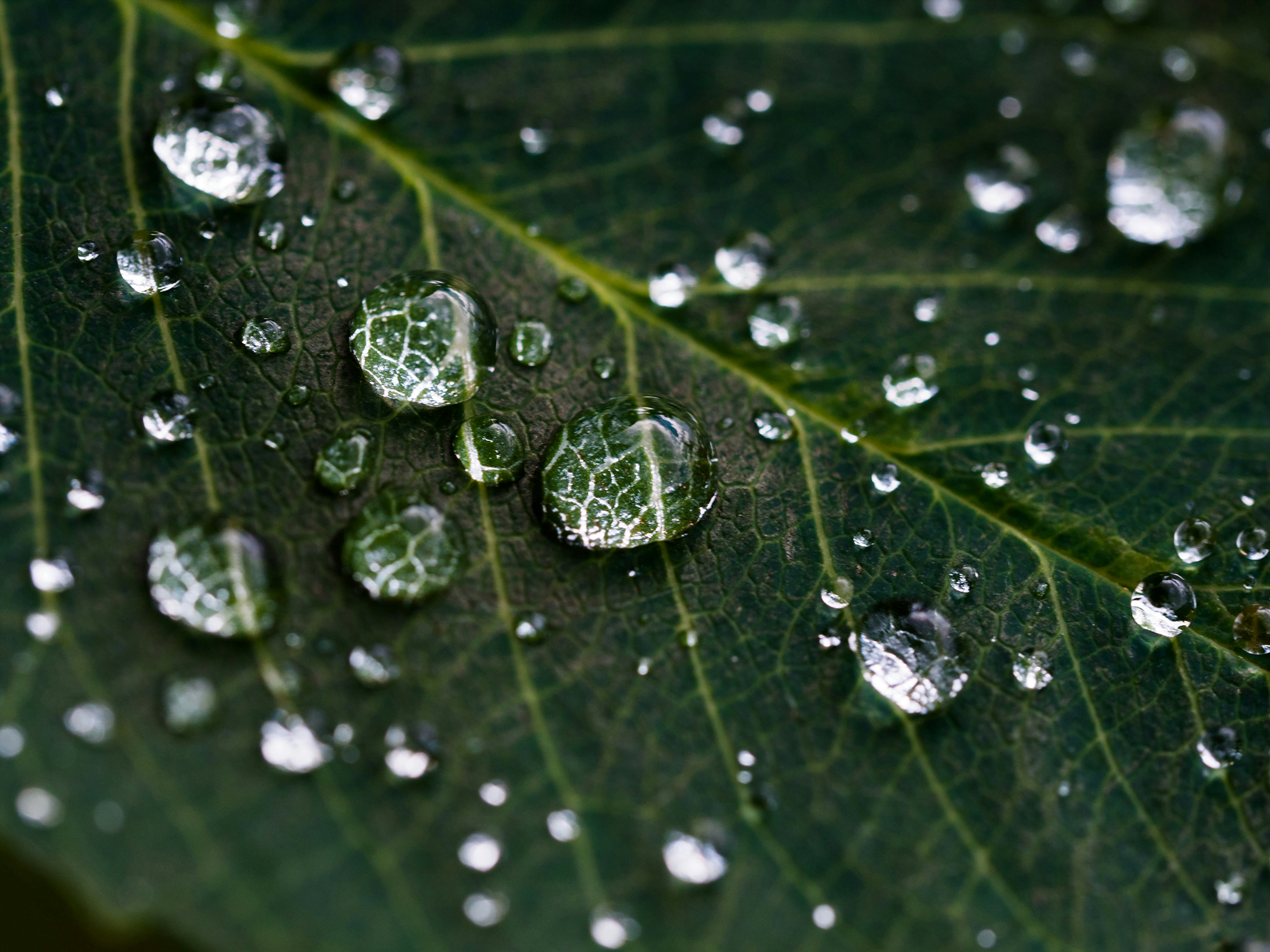
    Rubbing a balloon on your hair can build a significant electrical charge. Water droplets have the same issue when they slide across a hydrophobic, electrically-insulated surface. A new study models why these charges build up and tests the model both experimentally and through simulation. They focused their theory on three effects that determine how much charge builds up. The first is a two-way chemical reaction that continuously creates charge at the interface, with positive charge building in the drop. Secondly, the drop’s contact angle with the surface sets how many protons can build up at the contact line, thereby affecting the electrical field they generate. And, finally, fluid motion at the rear of the drop deflects protons upward, shifting the electrical field. In particular, their model predicts that the higher contact angles of hydrophobic surfaces should increase charge build-up and faster sliding velocities should slow charge build-up, both of which agree with experiments.

    The model should help researchers understand various charging scenarios, like those found on self-cleaning surfaces, in inkjet printing, and in semiconductor manufacturing. In the last scenario, rinsing semiconductor wafers in ultrapure water can build up charges in the kilovolt range, which is enough to damage the product. (Image credit: D. Carlson; research credit: A. Ratschow et al.; via APS Physics)
  • Water Reduces Coffee’s Charge

    Water Reduces Coffee’s Charge

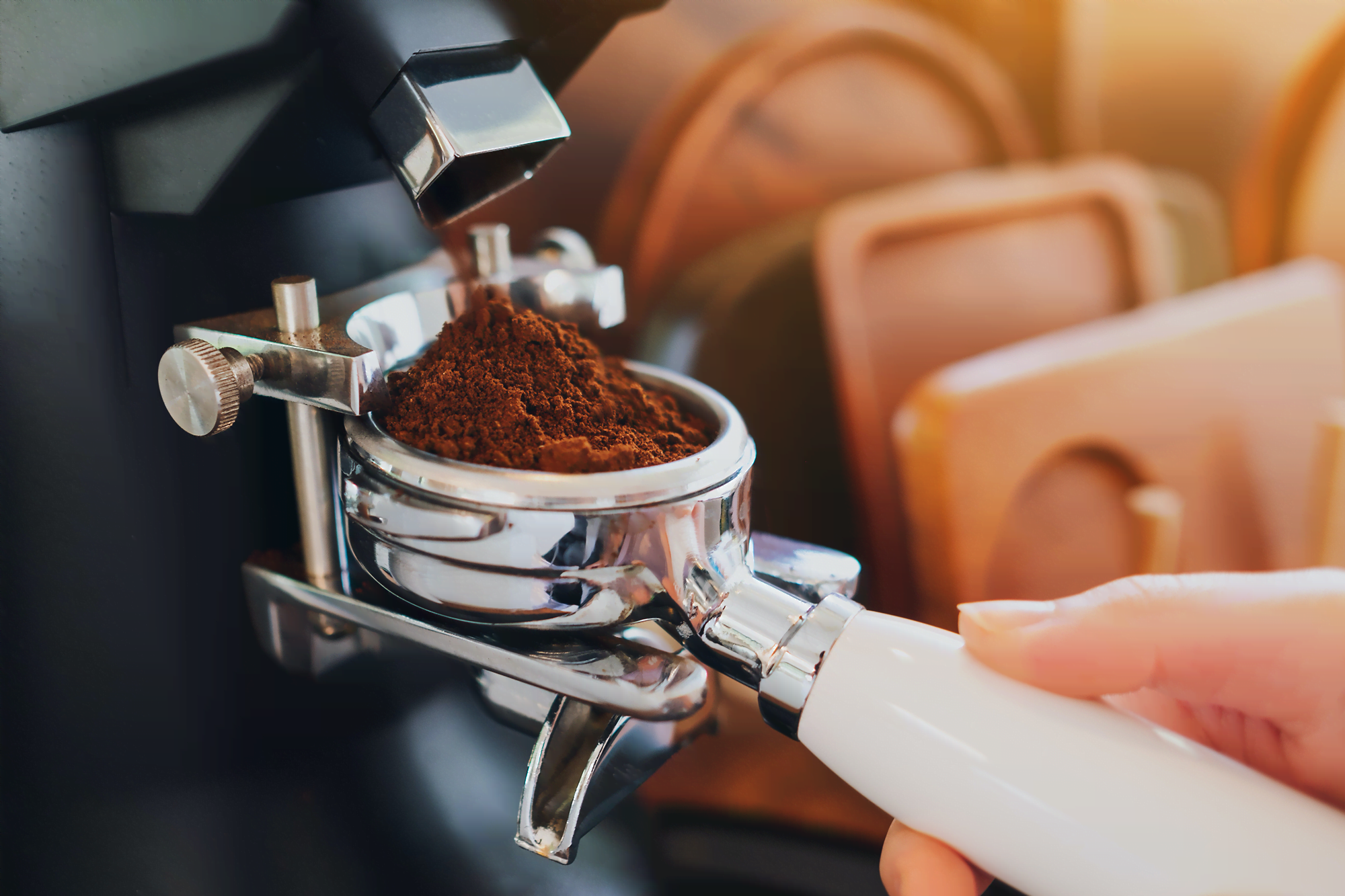
    Grinding coffee beans builds up electrical charge as the beans fracture into smaller and smaller pieces. The polarity of the charge depends on the bean’s moisture content; lighter roasts tend toward a positive charge, and darker roasts skew negative. The finer the grind, the stronger the electrical charge and the greater the problem of clumping grains becomes. Adding a few drops of water to the beans before grinding, researchers found, drastically reduces the electrical charge and clumping. This, the team reports, would let espresso lovers brew a stronger cup with less material. A well-compacted bed of unclumped grains has less void space, which slows down water’s percolation and increases the amount of coffee the water can extract. The authors encourage readers to try adding water in their own home brews, but they caution that coffee mass and grind setting should also be variables in the experiment. (Image credit: N. Van; research credit: J. Harper et al.; via APS Physics)

  • Water Builds Static Charge

    Water Builds Static Charge

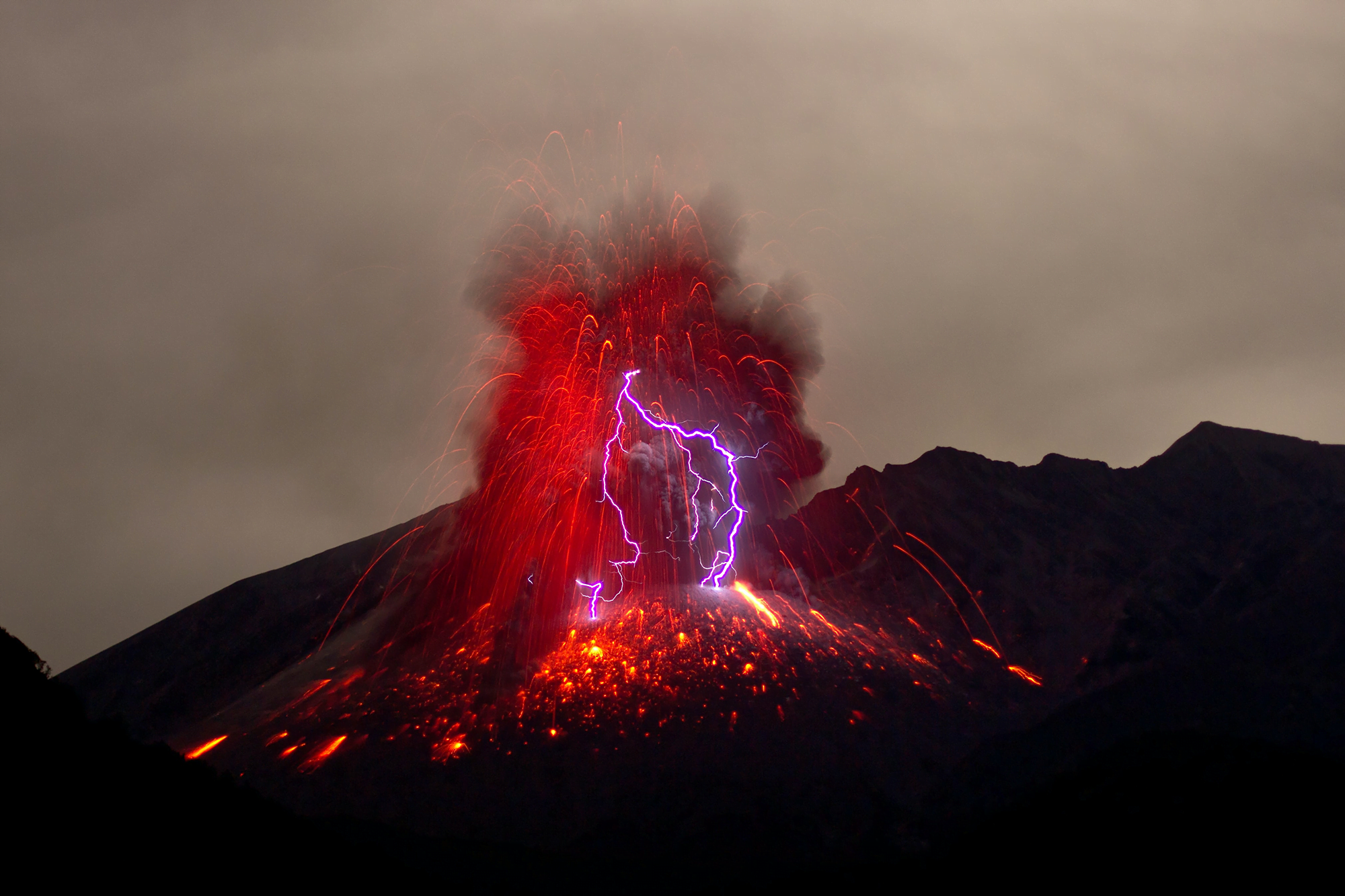
    The ancient Greeks first recognized static electricity, but the mechanisms behind it remain somewhat mysterious. In particular, it’s unclear how two pieces of the same material can build a charge between them simply by touching. Yet we regularly see examples of this when volcanic ash creates enough charge to discharge lightning. A new study sheds light on the question by studying the impact of a single grain of silica on a silica disk.

    The researchers used acoustic levitation to hold their silica particle in place. By turning the acoustic waves off, they could bounce the grain off the disk, then catch the particle again with the acoustic field. After a bounce, they swept an electrical field across the particle and observed its oscillations to determine how much charge the particle held. When necessary, they could also discharge the particle.

    Animation showing three stages of the experiment.
    This animation demonstrates the three phases of an experiment. In the first (left), the acoustic field is shut off, allowing the silica grain to fall and strike the disk. Then the field is turned back on to “catch” the particle. In the second phase (middle), the researchers use a sweeping electrical field to determine the charge built up on the grain. In the third phase (right), they periodically discharge the built-up charge on the particle.

    What they found was that charge on the particle grew with the number of impacts. They also saw that they could reverse the polarity of the charge with careful cleaning and baking of their objects. Their conclusion is that adsorption of water from the surrounding air is what enables the build-up of static charge on identical materials. (Image credit: volcano – M. Szeglat, experiment – G. Grosjean and S. Waitukaitis; research credit: G. Grosjean and S. Waitukaitis; via APS Physics)