Tag: solidification

  • Inside Solidification

    Inside Solidification

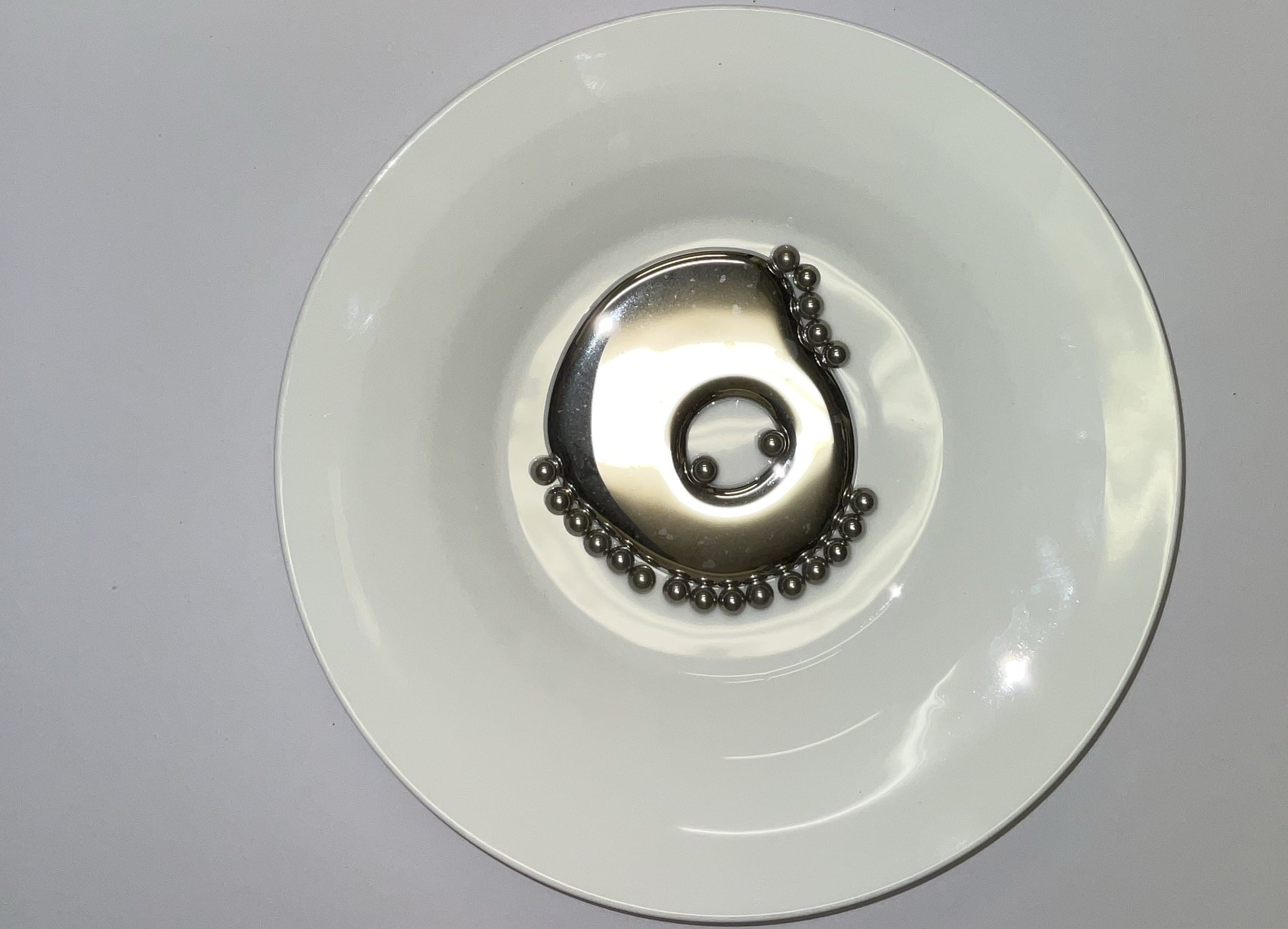
    As children, we’re taught that there are three distinct phases of matter–solid, liquid, and gas–but the reality is somewhat more complicated. In the right–often exotic–conditions, there are far more phases matter takes on. In a recent study, researchers described a metal that sits somewhere between a liquid and a solid.

    In a liquid, atoms are free to move. During solidification, atoms lose this freedom, and their frozen positions relative to one another determine the solid’s properties. Atoms frozen into orderly patterns form crystals, whereas those frozen haphazardly become amorphous solids. In their experiment, researchers instead observed atoms in liquid metal nanoparticles that remained stationary throughout the transition from liquid to solid. The number and position of stationary atoms affected whether the final solid crystallized or not.

    By tracking these stationary atoms and their influence, the team hopes to better control the material properties of the final solidified metal. (Image credit: U. of Nottingham; research credit: C. Leist et al.; via Gizmodo)


    Fediverse Reactions
  • Featured Video Play Icon

    Squishy Actuators

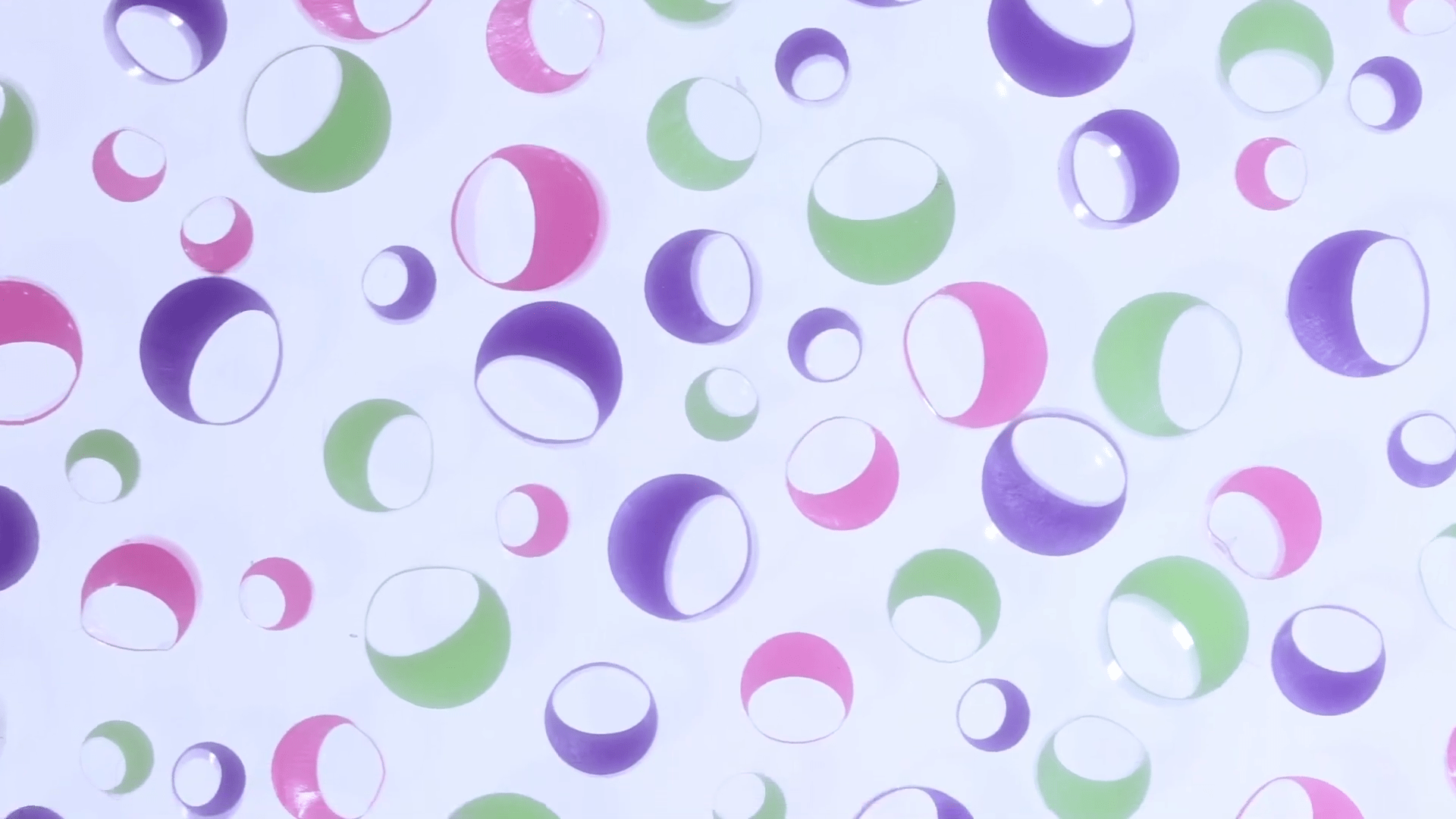
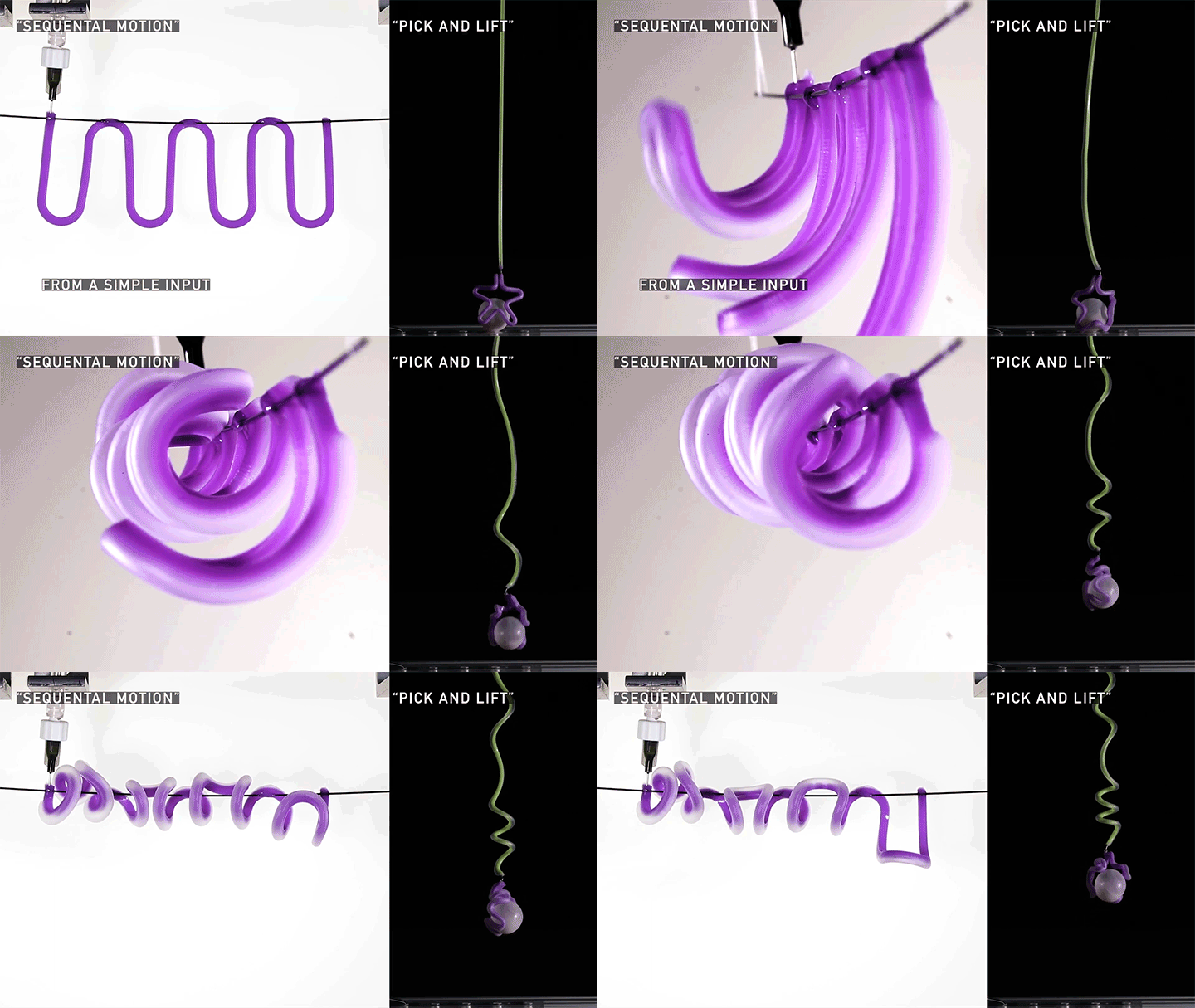
    Hard materials don’t always work well in robotics. Here, researchers build soft actuators that can bend, curl, and tighten in order to manipulate objects. They begin by injecting liquid elastomer into a tube (Image 1), followed by a bubble of air. Buoyancy makes the air bubble rise within the tube, creating an asymmetric cross-section where the solidified elastomer has a thin shell along one side and a thicker wall along the other (Image 2). When high-pressure air is pumped into the soft tubes, their asymmetric cross-section makes them bend and twist (Image 3). The team found that they can tune the elastomer tubes to form complex shapes good for gripping and flexing — perfect for a soft robot! (Video and image credit: T. Jones et al.; research credit: T. Jones et al.)

  • Freezing Splats

    Freezing Splats

    In fluid physics, there’s often a tug of war between different effects. For droplets falling onto a surface colder than their freezing point, the hydrodynamics of impact, sudden heat transfer, and solidification processes all compete to determine how quickly and in what form droplets freeze.

    The images above form a series based on changing the height from which the droplet falls. Each image is divided into two synchronized parts. On the left, we see a visible light, top-down view of the freezing droplet; on the right, we see an infrared view of freezing. As the height of impact increases, the shape of the frozen drop becomes more elaborate, moving from a flat splat with a small conical tip all the way to one with a concentric double-ring in its center. (Image and research credit: M. Hu et al.)

  • Striking Oobleck

    Striking Oobleck

    Mixing cornstarch and water creates a fluid called oobleck that has some pretty bizarre properties. Oobleck is a shear-thickening, non-Newtonian fluid, which means its viscosity increases when you try to deform it with a shearing, or sliding, force. But as the Backyard Scientist demonstrates above, striking oobleck with a solid object produces some spectacular and very non-fluid-like results. The golf ball’s impact blows the oobleck into pieces that look more like solid chunks than liquid droplets. This solid-like behavior occurs because the impact jams the suspended cornstarch particles together, creating a solidification front that travels ahead of the golf ball. Imagine how a snow plow pushes a denser region of snow ahead of it as it drives; the cornstarch behaves similarly but only in a region near the impact. Once that impact force dissipates, the particles unjam and the mixture responds fluidly again. (Image credit: The Backyard Scientist, source; research credit: S. Waitukaitis and H. Jaeger, pdf)