Tag: porosity

  • Dandelion Flight, Continued

    Dandelion Flight, Continued

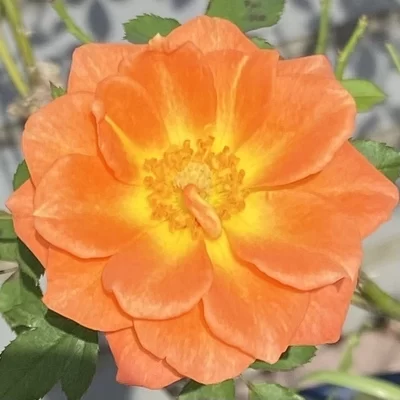
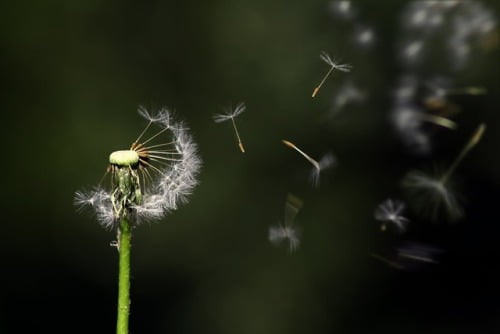
    Not long ago, we learned for the first time that dandelion seeds fly thanks to a stable separated vortex ring that sits behind their bristly pappus. Building on that work, researchers have now published a mathematical analysis of flow around a simplified dandelion pappus. Despite their simplifications, the model captures the flow observed in the previous experiments (bottom image: experiments on left; model on right). 

    The model also allowed researchers to test various features – like the number of filaments in the pappus – and see how they affected the flow. Interestingly, they found that dandelion flight was most stable with about 100 filaments, which is right around the number of a typical pappus! (Image credits: dandelion – Pixabay, figure – P. Ledda et al.; research credit: P. Ledda et al.; via APS Physics; submitted by Kam-Yung Soh and Marc A.)

  • Featured Video Play Icon

    Plant Week: Dandelions in Flight

    To kick off Plant Week here on FYFD, we’re taking a closer look at that ubiquitous flower: the dandelion. Love ‘em or hate ‘em, these little guys manage to get just about everywhere, thanks in part to their amazing ability to stay windborne for up to 150 km! To do that, the dandelion uses a bristly umbrella of tiny filaments, known as a pappus, that can generate more than four times the drag per area of a solid disk. Its porosity – all that empty space between the filaments – is also key to its stability; it helps create and stabilize a separated vortex ring that the seed uses to stay aloft. Check out the full video below! (Image and video credit: N. Sharp)

  • Ricequakes

    Ricequakes

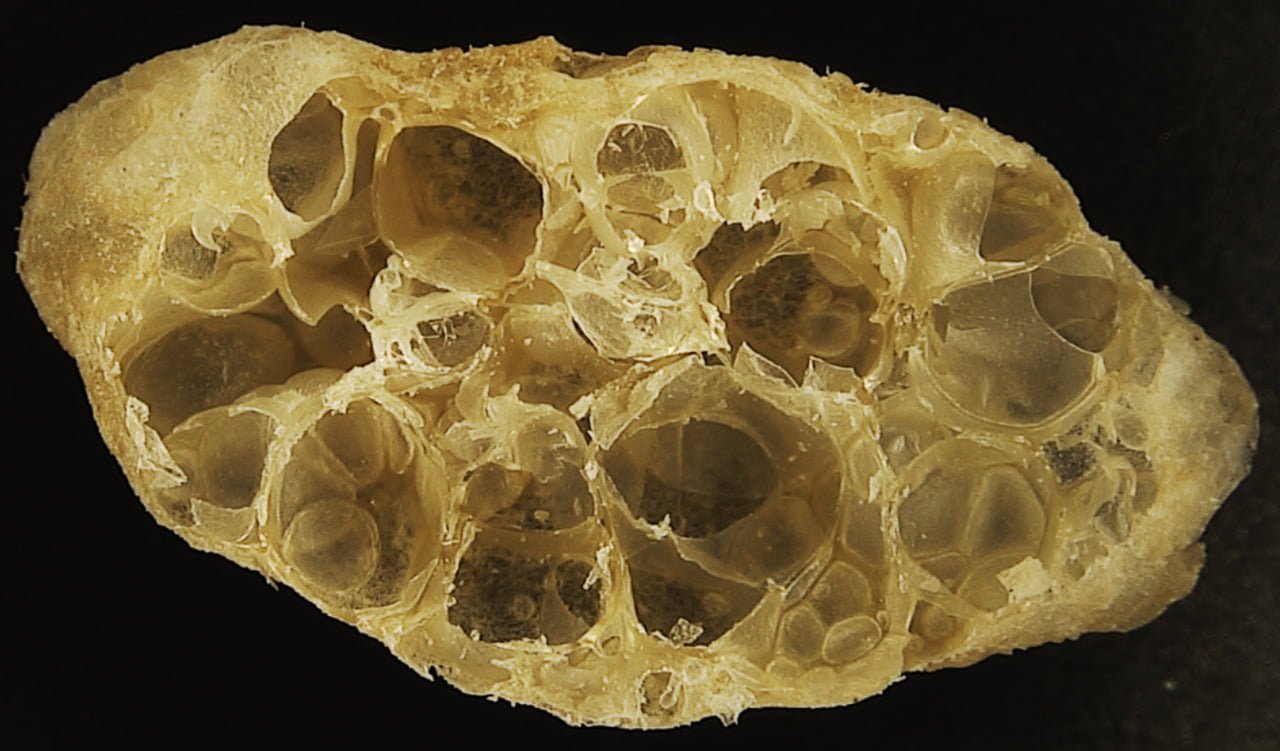
    Rockfill dams, sinkholes, ice shelves, and other geological features often consist of brittle, porous materials that are partially submerged. Over time, pressure and chemical reactions with the fluid around them can cause these structures to collapse, but it can take many, many years. 

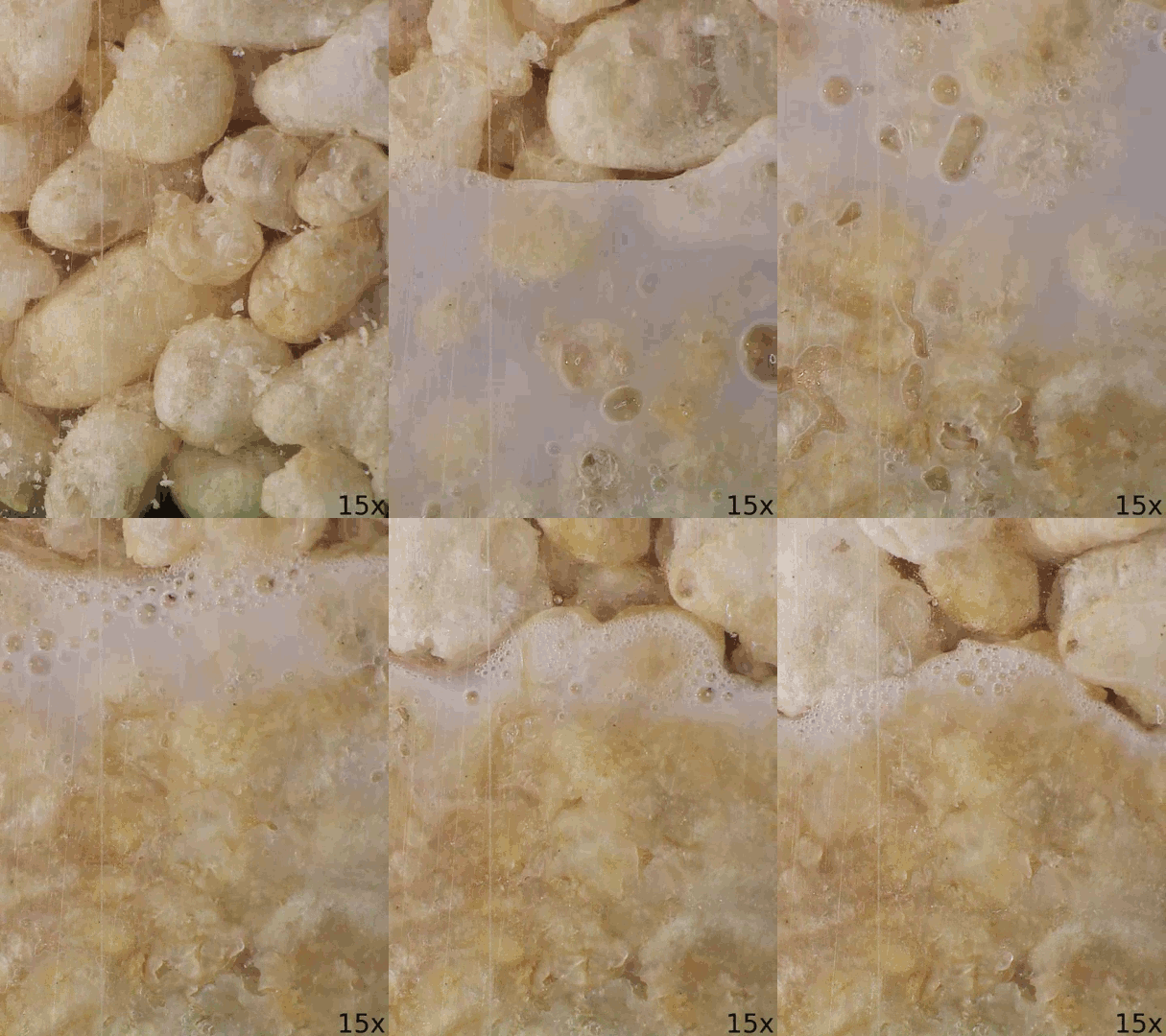
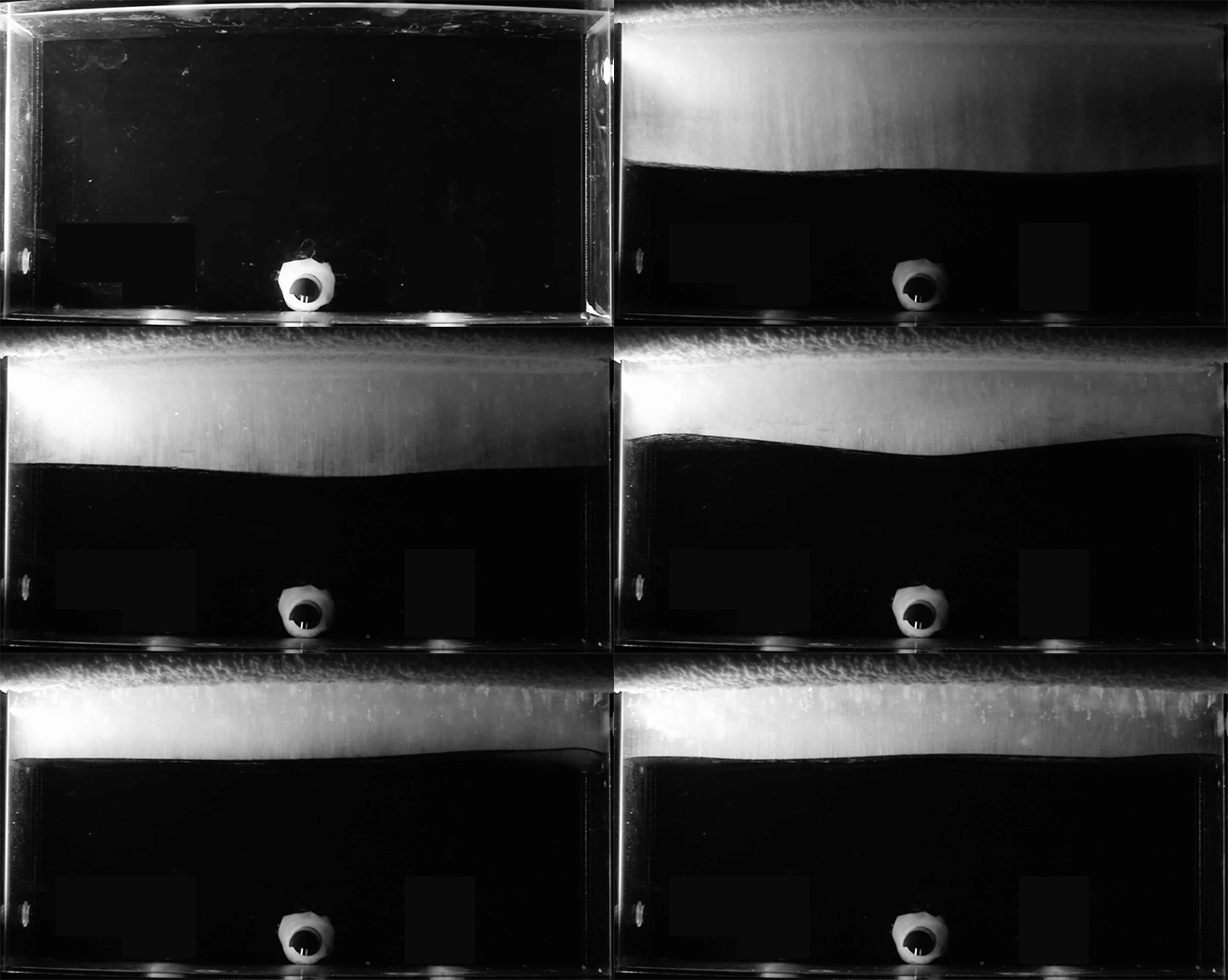
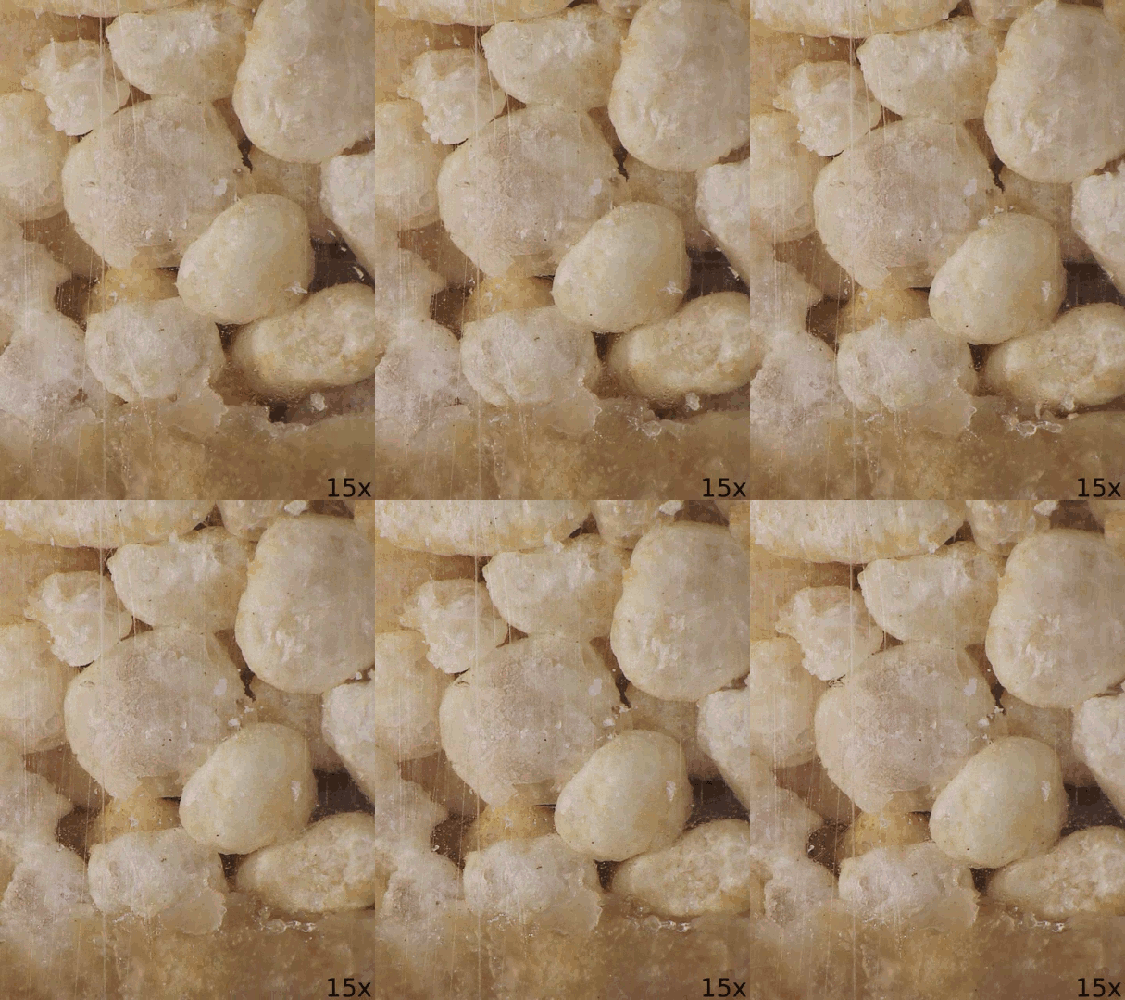
    To study the physics behind this, researchers have turned to a new model: puffed rice cereal. Like their counterparts in nature, puffed rice grains contain micropores that slowly soften and get crushed after being wetted. Researchers filled their test container with puffed rice and put it under pressure to give the whole stack a constant stress. Then they injected milk in the bottom section of the container. After an immediate collapse in the wet material (lower left), the remaining grains collapsed slowly in a series of “ricequakes”. 

    As the micropores compacted, the cereal let out audible cracks that corresponded with the motion of a crushing wavefront (lower right). The time between ricequakes increased linearly and depended on pore size. The relationship was so consistent, researchers found, that they could predict how long the puffed rice stack had been wet simply by listening to the time between crackles! Experiments like these offer scientists an exciting chance to understand geological physics that would otherwise take up to millions of years to observe. (Image and research credit: I. Einav and F. Guillard; via Physics World; submitted by Kam-Yung Soh)

  • Featured Video Play Icon

    How Rain Gets Its Smell

    Light rain after a dry spell often produces a distinctive earthy scent called petrichor that is associated with plant oils and bacteria products. How these chemicals get into the air has been unclear, but new research suggests that the mechanism may come from the rain itself. When water falls on a porous surface like soil, tiny air bubbles get trapped beneath the drop. These bubbles rise rapidly due to buoyancy and, upon reaching the surface, burst and release tiny droplets known as aerosols. Depending on the surface properties and the drop’s impact speed, a single drop can produce a cloud of aerosol droplets. The research team is now investigating how readily bacteria or pathogens in the soil can spread through this mechanism. Other human-focused research has already shown that these tiny aerosol droplets can persist in the air for remarkably long periods and may help spread diseases. (Video credit: Massachusetts Institute of Technology; research credit: Y. Joung and C. Buie; submitted by Daniel B and entropy-perturbation)
  • The Silence of Owls

    The Silence of Owls

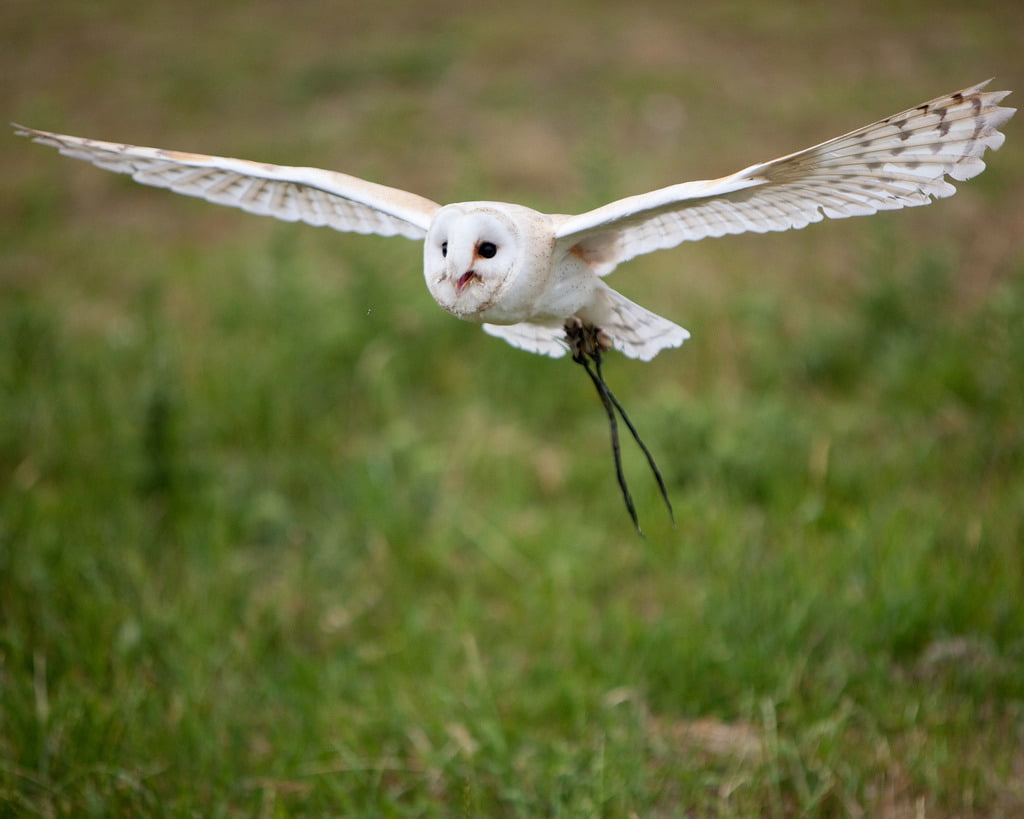
    Owls are nearly silent hunters, able to swoop down on their prey without the rush of air over their wings giving away their approach, thanks to several key features of their feathers. The trailing edge of their feathers–or any lifting body, like an airplane wing–are a particular source of acoustic noise due to the interaction of turbulence near the surface with the edge. Since owls are especially good at eliminating self-produced noise in a frequency range that overlaps human hearing, investigators want to learn what works for owls and apply to it aircraft. A recent theoretical analysis uses a simplified model of the feather as a porous, elastic plate. The researchers found that the combination of porosity with the elasticity of the trailing edge significantly reduced noise relative to a rigid edge. (Photo credit: N. Jewell; research credit: J. Jaworski and N. Peake)