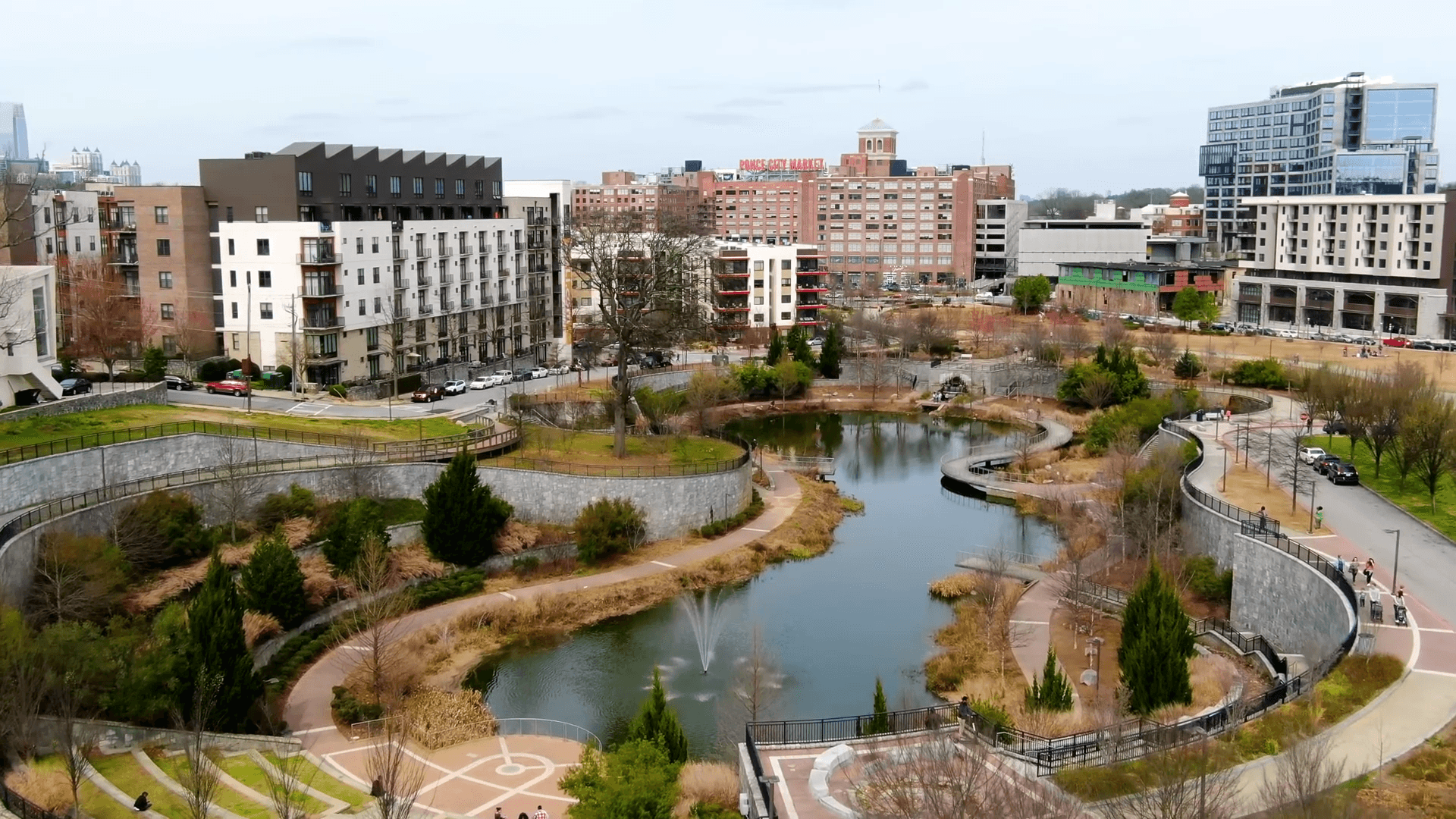
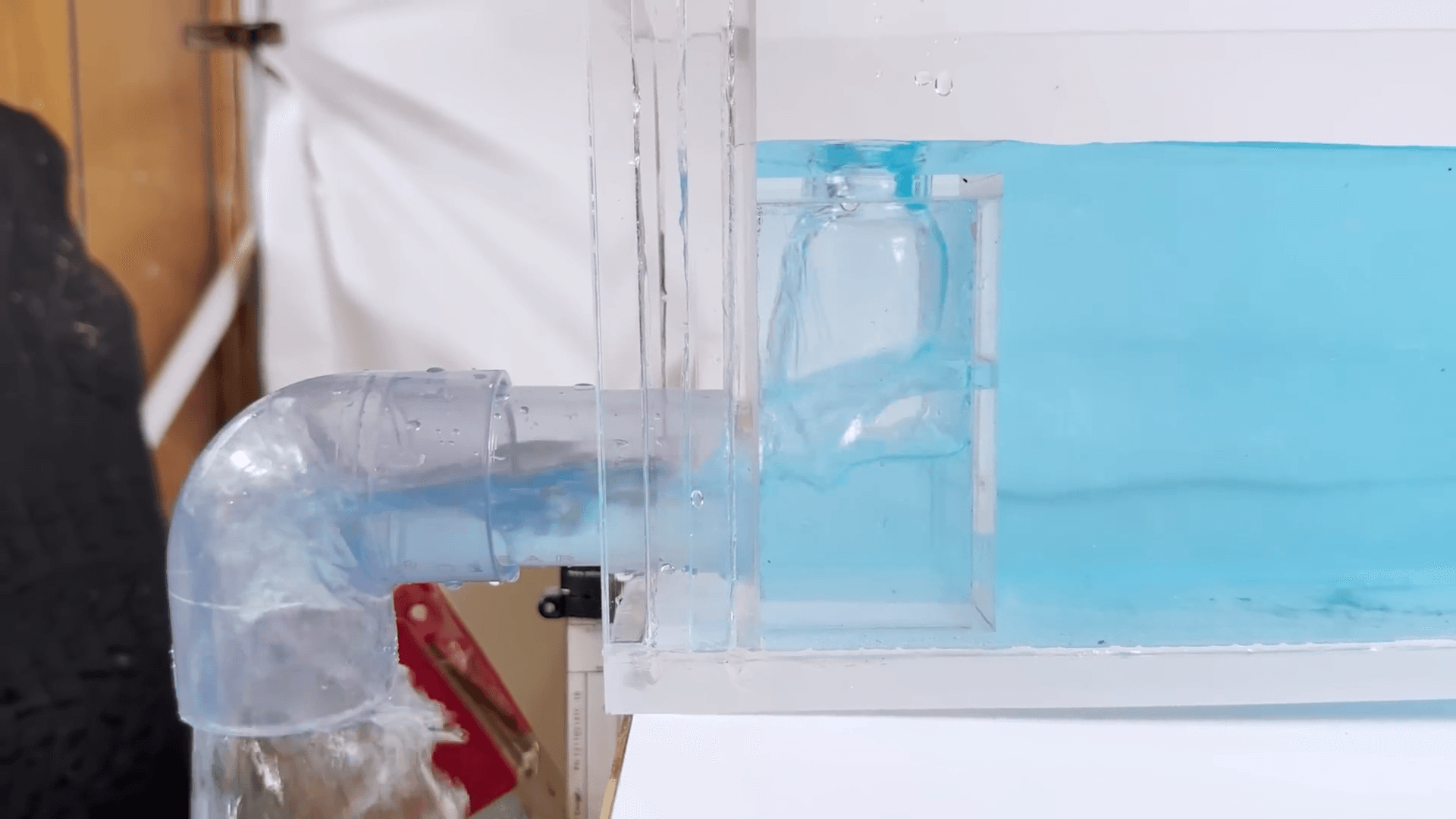
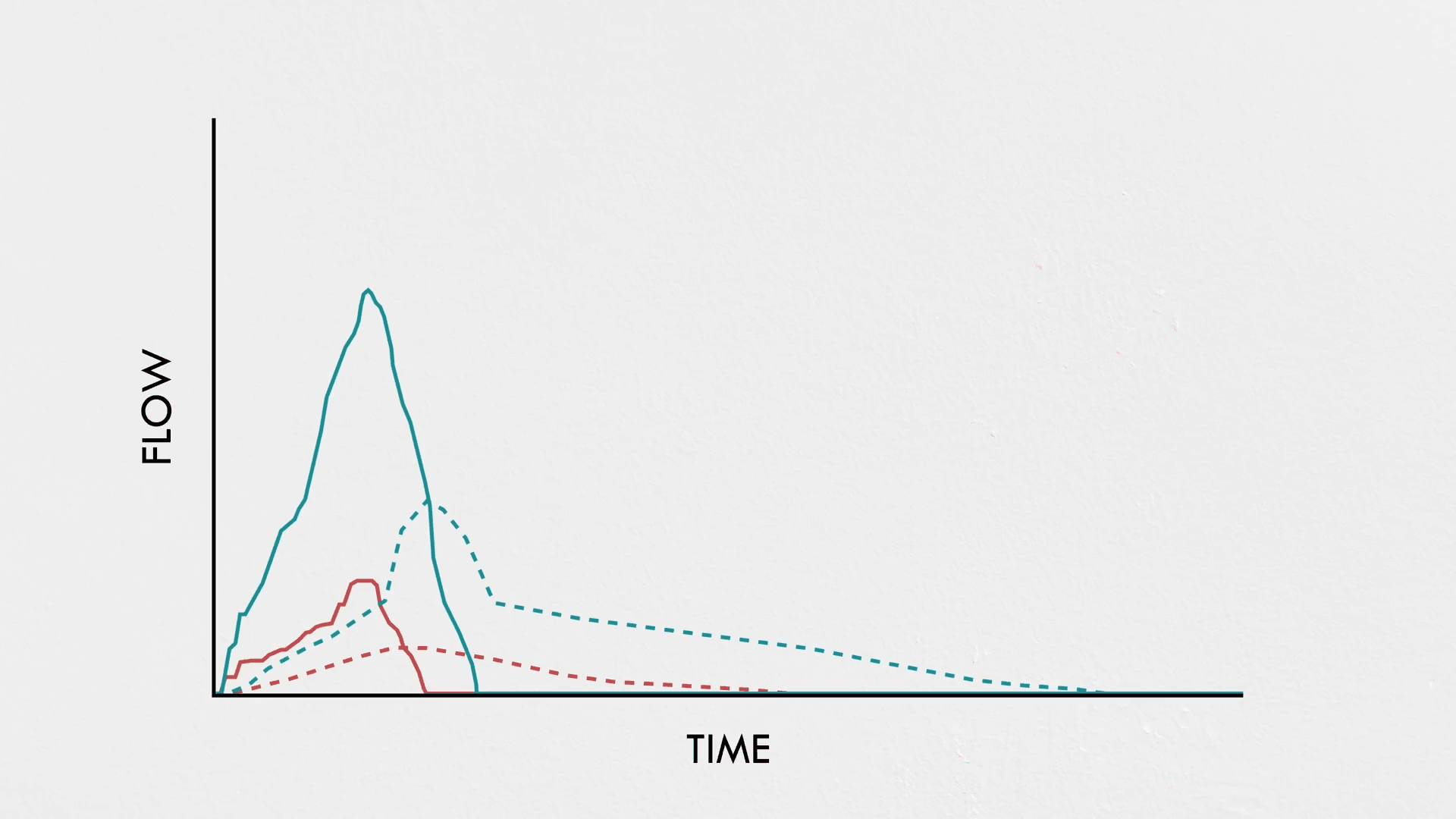
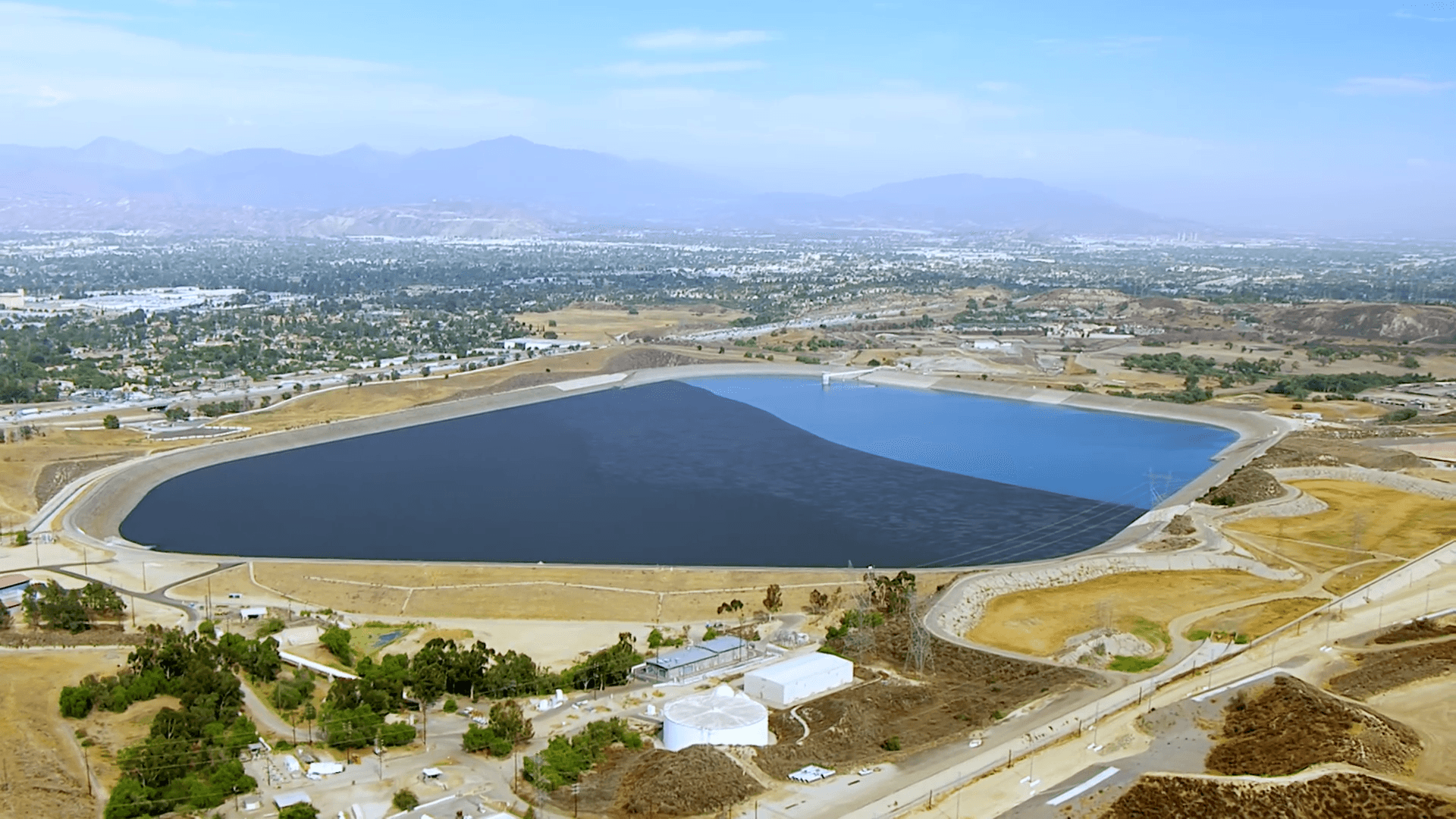
Urban environments are full of impermeable surfaces. Without enough soil for stormwater to soak into, rain turns into run-off, carrying with it all the dirt, oil, and pollutants it picks up. To keep the run-off from turning into a flood, developers often use retention and detention ponds to collect and slowly release stormwater–sometimes with added measures to filter sediment and pollutants first. In this Practical Engineering video, Grady walks us through the logic of these artificial ponds and a few of the many ways they work. (Video and image credit: Practical Engineering)
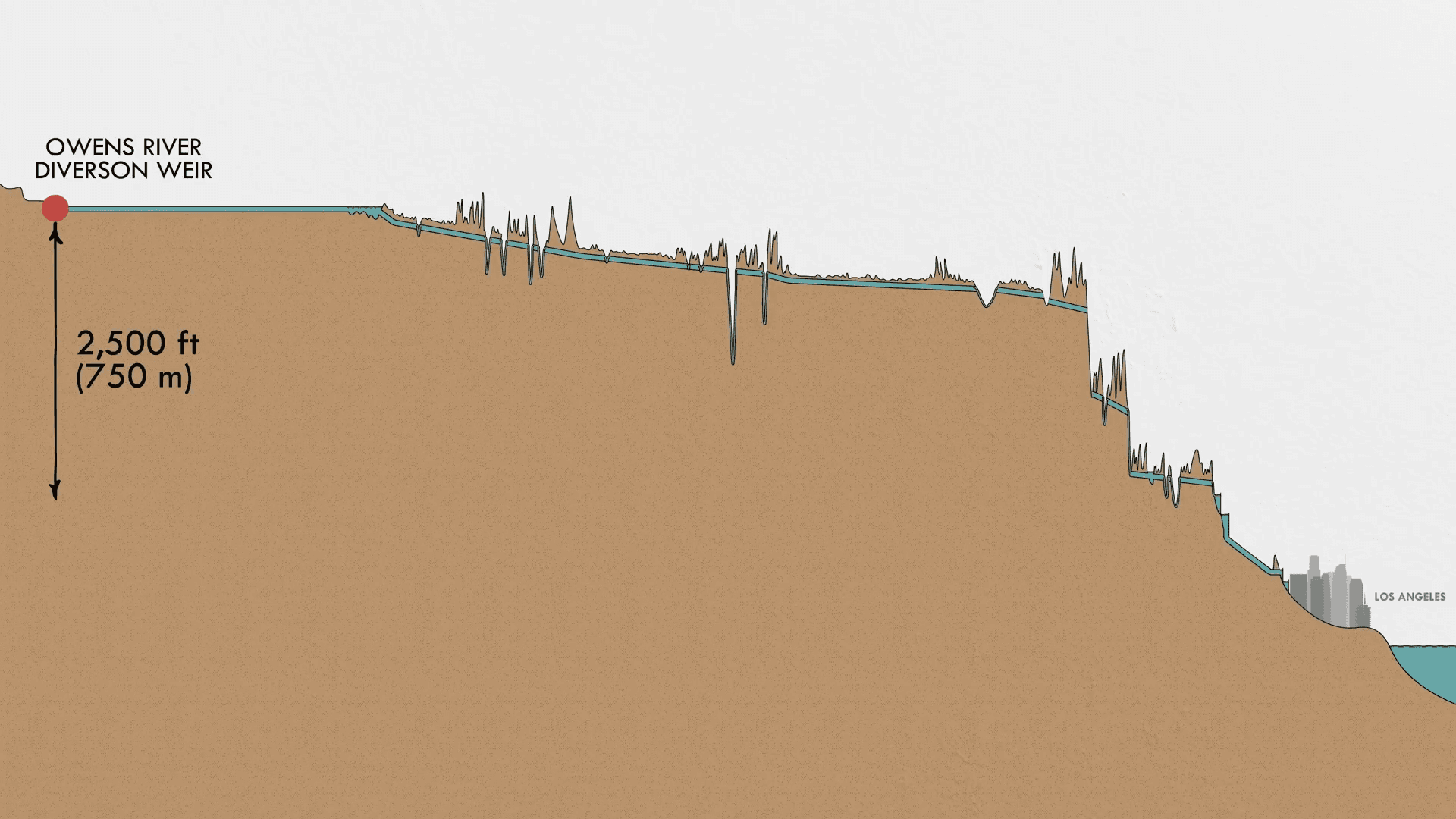
In the early twentieth century, Los Angeles had capital and political willpower, but not water. So it built an engineering marvel, the LA Aquaduct, to guide water from the Sierra Nevadas down to the growing city. Grady gets into the literal (and figurative) ups and downs of the project in this Practical Engineering video.
Although the engineering prowess of the aquaduct system is impressive, as Grady points out, the LA Aquaduct’s story is much more complicated than the engineering needed to move water between two points. It’s a story where greed, corruption, politics, cultural impact, environment effects, and climate change all intersect. (Video and image credit: Practical Engineering)
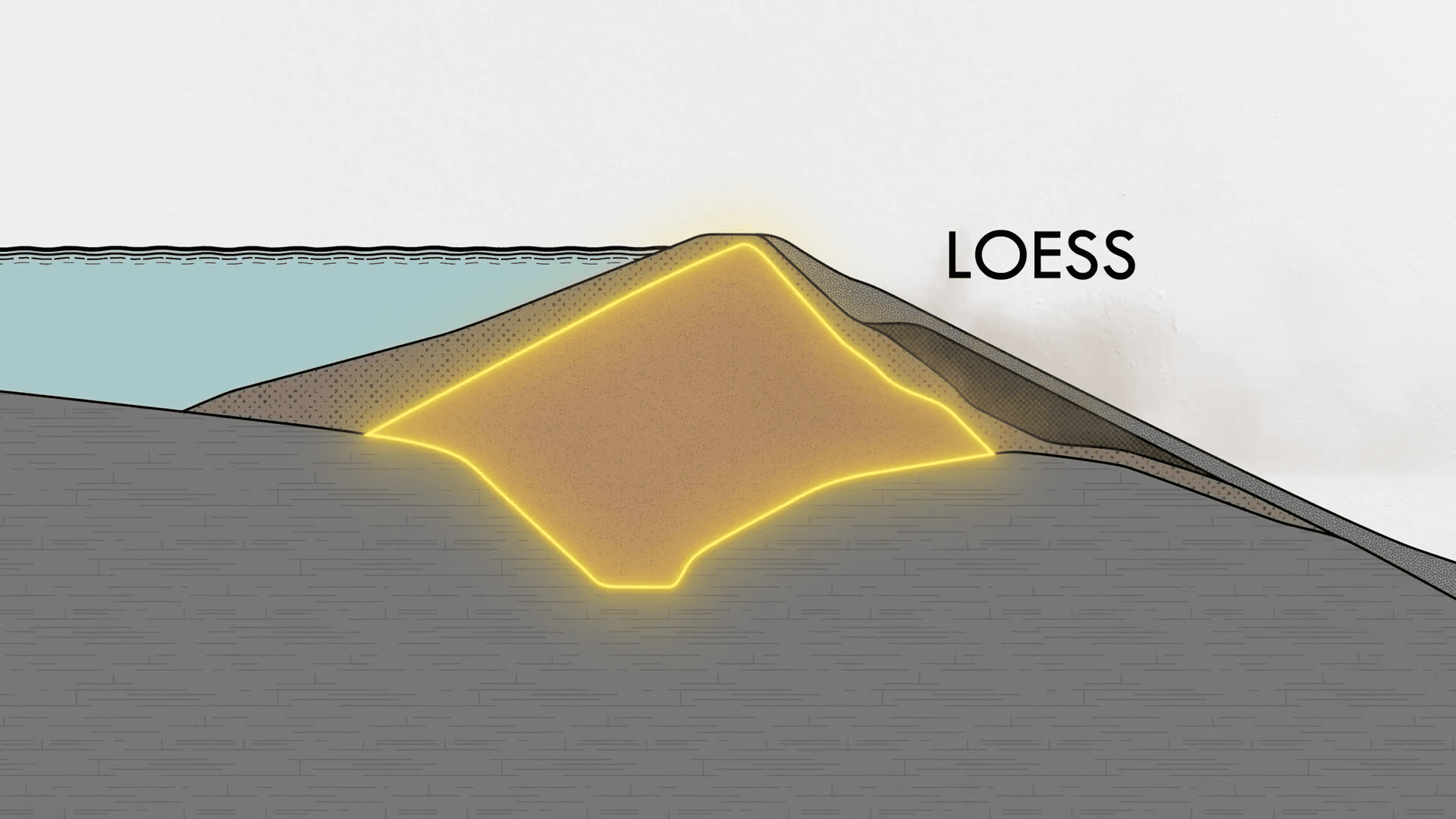
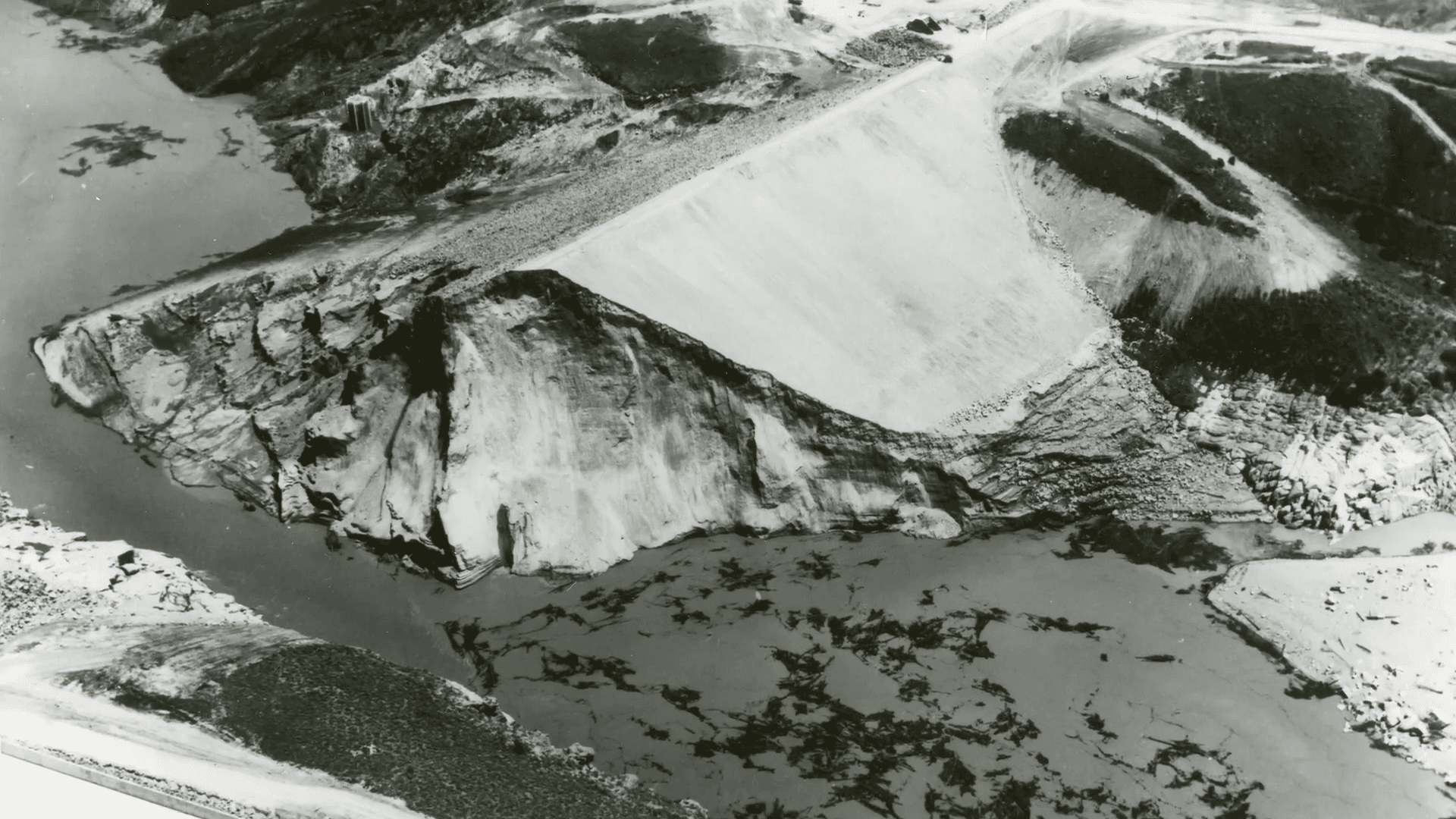
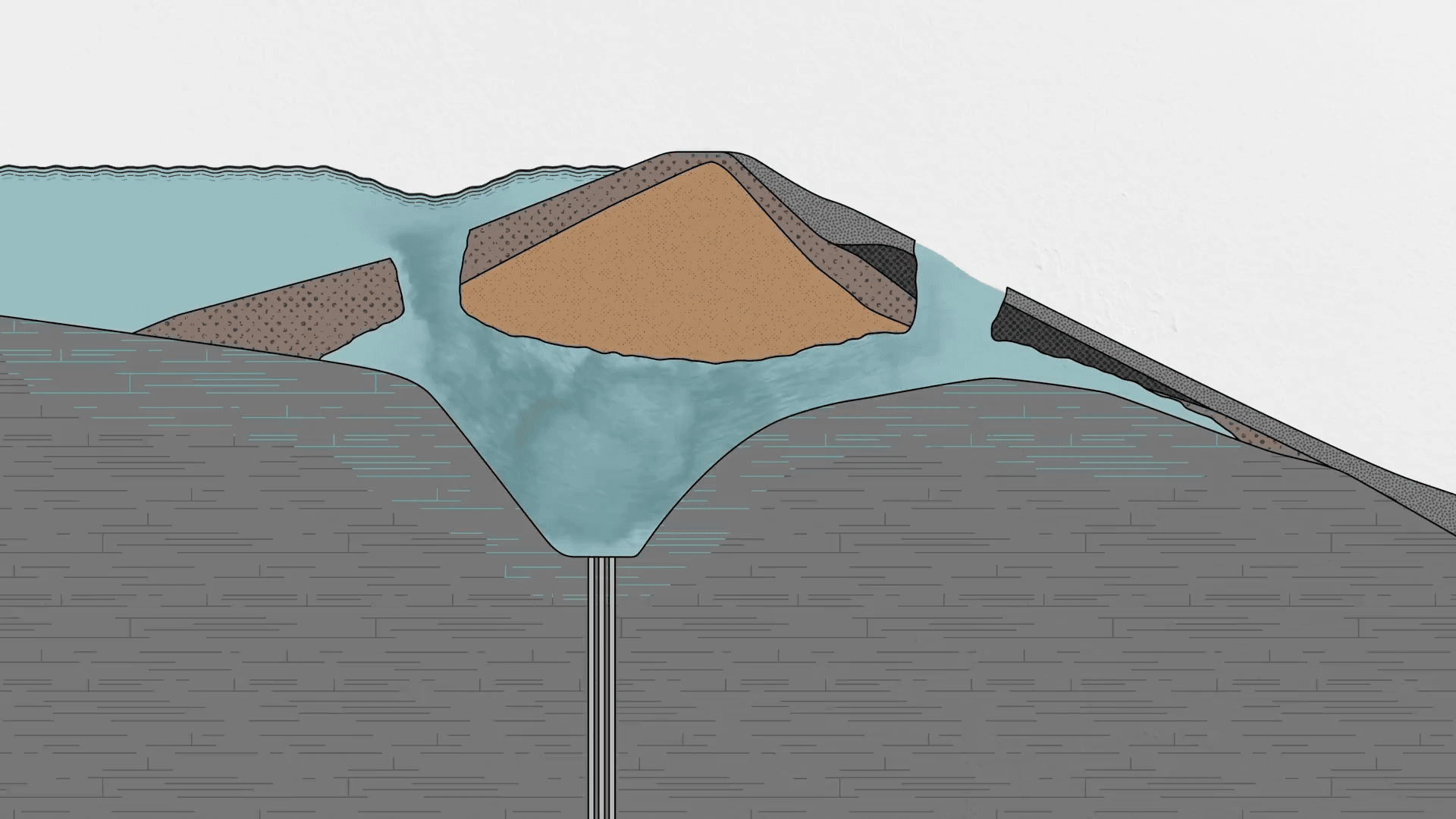
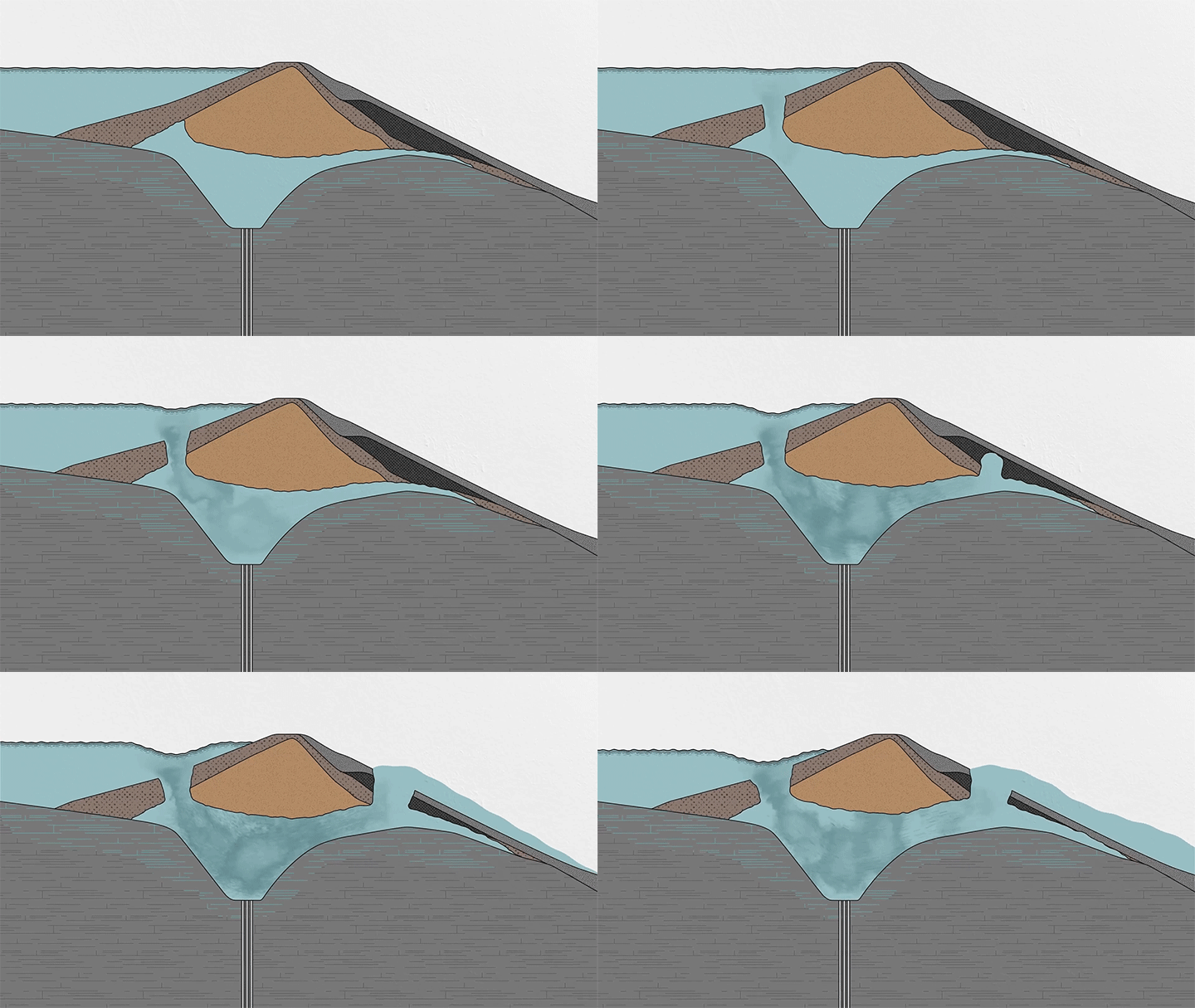
Engineering failures always leave us with lessons learned. The failure of Teton Dam in 1976 triggered an overhaul in how we manage dam construction and regulation. As Grady describes in this Practical Engineering video, the earthen dam was built with fundamental flaws that allowed water to carve pathways beneath and through the sediment meant to hold it. Although the dam cost $100 million to build, its failure cost the federal government over three times that in claims. (Video and image credit: Practical Engineering)
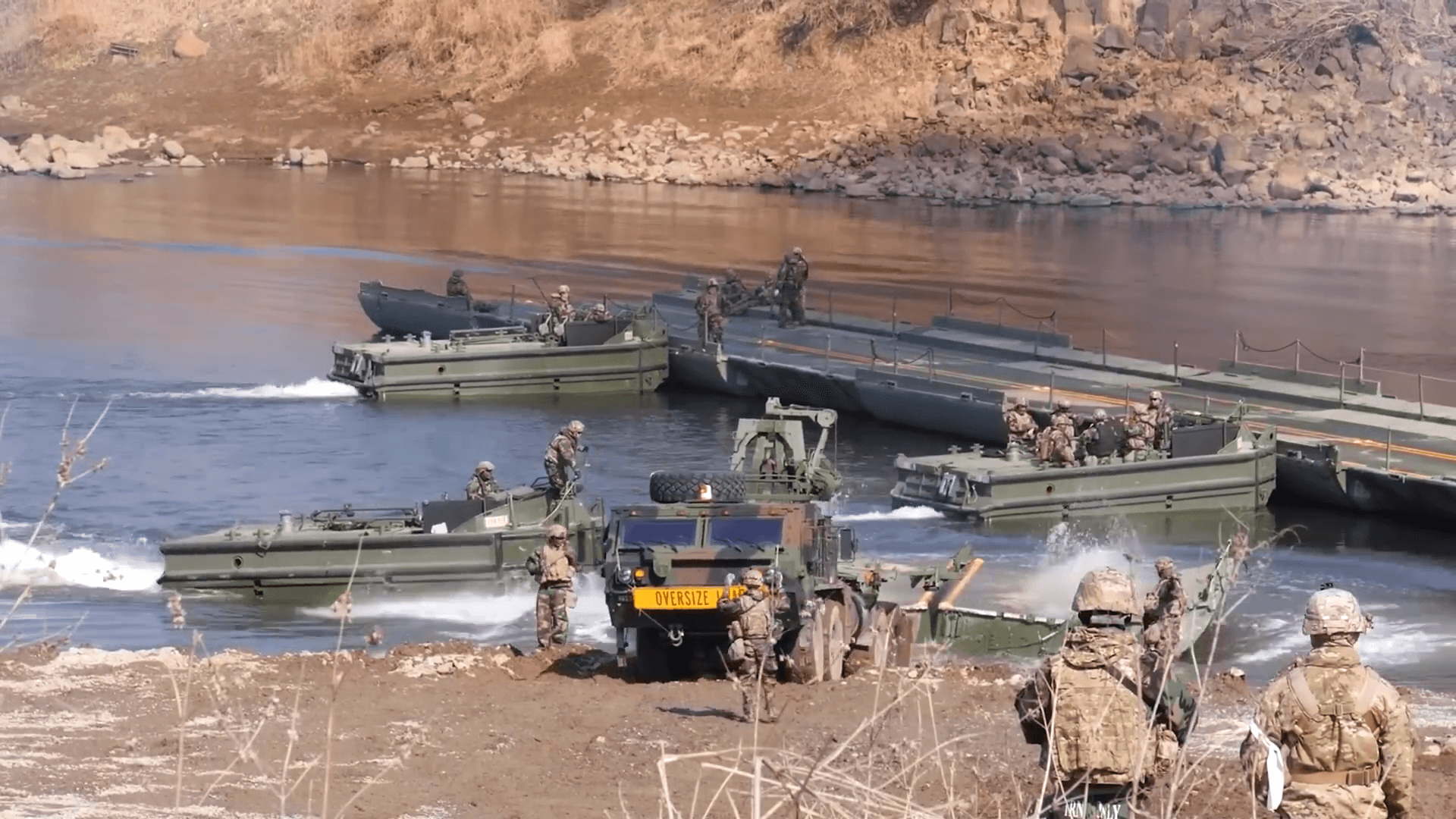
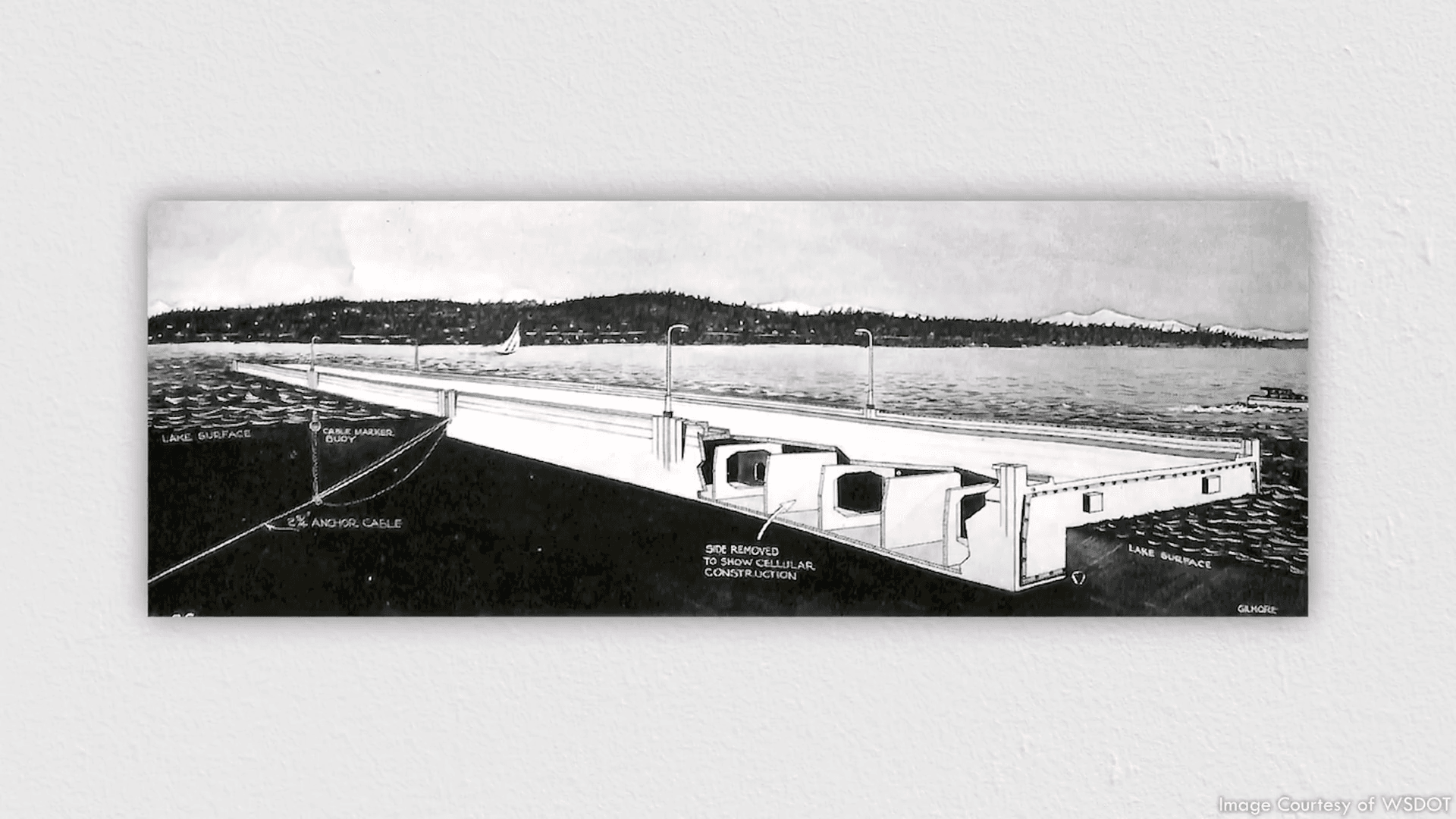
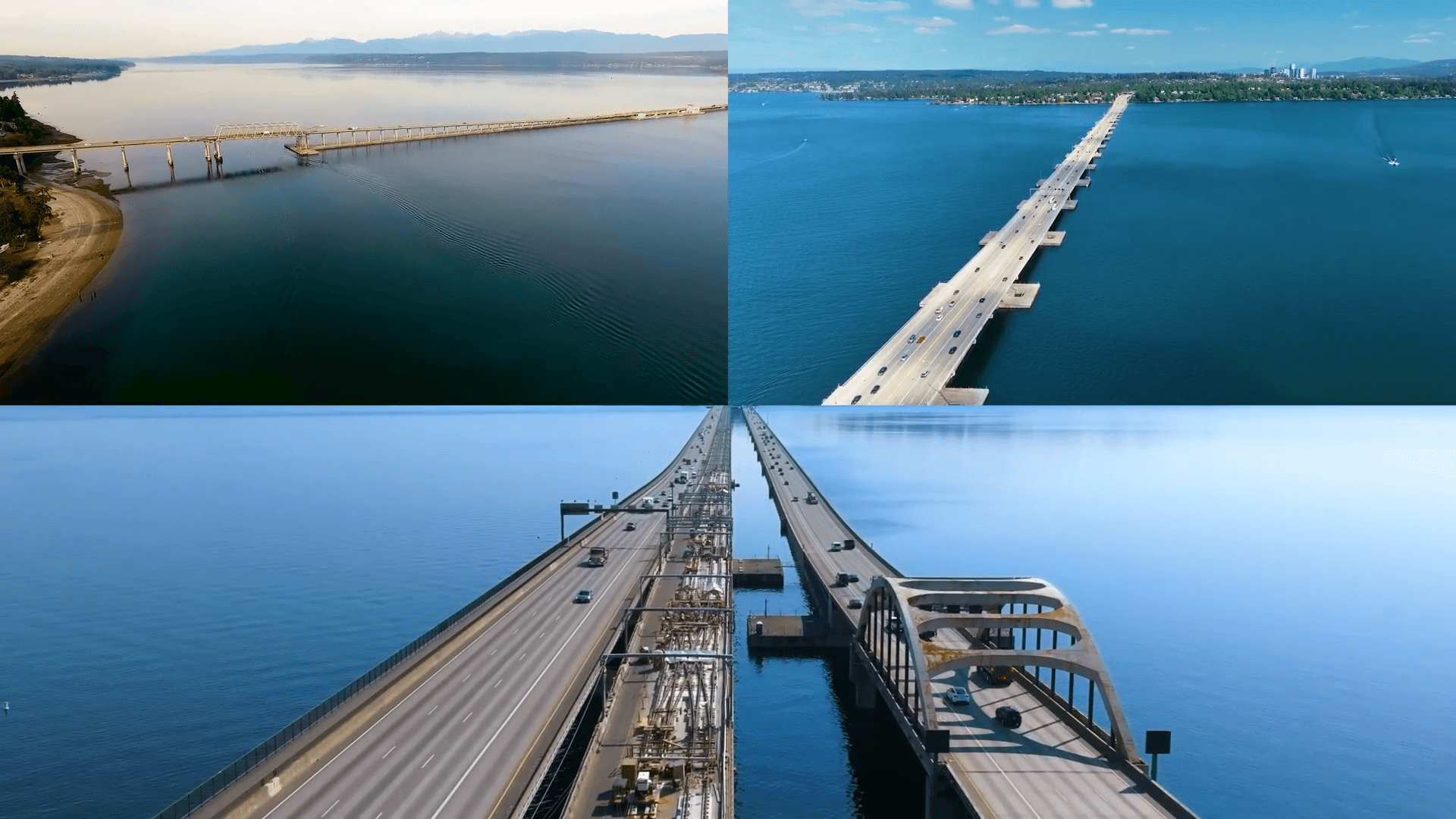
For most of history, floating bridges have been temporary structures, often used by militaries crossing water, but over the course of the twentieth century, engineers learned to build more permanent floating bridges. These structures require very particular conditions–calm waters, minimal ice, and so on–but they can be great options for crossing lakes where the traditional anchoring options for a bridge just don’t exist. In this Practical Engineering video, Grady discusses some of the challenges and innovations of these unusual bridges. (Video and image credit: Practical Engineering)
In our industrialized society, pollutants are, to an extent, unavoidable. Even with technologies to drastically reduce the amount of pollutants leaving a factory or plant, some will still get released. It’s up to engineers to make sure that those released spread out enough that their overall concentration does not pose a risk to public health. In this Practical Engineering video, Grady explains some of the physics and engineering considerations that go into this task.
As he demonstrates, taller smokestacks speed up the buoyant exhaust plume (to an extent), which exposes the plume to higher winds, greater turbulence, and, thus, quicker dispersal. But atmospheric conditions and even nearby buildings all affect how a plume spreads. (Image and video credit: Practical Engineering)
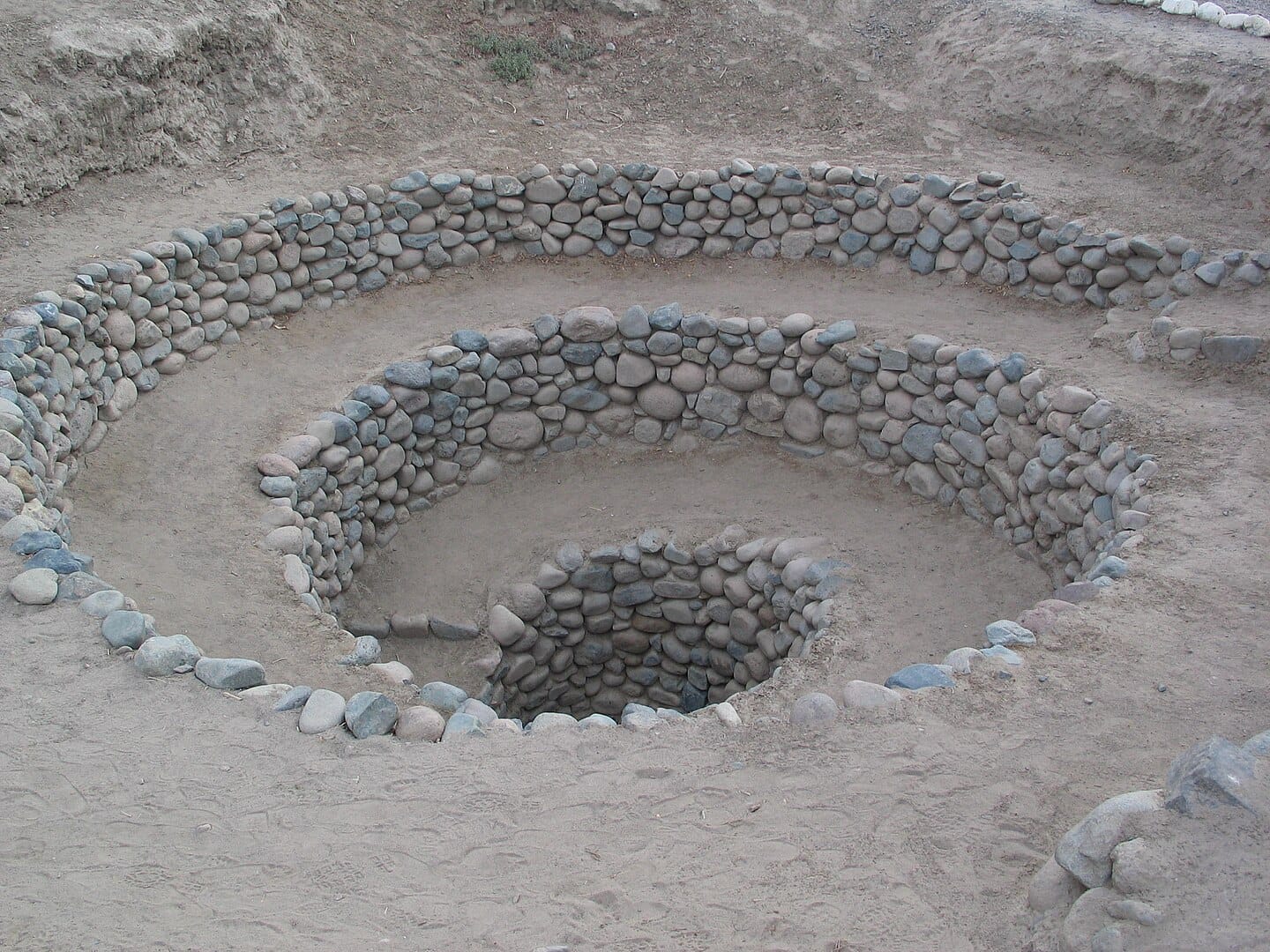
The arid Nazca region of Peru is dotted with spiral-shaped indentations, part of an irrigation system that helped indigenous civilizations thrive here before European contact. Although the region’s rainfall varies year-to-year, it never amounts to much. So pre-Columbian Nazcans turned instead to underground aquifers to gather and transport water.
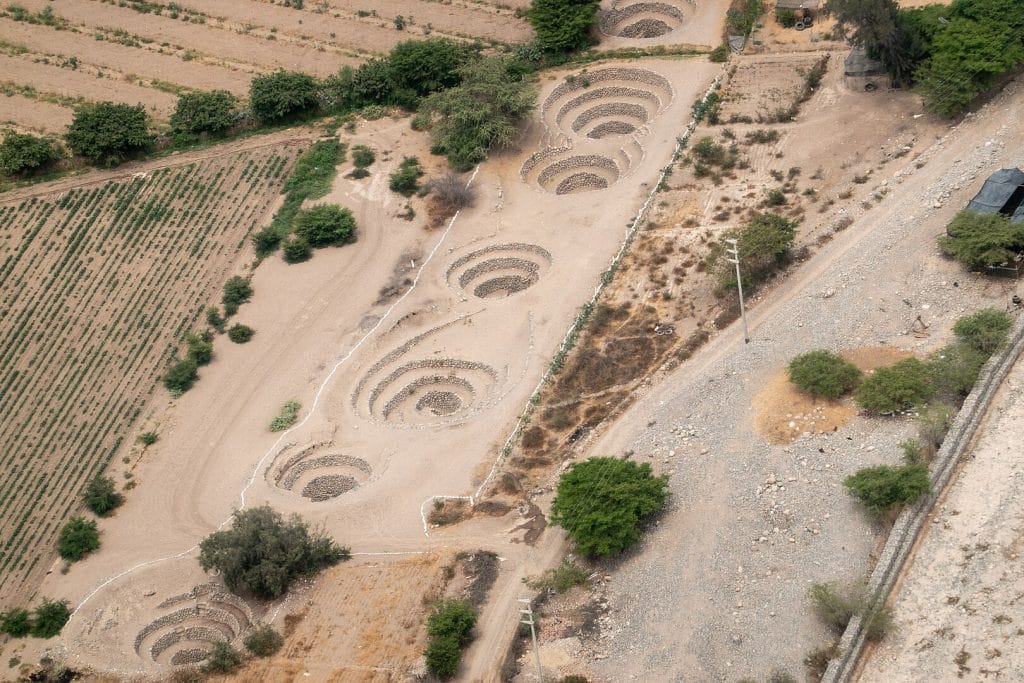
An aerial view of several puquois chimneys near Nazca, Peru.
Aquifers in the region slope downward, following the local geology. Puquios builders began by digging a preliminary well in the highlands, tunneling down until they reached the aquifer. Then they built a horizontal tunnel underground, sloping gently downward, toward the location where water was needed. Along that roughly horizontal tunnel, they built additional chimneys, the spiraling mouths of which are seen above. These chimneys are thought to serve multiple purposes. They provide maintenance access to the aqueduct tunnel, and their shape may help funnel wind underground to oxygenate the water and help keep it flowing. Eventually, the underground tunnel would exit into an open trench and a reservoir, providing year-round water for irrigation and personal use.
Although the puquios cannot themselves be dated through usual archaeological means, the current consensus is that they originate from around 500 C.E., with subsequent modifications by both indigenous and colonial inhabitants. Impressively, several dozen puquios are still providing water today. (Image credits: Ab5602/Wikimedia, PsamatheM/Wikimedia, and R. Lasaponara et al.; research credit: R. Lasaponara et al.; via Eleanor K.)
As regions are stressed by severe drought, communities considering how to stretch their water supply increasingly turn to the option of reclaiming wastewater. As Grady explains in this video, that idea faces both technological and psychological challenges. But neither, it turns out, is insurmountable. (Video and image credit: Practical Engineering)
Sand is a critical component of many built environments. As most of us learn (via sand castle), adding just the right amount of water allows sand to be quite strong. But with too little water — or too much — sand is prone to collapse. For those of us outside the construction industry, we’re most likely to run into this problem on the beach while digging holes in the sand. In this Practical Engineering video, Grady explains the forces that stabilize and destabilize piled sand and where the dangers of excavation lie. (Video and image credit: Practical Engineering)
The Netherlands have a long history of extraordinary public works when it comes to water management. With much of the country’s land lying at or below sea level, massive civil engineering infrastructure is a necessity. In this Practical Engineering video, Grady takes us on a tour of Dutch water works, from the centuries-old techniques that allowed farmers to claim arable land from marshes to the unbelievably massive structures that protect the Dutch coastline from flooding and storm surges.
For the Dutch, these projects, expensive as they are to build and maintain, are cheaper than the cost of inaction, as numerous devastating floods of the past have taught them. Although the goals are often the same — shortening the coastline, protecting land and people — the techniques are constantly evolving, especially as ecological needs of non-human species are taken into account. (Video and image credit: Practical Engineering)
Power plants (and other industrial settings) often need to cool water to control plant temperatures. This usually requires cooling towers like the iconic curved towers seen at nuclear power plants. Towers like these use little to no moving parts — instead relying cleverly on heat transfer, buoyancy, and thermodynamics — to move and cool massive amounts of water. Grady breaks them down in terms of operation, structural engineering, and fluid/thermal dynamics in this Practical Engineering video. Grady’s videos are always great, but I especially love how this one tackles a highly visible piece of infrastructure from multiple engineering perspectives. (Video and image credit: Practical Engineering)