Tag: experimental fluid dynamics

  • Tokyo 2020: Kasai Canoe Slalom Course

    Tokyo 2020: Kasai Canoe Slalom Course

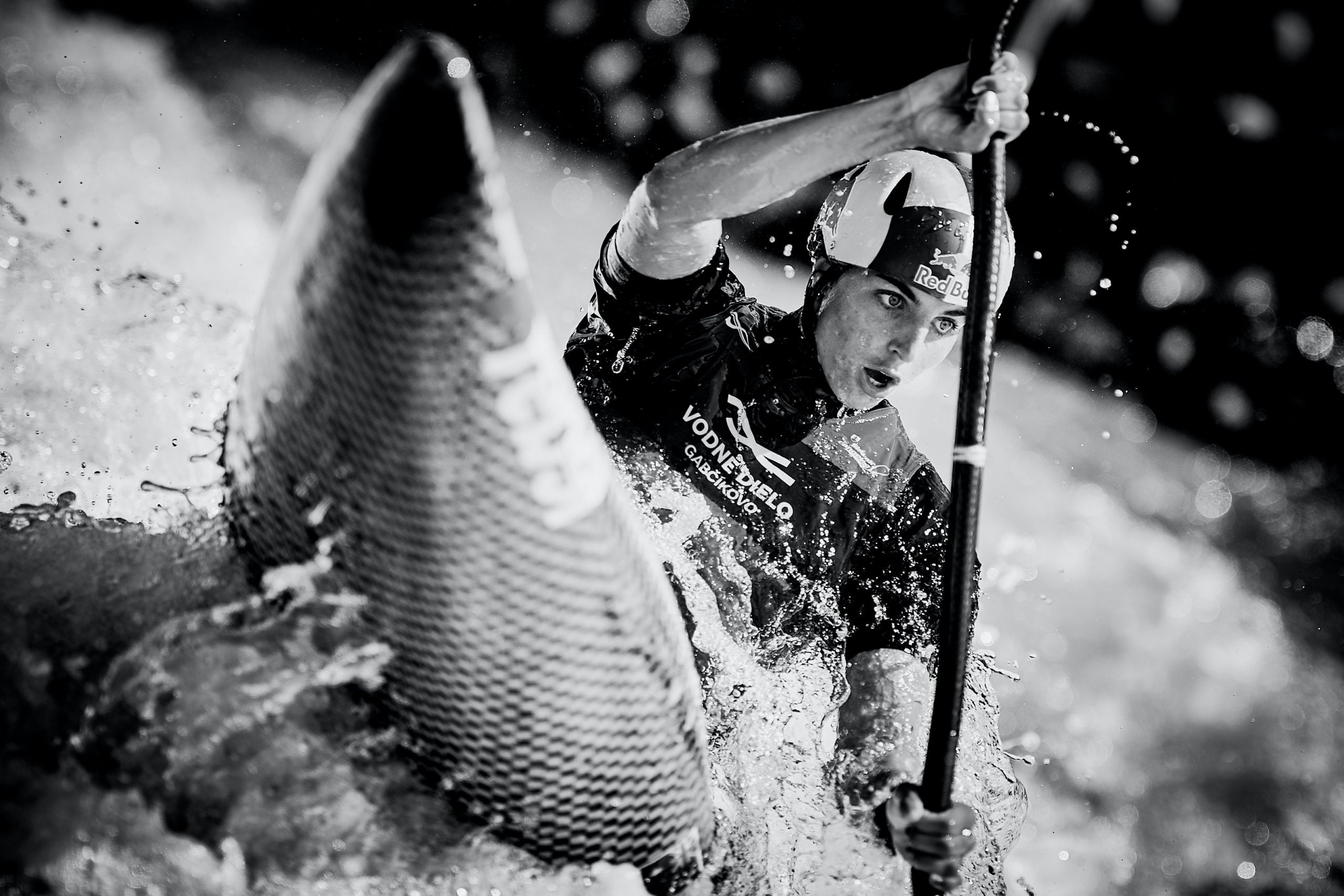
    The Kasai Canoe Slalom Course is Japan’s first man-made whitewater venue. To test the design and its multiple configurations, engineers at CTU in Prague built this large-scale hydraulic model. Check out the video below to see it under construction and in action.

    The course is adaptable so that it can be used for high-level competitions like the Olympics, then reconfigured for recreational use. You can even see what it’s like to run part of the course in a multi-person raft, thanks to a miniature, GoPro-equipped boat! (Image credit: top – M. Trizuliak, others – CTU Prague; video credit: CTU Prague)

    Missed our previous Olympics coverage? Check out how sailboats outrace the wind, the future of swim tech, and how surface roughness affects volleyball aerodynamics.
  • Seeing Through

    Seeing Through

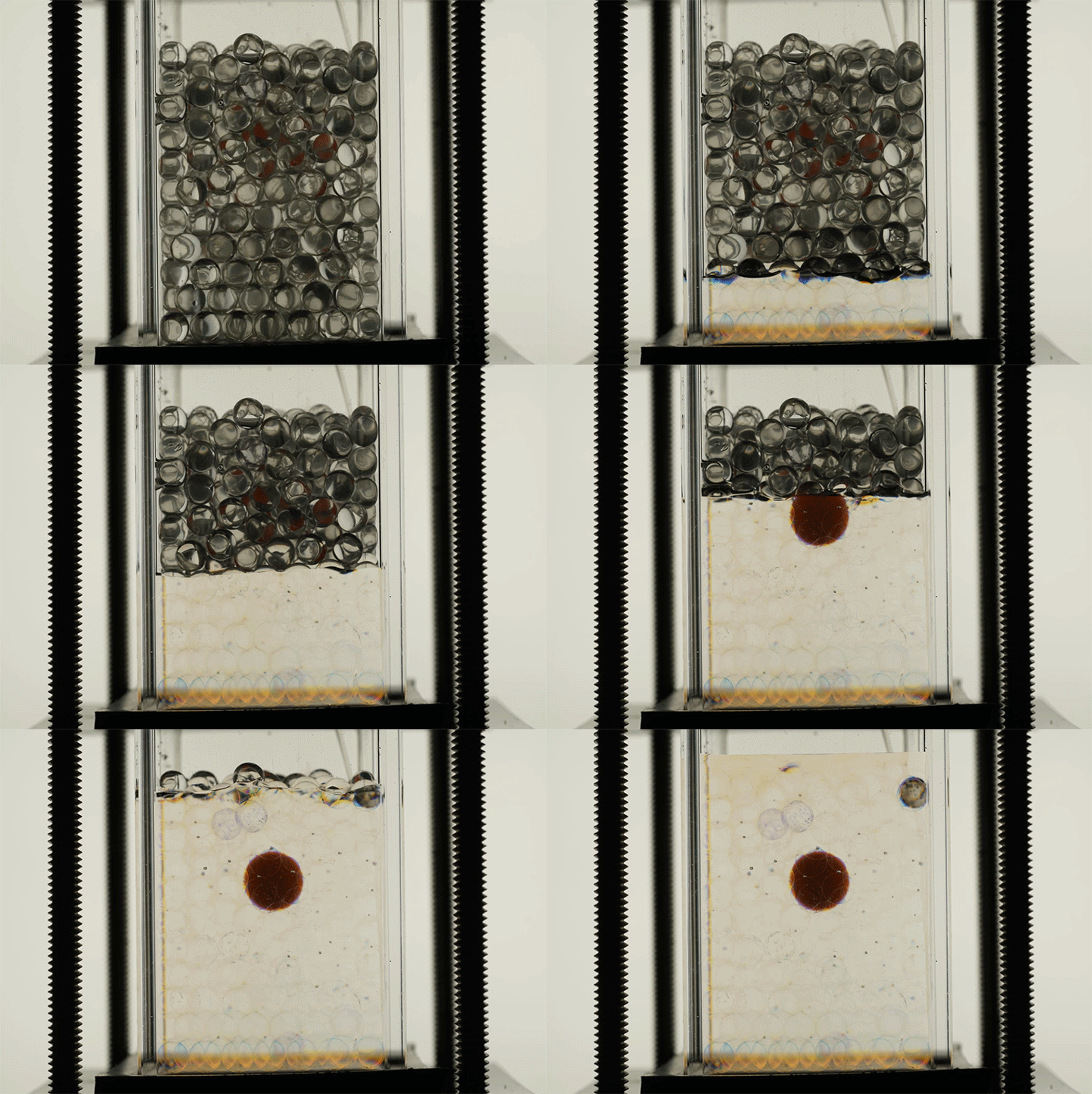
    Often researchers are interested in flows around and between objects, but seeing those flows is a challenge in a crowded field of view. One useful trick for this problem is matching the refractive index of your objects and the fluid they’re immersed in. Here we see the glass beads in a container seemingly disappear when a mixture of water and ammonium thiocyanate is poured in. Now the researchers can use many different visual diagnostic techniques to observe the interior flow! (Image credit: Datta Lab, Princeton University, source)

  • How the Hummingbird Got Its Hum

    How the Hummingbird Got Its Hum

    Summer hikes in the Rocky Mountains are frequently pierced by a hum that can deepen to a bomber-like buzz as hummingbirds flit by. They’re so small and fast that they’re hard to see, but they’re never hard to hear. A new study pins down just where that telltale hum comes from.

    To determine the specific origin of the hummingbird’s sound, researchers observed hovering hummingbirds with an array of over 2,000 microphones and multiple high-speed cameras. With this set-up, they could create a 3D acoustic map of the bird’s sounds, correlated with its motions. They found that the bird’s sounds come primarily from aerodynamic forces generated during their distinctive wingstroke – not from vortices or the fluttering of their feathers.

    They also found that the hummingbird’s fast wingstroke — about 40 times per second — fed into sounds at 40 and 80 Hz, as well as higher frequency overtones. Since these sounds are well within human hearing range, they make up most of what we hear from the birds. (Image credit: P. Bonnar; research credit: B. Hightower; via The Guardian; submitted by Kam-Yung Soh)

  • Iceberg Melting Depends on Shape

    Iceberg Melting Depends on Shape

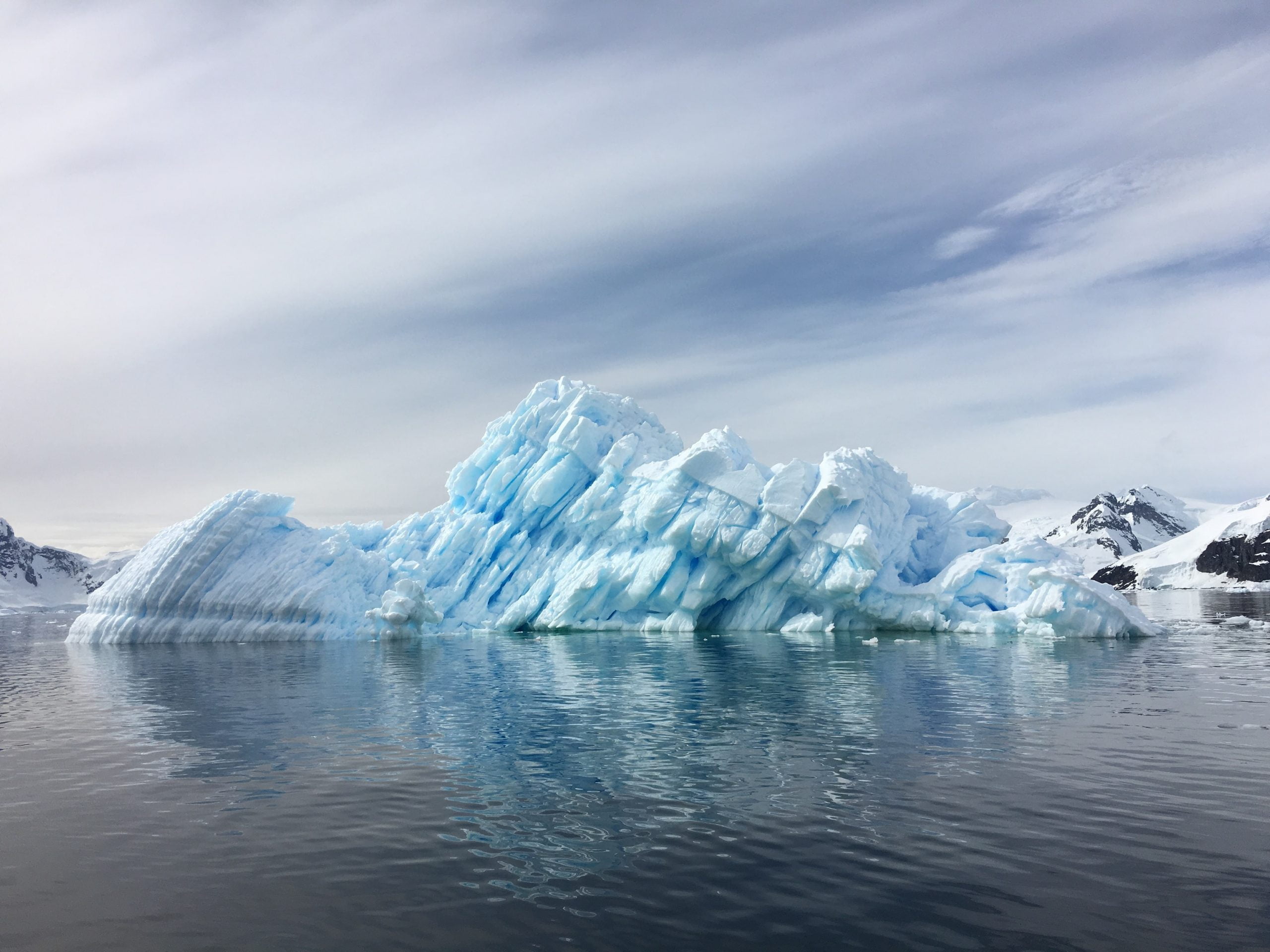
    Not all icebergs melt equally. Through a combination of experiment and numerical simulation, researchers have shown that an iceberg’s shape underwater strongly affects how it melts. Specifically, icebergs in a flow melt more quickly on the front and side surfaces and slower on the underside. This means that narrow icebergs that project deep into the water will melt faster than wider, shallow ones. Currently, climate models don’t account for this variation, but the researchers hope their work will help build more accurate models for future studies. (Image credit: iceberg – C. Matias, experiment – E. Hester et al.; research credit: E. Hester et al.; see also APS Physics)

    Snapshots of a model iceberg as it melts.
  • Bubbles Affect Lava Flow

    Bubbles Affect Lava Flow

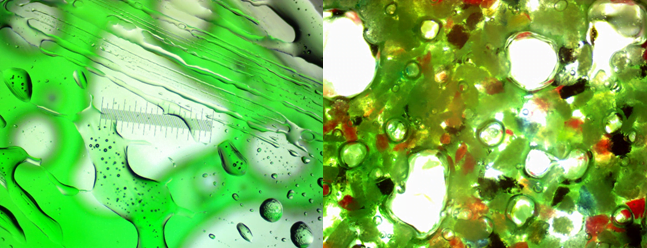
    During the 2018 eruption at Kilauea, scientists noticed that the lava flowed very differently depending on how bubbly it was. In this experiment, researchers used corn syrup as a lava analogue and studied how bubbly and particle-filled bubbly flows differed from bubble-free ones. They found that bubble-free syrup flowed fastest, while particle-filled bubbly flows were by far the slowest.

    The bubbles also affected the structure of the flows. Large bubbles gathered near the surface of the flow’s leading edge, allowing faster flow beneath. And in the particle-filled flow, the corn syrup developed channels that flowed at different speeds. The authors hope that their relatively simple experimental set-up will inspire more research on bubbly lava flows. (Image and research credit: A. Namiki et al.; via AGU Eos; submitted by Kam-Yung Soh)

  • Featured Video Play Icon

    Making a Miniature River

    Despite wide differences in ecology and geology, rivers around the world share certain fundamental features. Physicists study these characteristics by creating small-scale rivers in the laboratory, like the experiment featured in this Lutetium Project video. Within these systems, scientists can carefully control variables and discover useful patterns, like the two parameters needed to describe the shape of a river’s profile! (Image and video credit: The Lutetium Project)

  • Recreating Infinity

    Recreating Infinity

    In the ocean, tiny organisms can migrate hundreds of meters through the water column. Recreating and tracking those journeys in a lab is quite a challenge, but it’s one the researchers behind the Gravity Machine have conquered. This apparatus uses a wheel to essentially give micro-organisms an infinite water column to traverse while keeping them fixed in the lab microscope’s field of view.

    With the device, researchers can watch organisms switch naturally between rising, sinking, and feeding behaviors as they would in the wild. The group is working to make it so that anyone with a microscope can recreate their set-up for observations. (Image, video, and research credit: D. Krishnamurthy et al.; see also Gravity Machine; submitted by Kam-Yung Soh)

  • Aerodynamic Flight Testing

    Aerodynamic Flight Testing

    Flight testing models has a long history in aerodynamics. Above you see a Curtiss JN-4 biplane in flight with a model wing suspended below the fuselage. This test was conducted circa 1921 by NASA’s predecessor, NACA. At the time, of course, computational simulations were non-existent, and, although wind tunnels existed, presumably they could not recreate the exact circumstances needed for the test. Available wind tunnels might have lacked the power to reach the speeds engineers wanted, or they could have been too small for the model or had too many disturbances compared to the pristine flight environment. Any or all of these concerns can drive decisions to use flight testing instead of ground tests.

    Flight testing in aerodynamics is still used today, albeit sparingly. The second image shows a crew of Texas A&M graduate students (including yours truly) with a swept wing model we were about to test with a Cessna O-2 aircraft. By this point (roughly 10 years ago), we had wind tunnels capable of overlapping the conditions we could achieve in flight, but flight testing still gave us a larger range of conditions than working solely in the wind tunnel. (Image credits: JN-4 – NASA, O-2 – M. Woodruff; via Rainmaker1973; submitted by Marc A.)

  • Featured Video Play Icon

    “It’s All About Flow”

    Fluid dynamicists, like other scientists, have lives and interests well beyond our research. Ivo Nedyalkov, for example, is a professional rapper in addition to a PhD-level fluid dynamicist. In “It’s All About Flow,” Dr. Ivo brings those areas of expertise together with a rap all about fluid dynamics. The version embedded here is a bit shorter than the full version, which digs not only into experimental fluid dynamics but into computational work as well.

    Check it out, and if you’d like to see the full lyrics and explanation behind them, he’s posted those as well. You can also ping me here or on Twitter if you’d like to know more about the phenomena he discusses. (Video and image credit: I. Nedyalkov/ASME; full video here; lyrics and explanation)

  • Featured Video Play Icon

    Inside the Fire Lab

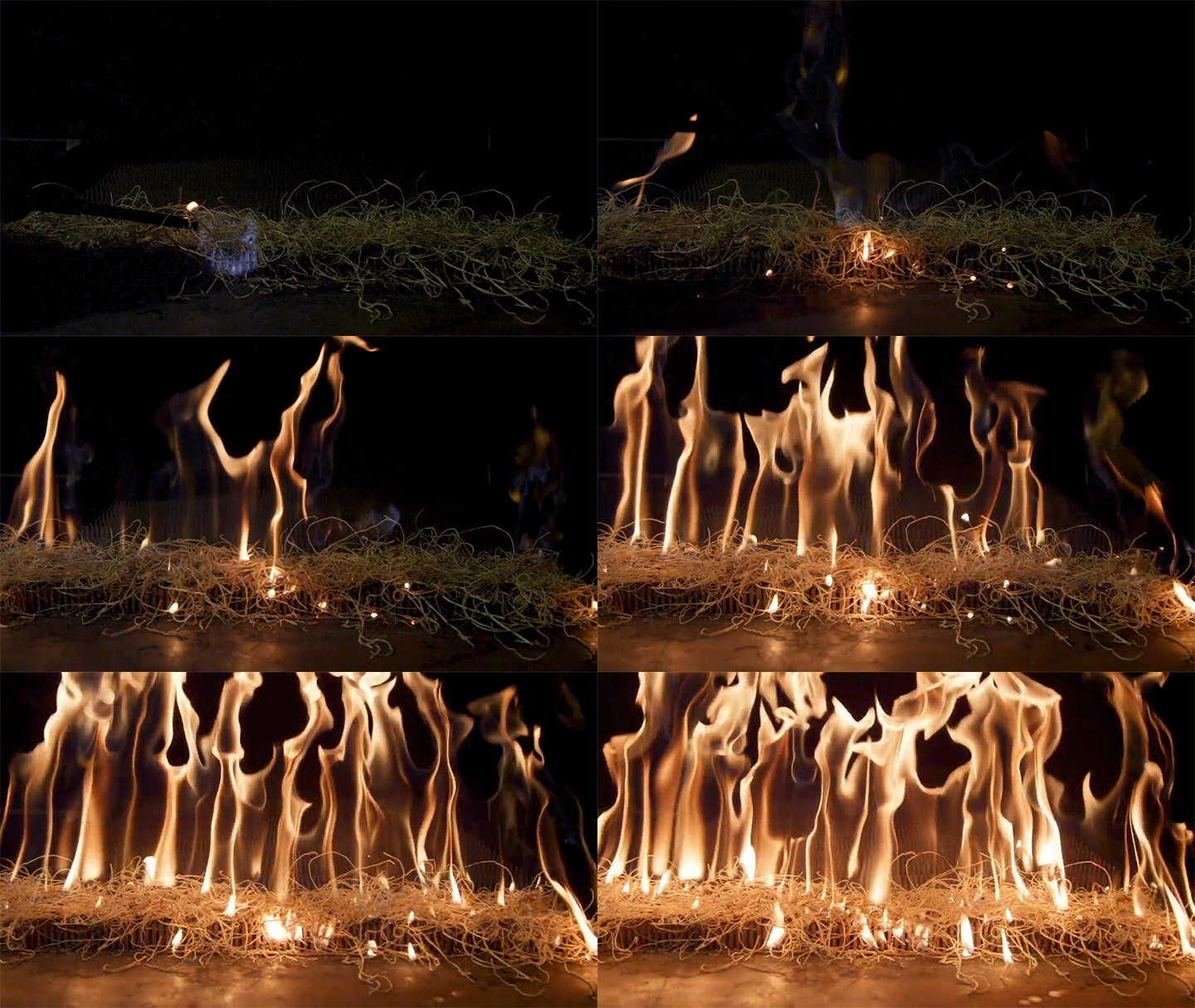
    Fire plays an important role in nature, one with which humanity must live without controlling fully. After several disastrous historic wildfires in the American West, the U.S. Forest Service established its own fire lab, where research foresters can study flames firsthand. This video takes us inside the Fire Lab for a look at the facilities and people responsible for helping us better understand this fundamental force of nature. (Video and image credit: Gizmodo + Atlas Obscura)