Tag: baking

  • Mixing the Perfect Batter

    Mixing the Perfect Batter

    In baking, there’s a point when wet and dry ingredients get combined to form the batter (or dough) that eventually becomes a tasty treat. Experienced bakers know that the ratio of wet-to-dry must be just right for the final product. Too dry and the mixture won’t come together; too wet and the final product is a soggy mess.

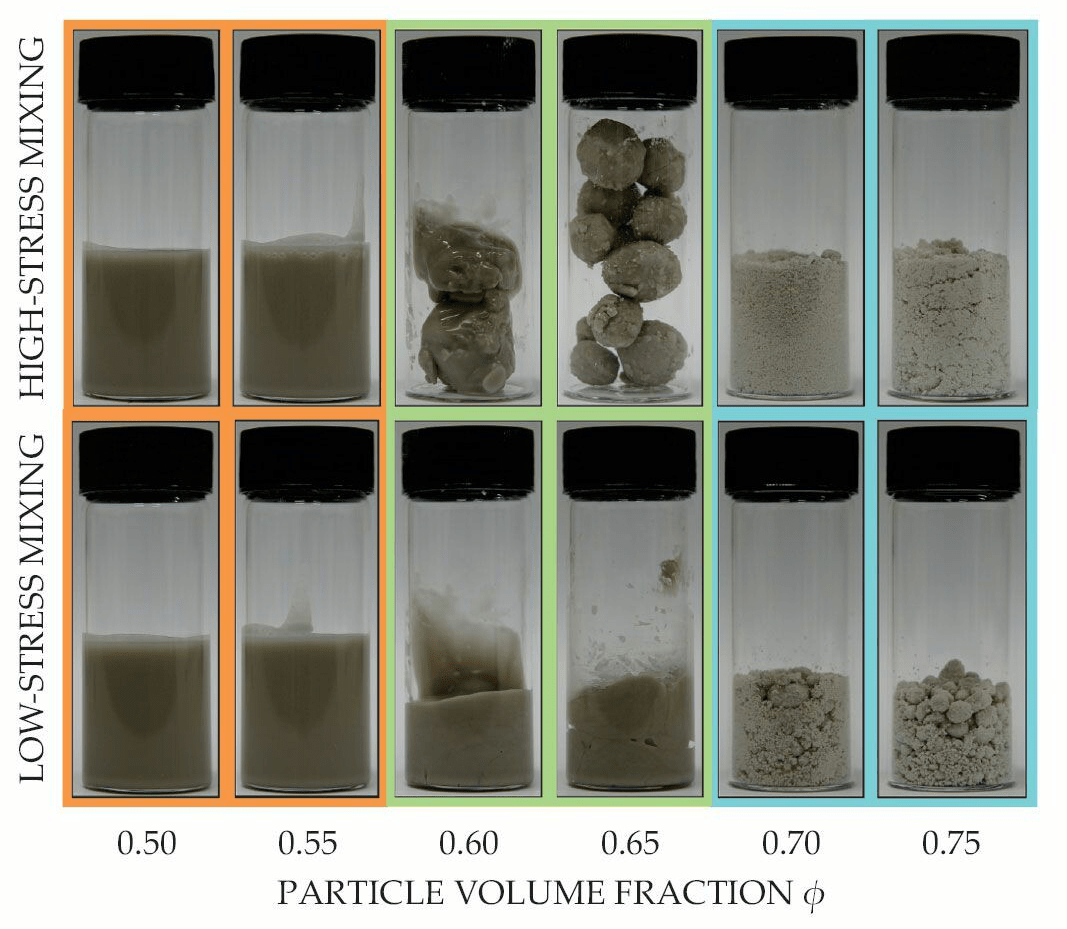
    Mixing liquids and powders is ubiquitous outside the kitchen, too. Ceramics, concrete, laundry detergent, chocolate — all involve this critical step. To understand how these mixtures transition from fluid to clustered granules to granulations (think wet sand), researchers carefully studied a mixture of glass spheres and glycerol. When there were relatively few particles in the mixture (in technical terms, a smaller “particle volume fraction”), the mixture was fully fluid (top image, orange background). When the ratio of particles-to-liquid was high, the mixture was granular (blue background). And in-between these ratios, whether the mixture formed clumps, or granules, depended on how it was mixed (green background). Vigorous mixing (top row) formed large granules, which consisted of a wet, jammed interior and an outer layer of dry particles (lower image).

    Their observations allowed the researchers to predict what ratio of liquid and powder is needed, and how much mixing is necessary, to create a desired outcome. (Image and research credit: D. Hodgson et al.; via Physics Today)

    A cross-section of a granule, showing the wet, jammed interior (left) surrounded by a region of dry particles (center, enclosed between red dashes).
    A cross-section of a granule, showing the wet, jammed interior (left) surrounded by a region of dry particles (center, enclosed between red dashes).
  • Making Yeast-Free Pizza

    Making Yeast-Free Pizza

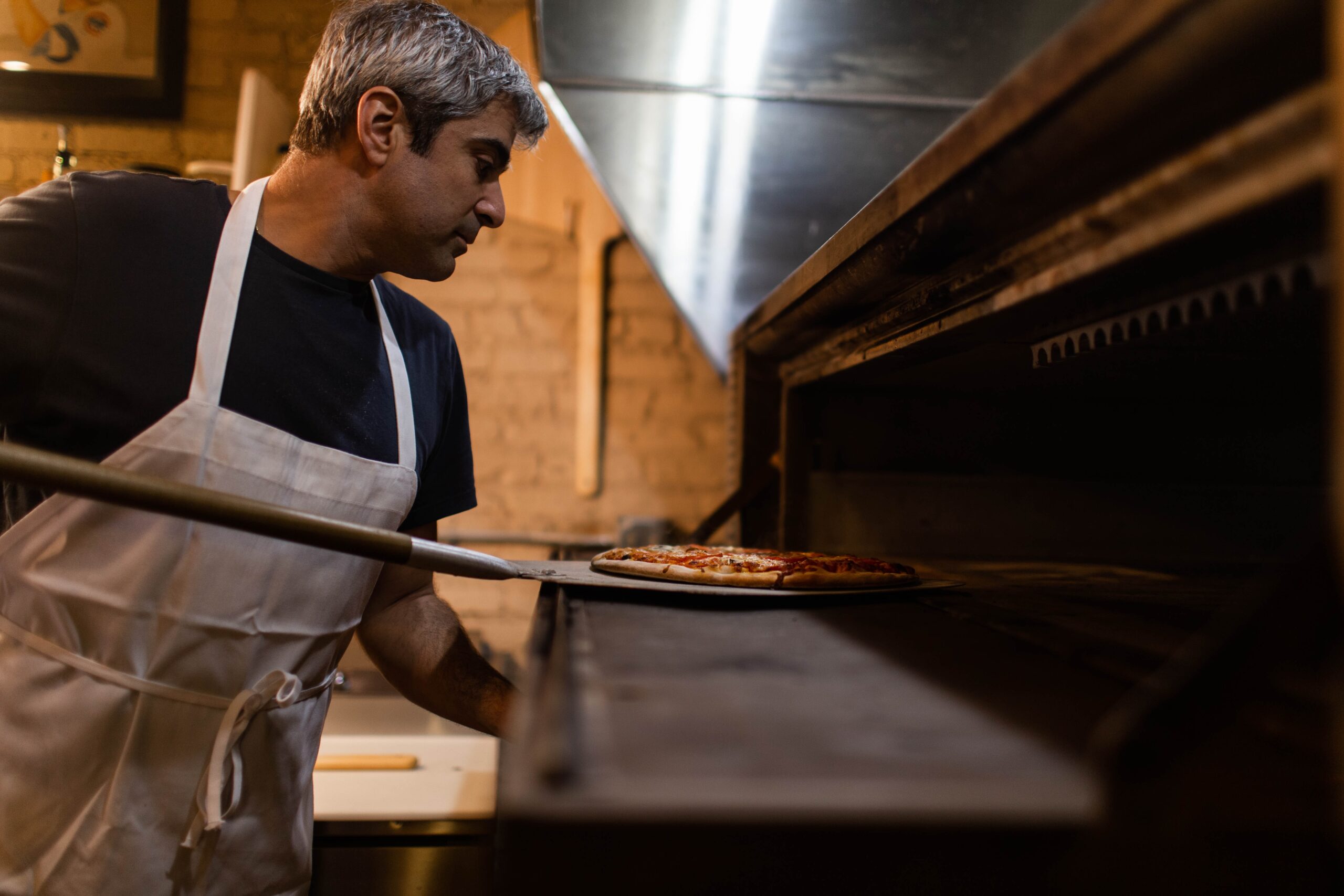
    Yeast is a key ingredient in many pizza doughs; as the yeast ferment sugars in the dough, they produce carbon dioxide which bubbles into the dough, creating the light and airy texture necessary for a good crust. It’s a slow process, though, often requiring several hours for the dough to rise. Recently, researchers studied an alternative pizza-making method that generates bubbles in the dough via pressurization — with no yeast required.

    The new technique is similar to the process used to carbonate sodas. The team mixed flour, water, and salt and placed the dough in an autoclave, which allowed them to control both temperature and pressure during baking. They dissolved gas into the dough at high pressure and then carefully released the pressure during baking, allowing the bubbles to grow. They used rheological measurements to compare the characteristics of yeasted and yeast-free doughs at various stages in the leavening and baking processes.

    Now that they have the methodology down, they’ve purchased a food-grade autoclave and are looking forward to taste testing their yeast-free creations — none more so than their team member who has a yeast allergy! Since the pressures required for their method are quite mild, they hope it’s a technique that restaurants will take on. (Image credit: B. Huff; research credit: P. Avallone et al.)

  • Culinary Fluid Dynamics

    Culinary Fluid Dynamics

    I’ve long been a fan of exploring fluid dynamics from my own kitchen, and I’m far from the only one. One of the pioneers of interfacial physics developed most of her science in her kitchen! Whether you’re cooking, baking, frying, searing a steak, mixing a cocktail, preparing coffee, or simply dunking a cookie, chances are you’ve got some serious fluid dynamics going on. And now there’s a rather comprehensive review paper covering the intersection of food and fluid physics. It’s freely available on arXiv and written for more than just physicists — it’s even structured like a menu! — so check it out. (Image credit: steam – Z. Lezniewicz, coffee drip – N. Dumlao, whipped cream – T. Gak, cocktails – G. Yerden, crepe chef – C. Urrutia; research credit: A. Mathijssen et al.; submitted by multiple readers)

  • “Catalysis”

    “Catalysis”

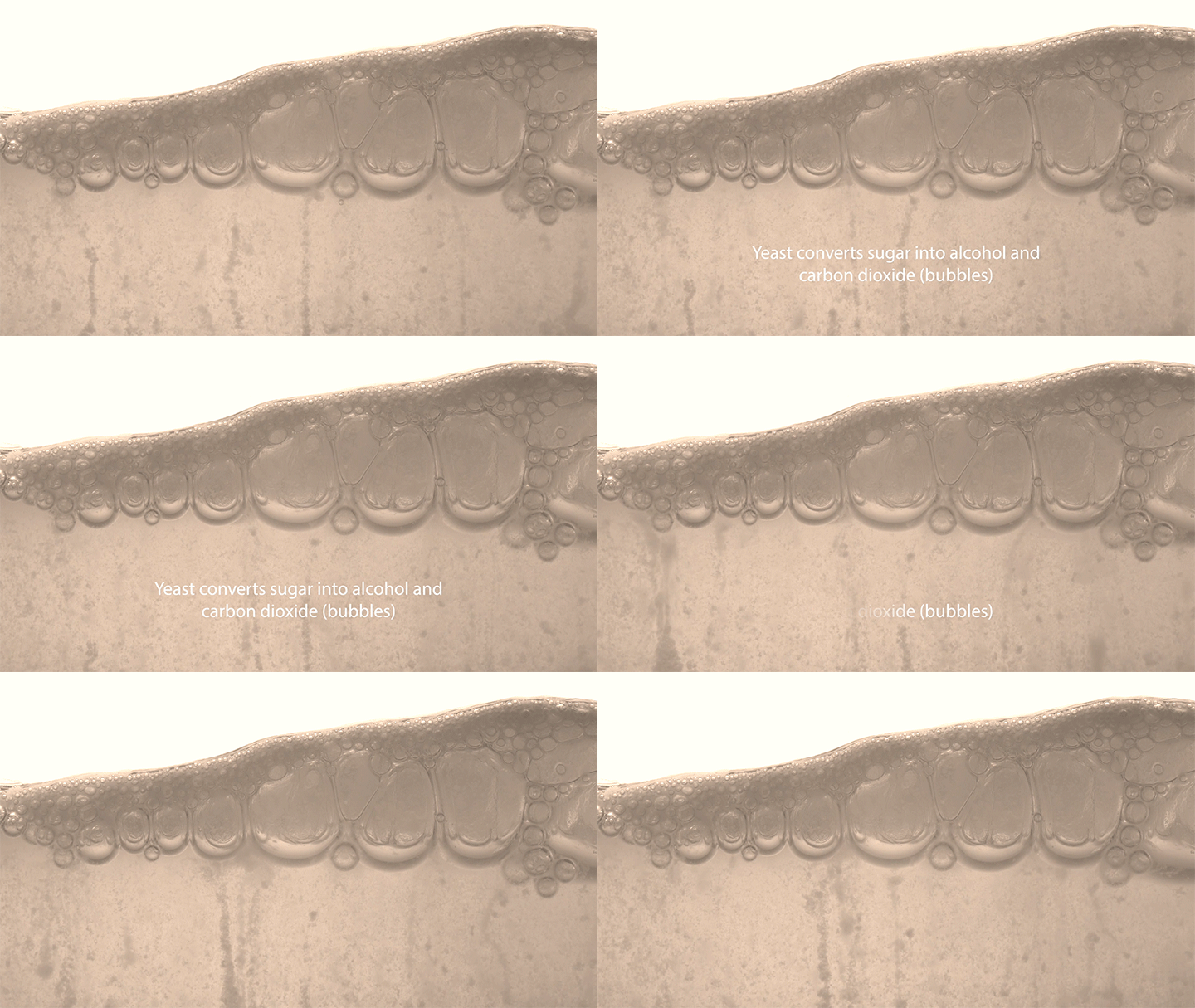
    Catalysts speed up chemical reactions without being consumed themselves. In “Catalysis” the Beauty of Science team shows 5 different examples of catalytic reactions, from acetone oxidation to yeast fermentation. The film is full of bubbles, sparks, and wave-like pulses of chemical reaction. As always, it’s a lovely glimpse of processes we’re not used to watching so closely. (Image and video credit: Beauty of Science)

  • Kneading Dough

    Kneading Dough

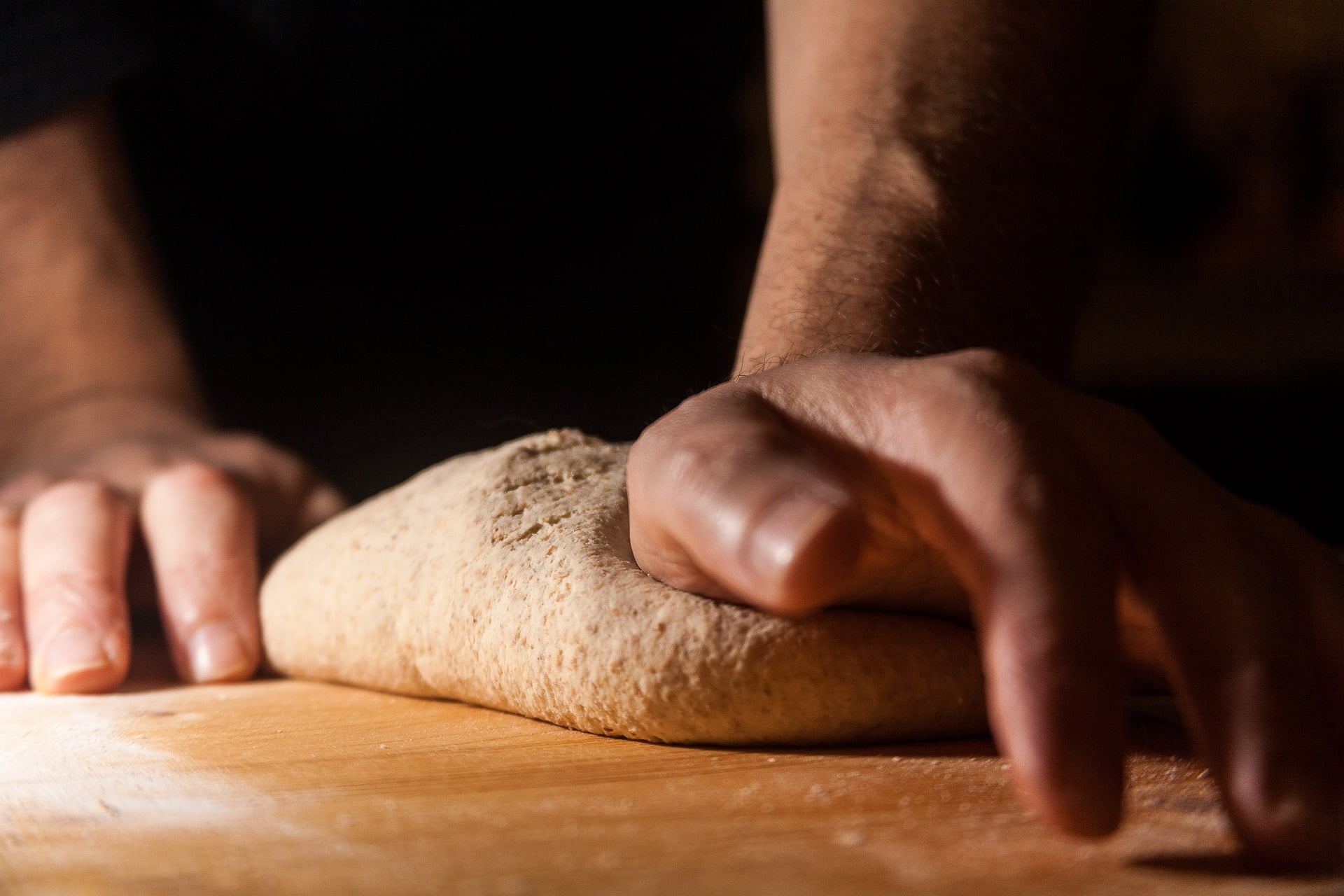
    Kneading bread dough is something of an art. The process binds flour, water, salt, and yeast into a network that is both elastic and viscous. It also traps pockets of air that will determine the texture of the final loaf. Underknead and the bubbles won’t form; overknead and the result will be a dense loaf that doesn’t rise in the oven.

    Capturing all of that physics in a realistic model is tough, but researchers have done so and validated their digital dough against experiments. The group focused on simulating industrial mixers, which knead dough with a moving, spiral-shaped rod rotating around a stationary vertical one. They found the industrial set-up did not mix as well as kneading by hand, but that could be improved by swapping the stationary rod for a second spiral one. (Image credit: G. Perricone; research credit: L. Abu-Farah et al.; via Physics World; submitted by Kam-Yung Soh)