Month: September 2025

  • Flipping Icebergs

    Flipping Icebergs

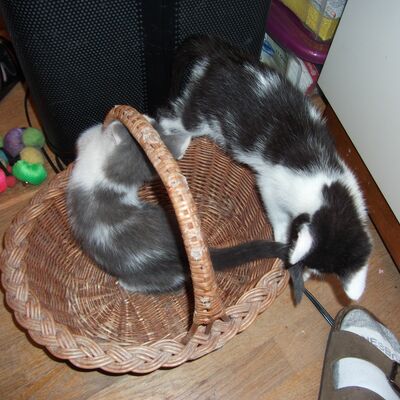
    When an iceberg flips, it creates waves that can endanger ships nearby, but the move can also trigger further melting. In the ocean, many factors, including wind and waves, can contribute to an iceberg flipping, so researchers studied small, lab-scale versions to see how melting–alone–affects an iceberg’s likelihood of flipping.
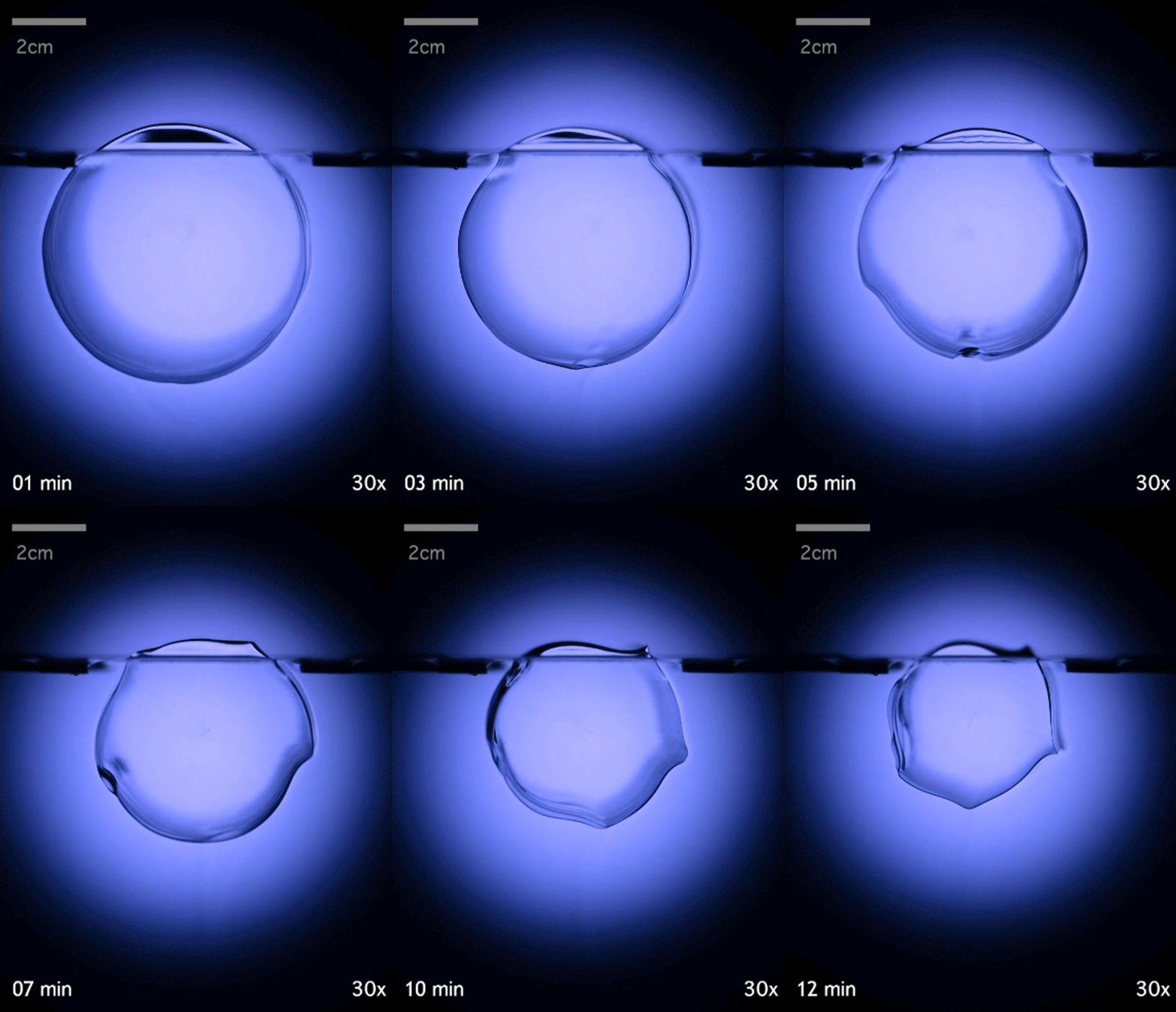
    The results showed that melting alone was enough to destabilize icebergs and make them flip, as seen in the timelapse above. These mini-icebergs melted faster underwater, changing the berg’s overall shape and eventually triggering a flip. Corners developed at the waterline where the different melt rates above- and below-the-water met. Whenever a flip occurred, one of these corners would always settle at the new water line, causing the lab iceberg to change from a circular cylinder to a polygon as melting continued. (Image credit: M. Whiston; research and video credit: B. Johnson et al.; via APS)


    Fediverse Reactions
  • Featured Video Play Icon

    Spinning Water

    If you spin a tank of water at a constant speed, it takes on a curved, parabolic shape–a demonstration often called Newton’s bucket. Here, a team from UCLA shows how it’s done, both in terms of the equipment needed and a concise explanation of the physics. In the rotating experiment, water is subjected to both gravity (which acts in a constant magnitude across the tank) and centrifugal force (which is stronger further from the axis of rotation). The shape that balances these forces is a paraboloid, which is why the water takes on that shape. (Video and image credit: UCLA SpinLab)

    Fediverse Reactions
  • “Veins of Light and Rivers of Fog”

    “Veins of Light and Rivers of Fog”

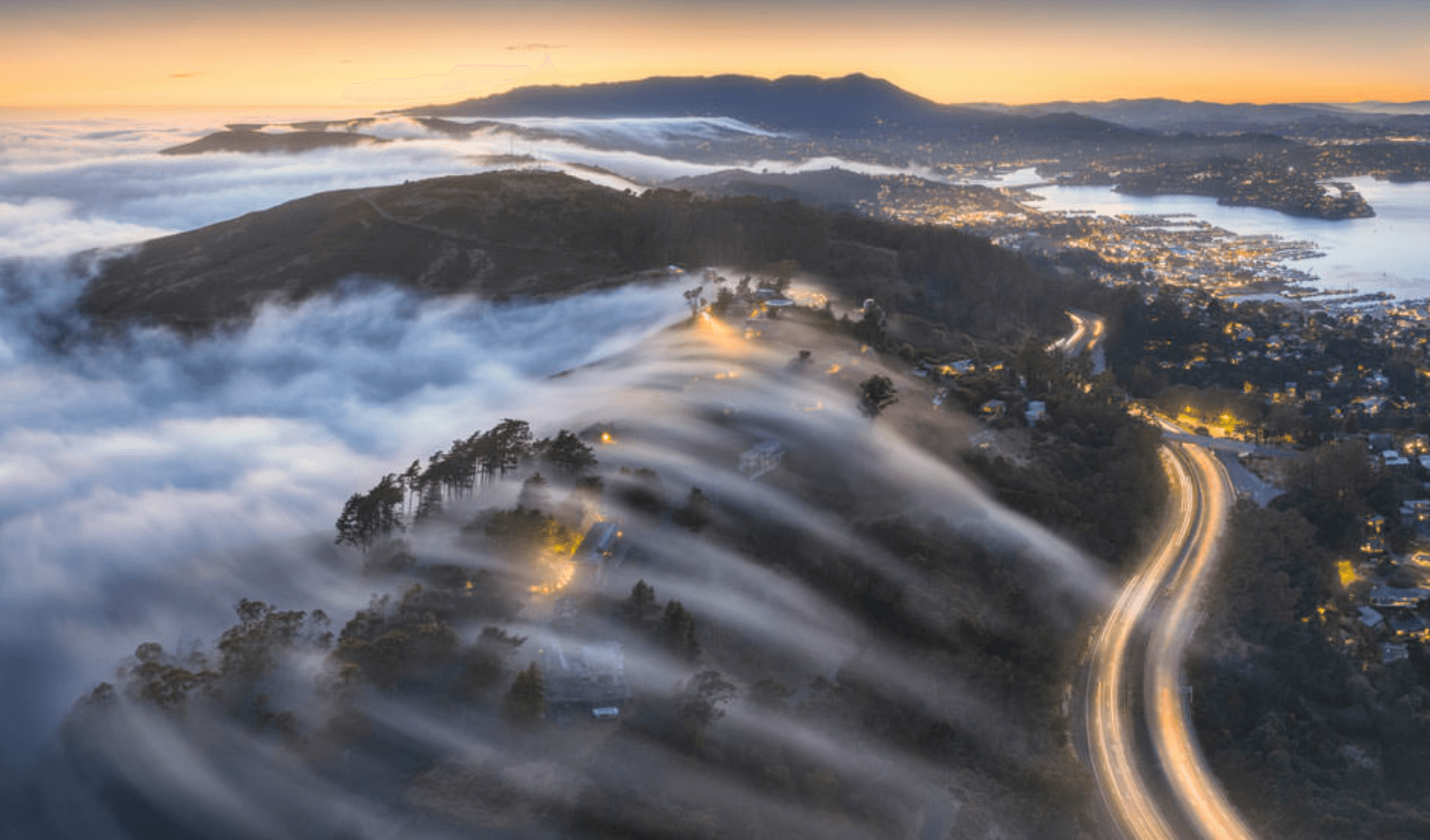
    Tendrils of fog flow over the crest of a hill in this award-winning photograph from Ray Cao. Seen in timelapse, scenes like this show the sloshing, wave-like motion of fog. They’re a beautiful reminder that air and water move much the same. (Image credit: R. Cao/IAPOTY; via Colossal)

    Fediverse Reactions
  • Striations on the Sun

    Striations on the Sun

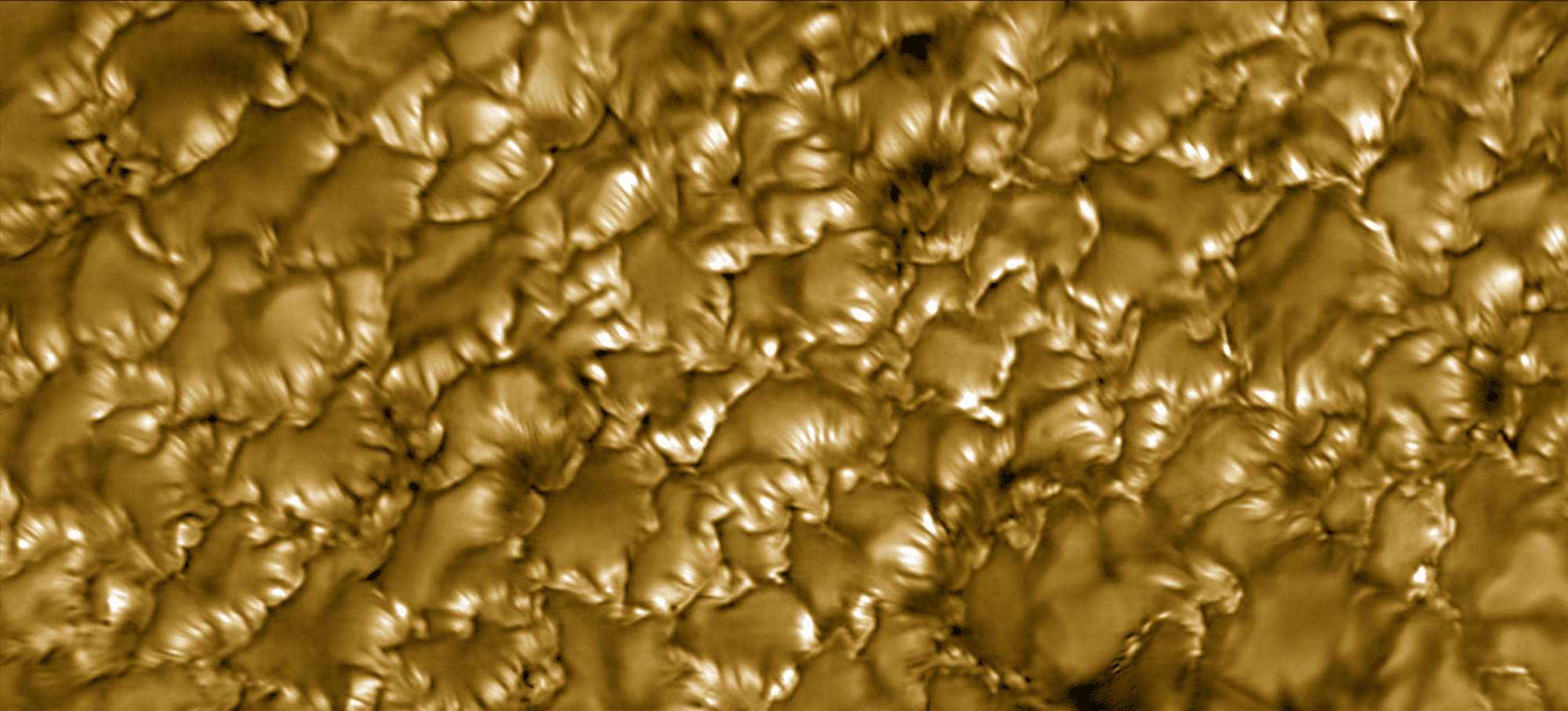
    One of the perpetual challenges for fluid dynamicists is the large range of scales we often have to consider. For something like a cloud, that means tracking not only the kilometer-size scale of the cloud, but the large eddies that are about 100 meters across and smaller ones all the way down to the scale of millimeters. In turbulent flows, all of these scales matter. That problem is even harder for something like the Sun, where the sizes range from hundreds of thousands of kilometers down to only a few kilometers.

    It’s those fine-scale features that we see captured here. This colorized image shows light and dark striations on solar granules. Scientists estimate that each one is between 20 and 50 kilometers wide. They’re reflections of the small-scale structure of the Sun’s magnetic field as it shapes the star’s hot, conductive plasma. (Image credit: NSF/NSO/AURA; research credit: D. Kuridze et al.; via Gizmodo)

    Fediverse Reactions
  • Featured Video Play Icon

    Dispersing Pollutants via Smokestack

    In our industrialized society, pollutants are, to an extent, unavoidable. Even with technologies to drastically reduce the amount of pollutants leaving a factory or plant, some will still get released. It’s up to engineers to make sure that those released spread out enough that their overall concentration does not pose a risk to public health. In this Practical Engineering video, Grady explains some of the physics and engineering considerations that go into this task.

    As he demonstrates, taller smokestacks speed up the buoyant exhaust plume (to an extent), which exposes the plume to higher winds, greater turbulence, and, thus, quicker dispersal. But atmospheric conditions and even nearby buildings all affect how a plume spreads. (Image and video credit: Practical Engineering)

    Fediverse Reactions
  • Dusty Clouds Make More Ice

    Dusty Clouds Make More Ice

    Even when colder than its freezing point, water droplets have trouble freezing–unless there’s an impurity like dust that they can cling to. It’s been long understood in the lab that adding dust allows water to freeze at warmer temperatures, but proving that at atmospheric scales has been harder. But a new analysis of decades’ worth of satellite imagery has done just that. The team showed that a tenfold increase in dust doubled the likelihood of cloud tops freezing.

    Since ice-topped clouds reflect sunlight and trap heat differently than water-topped ones, this connection between dust and icy clouds has important climate implications. (Image and research credit: D. Villanueva et al.; via Eos)

    Fediverse Reactions
  • A Braided River

    A Braided River

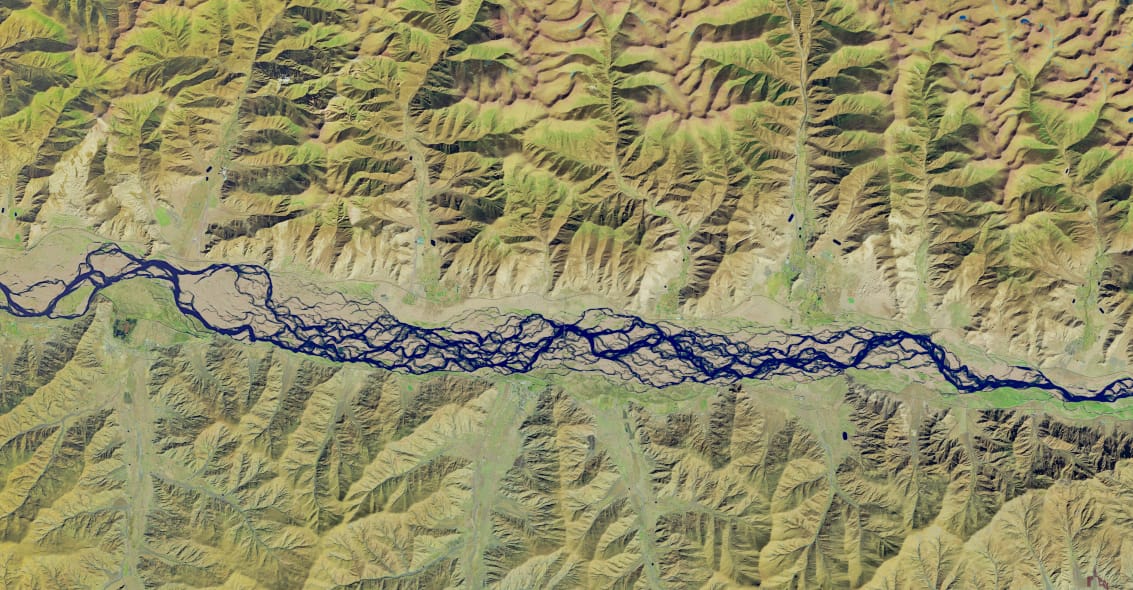
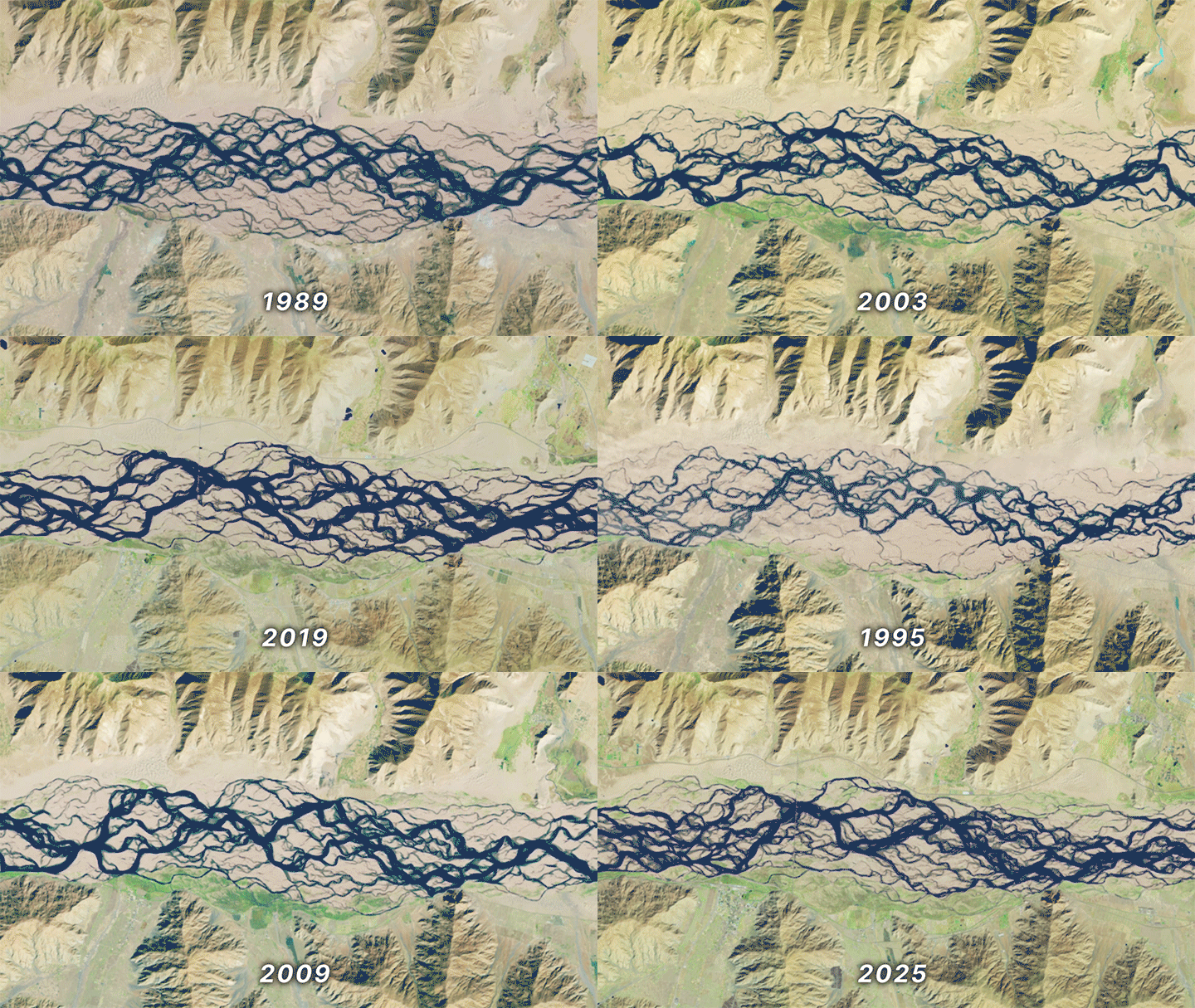
    The Yarlung Zangbo River winds through Tibet as the world’s highest-altitude major river. Parts of it cut through a canyon deeper than 6,000 meters (three times the depth of the Grand Canyon). And other parts, like this section, are braided, with waterways that shift rapidly from season to season. The swift changes in a braided river’s sandbars come from large amounts of sediment eroded from steep mountains upstream. As that sediment sweeps downstream, some will deposit, which narrows channels and can increase their scouring. The river’s shape quickly becomes a complicated battle between sediment, flow speed, and slope. (Image credit: M. Garrison; animation credit: R. Walter; via NASA Earth Observatory)

    Animation of the changing waterways of a braided river.
    Fediverse Reactions
  • Smoke Bomb

    Smoke Bomb

    With a flurry of motion along its pectoral fin, a sting ray lifts the sand nearby and disappears into the turbid cloud. This tactic helps the animal both hide and escape. In a similar move, sting rays and other bottom-dwelling fish can bury themselves in sand.(Image credit: Y. Coll/OPOTY; via Colossal)

    Fediverse Reactions
  • Biodegradable PIV Particles

    Biodegradable PIV Particles

    Particle image velocimetry–PIV, for short–is used to visualize fluid flows. The technique introduces small, neutrally-buoyant particles into the flow and illuminates them with laser light. By comparing images of the illuminated particles, computer algorithms can work out the velocity (and other variables) of a flow. Typical methods use hollow glass spheres or polystyrene beads as the particles that follow the flow, but these options have many downsides. They’re expensive–as much as $200/pound–and they can potentially harm test subjects, like animals whose swimming researchers are studying. Instead, researchers are now looking at biodegradable options for PIV particles.

    One study found that corn and arrowroot starches were good candidates, at least for applications using artificial seawater. The powders were close to neutrally-buoyant, had uniform particle sizes, and accurately captured the flow around an airfoil, live brine shrimp, and free-swimming moon jellyfish. (Image credit: M. Kovalets; research credit: Y. Su et al.; via Ars Technica)

    Fediverse Reactions
  • Featured Video Play Icon

    Seeking Randomness

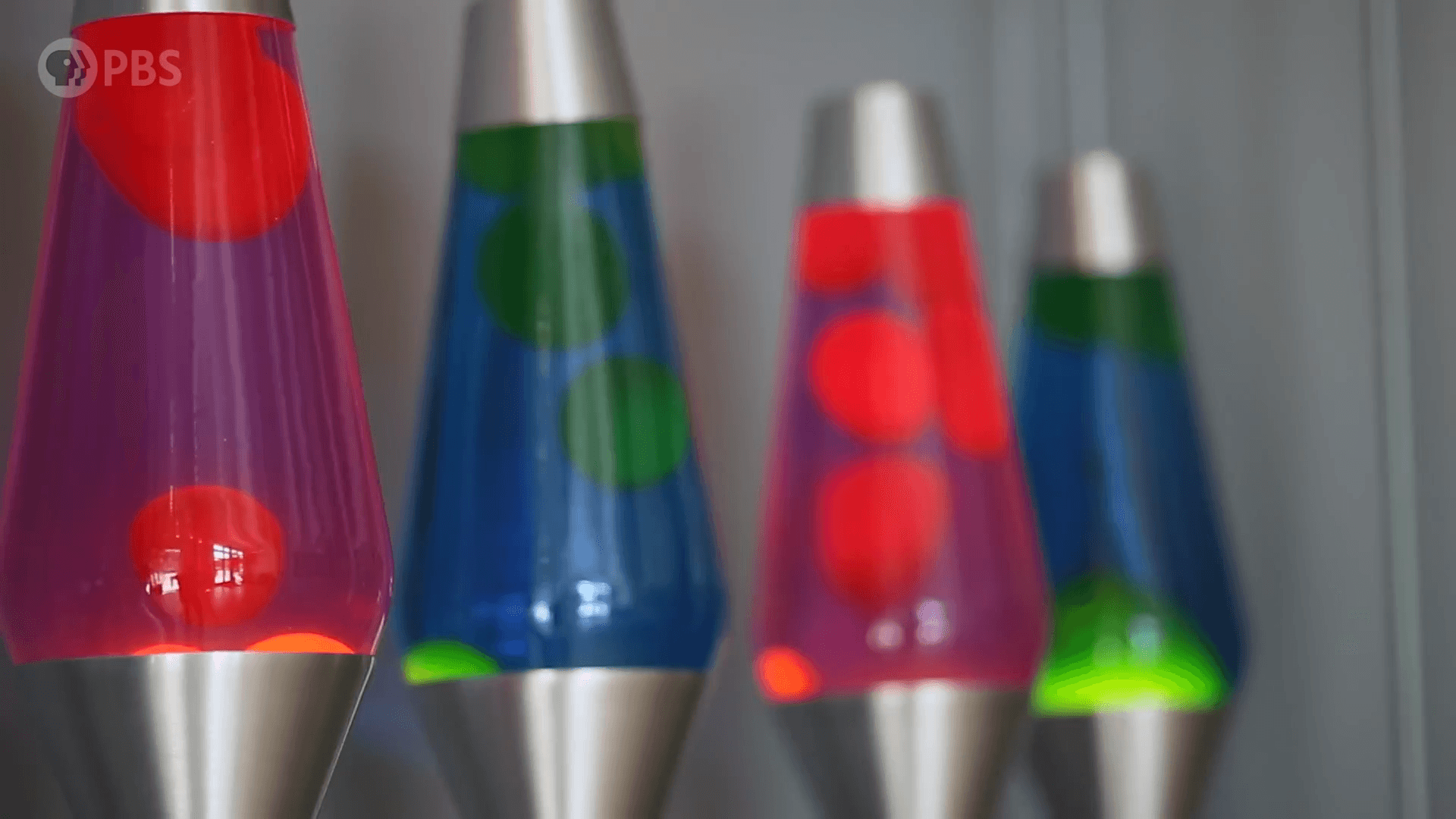
    Securing information on the Internet requires a lot of random numbers, something computers are not good at creating on their own. This need for random input raises an important philosophical and practical question: what is randomness? How can we be sure that something truly is random, or is it enough for a system to be practically random? Joe explores these questions in this Be Smart video, which shows off how companies use systems — including fluid dynamical ones like lava lamps and wave machines — to generate random numbers for encryption. (Video and image credit: Be Smart)

    Fediverse Reactions