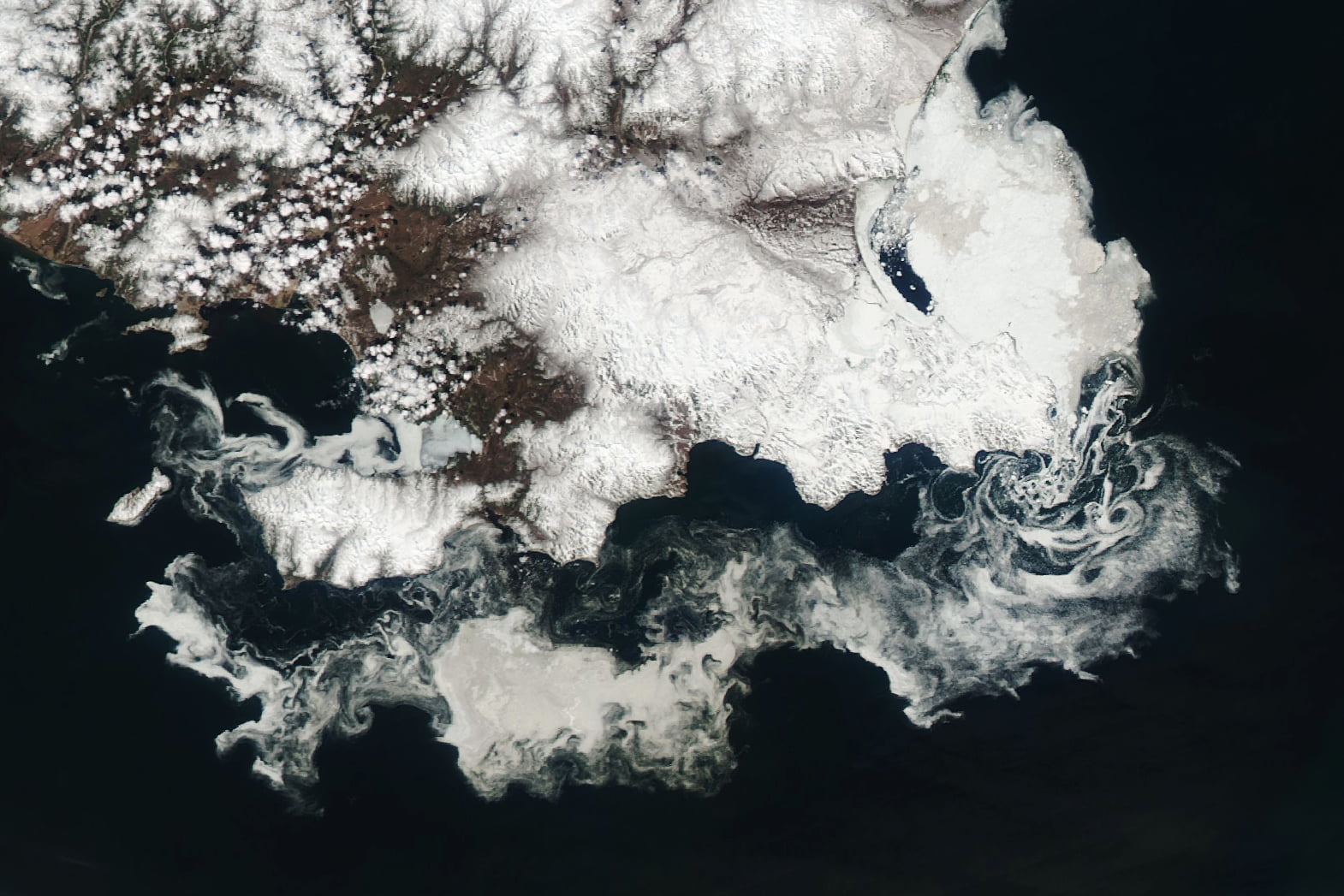
The Sea of Okhotsk is the northern hemisphere’s southernmost sea that seasonally freezes. Caught between the Siberian coast and the Kamchatka Peninsula, cold air from Siberia helps freeze water kept at lower salinity due to freshwater run-off. This image, taken in May 2023, shows free-floating sea ice forming spirals driven by wind and waves. Small islands off the eastern coast (right side in image) are likely responsible for the swirling eddies seen there. Like phytoplankton blooms and sediment swirls in warmer seasons, the sea ice acts as a tracer to reveal flow. (Image credit: W. Liang; via NASA Earth Observatory)
Month: November 2023

Jamming Inside
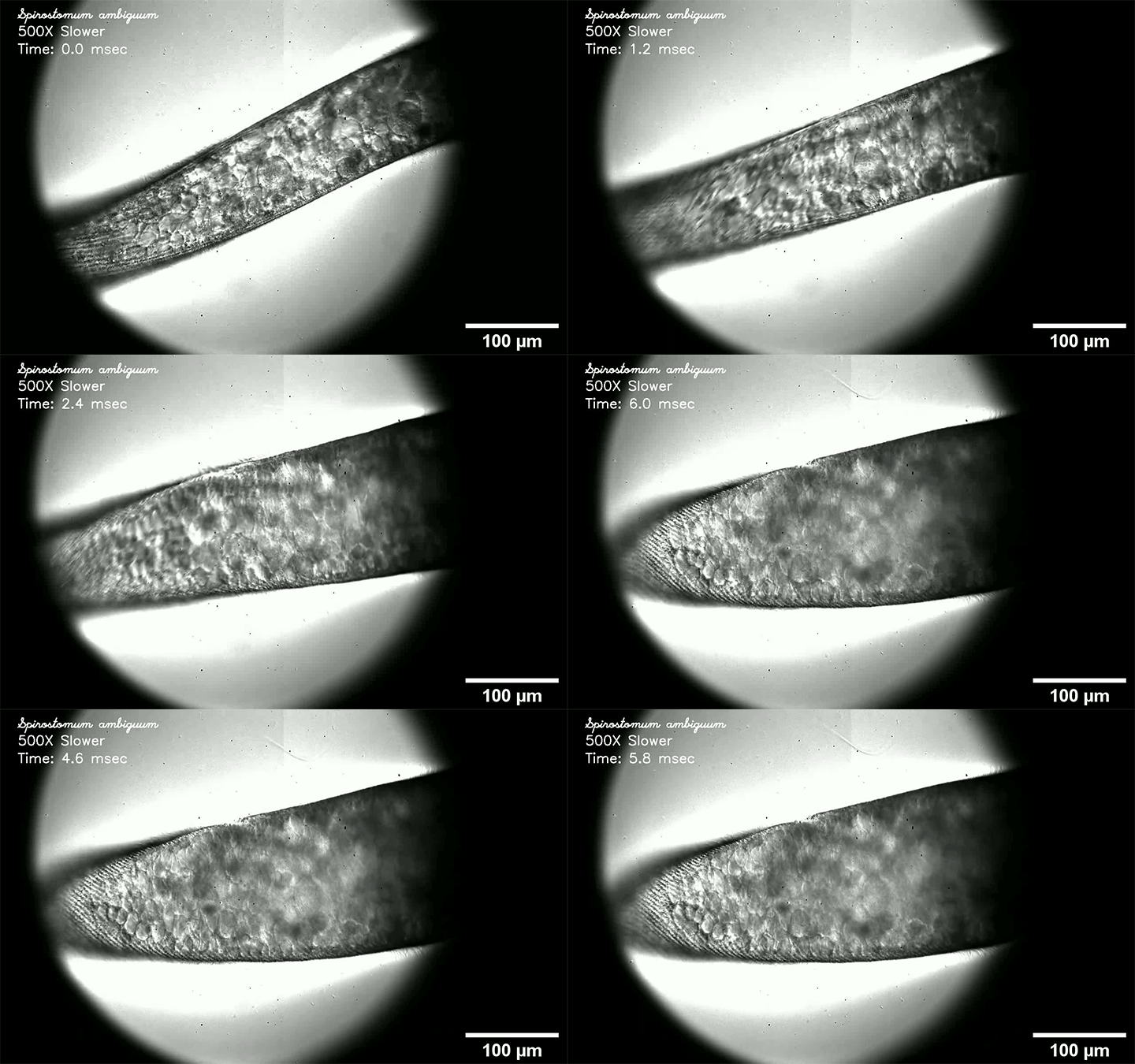
Worm-like Spirostomum ambiguum are millimeter-sized single-cell organisms that live in brackish waters. In milliseconds, these cells can retract to half their original length, generating g-forces greater than a Formula One driver experiences when cornering. How, researchers wondered, do these cells avoid shredding their internal structure with forces that strong?
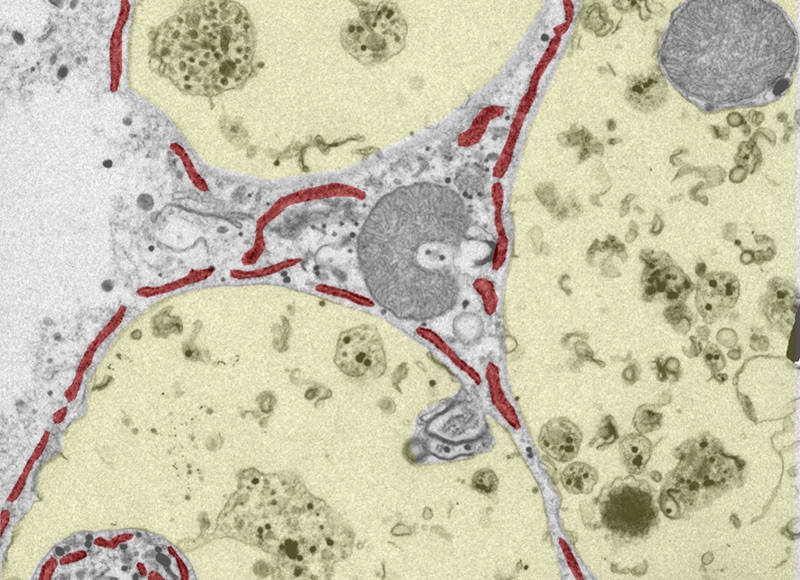
Spirostomum ambiguum, they found, contain fluid-filled sacs called vacuoles that are entangled with the folds of a membrane-like structure called the endoplasmic reticulum. The researchers constructed a simulated cell, based on the properties of the living ones, and tested it under retraction. Without the endoplasmic reticulum, the insides of their model acted like a liquid, with vacuoles moving past one another readily. That’s not good for staying alive since swapping positions can disrupt bodily functions.

An artificially-colored micrograph highlights the different structures inside Spirostomum ambiguum. The red strings are a membrane-like endoplasmic reticulum entangled between yellow, fluid-filled vacuoles. With the vacuoles connected by a model endoplasmic reticulum, the cell’s insides acted more like a solid during retraction. The vacuoles deformed but fewer of them traded places, instead jamming together to prevent rearrangement. Mimicking this structure at a larger scale, the team suggests, could enable new types of shock absorbers. (Image and research credit: R. Chang and M. Prakash; via APS Physics)

Do Droughts Worsen Floods?


In recent years many areas have seen record droughts followed by sudden, massive rainfalls. Such wild swings raise the question: does drought-parched soil make flooding worse? That’s the question Grady tackles in this Practical Engineering video, and, as is often the cause in real-world engineering, the answer is complicated.
How quickly water soaks into the spaces between soil particles depends on many factors, including soil type, vegetation, and how much moisture is in the soil already. In general, dry soils initially soak water in more quickly than pre-moistened soil – except when the surface soil is hydrophobic and water-repellent. Check out the full video to learn more! (Video and image credit: Practical Engineering)

Extreme Weather and Climate Change
Extreme weather events like floods, hurricanes, atmospheric rivers, heat waves, and droughts are increasingly discussed in terms of the effects of climate change. Because complex systems have complex causes, it’s difficult to draw exact lines of causality between human-made climate change and a given weather event. But scientists have built an array of tools that help address two key questions: 1) how much more extreme was this weather due to climate change, and 2) how much more likely was this extreme event due to climate change?

Comparing (a) the actual flooding from Hurricane Harvey with (b) the estimated flood that would have occurred without climate change. The depth of actual flood waters was about 1m greater due to climate change. To answer the first question, scientists often use hindcasts. In these studies, scientists first build a simulation that mirrors the actual event, like Hurricane Harvey’s stall over Houston, Texas. Once their simulated storm reflects the actual one, they tweak the initial conditions to reflect a world without climate change and see how the storm differs. By comparing the actual and simulated floods (image above), scientists can estimate just how much worse climate change made things. In Harvey’s case, they found that human activity increased the overall precipitation by 19% and that 32% of the flooded homes in Harris county would not have flooded in a world without climate change. Detailed results from that particular study can be explored in the web portal here. (Image credits: Flooded street – J. Gade, Harvey flooding – M. Wehner; research credit: M. Wehner in Physics Today)

Ghosts of Rivers Past


Artist Dan Coe uses lidar data to create portraits of rivers and their past meanders. Used aerially, lidar produces high-resolution elevation data that provides a glimpse of features that are currently hidden beneath vegetation. With rivers, this means unearthing some of their previous paths. Secondary flows in a river bend erode the bed so that the bend gets more and more strongly curved. Eventually, the river can double back on itself and cut off the long curve. Repeat that process over millennia and you wind up with the complex paths in Coe’s images. (Image credit: D. Coe; via Colossal)
Filling Space


While not directly fluid dynamical, this video from Steve Mould uses water to illustrate mathematical concepts like fractals and space-filling curves. Water, it turns out, does a great job of drawing our eyes to the way these one-dimensional curves fill up two- and three-dimensional space. Check out the full video for a mathematical dive into the concepts. (Video and image credit: S. Mould)

Linking Size and Origin in Droplets
Respiratory diseases like measles, flu, tuberculosis, and COVID-19 are all transmitted by droplets. Some are tiny and airborne, capable of traveling long distances. Other drops are larger and only capable of traveling short distances. A new review paper consolidates what we know about these droplets and categorizes them by size and origin.
It turns out that a droplet’s size can tell us where it originated in the body. The largest type of droplets come from our mouths, lips, and tongues. Some form from filaments of saliva that stretch across our mouths and burst during exhalation. Others originate in our nasal passages where a sneeze can destabilize the mucus film there. These types of droplets are best suited to transmitting diseases that reside in the upper respiratory tract. Coughing, sneezing, singing, and speaking all produce these droplets, but breathing does not.
In contrast, the smallest classes of droplets come from the bronchial passages of the lungs, where films form after exhalation closes a passage. When we inhale again, the passage reopens, the film breaks up, and tiny droplets flow further into the lungs before getting exhaled. Breathing alone is enough to create and spread these tiny droplets, which are well-suited to spreading diseases that reside deep in the lungs, like tuberculosis.
In between these extremes are medium-sized droplets created from movement around our vocal cords. The formation mechanism for these droplets is least understood, but they are connected to breathing, coughing, speaking, singing, and so on.
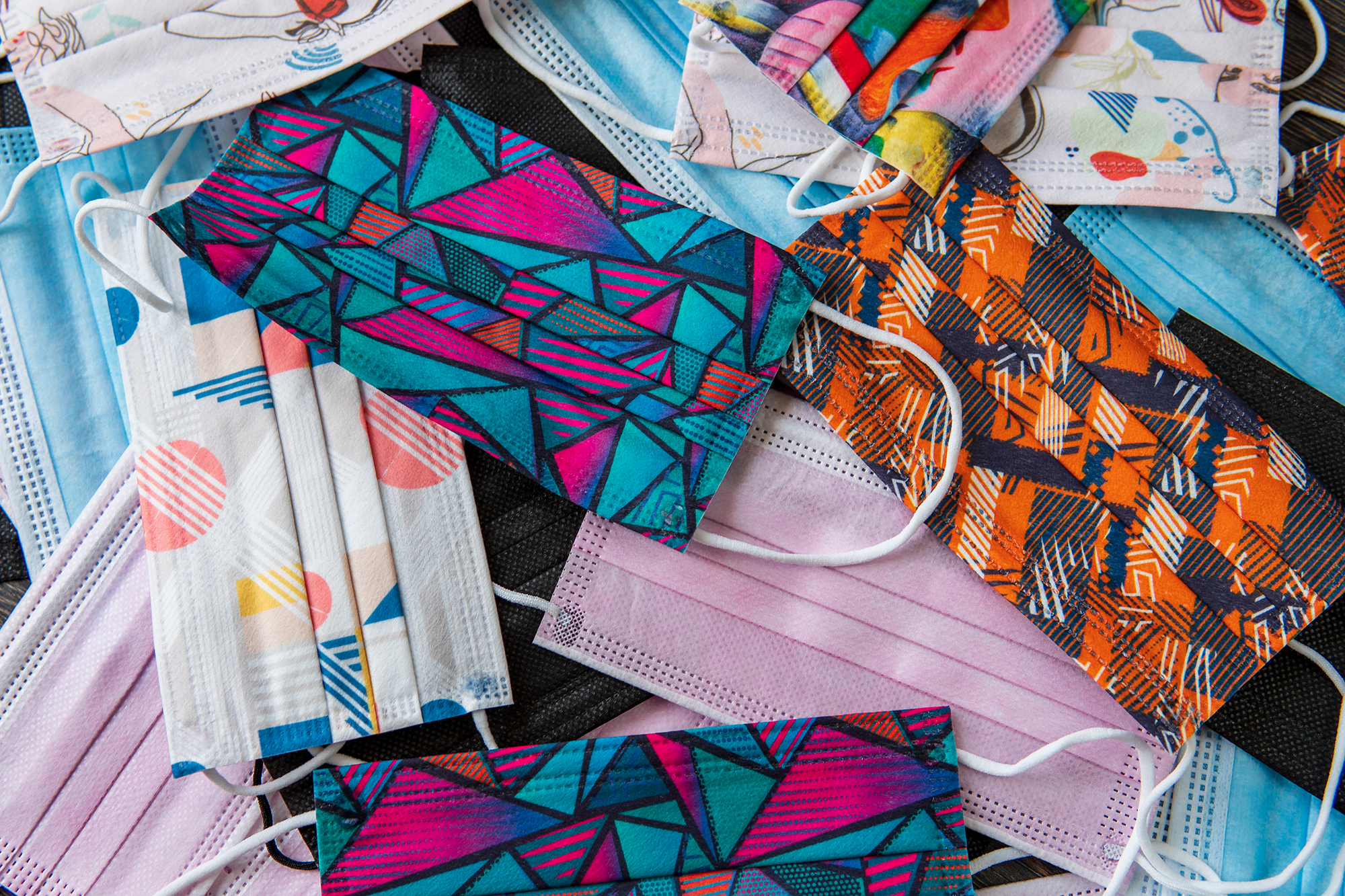
Ultimately, understanding the mechanics of disease transmission is about knowing how to best prevent transmission. Knowing the size of droplets responsible for transmission lets us prioritize responses that work. For example, if large droplets are the primary transmission mechanism, loose-fitting masks and face masks will stop the spread. But for smaller droplets, ventilation measures and well-fitted N-95 respirators are the better choice. (Image credit: Anton; research credit: M. Pöhlker et al.; via APS Physics)

An August Arc
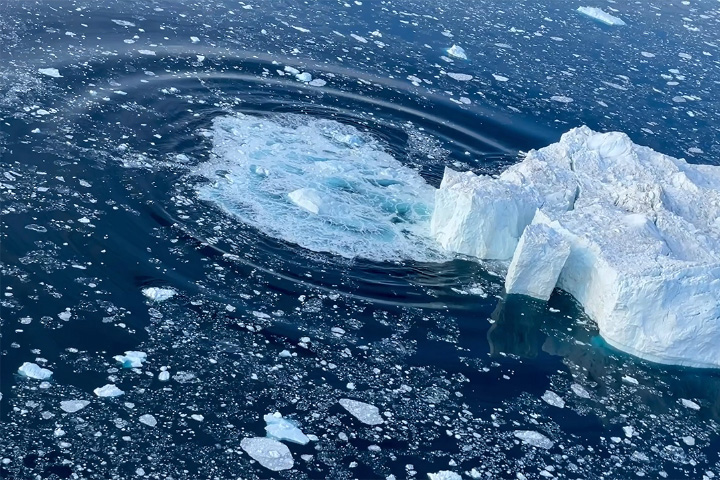
In summer, the fjords of Greenland are littered with ice, but in August 2023, satellites caught an odd interloper. See the thin white arc spanning the fjord in the photo above? Scientists suspect this ephemeral feature was a wave caused by a large iceberg calving off the glacier on the right. When large chunks of ice fall into the water, they can cause distinctive waves that travel out from the point of impact.
Another possible mechanism is an underwater plume. In Greenland’s fjords, such plumes are sometimes formed from freshwater melting below the glacier. When that water rises to the surface, it can push ice. (Image credit: W. Liang; via NASA Earth Observatory)

A Better Ear Plug
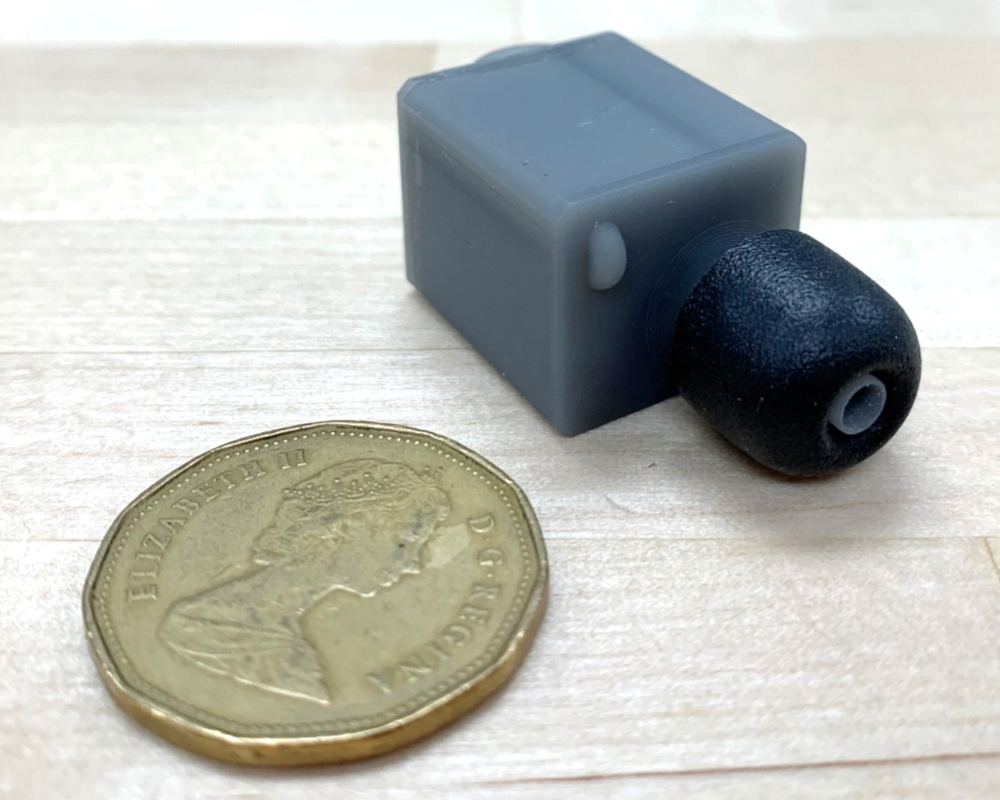
Ear plugs can be wonderful at blocking outside noise, but they come with a downside: they typically amplify internal bodily sounds, like our heartbeat, breathing, and chewing. This effect, called occlusion, is distracting enough for some users to forego ear protection or hearing aids. But a new prototype offers a hope for an occlusion-free future without requiring active noise-cancelling.
Most devices fit a short way inside our ear canals, which blocks outside sound well, but creates a little resonance chamber between the plug and our ear drums. It’s this gap that amplifies the low-frequency sounds within our bodies, making them seem much louder. To counter that, the team’s new plug contains foam sections arranged with hollow spaces between. By tuning the properties of the 3D-printed foam, they created a resonant structure inside the earbud that damps out those low-frequency body noises while still blocking outside sound.

Illustration of the earbud’s interior. The blue and green areas are foam-filled cavities. So far the prototype has only been tested with an artificial ear designed for auditory tests; that’s enough to show that the concept works, but next they’ll redesign the bud to fit a human ear canal more comfortably. (Image and research credit: K. Carillo et al.; via APS Physics)

Slumping Ceramics


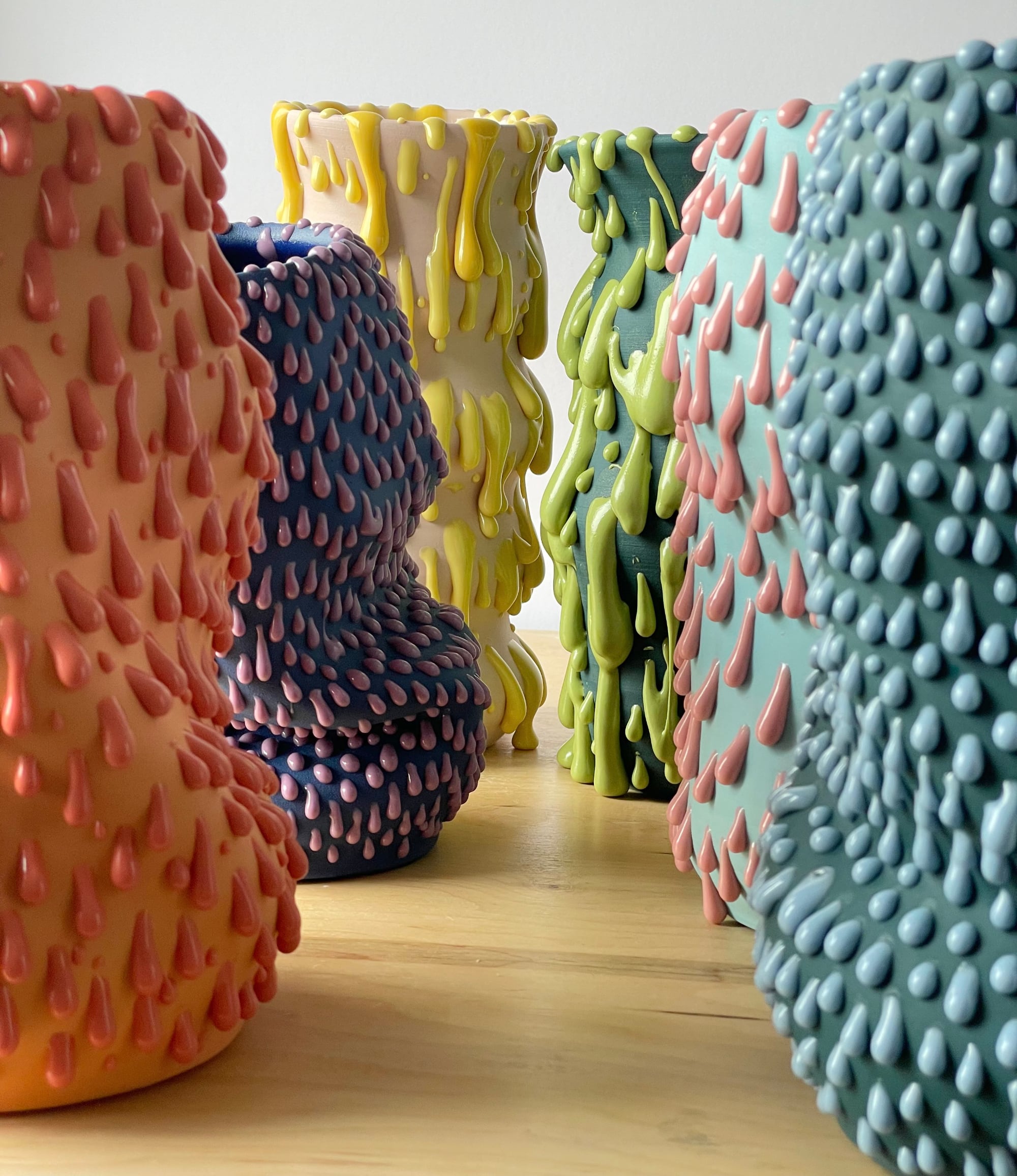


Dripping, drooping pottery is artist Philip Kupferschmidt’s specialty. Covered in drips and drops, slumping as if half-melted, Kupferschmidt’s ceramics seem partially liquid. With their colorful glazes, these pieces ooze personality. (Image credit: P. Kupferschmidt; via Colossal)