Month: December 2017

  • Liquid Sunbursts

    Liquid Sunbursts

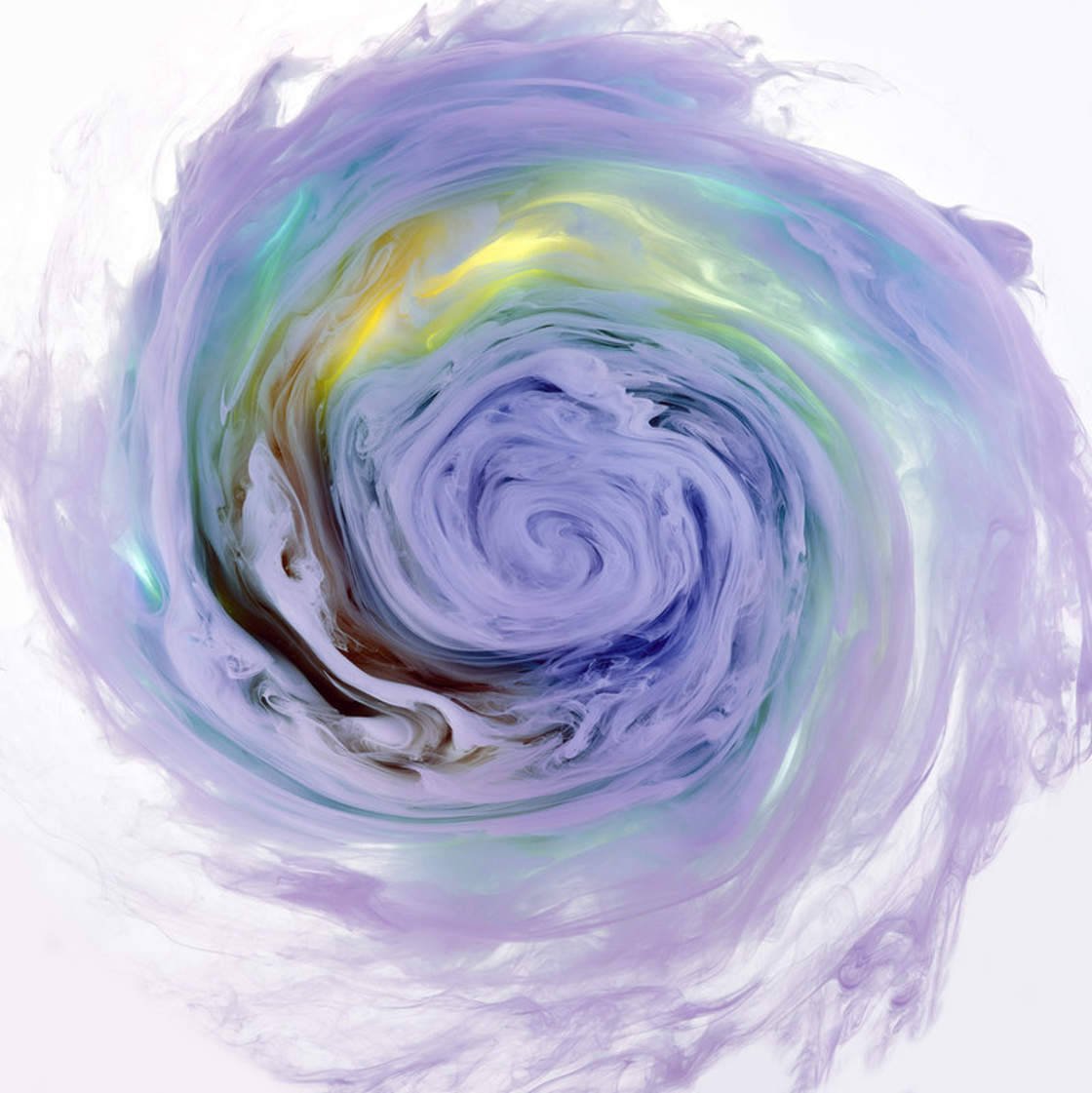
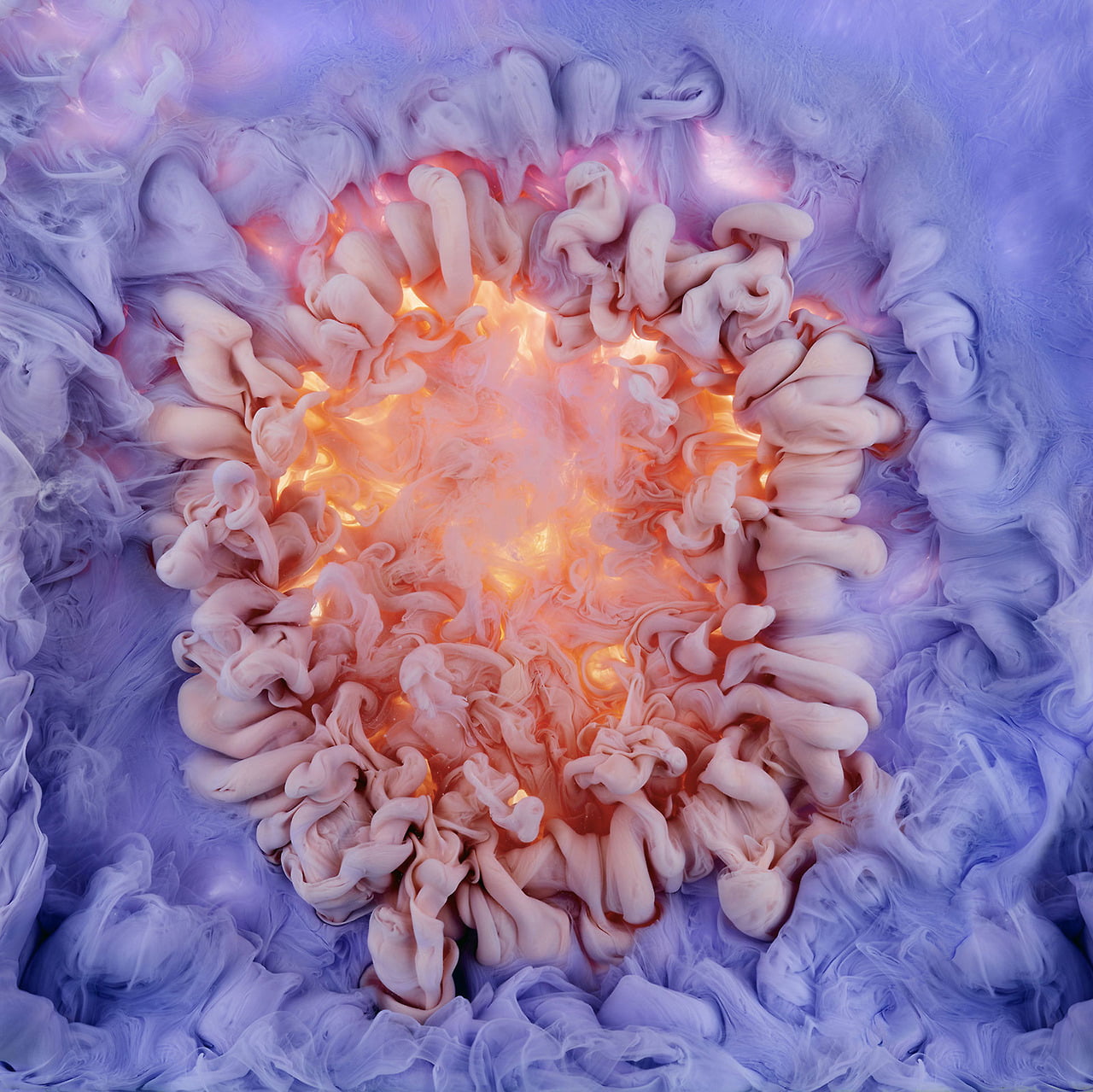
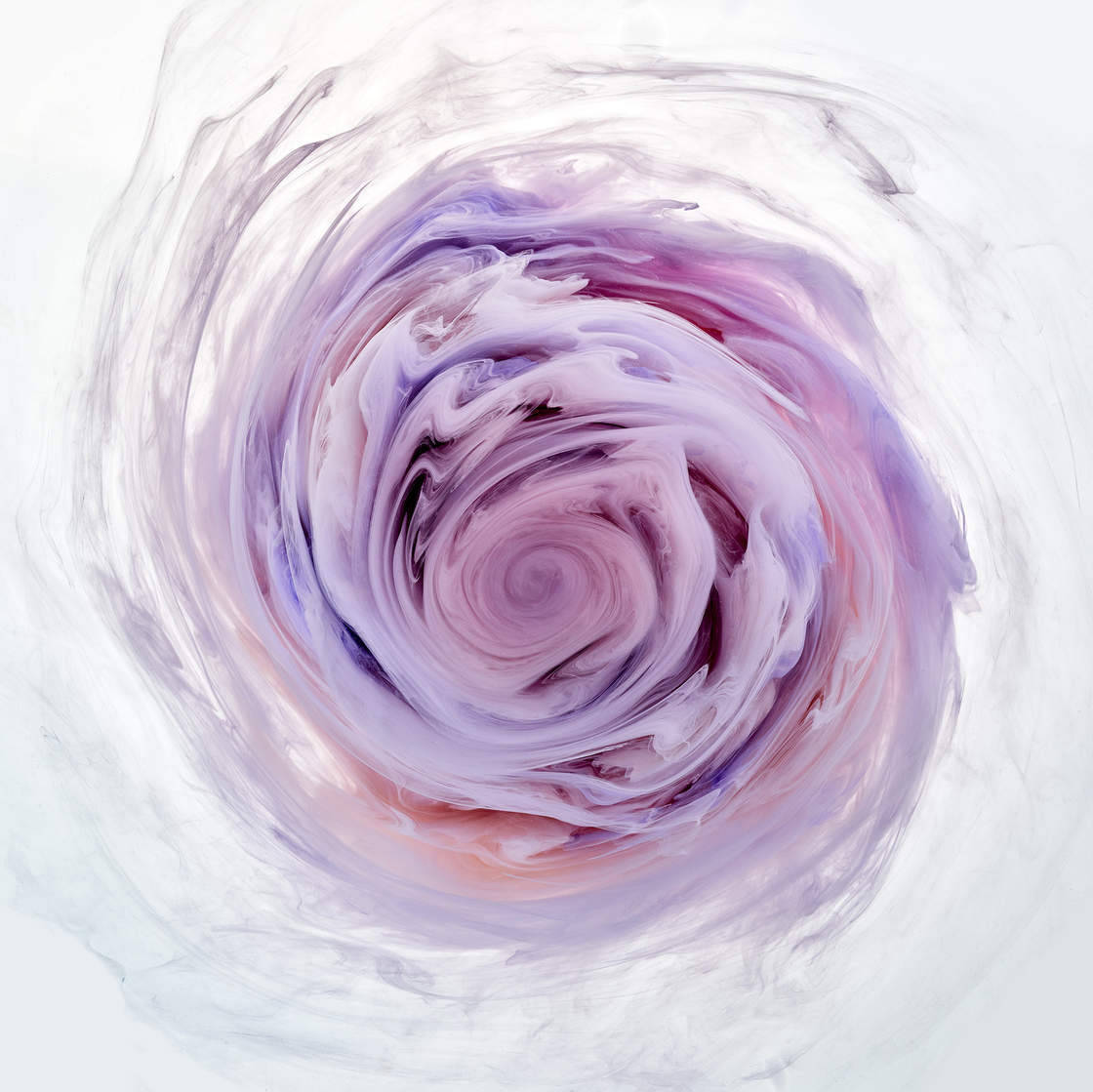
    Liquid sunbursts and swirling aquatic roses abound in photographer Mark Mawson’s work. Images like these are created from dropping ink into water and photographing it as it diffuses. For the roses, the tank is additionally stirred or spinning to create the vortex-like appearance. Check out his website for more striking images, including more billowing ink, some great splashes and beautiful turbulent mixing between coffee and milk. (Image credit: M. Mawson; submitted by clogwog)

  • Featured Video Play Icon

    A Hot Tub, Turned Fluidized Bed

    Fluidized beds continue to be all the rage among science YouTubers, but Mark Rober supersizes his by turning a broken hot tub into a massive bath of bubbling sand. His video includes a nice explanation of how a granular material like sand gets fluidized as well as how to make your own miniature bed. One of my favorite moments is shown in the animation below. When Mark drops a bowling ball into the fluidized bed, it creates a remarkably liquid-like splash. The ball sprays a splash curtain of sand up on impact and sinks into its own cavity. When the cavity seals behind the ball, it shoots up a tall jet of sand, just like a Worthington jet in water. Even with air fluidizing it, the sand doesn’t have surface tension, though, so the jet breaks up quite differently than water! (Video and image credit: M. Rober; submitted by clogwog)

  • Cloud Flows

    Cloud Flows

    When viewed at the right pace, clouds can flow. This timelapse of fog over Mt. Tamalpais State Park near San Francisco shows clouds moving over the hills there. Physically, this flow is an example of a familiar phenomenon known as a hydraulic jump. It happens when a fast-moving flow moves into a region of slower flow. The kinetic energy of the incoming flow gets transferred into potential energy, causing the flow to suddenly rise in height. It can also trigger turbulence, as seen on the right side of the animation. Watch carefully along a river, and you’ll see the same thing happening. Or, if your kitchen sink has a flat bottom, you can create a circular hydraulic jump just by turning on the faucet. You’ll get a region of fast flow right where the water impacts the basin, and a little ways out, you’ll see a circular jump where the water is suddenly taller and slower. That’s a hydraulic jump, too! (Image credit: Nicholas Steinberg Photography, source; submitted by Madi R.)

  • Corrugating Water

    Corrugating Water

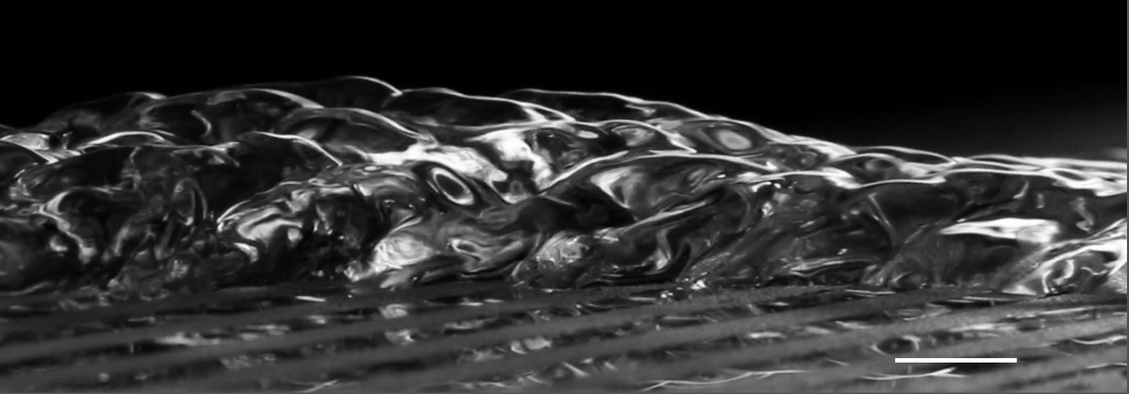
    The characteristics of a surface can have a major impact on the form a flow takes. The photo above shows a corrugated, almost pinecone-like water surface. It’s the result of a sheet of water flowing over a surface with alternating bands of hydrophobic (water-repelling) and hydrophilic (water-loving) properties. The water sheet narrows over hydrophobic sections and expands over hydrophilic ones. Gravity, inertia, and surface tension compete to create the overall braided appearance. You can see a top-down view of the flow in the original poster. (Image credit: M. Grivel et al., source)

  • Merch on Sale Through Dec. 15th

    Merch on Sale Through Dec. 15th

    Reminder: FYFD merchandise is on sale through December 15th! If you’re like me and you’re still looking for holiday gifts, this is a great option 🙂

    As a bonus, Redbubble is running a special sale today, December 11th. Use the code: DAYTWELVE at checkout to get an extra 25% off sitewide!

  • Flow Inside the Heart

    Flow Inside the Heart

    Inside each of us is a remarkable and constant flow, driven by a muscle that’s always at work. As blood circulates through our bodies, it goes through a surprisingly varied journey. In the heart, as seen above, blood flow is very unsteady and quite turbulent, due to the beating pulse of the heart. As valves open and close and the muscle walls constrict and relax, the rushing blood moves in eddy-filled spurts. In the outer reaches of our capillaries, however, the nature of the flow is quite different. Thanks to smaller vessel sizes and other factors, capillary blood flow is much steadier and more laminar. Viscosity becomes more important, as do the non-Newtonian properties of components in our blood. (Image credit: mushin111/YouTube, source; via Science; submitted by Gary N.)

  • Featured Video Play Icon

    Water Music of Vanuatu

    In the Pacific Island nation of Vanuatu, women have a tradition of water music, accompanying their singing with a percussive use of water. This video explores the physics behind this music. Performers use three basic motions – a slap, a plunge, and a plow – that each have distinctive acoustics thanks to the interaction of hand, water, and air. High pitches come from the initial impact on the water, whereas lower pitches come mostly from the collapse of the air cavity in the hand’s wake. By altering the rhythms and patterns of these three building blocks, the musicians create a rich harmony to accompany their singing. (Video credit: R. Hurd et al.)

  • Atmospheric Aerosols

    Atmospheric Aerosols

    Recently, NASA Goddard released a visualization of aerosols in the Atlantic region. The simulation uses real data from satellite imagery taken between August and October 2017 to seed a simulation of atmospheric physics. The color scales in the visualization show concentrations of three major aerosol particles: smoke (gray), sea salt (blue), and dust (brown). One of the interesting outcomes of the simulation is a visualization of the fall Atlantic hurricane season. The high winds from hurricanes help pick up sea salt from the ocean surface and throw it high in the atmosphere, making the hurricanes visible here. Fires in the western United States provide most of the smoke aerosols, whereas dust comes mostly from the Sahara. Tiny aerosol particles serve as a major nucleation source for water droplets, affecting both cloud formation and rainfall. With simulations like these, scientists hope to better understand how aerosols move in the atmosphere and how they affect our weather. (Image credit: NASA Goddard Research Center, source; submitted by Paul vdB)

  • Staying Dry Underwater

    Staying Dry Underwater

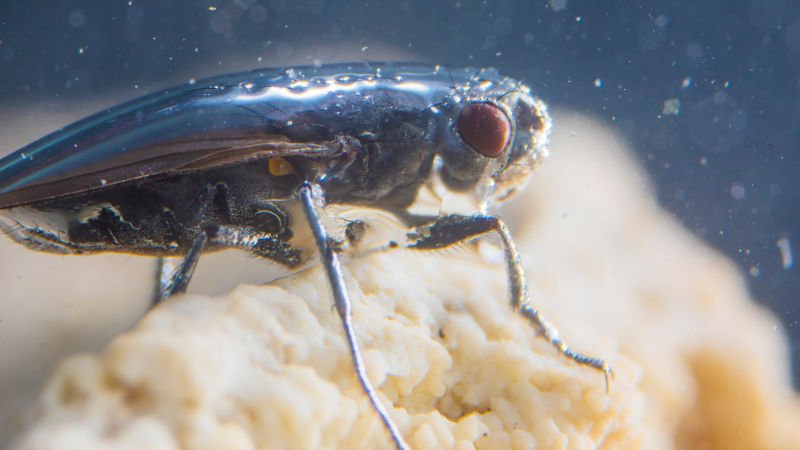
    Many insects are known to quest underwater, but few are as adept at it as the alkali fly. This species has taken common attributes among flies – being covered in tiny hairs and a waxy layer – and really upped the ante. Their extra hairiness and extra waxiness make them extremely difficult to get wet, even in the excessively salty and alkaline waters of California’s Mono Lake, which are enough to defeat all but algae, brine shrimp, bacteria, and alkali flies.

    Staying dry is a challenge, but only one of many this insect tackles. The combination of hair and wax over the insect makes it superhydrophobic, coating it in a silvery layer of air as it crawls below the surface. All that air is buoyant, so to walk underwater, the fly has to exert forces up to 18 times its body weight just to keep from popping back up to the surface.

    The shimmering bubble also helps the fly breathe. Insect respiratory systems use openings all over the exoskeleton to exchange oxygen with the ambient atmosphere via diffusion. While diffusion of oxygen does still happen underwater, it’s a much slower process there. The air sheath around the fly creates a large surface area for oxygen to diffuse, which helps counter the lower diffusion rate. Inside the sheath, the fly breathes as it normally does. (Image and research credit: F. van Breugel and M. Dickinson; via Gizmodo; submitted by @1307phaezr)
  • Swimming Like a Balloon

    Swimming Like a Balloon

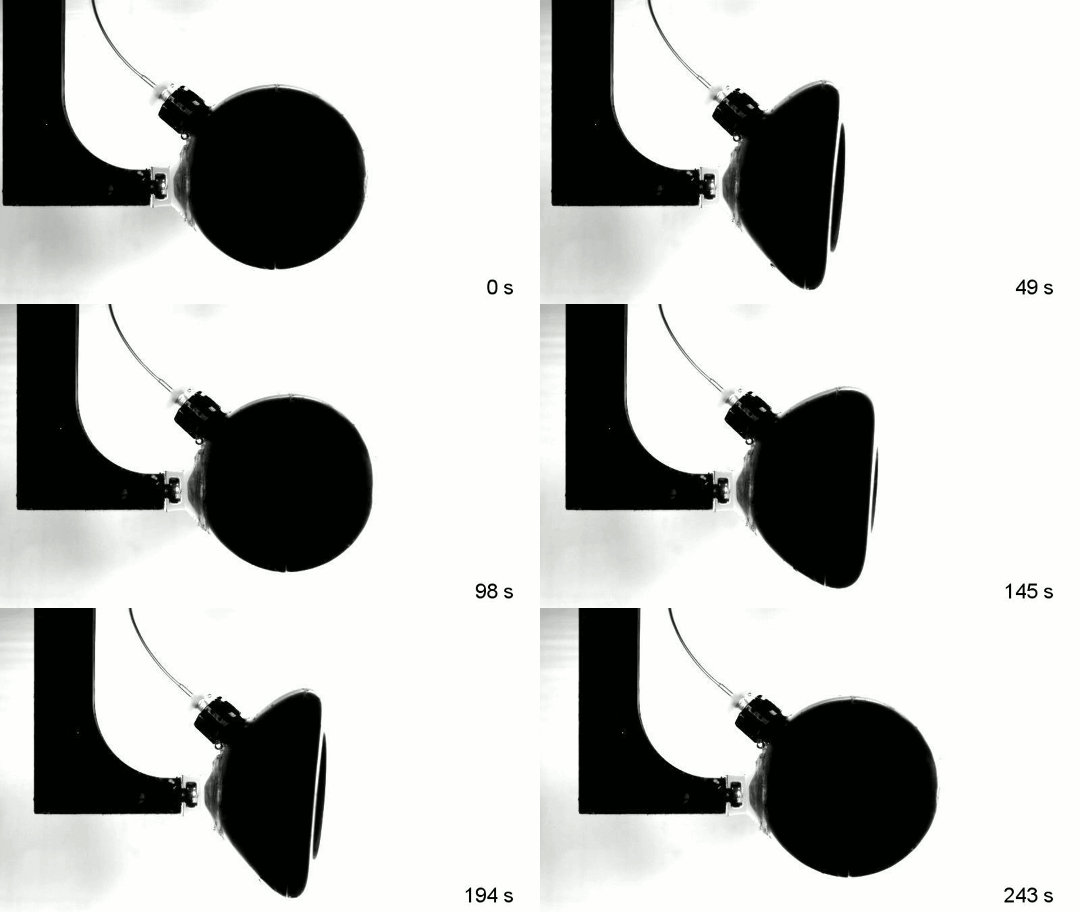
    For humans, swimming is relatively easy. Kick your legs, wheel your arms, and you’ll move forward. But for microswimmers, swimming can be more complicated. For them, the world is a viscous place, and the rules that we swim by can’t help them get around. In a highly viscous world, flows are reversible. Kick one limb down and you might move forward, but when you pull the limb up, you’ll be sucked right back to where you started. So microswimmers must use asymmetry in their swimming. In other words, their recovery stroke cannot be the mirror-image of their power stroke.

    A new study suggests that simple elastic spheres could make good microswimmers through cyclic inflation and deflation. When the sphere deflates, it buckles, making a shape unlike its inflating one. This difference in shape change is enough to propel the sphere a little with each cycle. Right now the test system is a macroscale one, but the researchers hope to continue miniaturizing. (Image and research credit: A. Djellouli et al.; via APS Physics; submitted by Kam-Yung Soh)