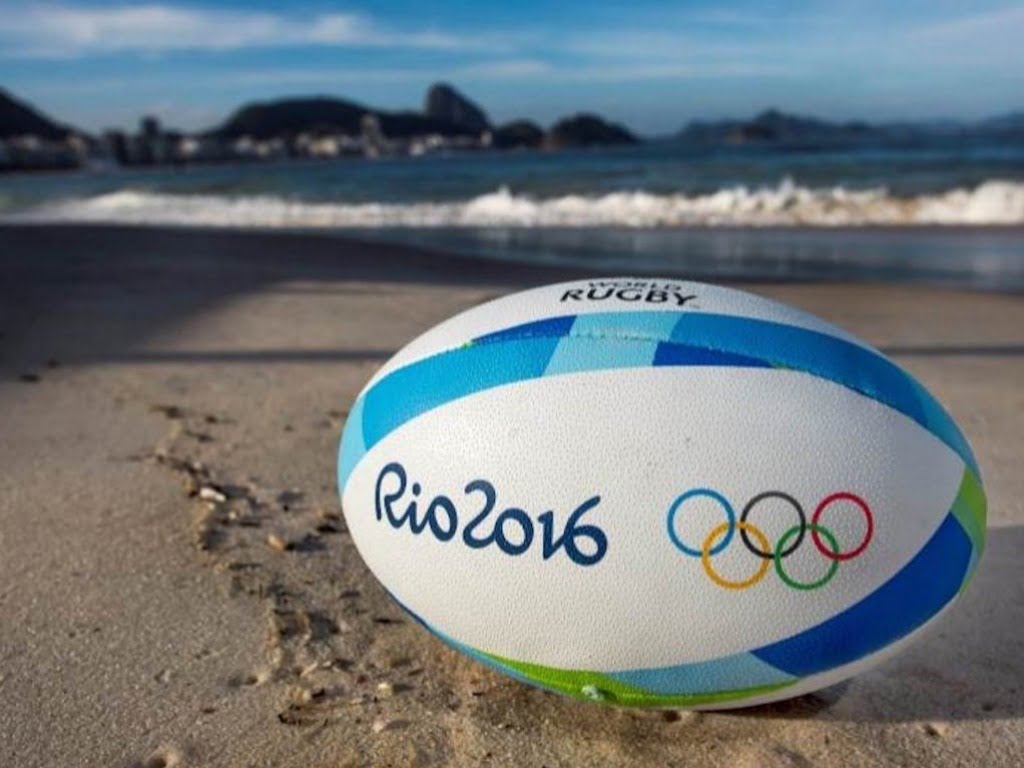
Tag: Rio2016

  • Rio 2016: Diving

    Rio 2016: Diving

    Diving is a popular event for spectators, but it can also be rather confusing. We know that divers are rewarded for minimizing their splash, but what exactly does that mean and how do they do it?

    The ideal water entry, called a rip entry by divers, requires a diver to hit the water in a vertical orientation with their arms braced and palms held flat over their head. Striking the water tears open a cavity for the athlete’s body to enter. To minimize splash, the diver wants to fall into this expanding cavity without striking the sides, which would throw up an additional splash. This is the reason for vertical entry. Hand position is also important. If the athlete were to point their fingers, they would create a narrower cavity and larger splash.

    After the athlete enters the water, the cavity closes off under the surface and the water rebounds in a splashy Worthington jet. For the speed and size of human divers, this later splash is essentially unavoidable. What the commentators don’t really tell you, though, is that diving judges are only supposed to judge a diver’s entry up to the point that their feet go under the surface. They’re instructed to ignore everything that happens underwater and after entry. So that big rebound splash we all see isn’t meant to count! (Image credits: A. Pretty/GettyImages; kaorigoto, source)

    Previously: Minimizing splash by being hydrophilic; the physics of skipping rocks and avoiding splashback at the urinal

    Join us throughout the Rio Olympics for more fluid dynamics in sports. If you love FYFD, please help support the site!

  • Rio 2016: The Swimming Pool Controversy

    Rio 2016: The Swimming Pool Controversy

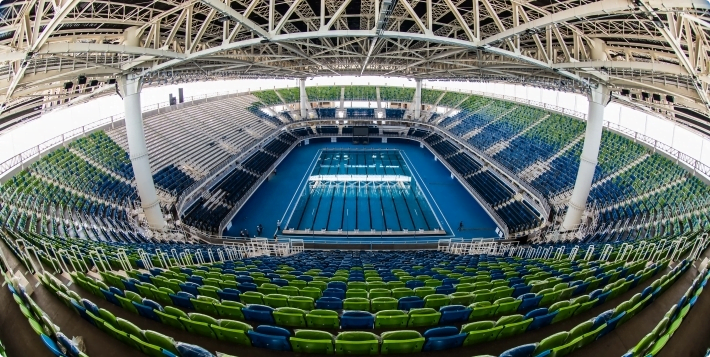
    Statistical analysis suggests possible current in the Rio Olympics swimming pool

    Several news outlets, beginning with The Wall Street Journal, are reporting that the swimming pool in Rio may have had a current that biased athletes’ performances. This is based on a statistical analysis of athlete performances across the meet, conducted by Indiana University’s Joel Stager and his coworkers. According to WSJ, Stager et al. analyzed times of athletes in the preliminary, semifinal, and final races of the 50m, 800m, and 1500m events and found consistent evidence that swimmers in the higher numbered lanes swam faster when moving toward the starting block and swimmers in the lower numbered lanes swam faster when moving toward the turn end of the pool. A separate analysis by Barry Revzin at Swim Swam came to similar conclusions about the direction and magnitude of lane effect in Rio.

    Past questions about lane bias

    This is not the first time questions have been raised about a current-induced bias in competition pools. In fact, Stager and his colleagues published an analysis in 2014 that suggested a similar bias in the pool used for the 2013 World Championships in Barcelona. That pool was a temporary pool built specifically for the competition by Myrtha Pools and was disassembled immediately after, before Stager et al.’s analysis was published.

    A more recent paper by Stager and his colleagues found that lane bias seems to be more prevalent in temporary pools than in permanent ones. The Rio Olympics pool, like the 2013 Worlds pool, is a temporary pool also built by Myrtha Pools.

    Myrtha Pools responds to the criticism 

    Myrtha responded to both WSJ and Swim Swam by sharing videos (1, 2) of their current test, which was conducted before the competition and on Day 3 of competition. The videos show a floating object in one of the outside lanes; neither video shows any noticeable movement of the object.

    Fluid dynamics and swimming pool design

    Competitive swimming pools are complicated recirculating systems that can contain special structures intended to minimize interactions between competitors. Myrtha has built many special event pools in recent years, including ones where the results did not show a bias. According to their website, Myrtha has fluid dynamicists on staff and uses computational fluid dynamics (CFD) to analyze pool performance during design, although they only show examples of freeform pools – not competition pools.

    In fact, I have found remarkably few CFD analyses of swimming pools in the literature. Most papers seem to focus on distribution of disinfectants in pools or in predicting evaporation rates – both practical problems but ones with limited relevance to this particular question.

    So, is there a current in the Rio pool?

    It’s tough to say with certainty that there is a current in Rio’s pool. The performance analyses by Stager et al. and by Revzin do show anomalies in the times of athletes in Rio based on their swim lane, and they show that those anomalies do not exist in many other recent competitions.

    I also do not think Myrtha’s current test constitutes evidence of a lack of current. Their floating object is only indicative of conditions at the air-water interface. Swimmers ride lower in the water and spend significant time completely underwater. Lane markers may also damp any flow effects near the surface.

    I think introducing dye underwater in the pool would do more to reveal any flow that may exist, and this would be a worthwhile test to conduct prior to the deconstruction of the Rio Olympic pool. Additionally, it would be wonderful to see a CFD analysis of the swimming pool, but this would require significant detail about the pool’s design (inlet and outlet locations, etc.) some of which is likely proprietary information.

    Neither dye visualization nor CFD simulation will change the results of this competition, but it may help reveal underlying issues in temporary pool designs so that any bias can be avoided in future competitions.

    (Image credit: Rio City Government)

    Special thanks to @MicahJGreen for bringing this story to my attention and to Dave B. for his assistance.

  • Featured Video Play Icon

    Rio 2016: Badminton

    Badminton is unusual among racquet sports because it does not use a sphere as its projectile. Instead players hit a shuttlecock, traditionally made from a cork ball and a skirt of goose feathers. Despite its unusual shape, the shuttlecock reaches some of the fastest speeds in sports – over 330 kph (200 mph)! The shuttlecock’s high-drag form quickly slows shots down but also gives the game very different trajectories compared to other racquet sports.

    It’s likely that, if you’ve played badminton yourself, you’ve played with a shuttlecock that has a plastic skirt rather than a feathered one. These synthetic shuttlecocks are cheaper and more durable, but they also have different drag characteristics than their feathered cousins. At low speeds, synthetic shuttlecocks have more drag than feathered ones, but at high speeds, the opposite is true. This is because the plastic skirt deforms more easily than the feathers, causing a synthetic shuttlecock’s skirt to collapse into a shape with less drag. (Video credit: Science Friday; research credit: F. Alam et al.)

    Join us throughout the Rio Olympics for more fluid dynamics in sports. If you love FYFD, please help support the site!

  • Rio 2016: Sailing and Rule 42

    Rio 2016: Sailing and Rule 42

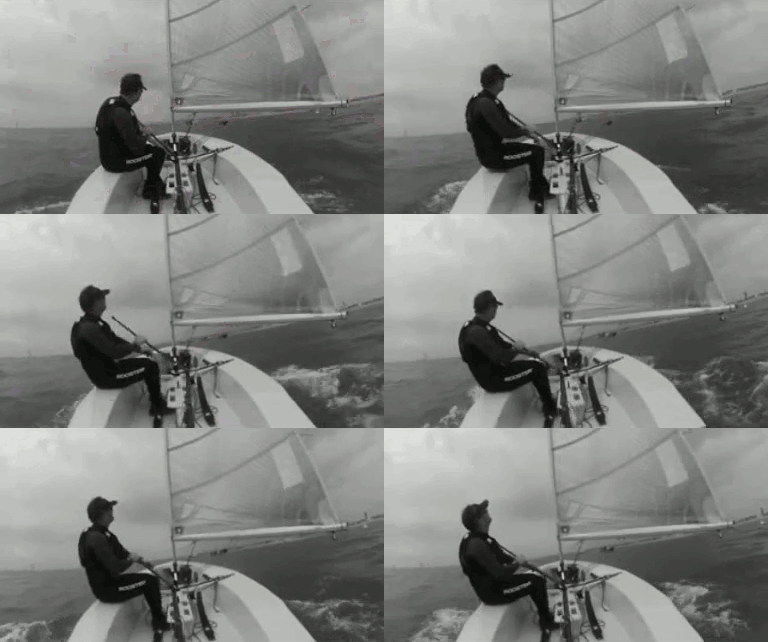
    If you watch some of the sailing in Rio, you may hear commentators mention sailors being penalized for breaking Rule 42. Broadly speaking, Rule 42 says that sailors can’t use their body to propel the boat. While it seems like a little rocking couldn’t make much difference, it turns out events have these rules for good reason.

    One way to break Rule 42 is to perform sail flicking, demonstrated in the animation above. The sailor uses his or her body weight to roll the boat slightly, which causes the sail to flick. Aerodynamically speaking, we’d call this motion heaving. On the flexible sail, this unsteady motion decreases drag, allowing the boat to go faster. Done with the right frequency and amplitude, sail flicking actually makes the sail’s drag become negative, thereby creating thrust!

    The bottom image shows a visualization of the wake of a normal sail (left) and a sail being flicked (right). Both sails shed vortices in the downstream direction, but the flicked sail has much stronger vortices, indicated by the darker colors. In addition to giving a sailor an illegal boost, sail flicking creates more difficult, turbulent conditions for any competitors downstream, so it’s restricted in many (but not all) sailing events. (Image credits: AP Photos; Reuters; National Solo, source; research and flow diagram credit: R. Schutt and C. Williamson, pdf)

    Join us throughout the Rio Olympics for more fluid dynamics in sports. If you love FYFD, please help support the site!

  • Rio 2016: Long Jump

    Rio 2016: Long Jump

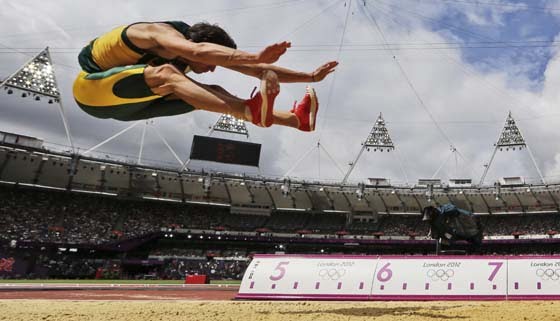
    Long jump, like many track and field events, is affected by fluid dynamics in subtle ways. Both wind speed and altitude can modify a jumper’s performance – first, by changing the maximum speed they reach in their sprint, and second, through aerodynamic drag while in flight. Air resistance accounts for roughly 10% of a sprinter’s energy expenditure. A slight tailwind gives an athlete a minor boost in speed that can translate into a more significant increase in jump distance. On the other hand, though, a headwind of the same magnitude has an even stronger negative effect on performance.

    The other factor, altitude, comes into play through air density. The official Olympic record for the long jump was set by Bob Beamon in the 1968 Mexico City Games. The high altitude of Mexico City results in an air density that’s only 75% of that at sea level. That’s tougher on athletes in terms of oxygen levels, but it’s a big reduction in the overall drag they face, resulting in both a higher sprinting speed and less aerial drag. This is part of why Beamon’s jump stood as a world record for well over 20 years! (Image credits: AP Photo; AFP/GettyImages; Reuters)

    Previously: Can dimpled shoes help runners?; the unusual aerodynamics of the javelinthe physics of the discus

    Join us throughout the Rio Olympics for more fluid dynamics in sports. If you love FYFD, please help support the site!

  • Rio 2016: Synchro Swimming and Water Polo

    Rio 2016: Synchro Swimming and Water Polo

    Both synchronized swimming and water polo require competitors to hold themselves stable above the water’s surface without touching the pool’s bottom. One of the basic techniques for doing so in both sports is known as the eggbeater kick, shown above. The eggbeater kick is very similar to the motion for the breaststroke’s kick, but it’s performed upright and with alternating leg motions, sweeping a clockwise circle with the left leg and a counterclockwise one with the right.

    A swimmer typically stays afloat due to a buoyant force equal to the weight of the volume of water the swimmer displaces. Rising further out the water means reducing the buoyant force, so the swimmer must generate other forces to counter their weight. The eggbeater kick does this two ways. First, as the swimmer sweeps their foot around, it acts like a hydrofoil, generating lift that holds the swimmer up. Second, other parts of the kick cycle force water downward, which, by Newton’s third law, pushes the swimmer up. 

    Keeping a wide stance and sweeping the legs alternately allows the athlete to balance the horizontal forces their motions create while keeping the upward forces generated relatively constant. This gives them a stable, arms-free platform that’s a foundation for everything else their sport requires.  (Image credits: GettyImages; The Studio WLV, source)

    Previously: How buoyancy helps swimmers

    Join us throughout the Rio Olympics for more fluid dynamics in sports. If you love FYFD, please help support the site!

  • Rio 2016: Track Cycling

    Rio 2016: Track Cycling

    Track cycling is a sport where speed is everything. As much as 90% of the resistance a rider has to overcome is aerodynamic drag. To minimize drag, riders wear form-fitting one-piece skinsuits and wear special, streamlined helmets. They have aerodynamic bikes (unique left-side-drive ones, if you’re the Team USA women) and ride with their arms close together and thrust in front of them to minimize the frontal area they expose. 

    Even the tactics of racing rely heavily on aerodynamics. In events like team pursuit cyclists stay extremely close to the wheel of the rider ahead of them in order to remain in that rider’s slipstream and experience less drag. When switching off the position of lead rider, cyclists use the curvature of the track to help them move to the back of the paceline quickly to minimize the time spent outside of their teammate’s draft. (Image credits: GettyImages via the Guardian and the IOC, source)

    Previously: Cycling’s aero equipment helps them beat the clock; the effect of cyclists being followed by a motorbike or car

    Join us throughout the Rio Olympics for more fluid dynamics in sports. If you love FYFD, please help support the site!

  • Rio 2016: Table Tennis

    Rio 2016: Table Tennis

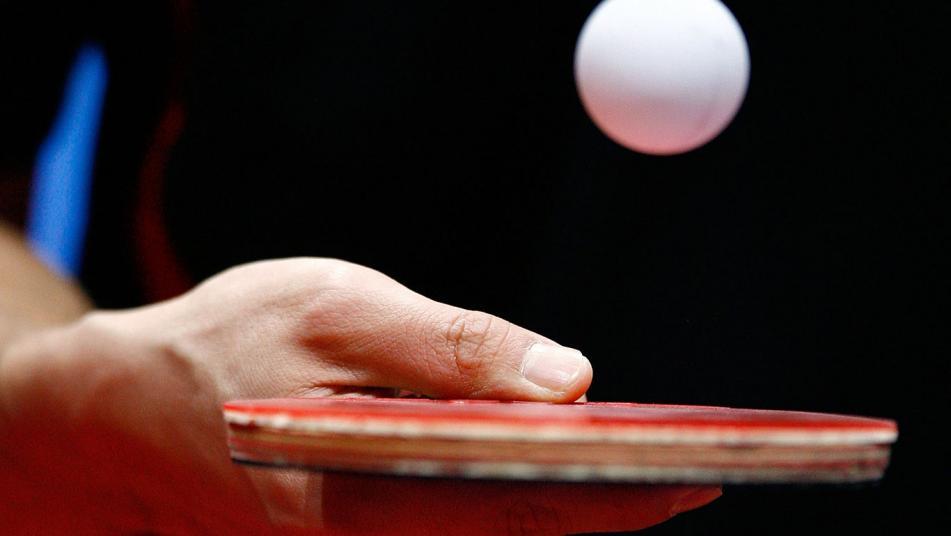
    Many sports use spherical balls, but the small size and weight of a table tennis ball makes it the one where aerodynamics have the strongest effect. Spin also plays a big role in the game by creating asymmetry in the flow around the ball. 

    Consider a table tennis ball with topspin, meaning that its upper surface is rolling in the direction of travel. That means that air flowing over the top of the ball is moving in the opposite direction as the ball’s surface. This will tend to make the flow separate from the ball at its widest point. 

    On the other side, the ball’s surface is spinning in the same direction as the air flow. This helps hold the air to the surface so that it follows the curve of the ball longer and doesn’t detach until well after the ball’s widest point. As a result of both these effects, air flowing around the ball experiences a net upward force, which in turn pushes the table tennis ball downward. This is known as the Magnus effect, and it plays a significant role in many sports.   (Image credits: GettyImages; AFP)

    Previously:  The Magnus effect and the reverse Magnus effect in soccer; curveballs and knuckleballs in baseball 

    Join us throughout the Rio Olympics for more fluid dynamics in sports. If you love FYFD, please help support the site!

  • Rio 2016: Whitewater Sports

    Rio 2016: Whitewater Sports

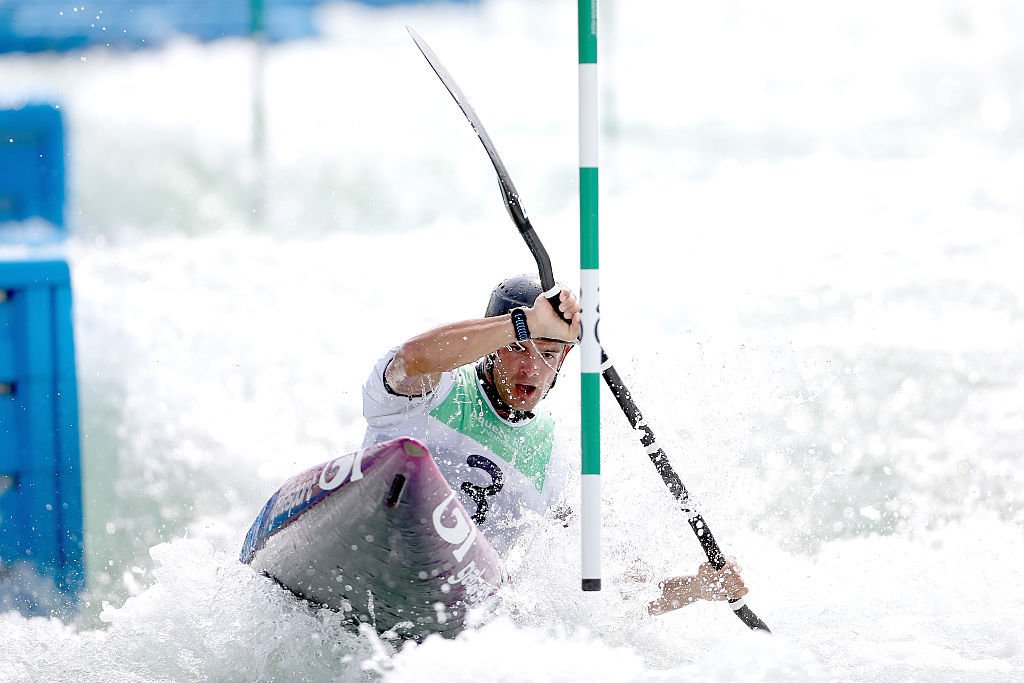
    The whitewater rapids of canoe slalom have their origins in mountain streams. Today the sport’s Olympic venues are artificial rivers, specially designed to provide world-class rapids whatever the geography of the host city. Rio’s course, like London’s, is reconfigurable; its features are controlled by the placement of Lego-like plastic blocks.

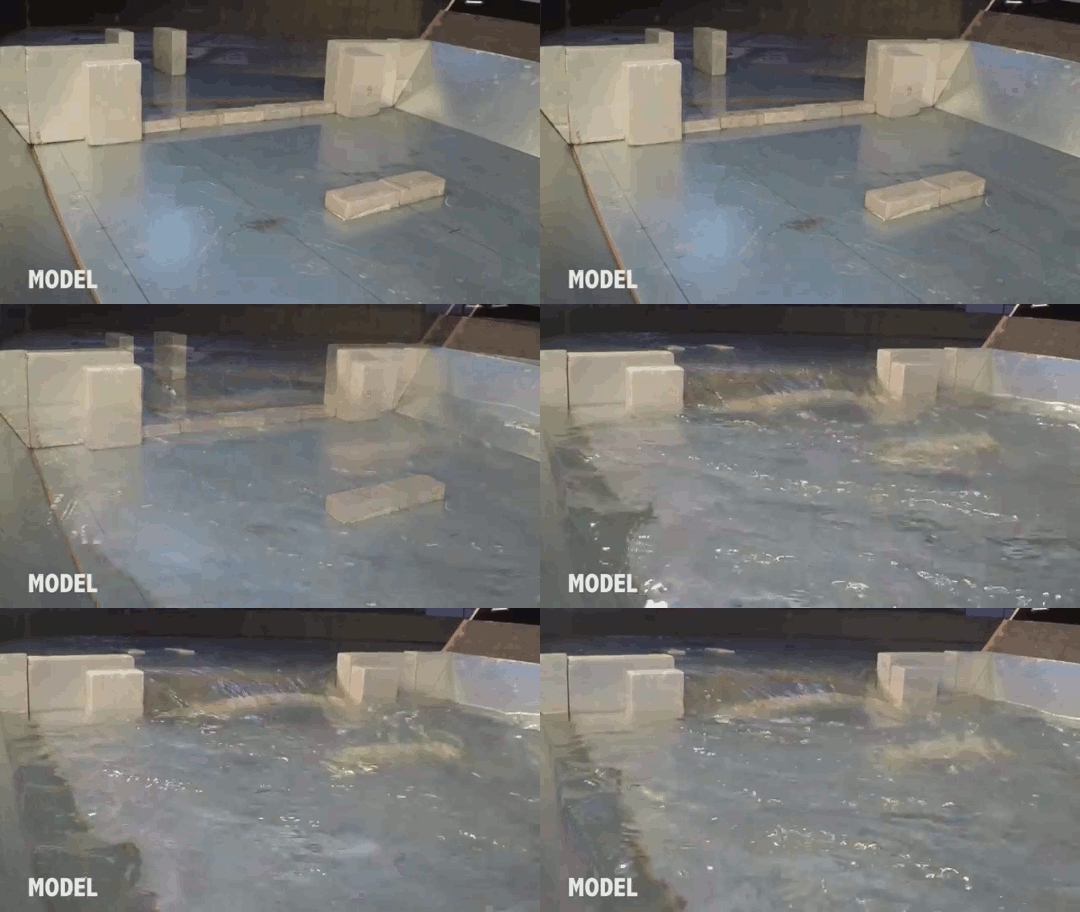
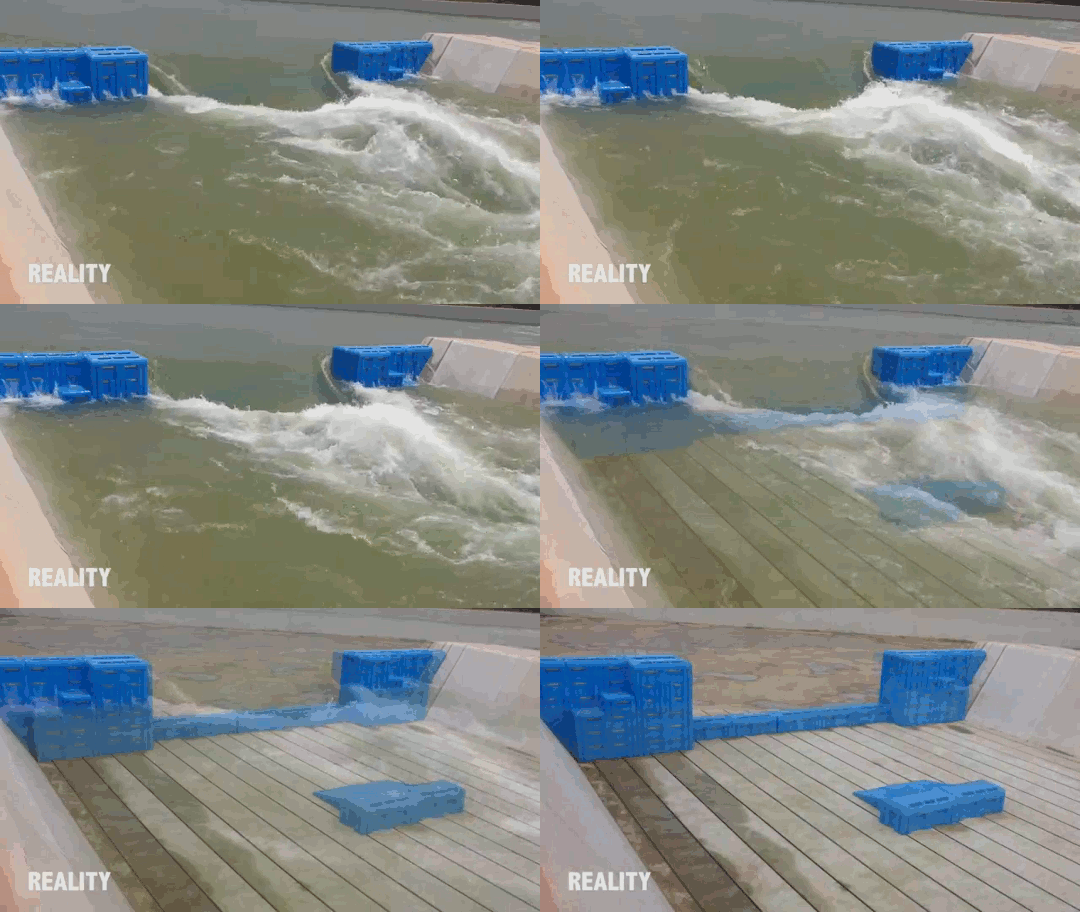
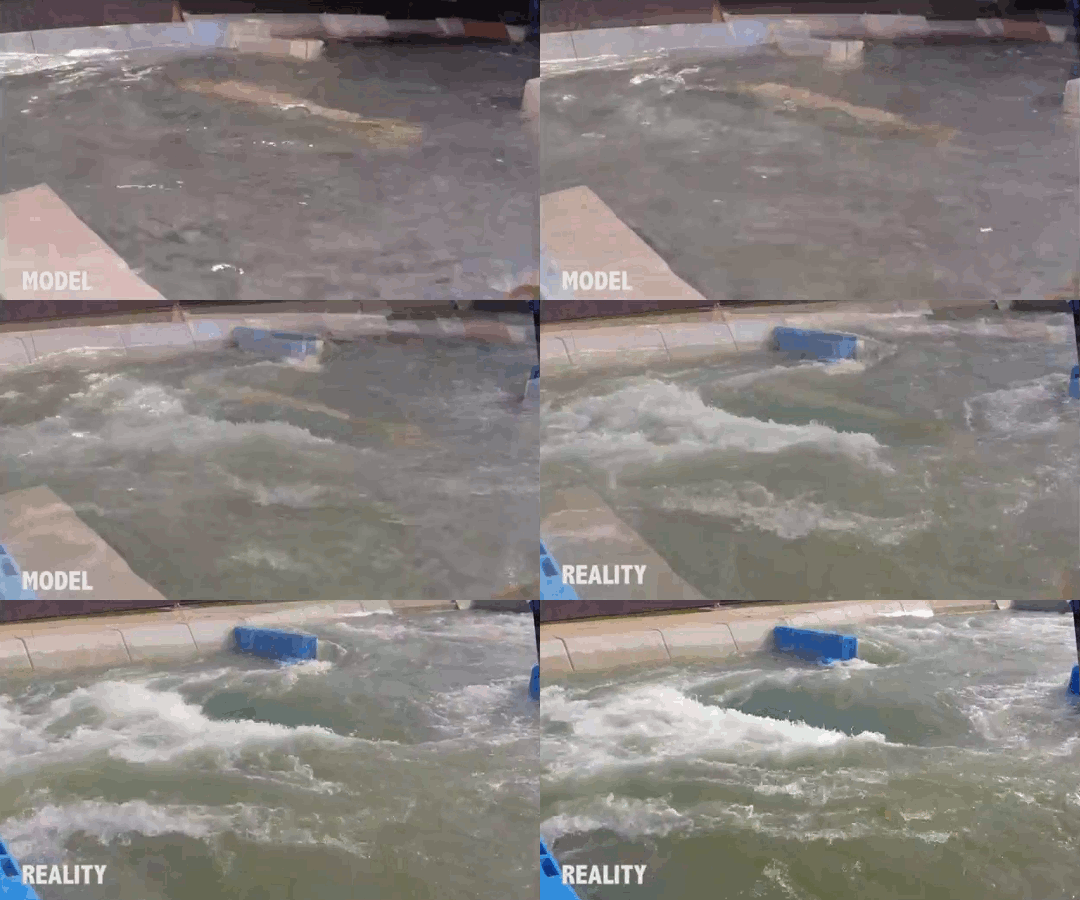
    A key part of the course’s design process was building a small-scale physical model of the course. To maintain the dynamics of the rapids at a smaller physical scale, engineers used a concept called similitude. Surface waves like rapids are a function of the flow’s inertia and the effects of gravity, a ratio that’s captured in the dimensionless Froude number. To match the small-scale model to the real flow, engineers scaled the features of the real course down such that the Froude number stayed the same between the model and the full-scale course. As seen in the animations above, this meant that the model had the same general flow features as the final course, letting engineers and designers test and fine-tune features before construction. Learn more about the model and its construction in these two videos. (Image credits: kayaker – Getty Images; model comparisons – J. Pollert, source)

    Previously: Physics of rowingwhy that octopus kite looks so real

    Join us throughout the Rio Olympics for more fluid dynamics in sports. If you love FYFD, please help support the site!

  • Rio 2016: Rugby

    Rio 2016: Rugby

    The sport of rugby returns to the Olympics in Rio this year. Rugby’s ball is somewhat similar in size and shape to an American football, but it is a little wider and more rounded. Aerodynamically, this means that the rugby ball has  more drag, but it is also more stable in flight, allowing players to pass and kick accurately, with or without a spiral.

    As seen in the flow visualizations above, air travels up and around the ball before separating on the far side. The more the ball is tilted, the larger this separated region is and the greater the drag. At the same time, though, that tilt provides lift on the ball. The ideal orientation is the one with the largest ratio of lift force and drag force. For a rugby ball, this occurs at about 40 degrees.(Image credits: Planet Rugby; A. Vance et al.)

    Previously: The aerodynamics of the American football

    Join us throughout the Rio Olympics for more fluid dynamics in sports. If you love FYFD, please help support the site!