Search results for: “art”

  • Featured Video Play Icon

    Liquefaction in Earthquakes

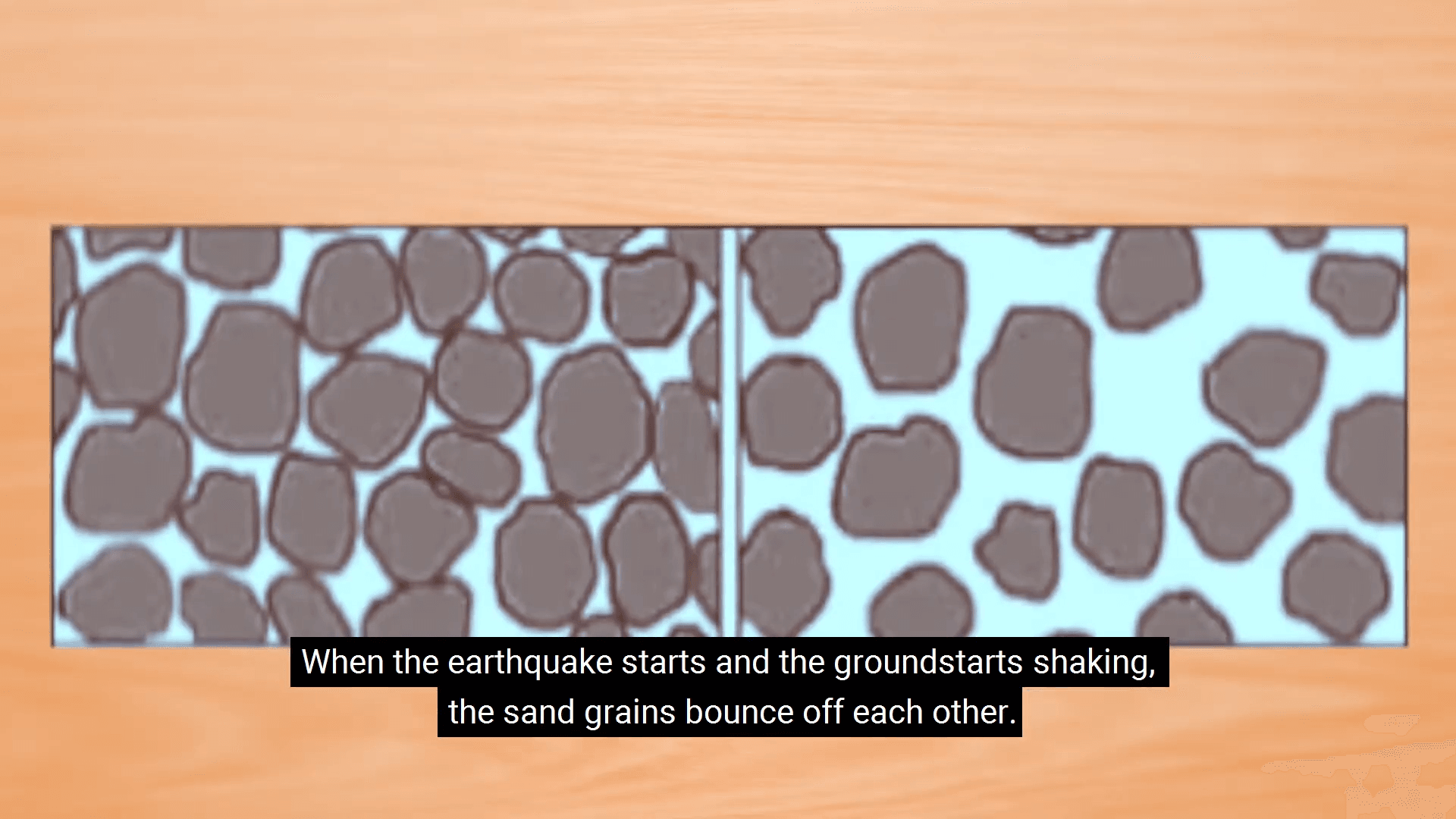
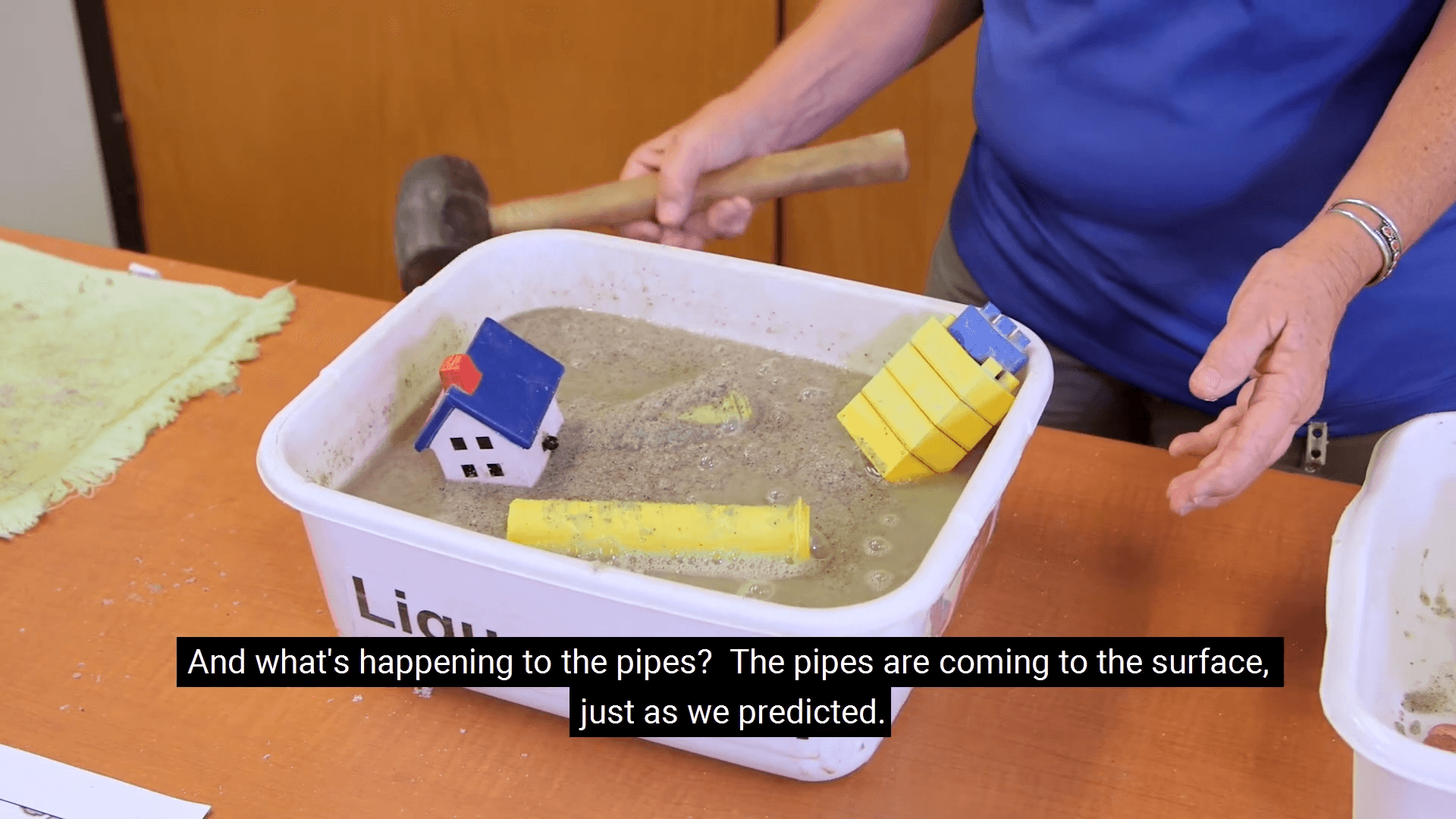
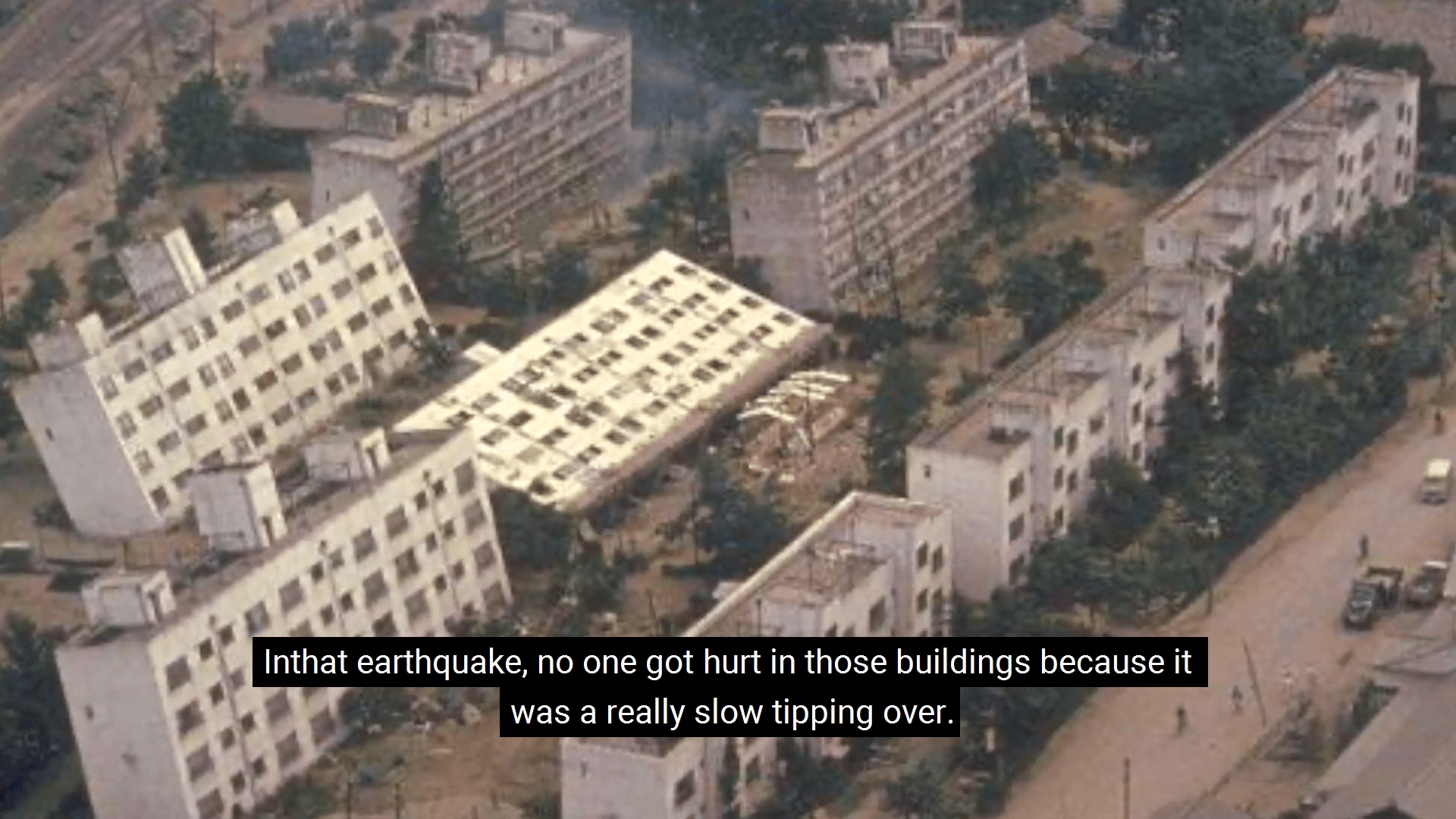
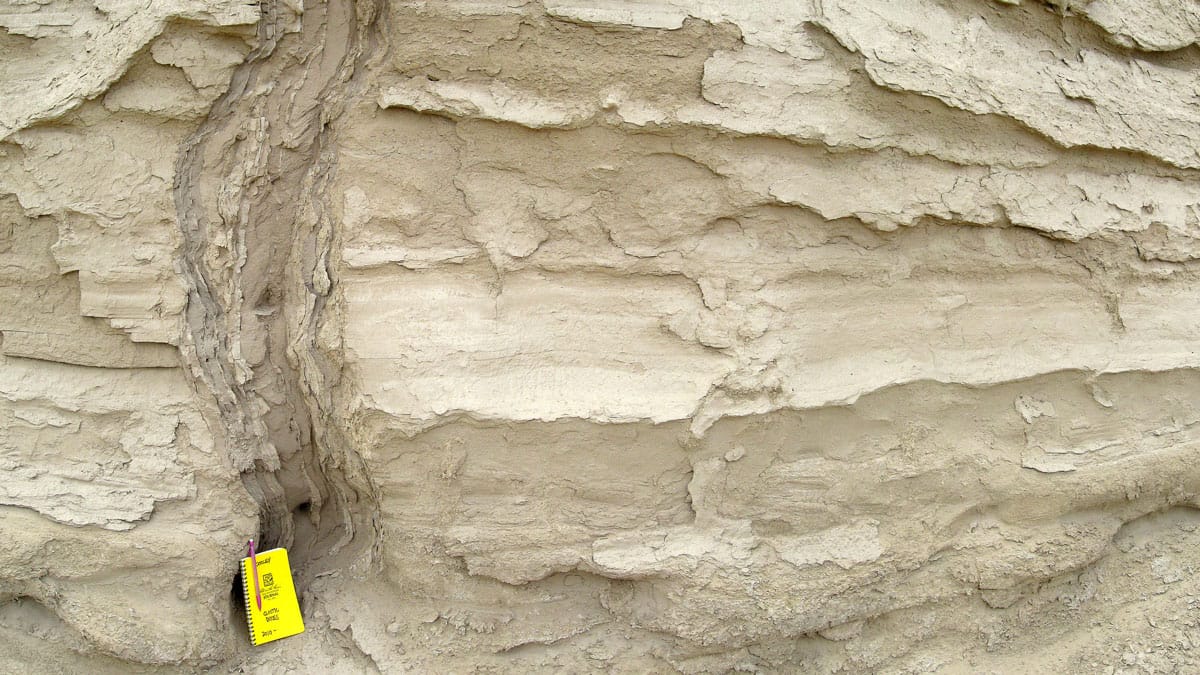
    In an earthquake, sand and soil particles get jostled together, forcing any water between them up toward the surface. The result is liquefaction, a state where once-solid ground starts to behave much like a liquid. Buildings can tip over and pipelines get pushed toward the surface. In this video, a geologist shows off some great demonstrations of the effect, including ones that can be easily done in a classroom with younger kids. (Video credit: California Geological Survey)

    Fediverse Reactions
  • Martian Polar Spiral

    Martian Polar Spiral

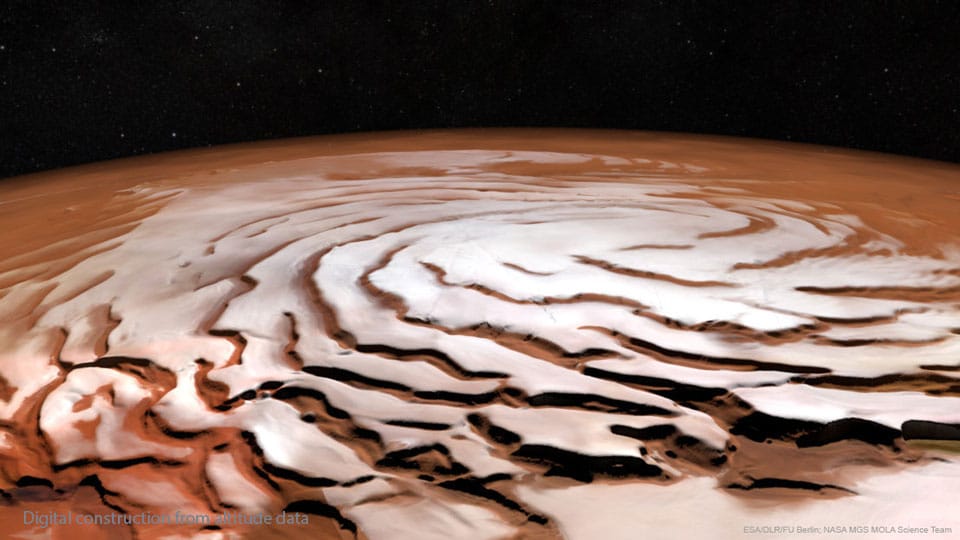
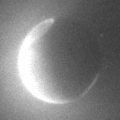
    The North Pole of Mars is a raised spiral, and each winter a new layer, roughly a meter thick, of carbon dioxide ice gets deposited over it. Strong cold winds rush down from the center of the pole. Mars’s spin creates a Coriolis effect that makes the winds spiral out as they descend. When they cross a depression in the surface, it creates a vortex that erodes the depression deeper. As the depressions deepen and merge, they form the troughs seen here. For more, see this post. (Image credit: ESA/DLR/FU BerlinNASA MGS MOLA Science Team; via APOD)

  • Biodegradable PIV Particles

    Biodegradable PIV Particles

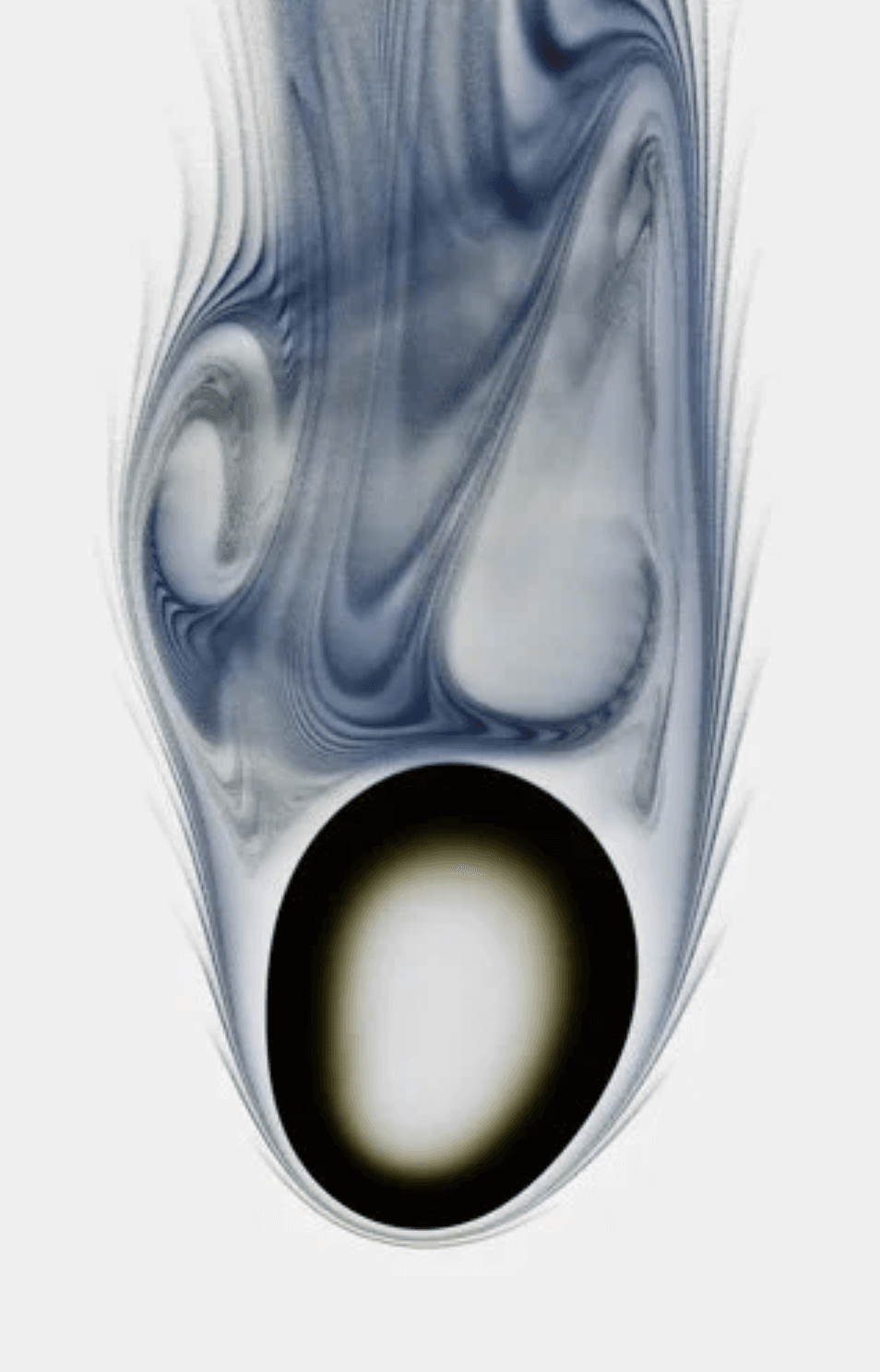
    Particle image velocimetry–PIV, for short–is used to visualize fluid flows. The technique introduces small, neutrally-buoyant particles into the flow and illuminates them with laser light. By comparing images of the illuminated particles, computer algorithms can work out the velocity (and other variables) of a flow. Typical methods use hollow glass spheres or polystyrene beads as the particles that follow the flow, but these options have many downsides. They’re expensive–as much as $200/pound–and they can potentially harm test subjects, like animals whose swimming researchers are studying. Instead, researchers are now looking at biodegradable options for PIV particles.

    One study found that corn and arrowroot starches were good candidates, at least for applications using artificial seawater. The powders were close to neutrally-buoyant, had uniform particle sizes, and accurately captured the flow around an airfoil, live brine shrimp, and free-swimming moon jellyfish. (Image credit: M. Kovalets; research credit: Y. Su et al.; via Ars Technica)

    Fediverse Reactions
  • Earth’s Core is Leaking

    Earth’s Core is Leaking

    In Earth’s primordial days, liquid iron fell through the ball of magma that was our planet, collecting elements–like ruthenium-100–that are attracted to iron. All of that material ended up in Earth’s outer core, a dense sea of liquid metal that geoscientists assumed was unable to cross into the lighter mantle. But recent observations suggest instead that core material is making its way to the surface.

    Measurements from volcanic rocks in the Galapagos Islands, Hawai’i, and Canada’s Baffin Island all contain ruthenium isotopes associated with that primordial core material, indicating that that magma came from the core, not the mantle. Separately, seismic analyses suggest that this material could be crossing through continent-sized blobs of warm, large-grained crystals caught deep below Africa and the Pacific, at the boundary between the mantle and the outer core. For more, check out this Quanta Magazine article. (Image credit: B. Andersen; research credit: N. Messling et al. and S. Talavera-Soza et al.; via Quanta)

    Fediverse Reactions
  • Featured Video Play Icon

    How Particles Affect Melting Ice

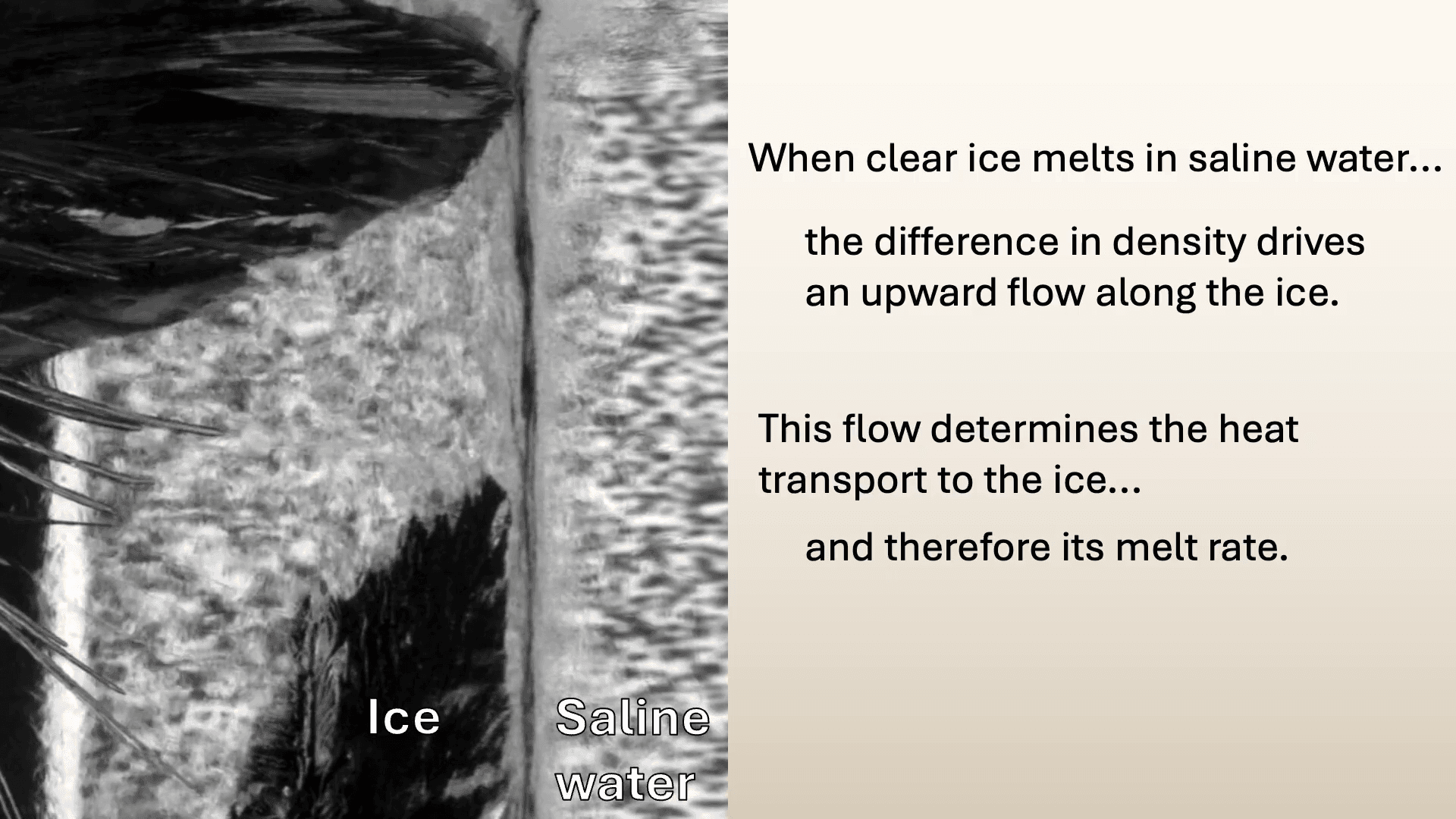
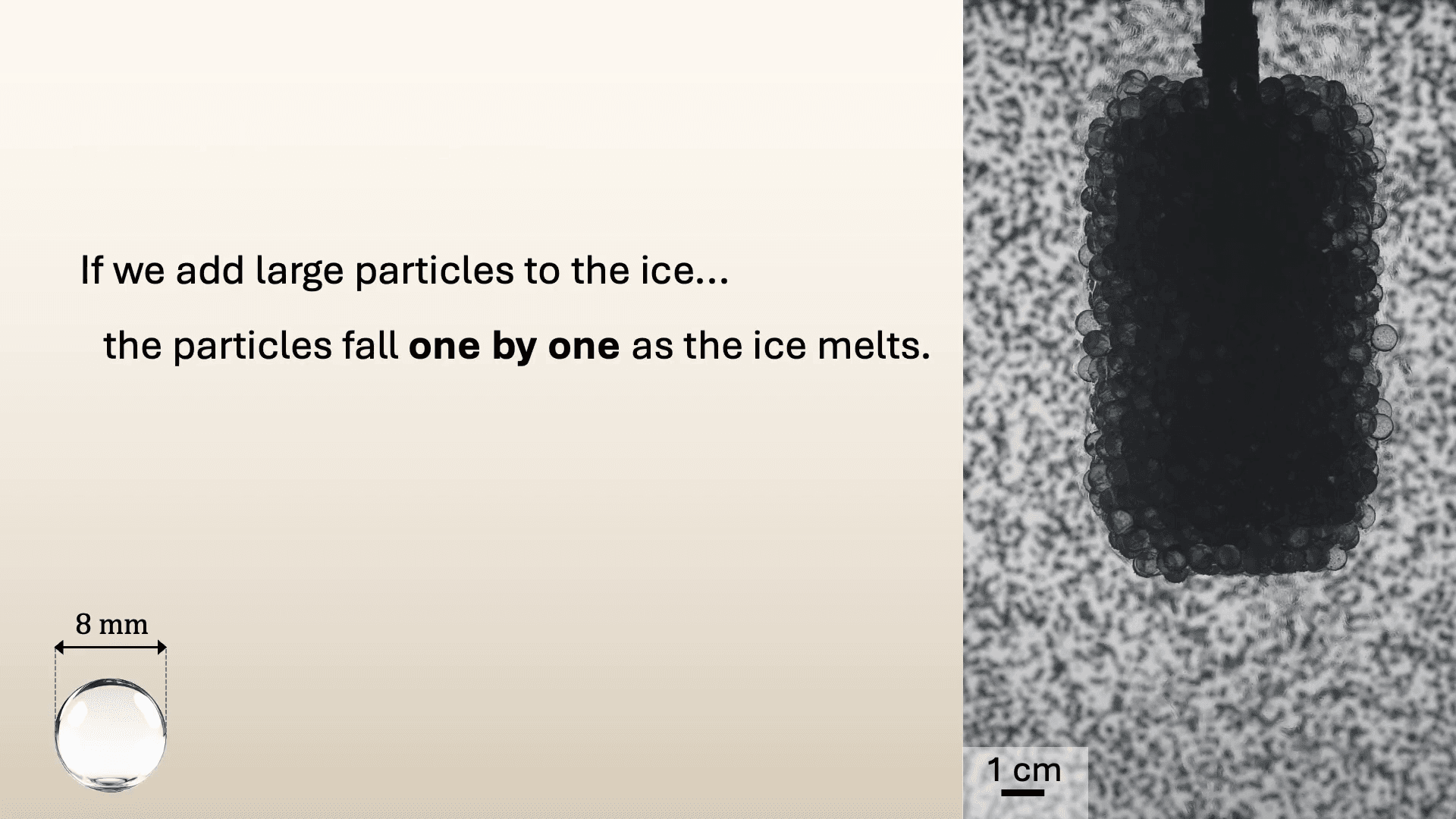
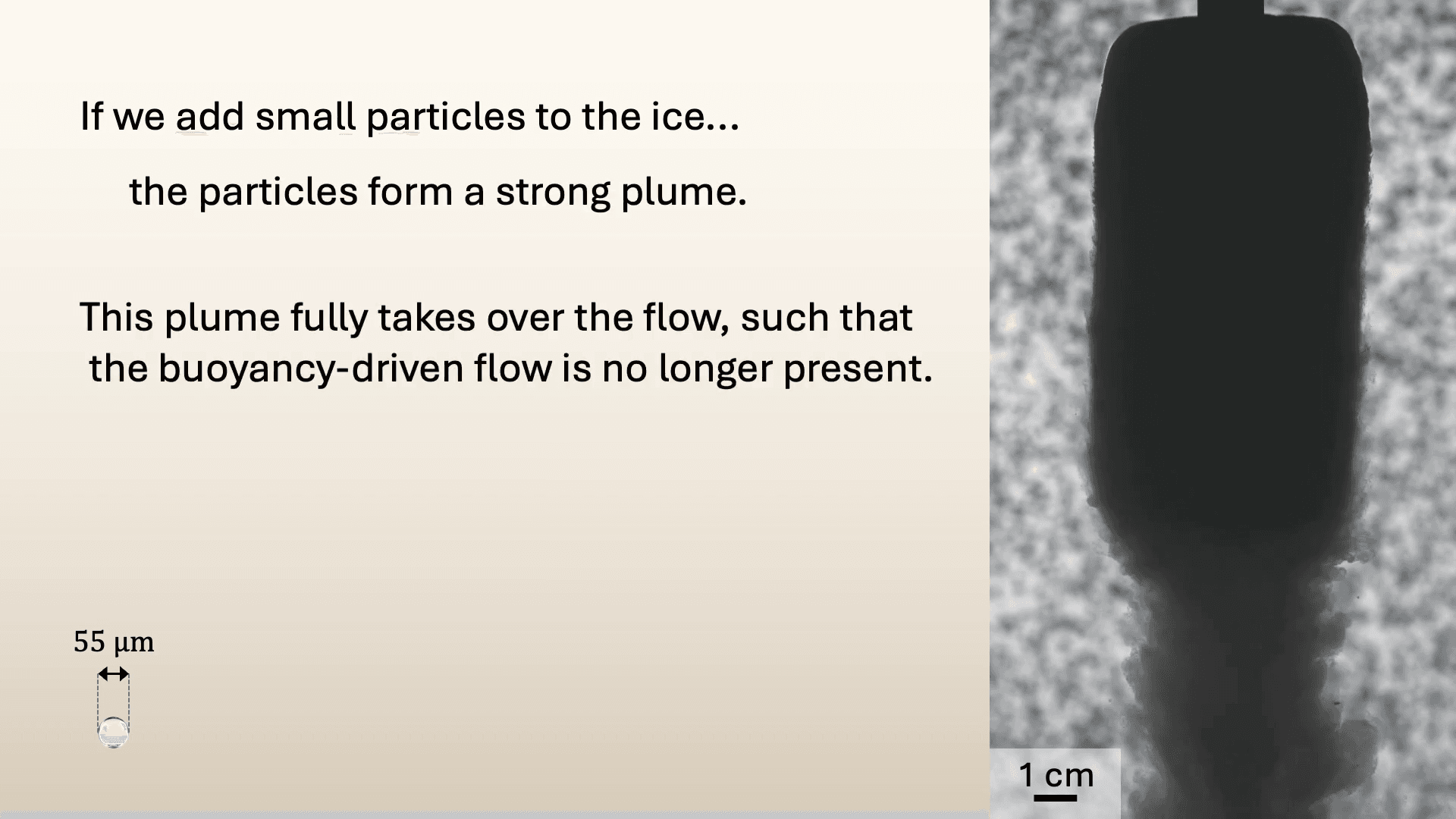
    When ice melts in salt water, there’s an upward flow along the ice caused by the difference in density. But most ice in nature is not purely water. What happens when there are particles trapped in the ice? That’s the question this video asks. The answer turns out to be relatively complex, but the researchers do a nice job of stepping viewers through their logic.

    Large particles tend to fall off one-by-one, which doesn’t really affect the buoyant upward flow along the ice. In contrast, smaller particles fall downward in a plume that completely overwhelms the buoyant flow. That strong downward flow makes the ice ablate even faster. (Video and image credit: S. Bootsma et al.)

    Fediverse Reactions
  • Martian Streaks Are Dry

    Martian Streaks Are Dry

    Dark lines appearing on Martian slopes have triggered theories of flowing water or brine on the planet’s surface. But a new study suggests that these features are, instead, dry. To explore these streaks, the team assembled a global database of sightings and correlated their map with other known quantities, like temperature, wind speed, and rock slides. By connecting the data across thousands of streaks, they could build statistics about what variables correlated with the streaks’ appearance.

    What they found was that streaks didn’t appear in places connected to liquid water or even frost. Instead, the streaks appeared in spots with high wind speeds and heavy dust accumulation. The team included that, rather than being moist areas, the streaks are dry and form when dust slides down the slope, perhaps triggered by high winds or passing dust devils.

    Although showing that the streaks aren’t associated with water may seem disappointing, it may mean that NASA will be able to explore them sooner. Right now, NASA avoids sending rovers anywhere near water, out of concern that Earth microbes still on the rover could contaminate the Martian environment. (Image credit: NASA; research credit: V. Bickel and A. Valantinas; via Gizmodo)

    Fediverse Reactions
  • Artificial Reoxygenation

    Artificial Reoxygenation

    Phytoplankton blooms have blossomed in coastal waters around the world, driven by phosphorus and nitrogen in agricultural run-off. These large algal blooms deplete oxygen in the water, creating dead zones where fish and other marine life cannot survive. Typically, oxygen makes its way into the ocean at the surface, where breaking waves trap air in bubbles that, when tiny enough, dissolve their oxygen into the water. But this process mainly helps surface-level waters, and without means to circulate oxygen-rich water down to the depths, the low-oxygen state persists.

    Artificial reoxygenation is a possible countermeasure. Either by bubbling oxygen directly into deeper waters or by pumping surface-level water downward, we could increase oxygen levels in the water column. So far, though, artificial reoxygenation’s success has been limited; tests in a few bays and estuaries show that it’s possible to reoxygenate the water, but the effects only last as long as the artificial mechanism remains active. Stop the pumps and bubblers and the water will revert to its low-oxygen state in just a day. Even so, the measures may be worthwhile on a temporary basis in some places while we adjust agricultural practices and try to mitigate warming. (Image credit: Copernicus Sentinel/ESA; via Eos)

    Fediverse Reactions
  • Flamingo Fluid Dynamics, Part 2: The Game’s a Foot

    Flamingo Fluid Dynamics, Part 2: The Game’s a Foot

    Yesterday we saw how hunting flamingos use their heads and beaks to draw out and trap various prey. Today we take another look at the same study, which shows that flamingos use their footwork, too. If you watch flamingos on a beach, in muddy waters, or in a shallow pool, you’ll see them shifting back and forth as they lift and lower their feet. In humans, we might attribute this to nervous energy, but it turns out it’s another flamingo hunting habit.

    A mechanical model of a flamingo's foot reveals how its stomping and shape change create a standing vortex.

    As a flamingo raises its foot, it draws its toes together; when it stomps down, its foot spreads outward. This morphing shape, researchers discovered, creates a standing vortex just ahead of its feet — right where it lowers its head to sample whatever hapless creatures it has caught in this swirling vortex. And the vortex, as shown below, is strong enough to trap even active swimmers, making the flamingo a hard hunter to escape. (Image credit: top – L. Yukai, others – V. Ortega-Jimenez et al.; research credit: V. Ortega-Jimenez et al.; submitted by Soh KY)

    Video showing how active swimmers can get caught in the flamingo's stomping vortex.
    Fediverse Reactions