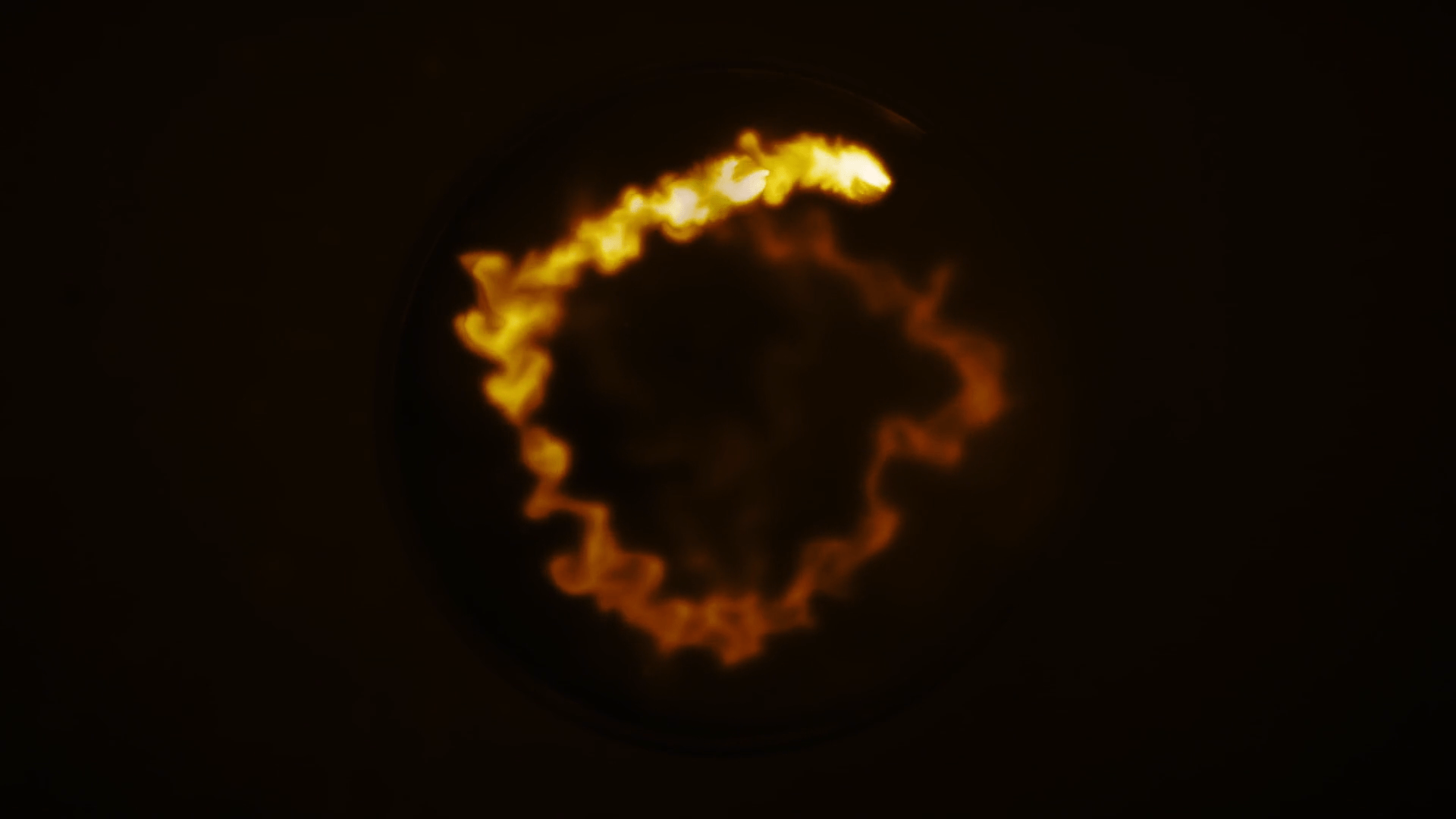
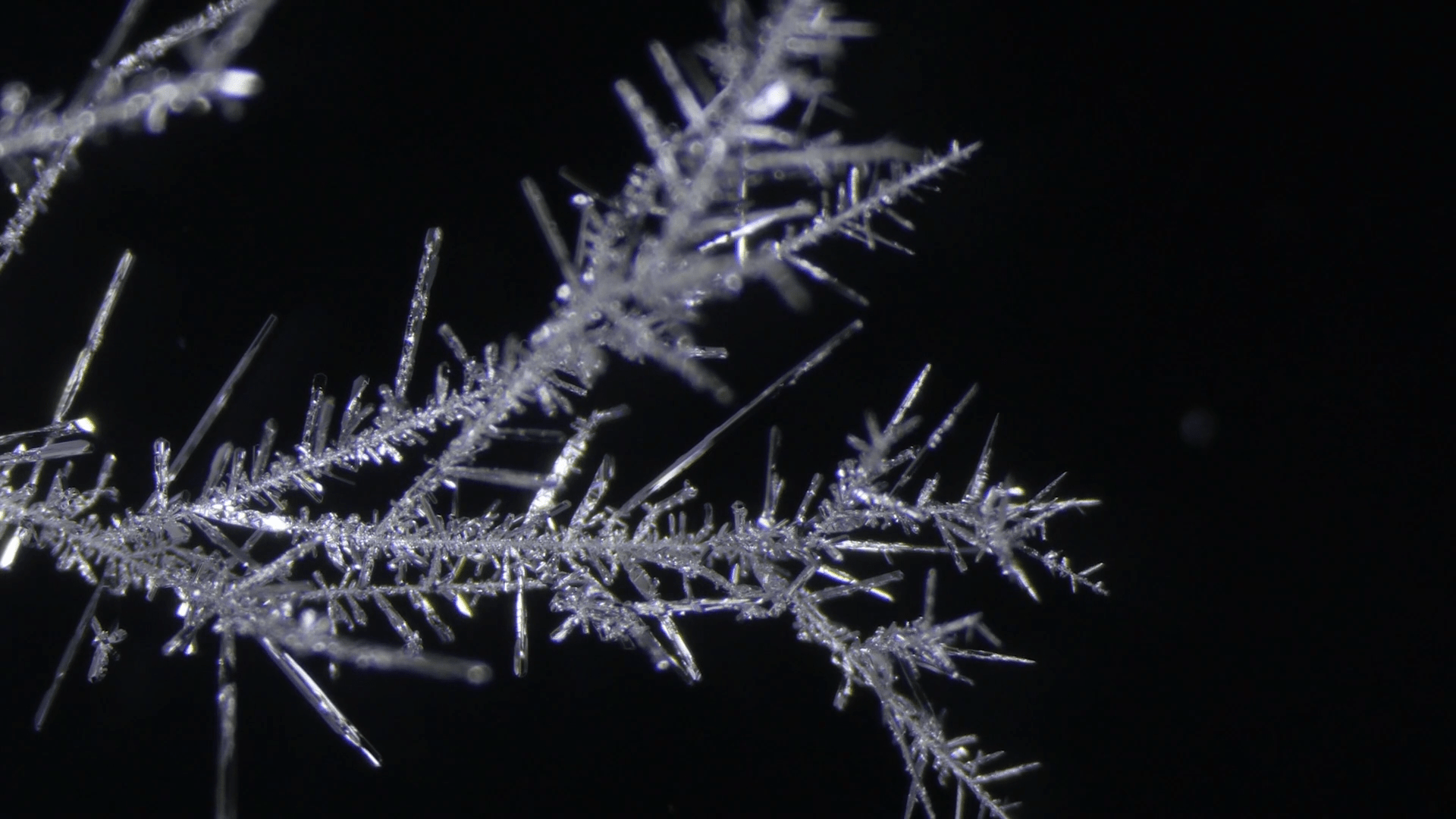
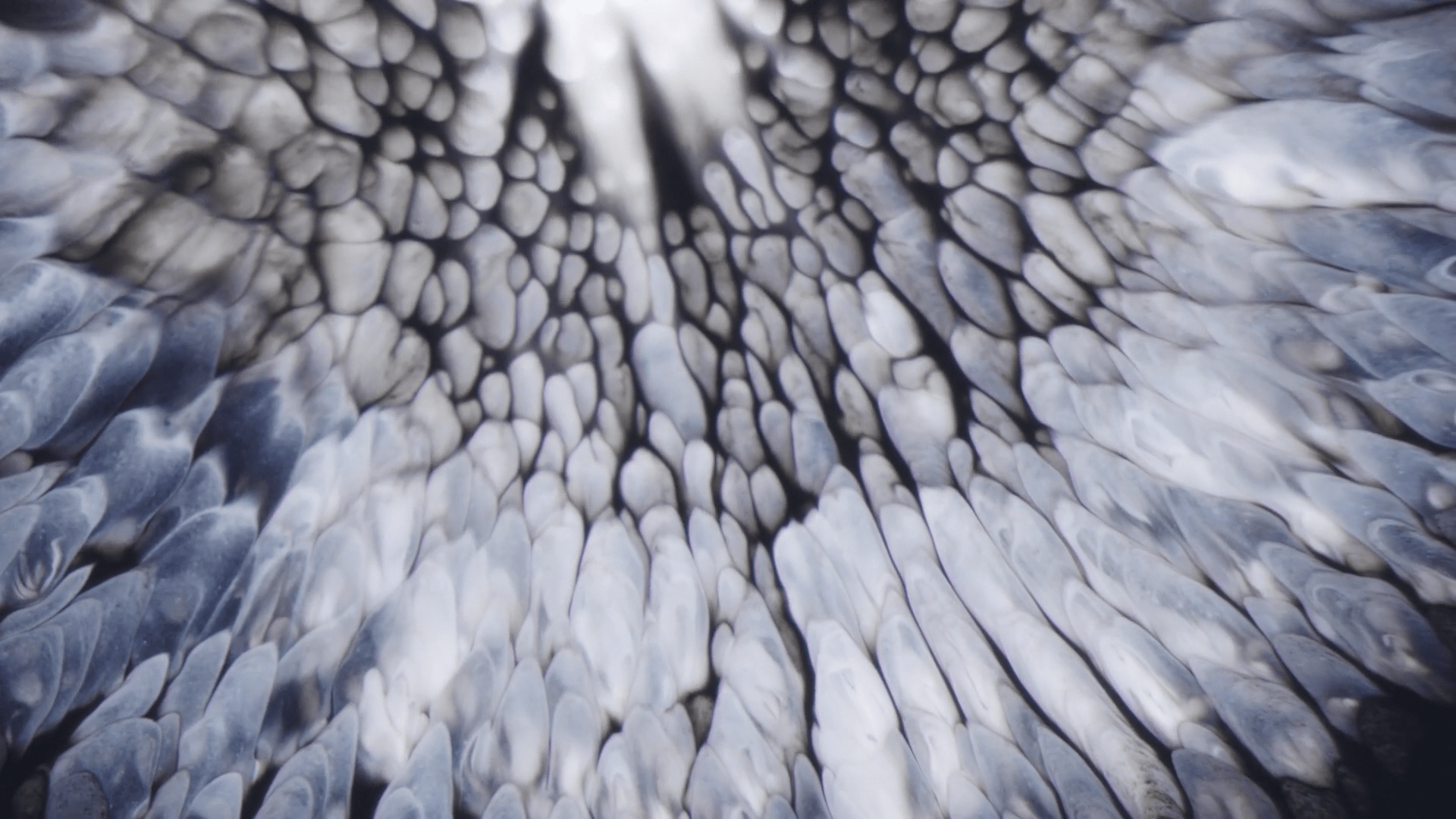
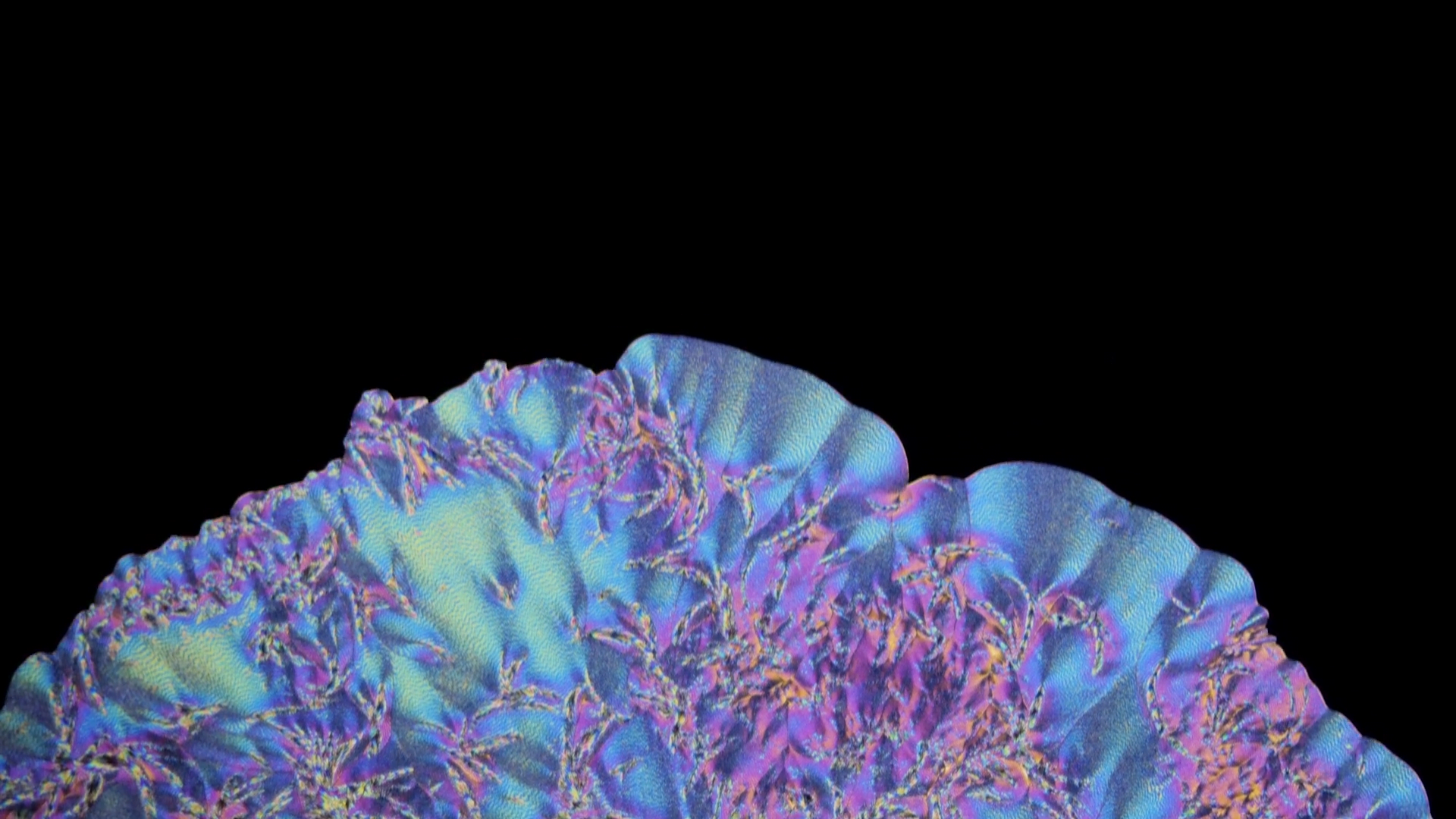
“Columbia” is a music video illustrated with fluid dynamics, chemistry, and biology by the Beauty of Science team. It’s got everything from precipitation to crystallization, from infrared imagery of wakes to timelapses of growing molds. How many phenomena can you identify? (Video and image credit: Beauty of Science)
Month: April 2021

Loopy Networks and Bird Lungs
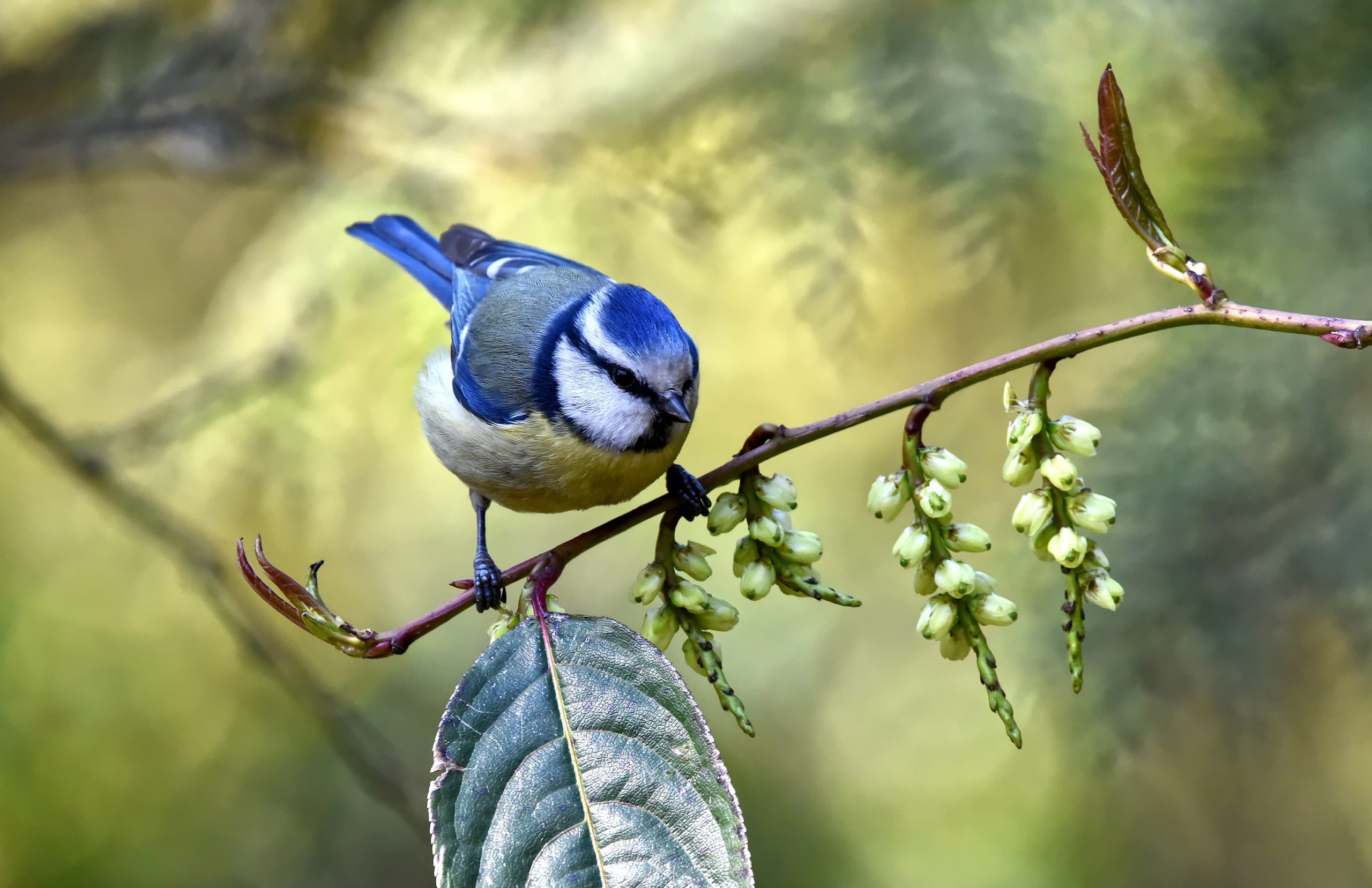
When mammals breathe, air flows back and forth inside our lungs. But in birds that inhale and exhale get transformed into one-directional flow inside their lungs. To figure out how, researchers built loopy networks of pipes that turn oscillating flow into unidirectional flow.
The simplest structure that does this is shown above. The main loop is driven by a pump that oscillates back and forth. A second loop connects through two T-junctions, oriented at 90-degrees to one another. Watch the particles in each loop carefully. Those in the bottom loop move back and forth, driven by the oscillating pump. But the particles in the upper loop only move in one direction! The key to this, the researchers found, are vortices that form at the T-junctions (last image). When the flow in the main loop changes direction, it creates vortices that block flow along one arm of the T-junction, thereby isolating the upper loop. (Image credit: bird – A. Mckie, others – Q. Nguyen et al.; research credit: Q. Nguyen et al.; via APS Physics; submitted by Kam-Yung Soh)

Signs of Spring
Nothing says, “Goodbye, winter!” quite like watching the ice disappear after a deep freeze. This timelapse video shows ice on Lake Michigan breaking up after a deep freeze. The first chunk to go is a massive plate of ice that moves off in a single large chunk. After that, the break-up takes place on a smaller scale, with individual pieces of ice tracing the flow of local currents. (Video and image credit: WGN News; submitted by ajhir)

Viscoelastic Coiling
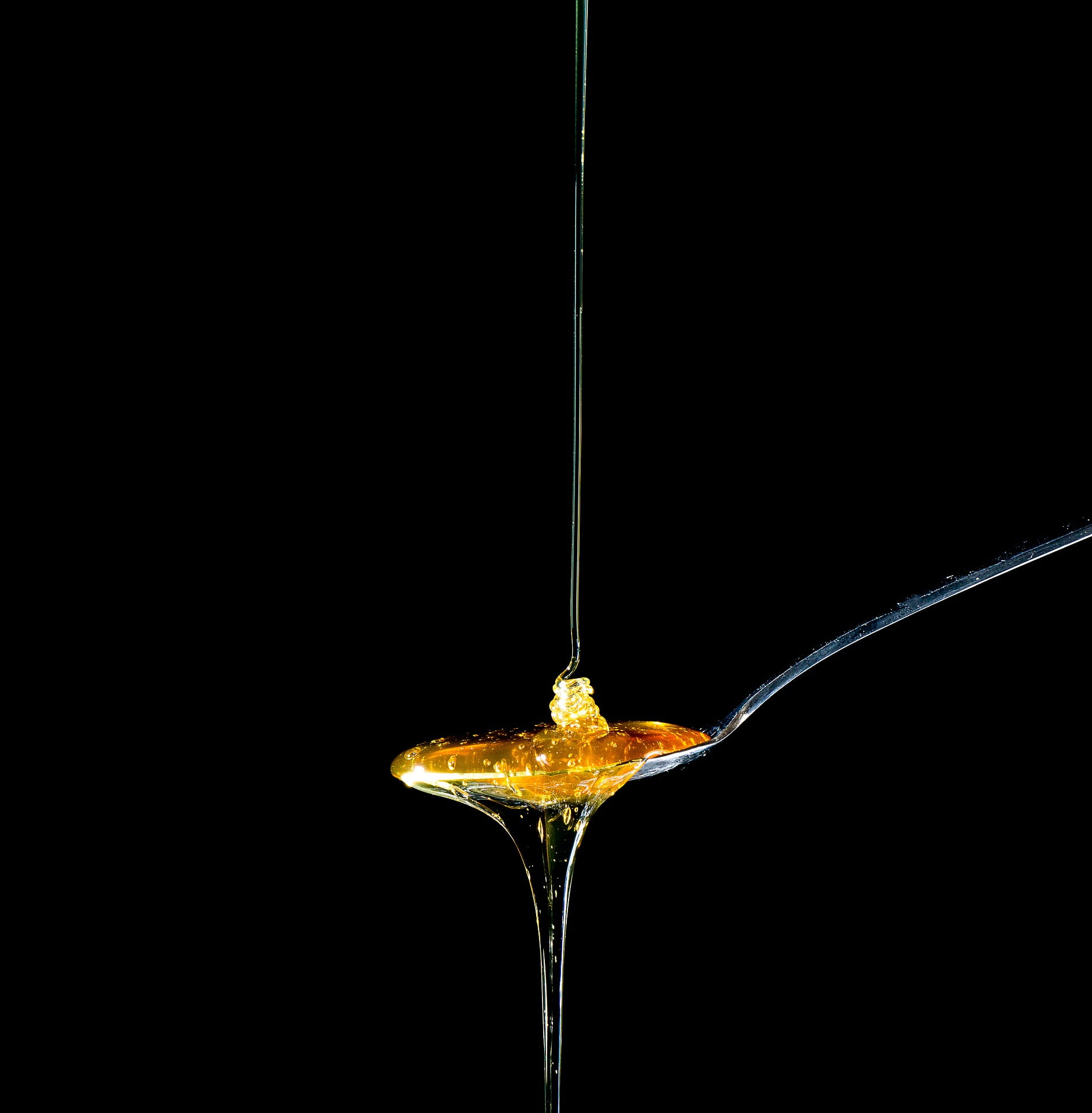
Drizzle honey or syrup from high enough, and you’ll see it coil like a liquid rope. This feature of viscous fluids also extends to polymer-filled viscoelastic fluids. But recent work shows that the elasticity of these fluids delays the onset of coiling; put differently, if you pour two fluids of comparable viscosity, the viscoelastic one will have to fall farther before it will start coiling. The authors also found that the coiling frequency for a viscoelastic fluid is smaller than a viscous one, given the same experimental conditions. (Image credit: flo222; research credit: Y. Su et al.)

Kelvin Wakes
Whether you’re watching ducks cruise by on a pond or a boat making its way across the ocean, you’ve probably noticed a distinctive V-shaped wake. This shape is known as a Kelvin wake, and it forms because waves in water don’t all move at the same speed. Instead, the speed a wave travels at depends on its wavelength; smaller wavelengths travel slower than larger ones, a phenomenon known as dispersion. The characteristic shape of a Kelvin wake is the result of many waves of different wavelength (and therefore speed) added together. (Video and image credit: Minute Physics)

Sea Swirls by the Shore
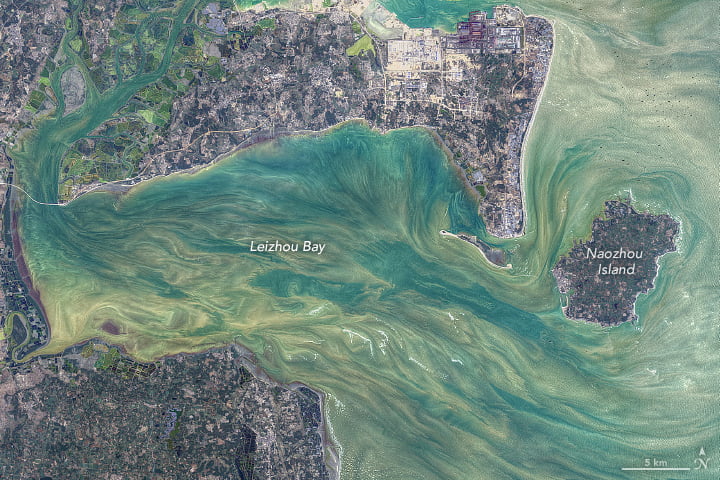
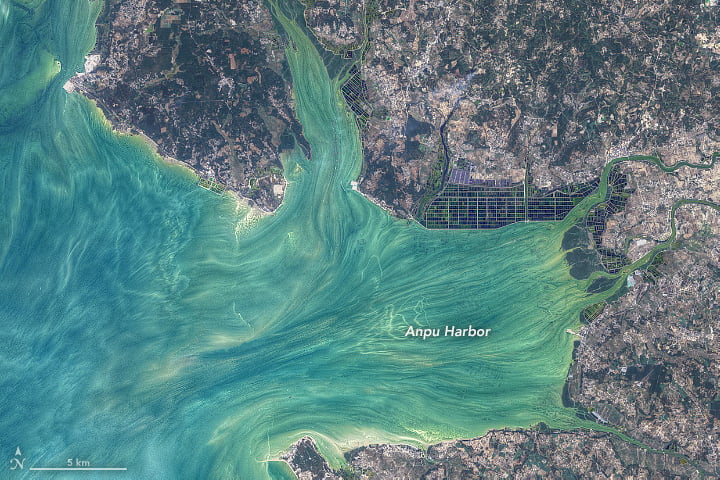
Water and sediments swirl in these enhanced satellite photos of China’s Leizhou Peninsula. Color-filtering algorithms have drawn out the details of the flows, but the patterns themselves are real. Tides, currents, sediment, and human activity combine to form these complex flows along the peninsula’s shores. The straight parallel lines seen off Liusha Bay, for example, are likely the result of a traditional fishing method using nets suspended off poles anchored into the seabed. (Image credit: N. Kuring; via NASA Earth Observatory)

Iceberg Melting Depends on Shape
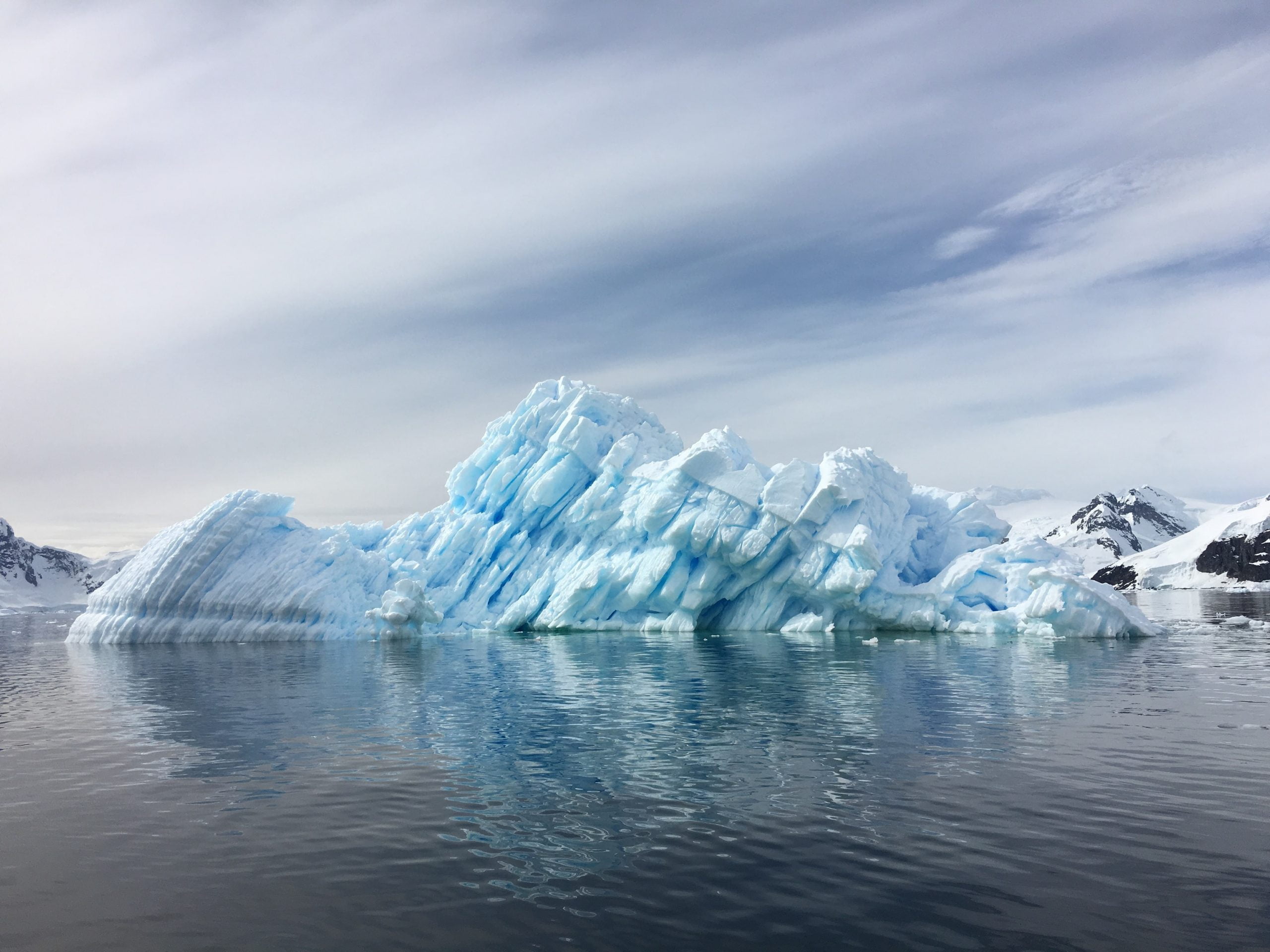
Not all icebergs melt equally. Through a combination of experiment and numerical simulation, researchers have shown that an iceberg’s shape underwater strongly affects how it melts. Specifically, icebergs in a flow melt more quickly on the front and side surfaces and slower on the underside. This means that narrow icebergs that project deep into the water will melt faster than wider, shallow ones. Currently, climate models don’t account for this variation, but the researchers hope their work will help build more accurate models for future studies. (Image credit: iceberg – C. Matias, experiment – E. Hester et al.; research credit: E. Hester et al.; see also APS Physics)


Lava and Life
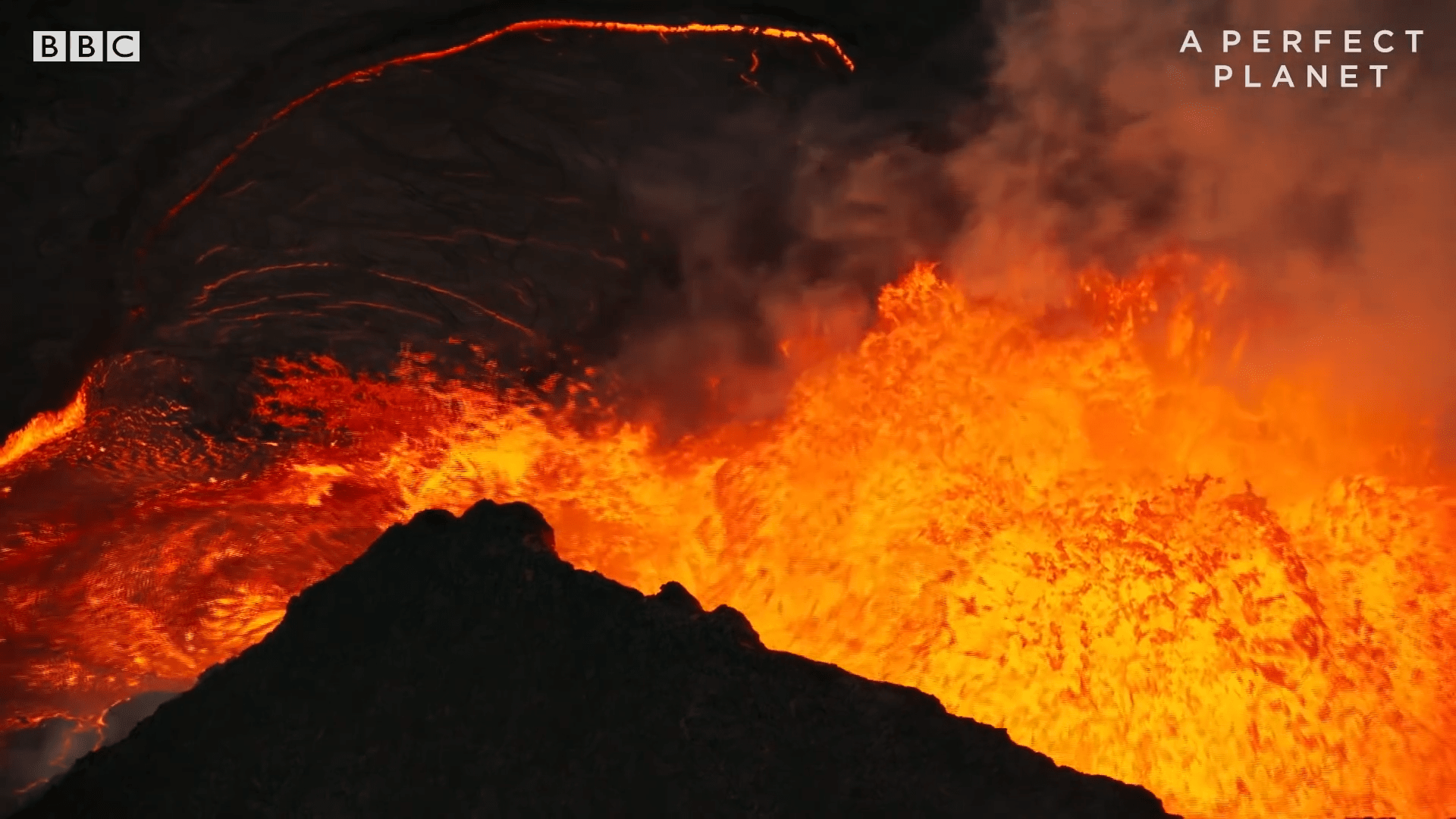
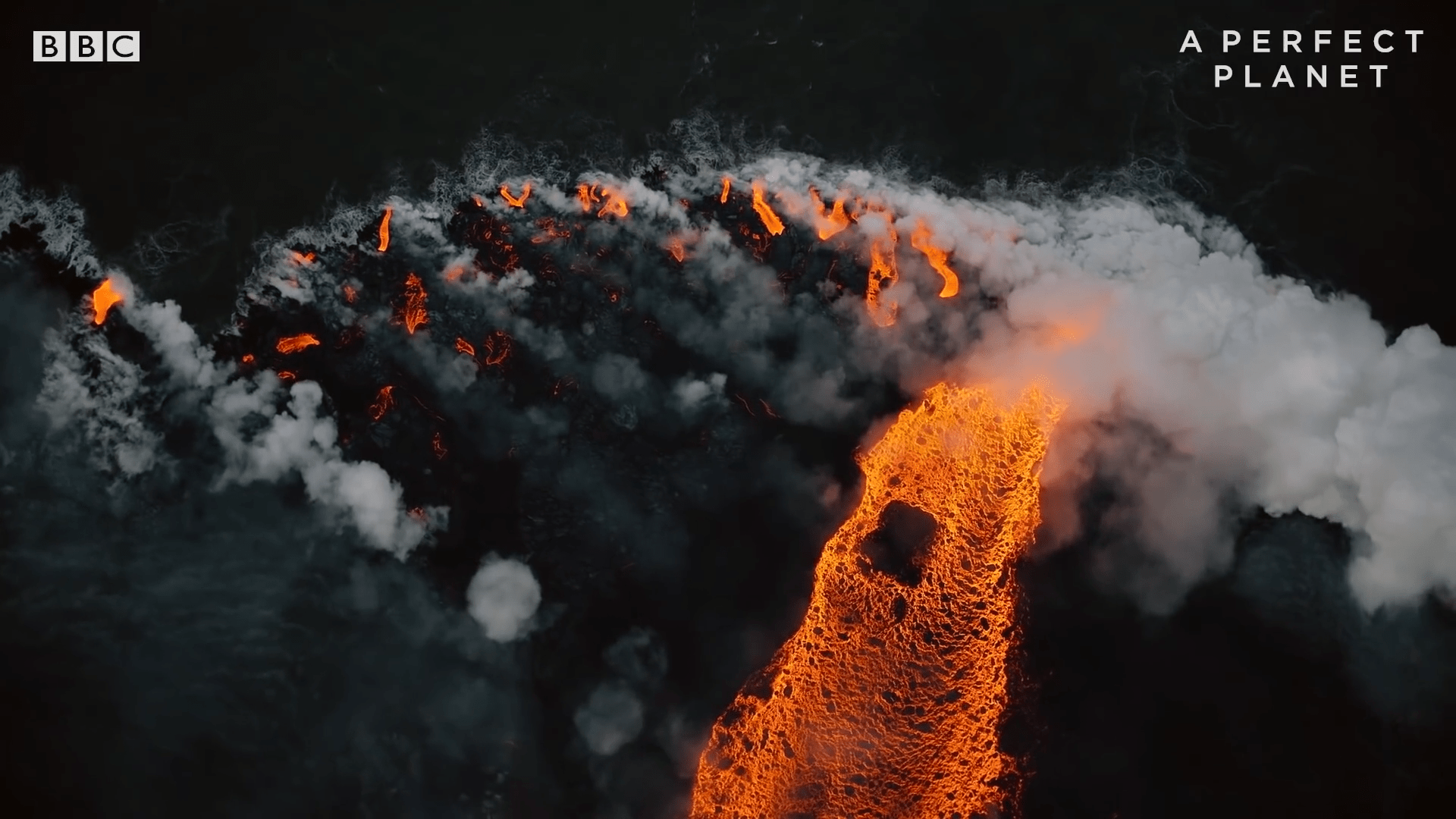
Kilauea’s 2018 eruption gave us some of the most stunning volcanic footage ever seen, a tradition carried on in this BBC footage. As powerful and destructive as lava is, it’s also critical to life as we know it here on Earth. Volcanoes are a piece of the tectonic activity on our planet that drives the carbon cycle, without which we’d have no oceans or breathable atmosphere. It’s tough to imagine the geological scales over which these cycles act, but fortunately, there are numerical simulations to help! (Image and video credit: BBC Earth)

Inside Hydroplaning
When a tire spins over a wet roadway, pressure at the front of the tire generates a lifting force; if that lift exceeds the weight of the car, it will start hydroplaning. To prevent this, the grooves of a tire’s tread are designed to redirect the water. Now researchers have visualized flow inside these grooves for the first time, using a version of particle image velocimetry (PIV). PIV techniques use fluorescent particles to track the flow.
The results reveal a complicated, two-phase flow inside the tire grooves. As seen in the images above, bubble columns form inside the tire grooves. The team’s results suggest that the bubble columns depended on groove width, spacing, and intersections with other grooves. They also saw evidence of vortices inside some grooves. (Image credit: tires – S. Warid, others – D. Cabut et al.; research credit: D. Cabut et al.; via Physics World; submitted by Kam-Yung Soh)
Planes Lift
Need a little refresher on how airplanes fly? The middle school students of The Nueva School have you covered with their latest science rap parody. They take a look at the four main forces on a flying airplane and even dig a little bit into the principles behind lift generation. Check it out! (Video and image credit: Science With Tom/Science Rap Academy)