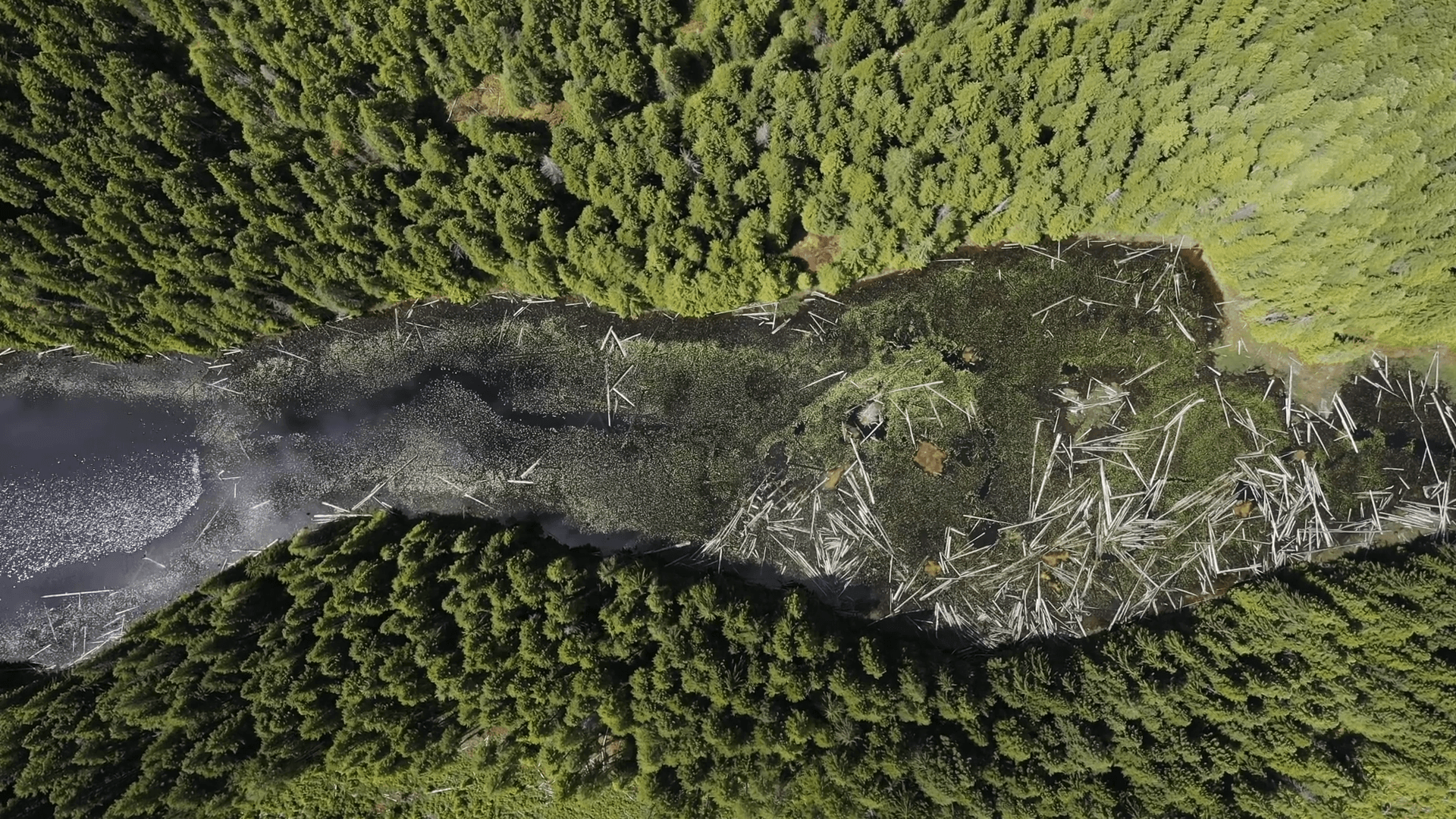
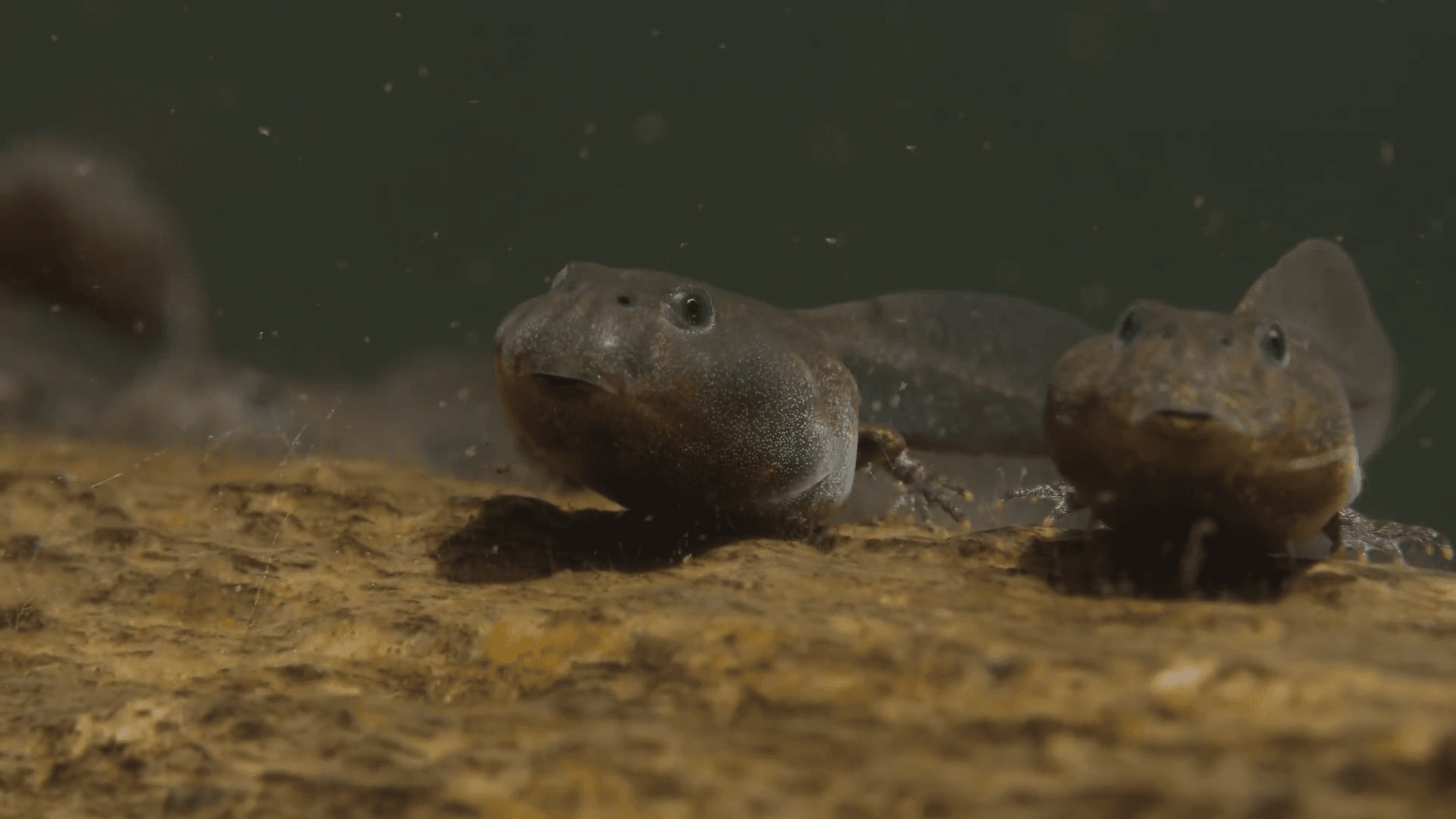
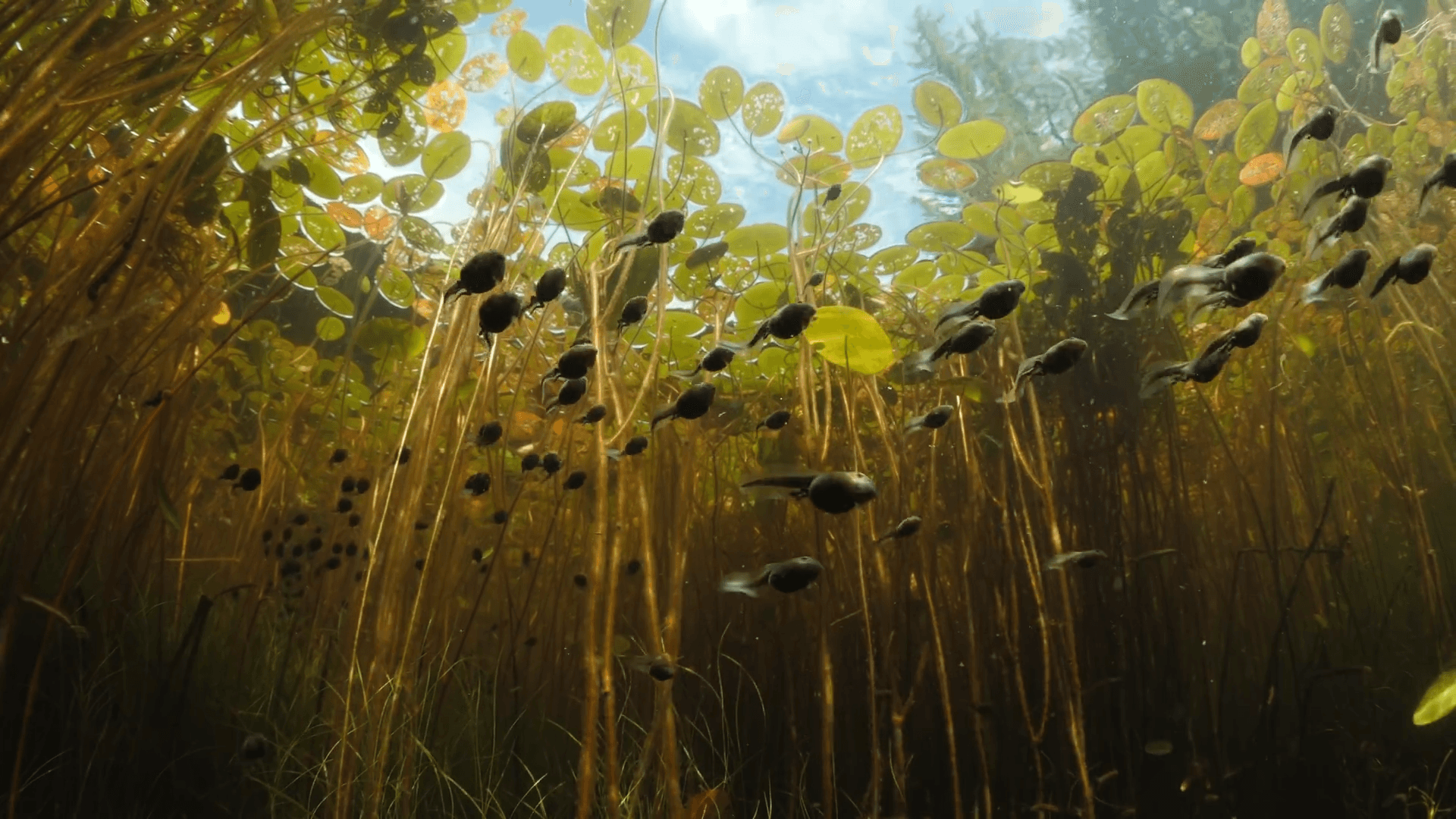
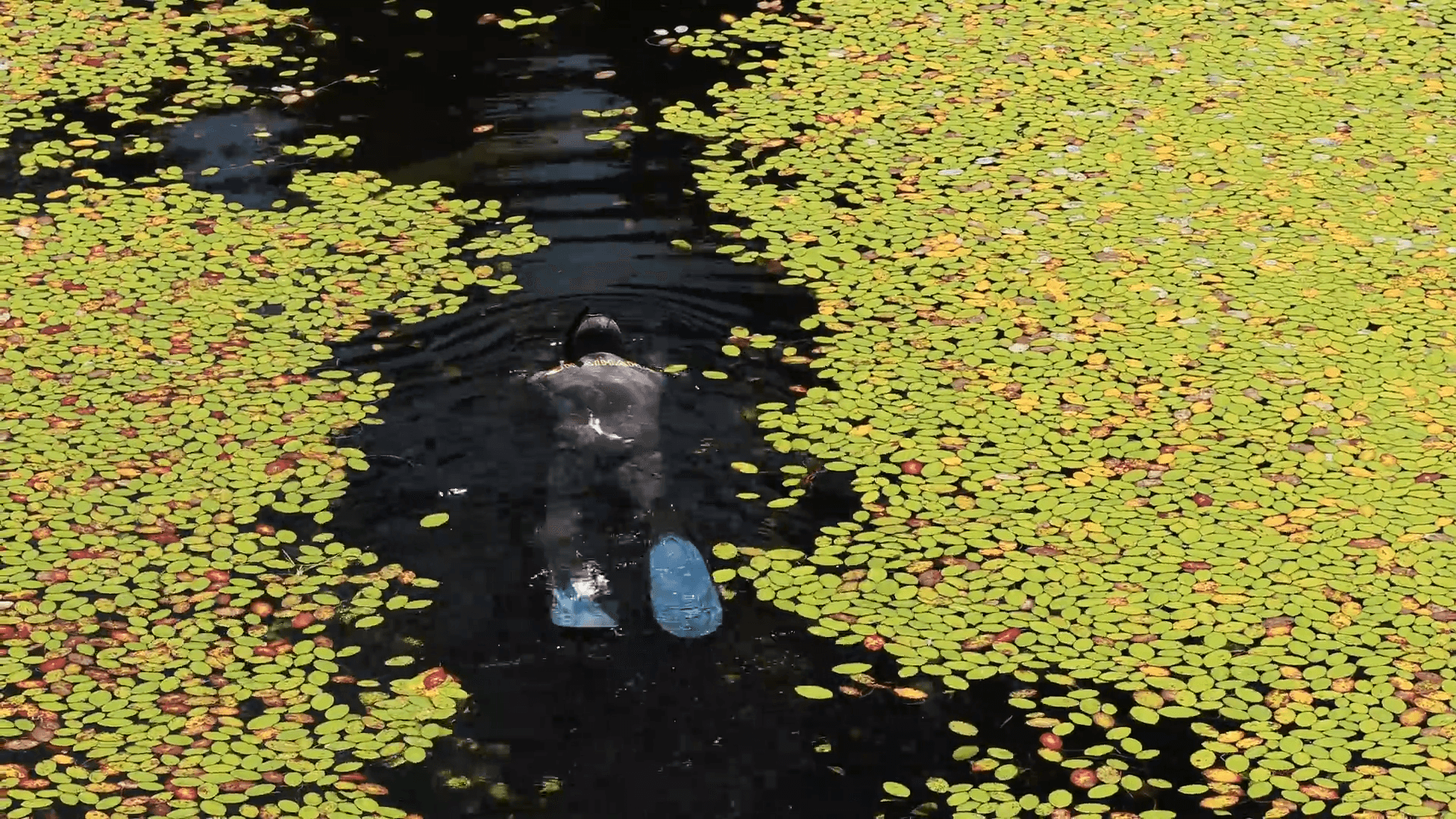
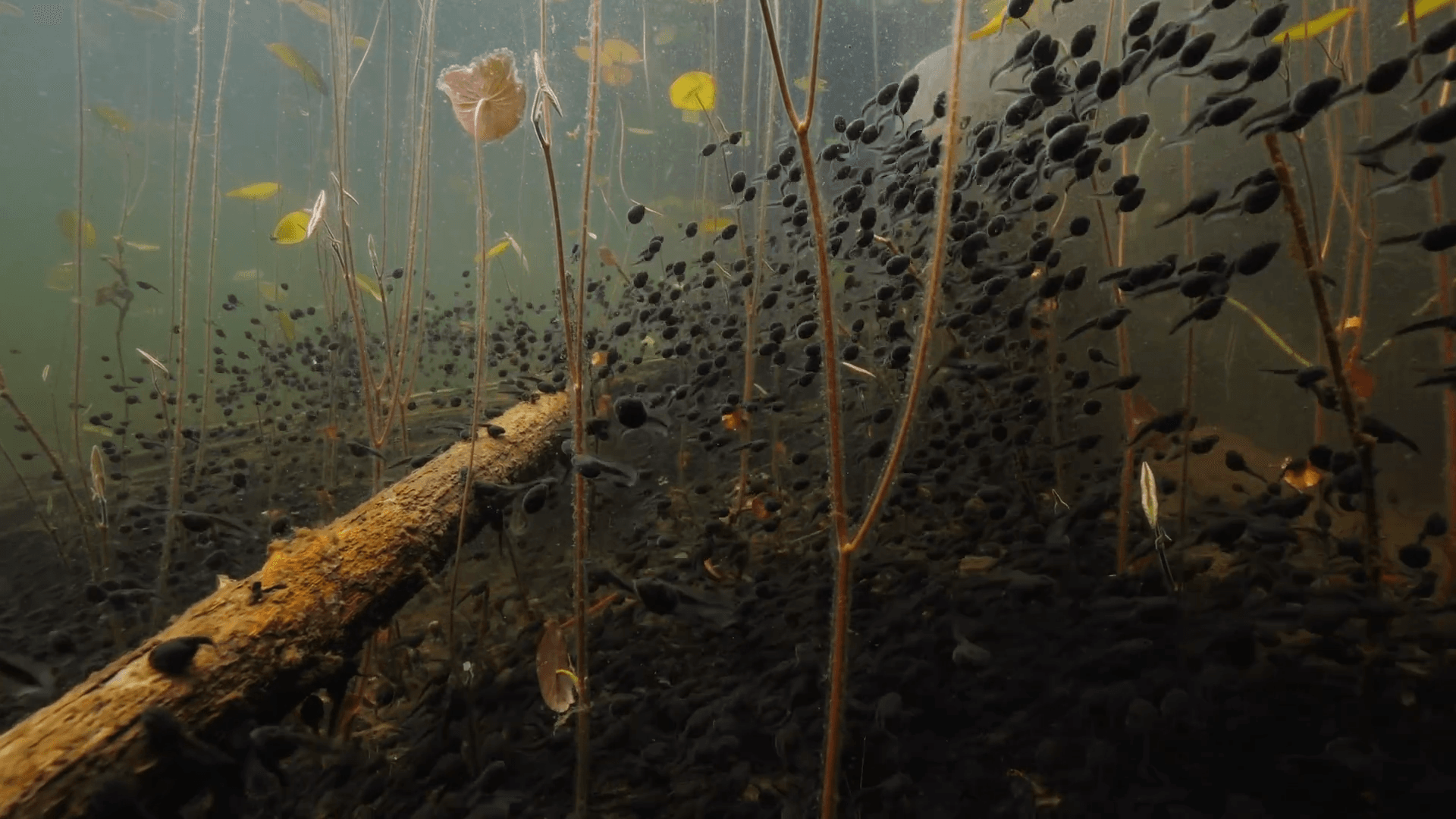
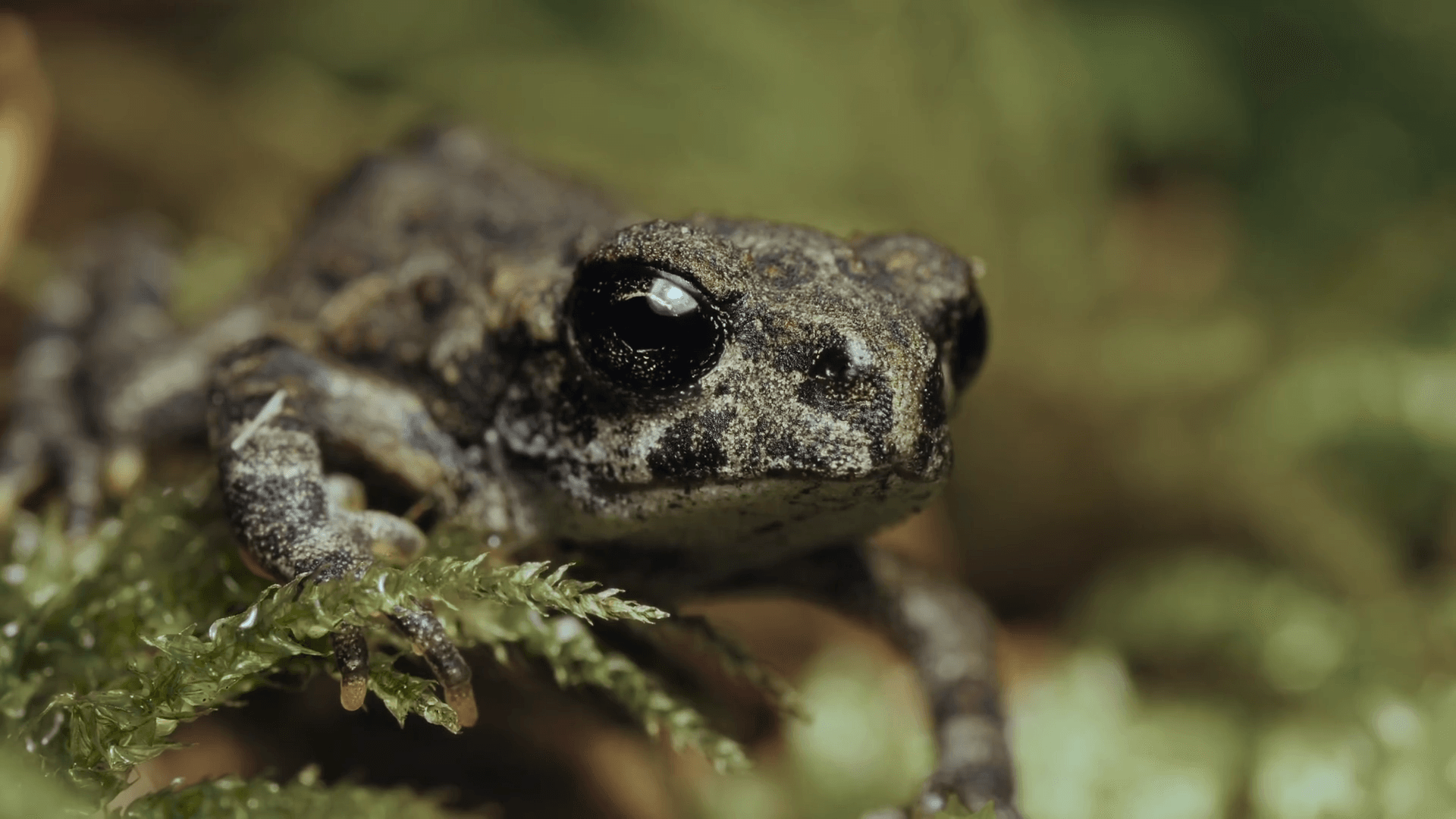
Amphibians like toads are often indicator species for their ecosystem because they are vulnerable to changes on both land and water. In this short film, videographer Maxwel Hohn follows the migration of western toad tadpoles in British Columbia, showing their daily underwater journey from deep waters, where they can hide, to warmer, shallow waters, where they eat. Over the days and weeks of their early life, millions of tadpoles make the journey, their bodies morphing as they do. Eventually, they will hop away as toadlets. (Video and image credit: M. Hohn et al.)
Tag: tadpoles

The Best of FYFD 2020
2020 was certainly a strange year, and I confess that I mostly want to congratulate all of us for making it through and then look forward to a better, happier, healthier 2021. But for tradition and posterity’s sake, here were your top FYFD posts of 2020:
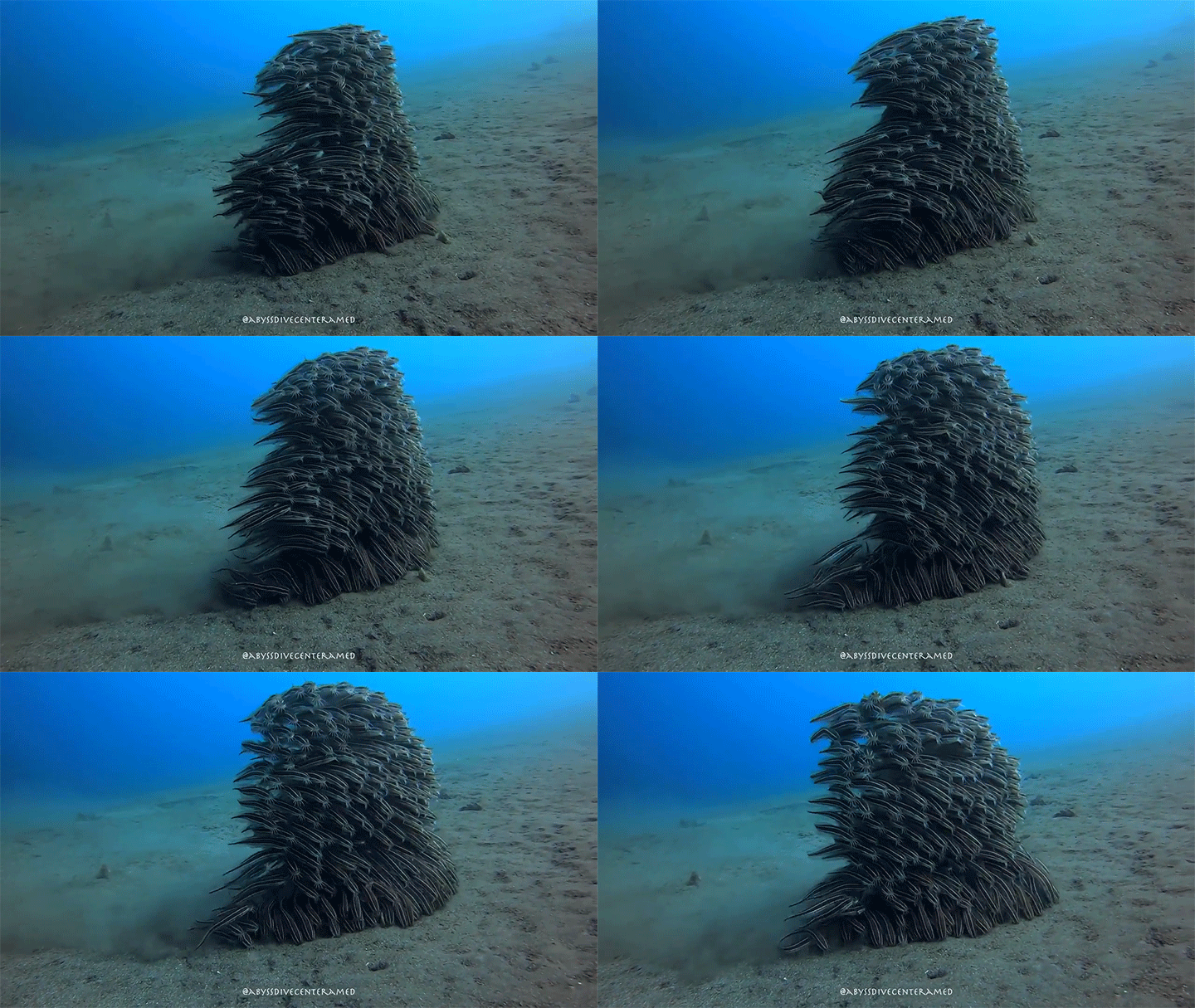
- Juvenile catfish collectively convect for protection
- Gliding birds get extra lift from their tails
- How well do masks work?
- Droplets dig into hot powder
- Updating undergraduate heat transfer
- Branching light in soap bubbles
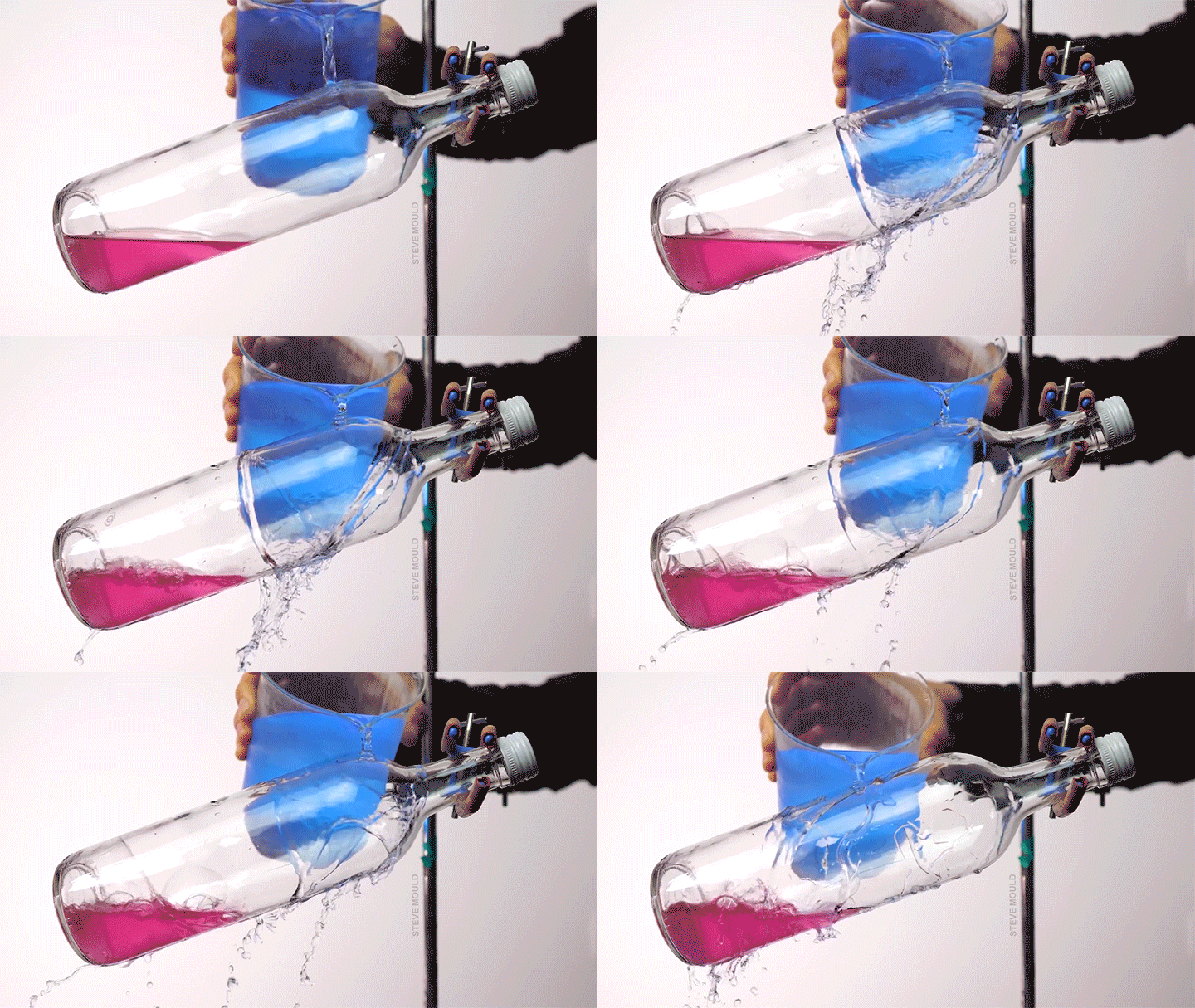
- Boiling water using ice water
- Concentric patterns on freezing and thawing ice
- Bouncing off superhydrophobic defects
- To beat surface tension, tadpoles blow bubbles
There’s a good mix of topics here! A little bit of biophysics, some research, some phenomena, and some good, old-fashioned fluid dynamics.
If you enjoy FYFD, please remember that it’s primarily reader-supported. You can help support the site by becoming a patron, making a one-time donation, buying some merch, or simply by sharing on social media. Happy New Year!
(Image credits: catfish – Abyss Dive Center, owl – J. Usherwood et al., masks – It’s Okay to Be Smart, droplet – C. Kalelkar and H. Sai, boundary layer – J. Lienhard, bubble – A. Patsyk et al., boiling – S. Mould, ice – D. Spitzer, defects – The Lutetium Project, tadpoles – K. Schwenk and J. Phillips)

To Beat Surface Tension, Tadpoles Make Bubbles
For tiny creatures, surface tension is a formidable barrier. Newborn tadpoles are much too small and weak to breach the air-water surface in order to breathe. Researchers found that, instead, the 3 millimeter creatures place their mouths against the surface, expand their mouth to generate suction, and swallow a bubble consisting largely of fresh air.
When they’re especially small, some of these species are essentially transparent (Image 1), allowing researchers to see the bubble directly. But even as the tadpoles aged (Images 2 and 3) and grew strong enough to breach the surface, they observed many instances in which the tadpoles continued this bubble-sucking method to breathe. (Image and research credit: K. Schwenk and J. Phillips; via Cosmos; submitted by Kam-Yung Soh)