Tag: sliding

  • Sliding on Fibers

    Sliding on Fibers

    Water drops slide down spiderwebs, along the spines of desert plants, and across the armored exterior of horned lizards. Thin, grooved surfaces like these pop up frequently in nature when organisms need to direct water. A recent study of droplets sliding on fibers suggests why.

    A drop sliding down a fiber is constantly shrinking, leaving a little of itself behind as a thin film that coats the fiber. The thicker a fiber is, the slower the drop moves along it. Similarly, if you bundle multiple fibers together, a drop will travel slower along the thicker bundle. But, to the researchers’ surprise, droplets actually travel faster on bundles than they do along single fibers of the same overall diameter. The key to this result seems to be the tiny grooves between fibers in a bundle. Water fills these areas, creating a “rail” along which the droplets slide more efficiently.

    The team hope to put their new insights to use on a water harvester that could help capture precious moisture in arid environments, much like those desert-dwelling plants and lizards do. (Image and research credit: M. Leonard et al.; via Physics World)

  • Sliding on Sand

    Sliding on Sand

    Getting around on sandy slopes is no easy feat. On steep inclines, even small disturbances will cause an avalanche. The predatory antlion takes advantage of this fact by building a conical pit that makes ants that walk in slide down into its waiting jaws. But a new study shows that it’s more than just pressure that determines when an object slides down the slope.

    To simulate hapless ants sliding into an antlion’s pit, researchers used plexiglass disks with four smaller disks that act as legs on the granular slope. By varying the distance between these points of contact, researchers found that stance also affects when a slide starts. The closer together the contacts are, the more likely the disk would slide. In contrast, spreading the points of contact increased stability, meaning that adopting a wider stance could keep an animal, human, or robot from sliding as easily. (Image credit: NEOM; research credit: M. Piñeirua et al.; via APS Physics)

  • Beijing 2022: Ice’s Slideability

    Beijing 2022: Ice’s Slideability

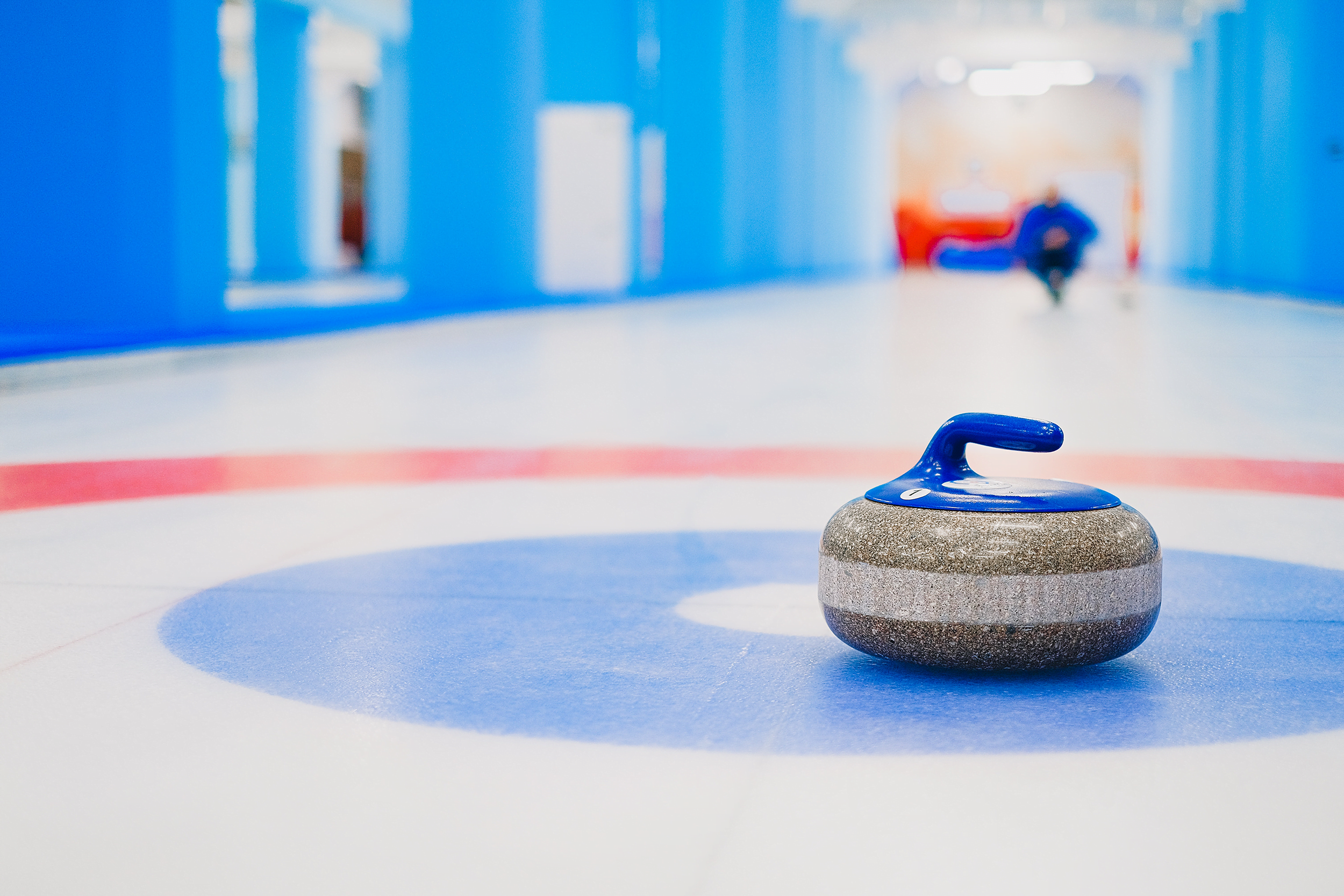
    As scientists continue to unravel the peculiarities of ice, they’ve found that ice’s friction depends both on the object sliding on it and the ice’s hardness. At extremely low temperatures, water molecules at the ice’s surface are held rigidly by the hard ice, resulting in high friction. At intermediate temperatures, however, water molecules at the surface were more mobile — especially with a quick-moving slider going by — so the friction decreased.

    But as the ice approached its melting point, the friction behavior shifted again. As the ice softened, sliding objects could begin to plough into the ice, dramatically increasing contact and friction. When ploughing begins depends on temperature, slider shape, contact pressure, slider speed, and ice hardness.

    Beyond the lab, researchers found that weather plays a role in slideability, too, since humidity and air temperature can affect the thickness of the liquid-layer at the ice’s surface. (Image credit: SHVETS Productions; research credit: R. Liefferink et al.; via APS Physics; submitted by Kam-Yung Soh)

  • Beijing 2022: Monobob

    Beijing 2022: Monobob

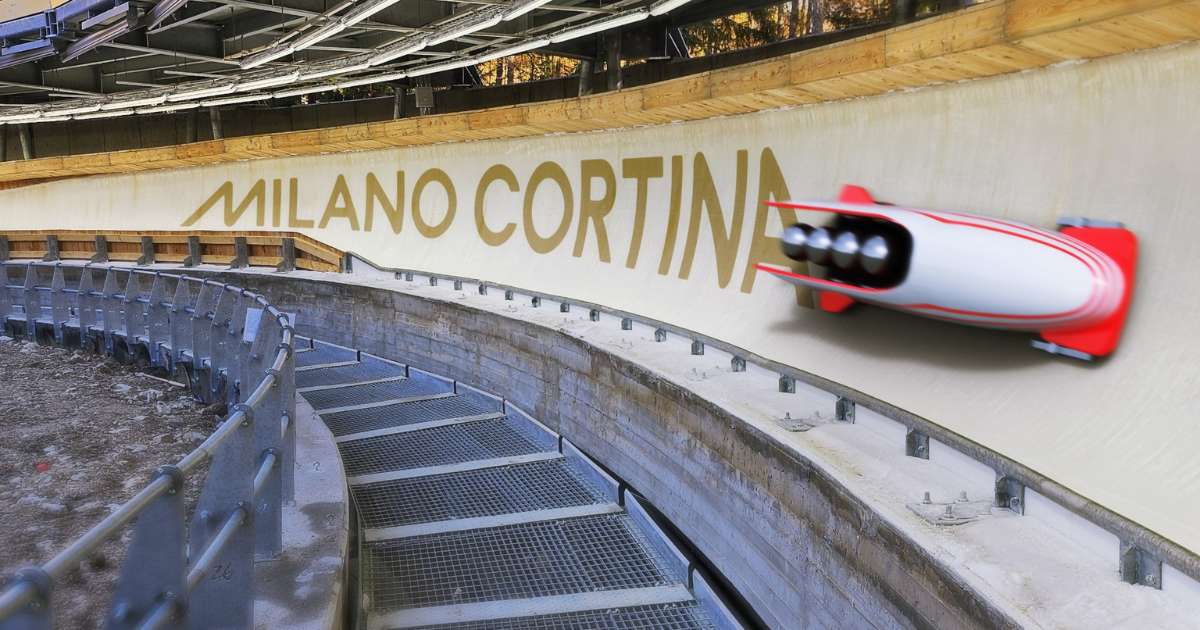
    Bobsleigh, as a discipline, has been dominated in recent years by teams seeking every aerodynamic advantage to shave hundredths of a second off their runs. So it’s fascinating that the newest event in the discipline — the women-only monobob — cuts away that secretive part of the sport by permitting sleds from only one manufacturer. Every athlete competes in an identical sled. Not only that, they swap sleds between runs based on their times! So the fastest athlete from the first run will switch sleds with whomever had the slowest time.

    The event’s rules refocus the competition on athletic performance and skill rather than incentivizing countries who can afford to spend more money on wind tunnel testing and F1 design companies. That’s a great step toward leveling the playing field. I can’t wait to watch! (Image credit: OIS)