Tag: canoe slalom

  • Tokyo 2020: Kasai Canoe Slalom Course

    Tokyo 2020: Kasai Canoe Slalom Course

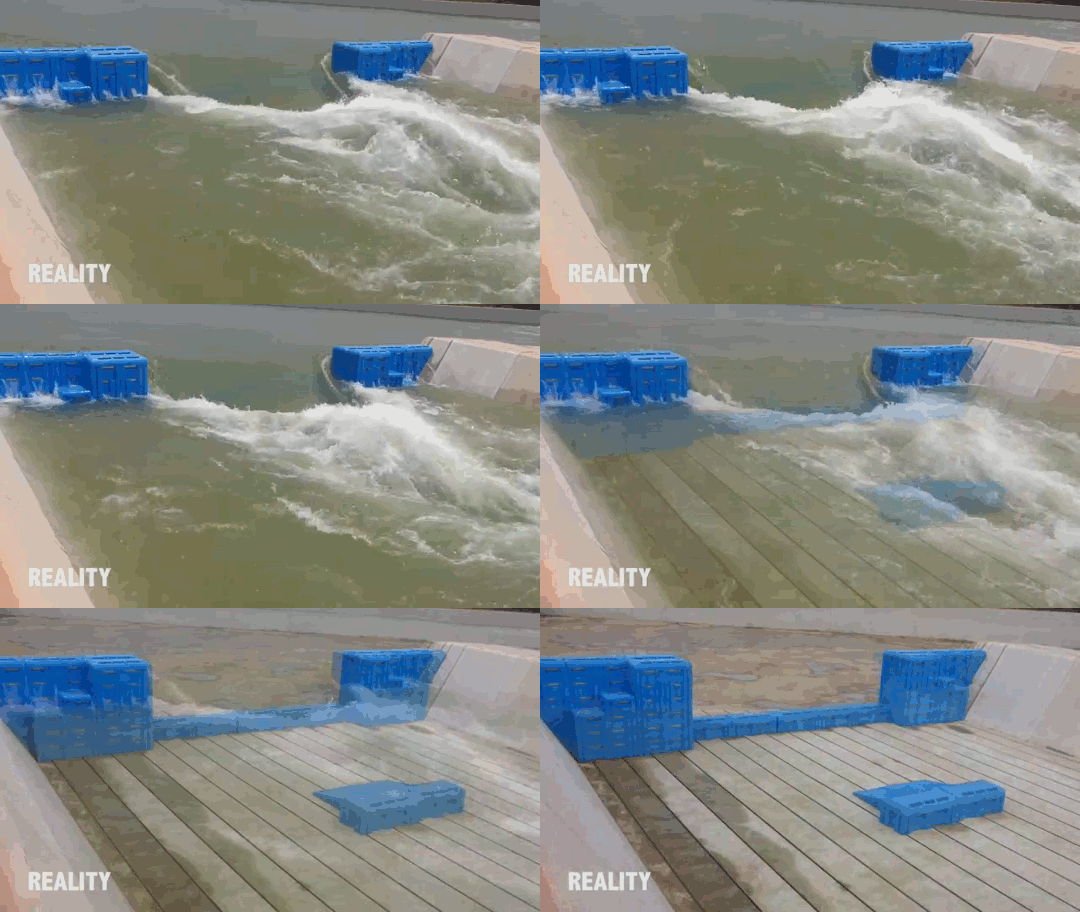
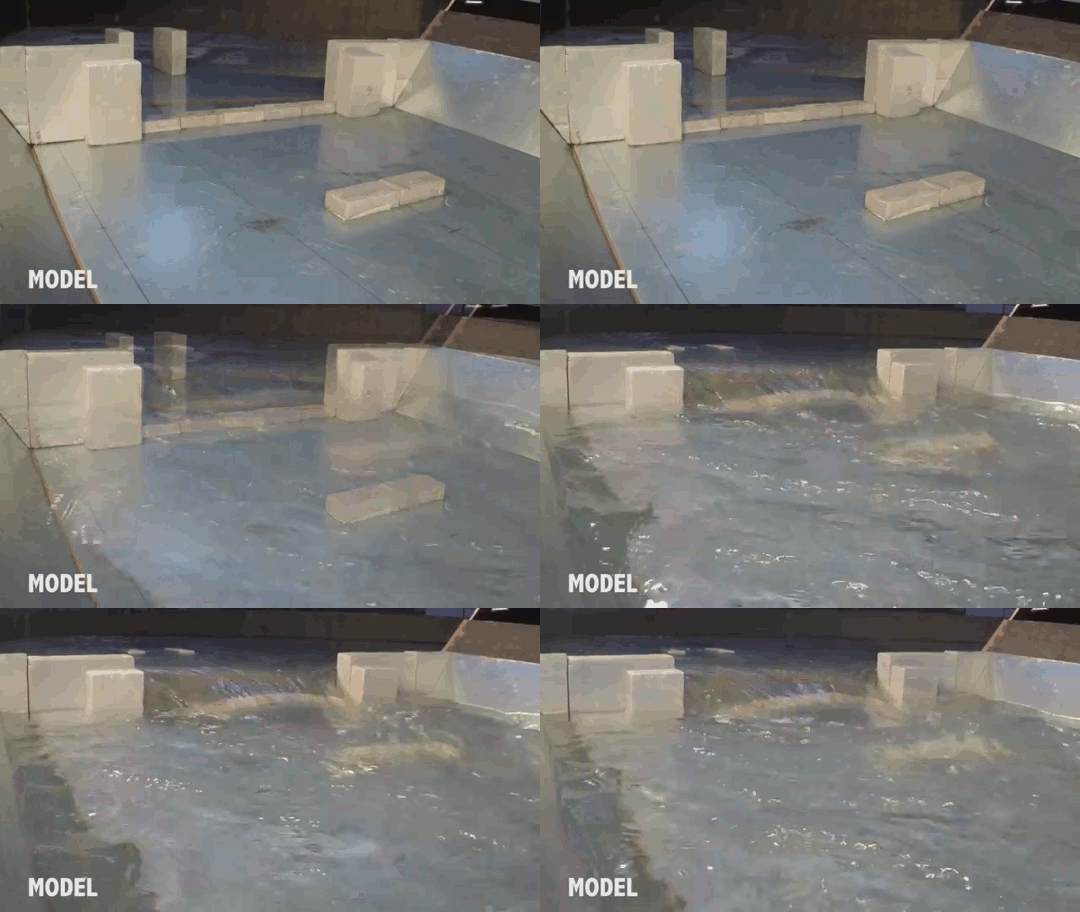
    The Kasai Canoe Slalom Course is Japan’s first man-made whitewater venue. To test the design and its multiple configurations, engineers at CTU in Prague built this large-scale hydraulic model. Check out the video below to see it under construction and in action.

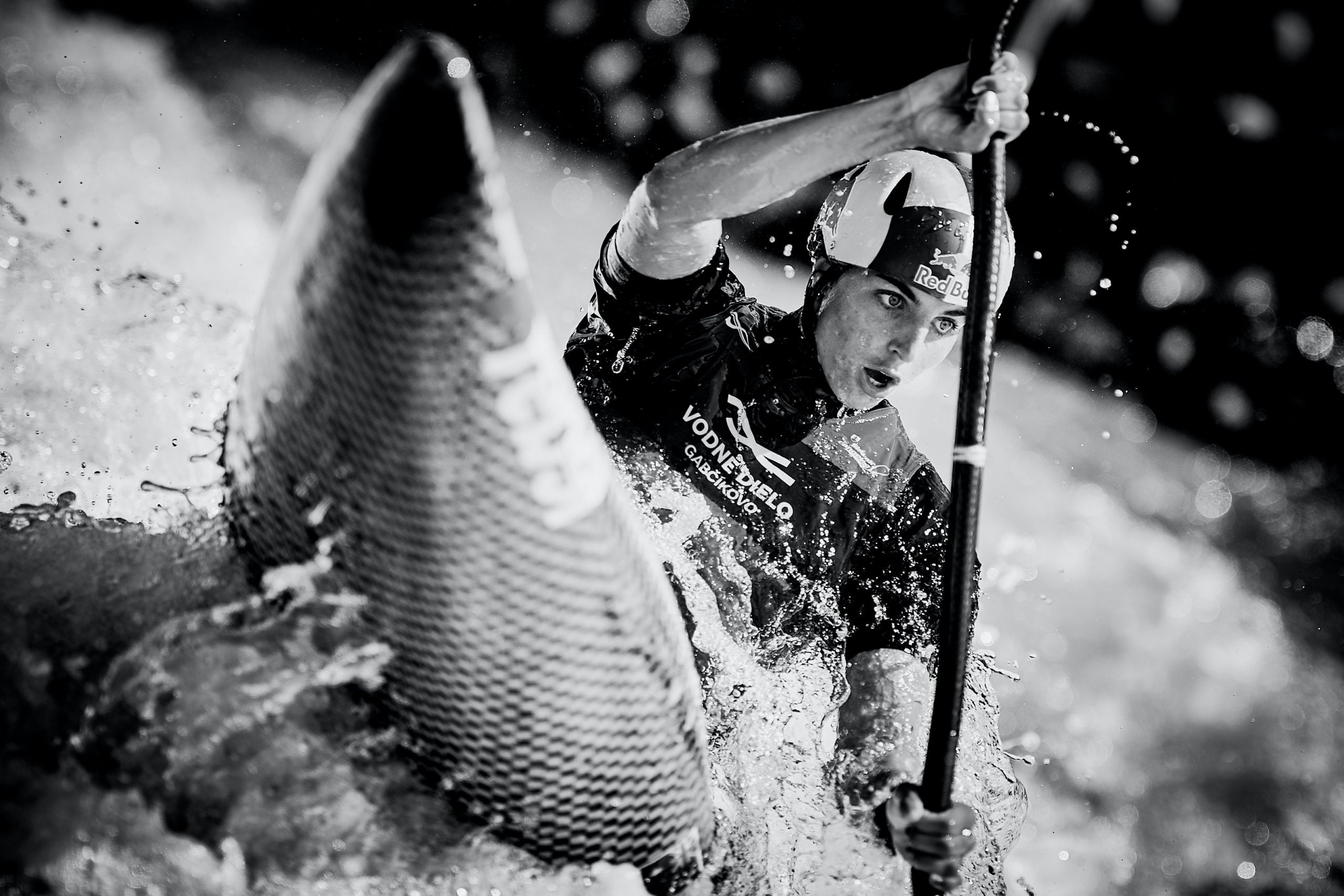
    The course is adaptable so that it can be used for high-level competitions like the Olympics, then reconfigured for recreational use. You can even see what it’s like to run part of the course in a multi-person raft, thanks to a miniature, GoPro-equipped boat! (Image credit: top – M. Trizuliak, others – CTU Prague; video credit: CTU Prague)

    Missed our previous Olympics coverage? Check out how sailboats outrace the wind, the future of swim tech, and how surface roughness affects volleyball aerodynamics.
  • Rio 2016: Whitewater Sports

    Rio 2016: Whitewater Sports

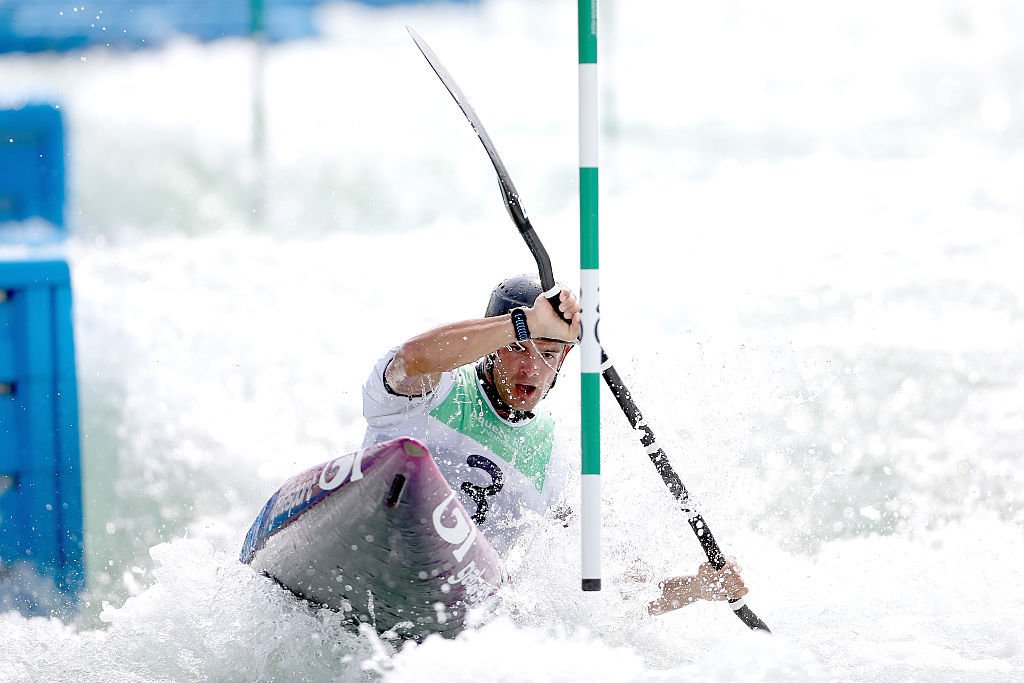
    The whitewater rapids of canoe slalom have their origins in mountain streams. Today the sport’s Olympic venues are artificial rivers, specially designed to provide world-class rapids whatever the geography of the host city. Rio’s course, like London’s, is reconfigurable; its features are controlled by the placement of Lego-like plastic blocks.

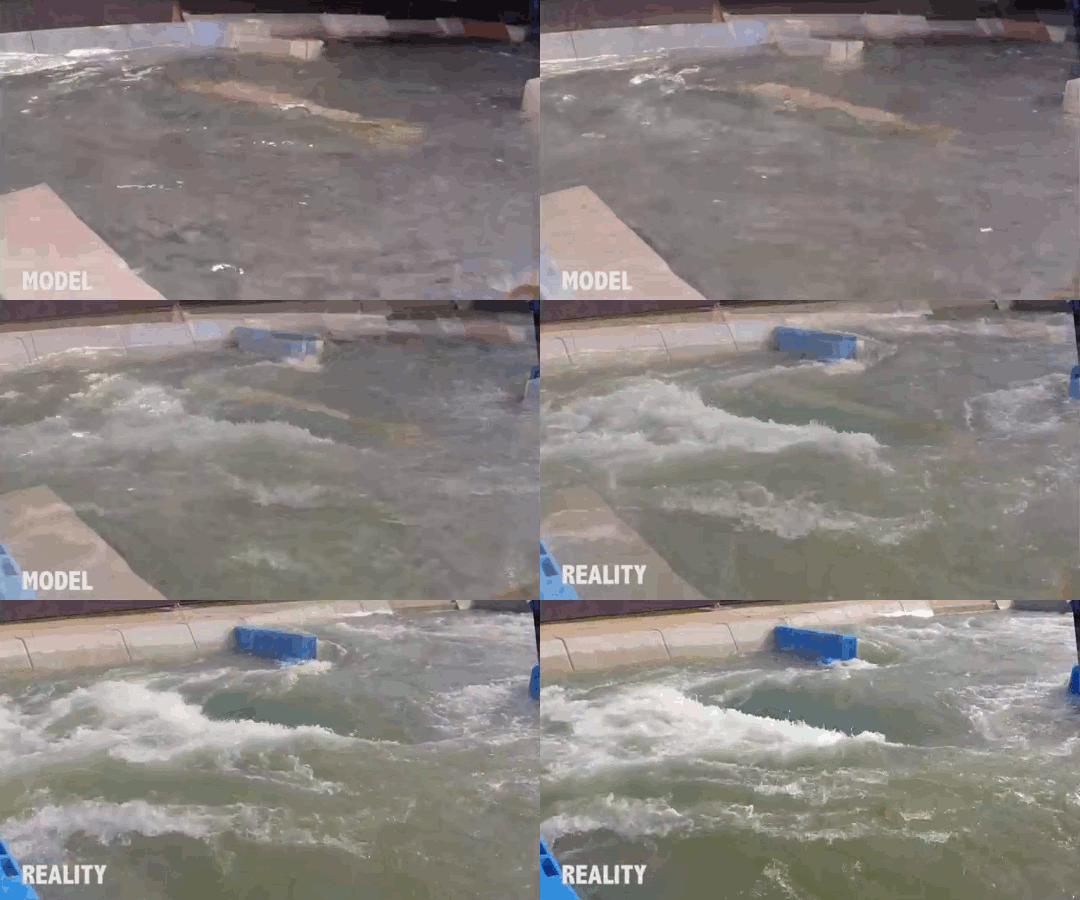
    A key part of the course’s design process was building a small-scale physical model of the course. To maintain the dynamics of the rapids at a smaller physical scale, engineers used a concept called similitude. Surface waves like rapids are a function of the flow’s inertia and the effects of gravity, a ratio that’s captured in the dimensionless Froude number. To match the small-scale model to the real flow, engineers scaled the features of the real course down such that the Froude number stayed the same between the model and the full-scale course. As seen in the animations above, this meant that the model had the same general flow features as the final course, letting engineers and designers test and fine-tune features before construction. Learn more about the model and its construction in these two videos. (Image credits: kayaker – Getty Images; model comparisons – J. Pollert, source)

    Previously: Physics of rowingwhy that octopus kite looks so real

    Join us throughout the Rio Olympics for more fluid dynamics in sports. If you love FYFD, please help support the site!