Tag: 2026gosm

  • Featured Video Play Icon

    Drying Out Microbe-Filled Droplets

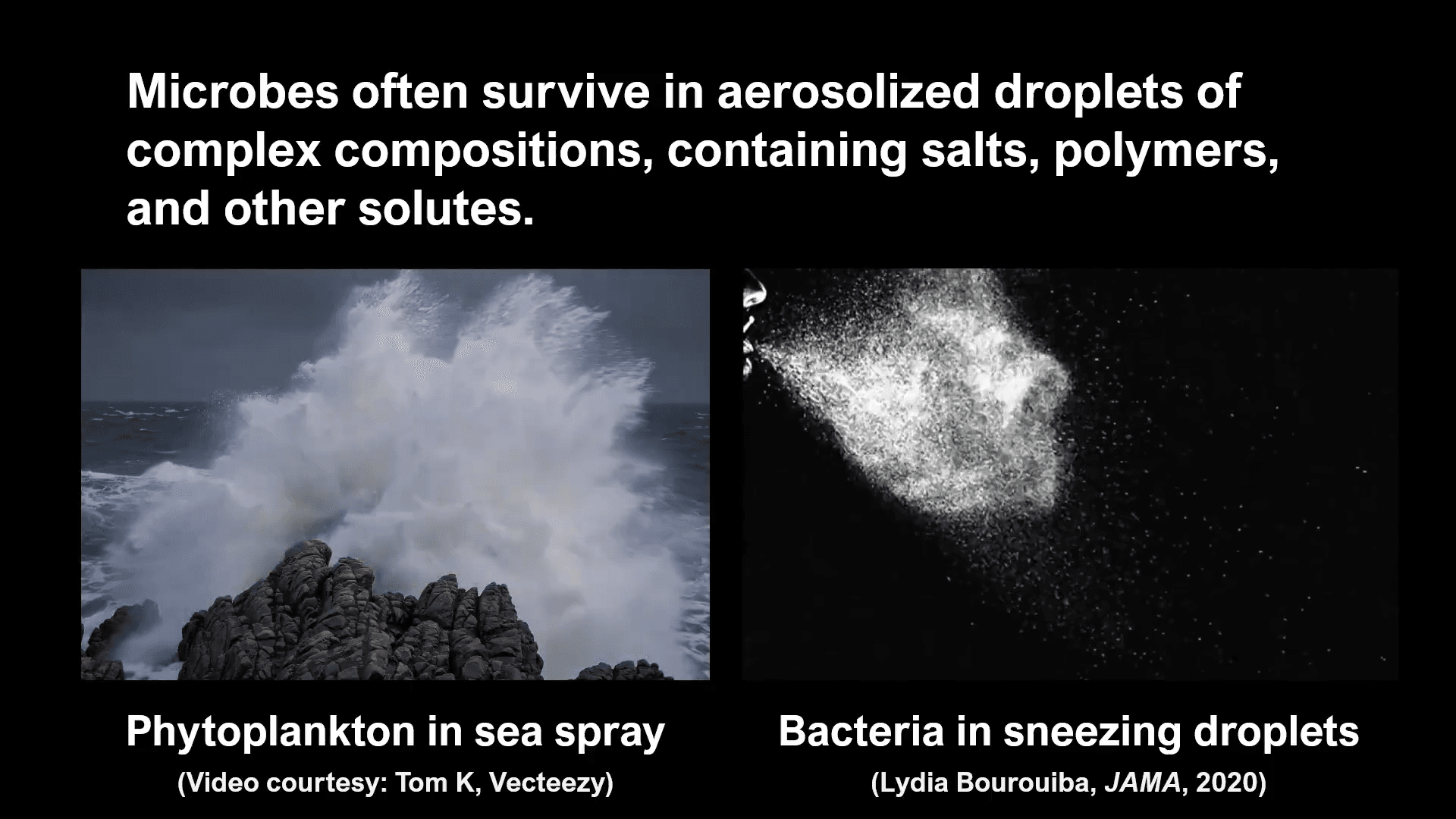
    Ocean sprays, coughs, and sneezes are just a few of the ways that droplets full of bacteria and salt can get aloft on a breeze. How do these bacteria stay viable even as their droplet evaporates? That’s the question behind this video’s research.

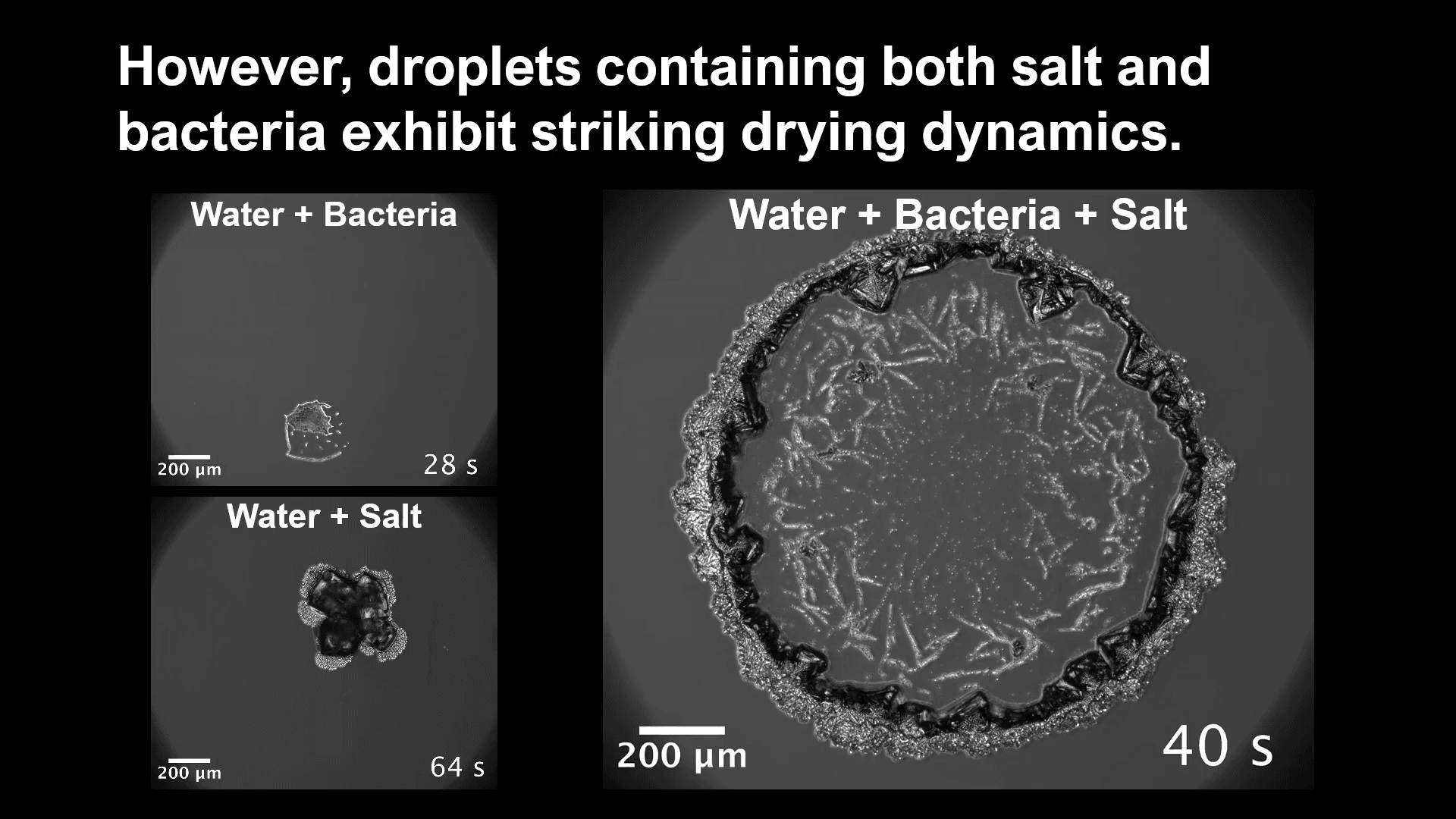
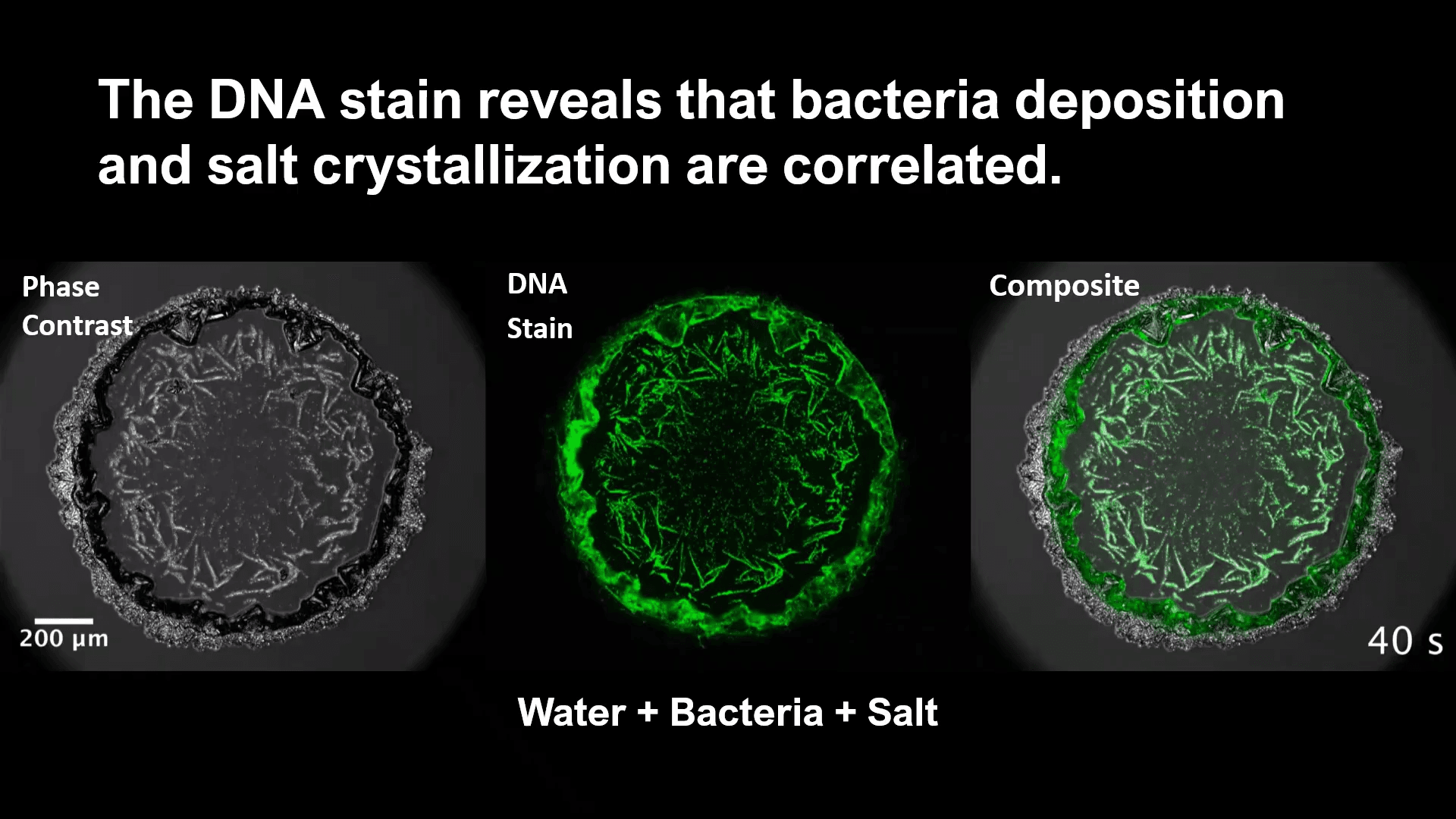
    When a bacteria-laden droplet or a salt-laden droplet dries, the evaporating droplet’s contact area shrinks, leaving behind only a concentrated lump of bacteria or salt. But when droplets contain both salt and bacteria, the drying droplet’s contact line gets pinned, leaving a larger area stain. The bacteria’s presence seems to promote crystallization of the salt, which–in turn–traps water in isolated spaces, perhaps helping the bacteria stay viable longer. (Video and image credit: R. Ran et al.)
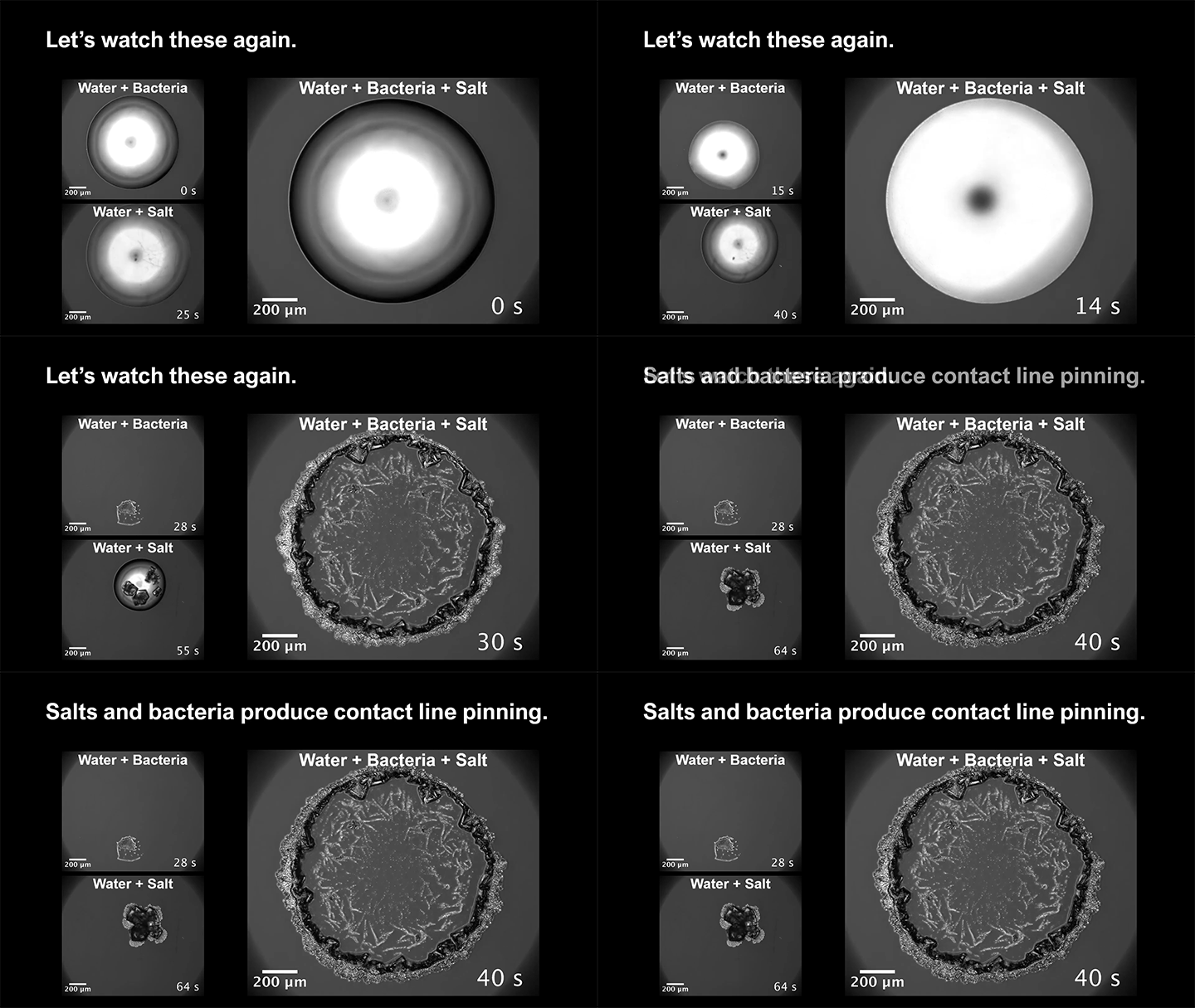

    Animation of three droplets drying out. When all three components–water, salt, and bacteria–are in a droplet, the drying process looks very different.
    Fediverse Reactions
  • Setting the Stripes on a Tiger (Cake)

    Setting the Stripes on a Tiger (Cake)

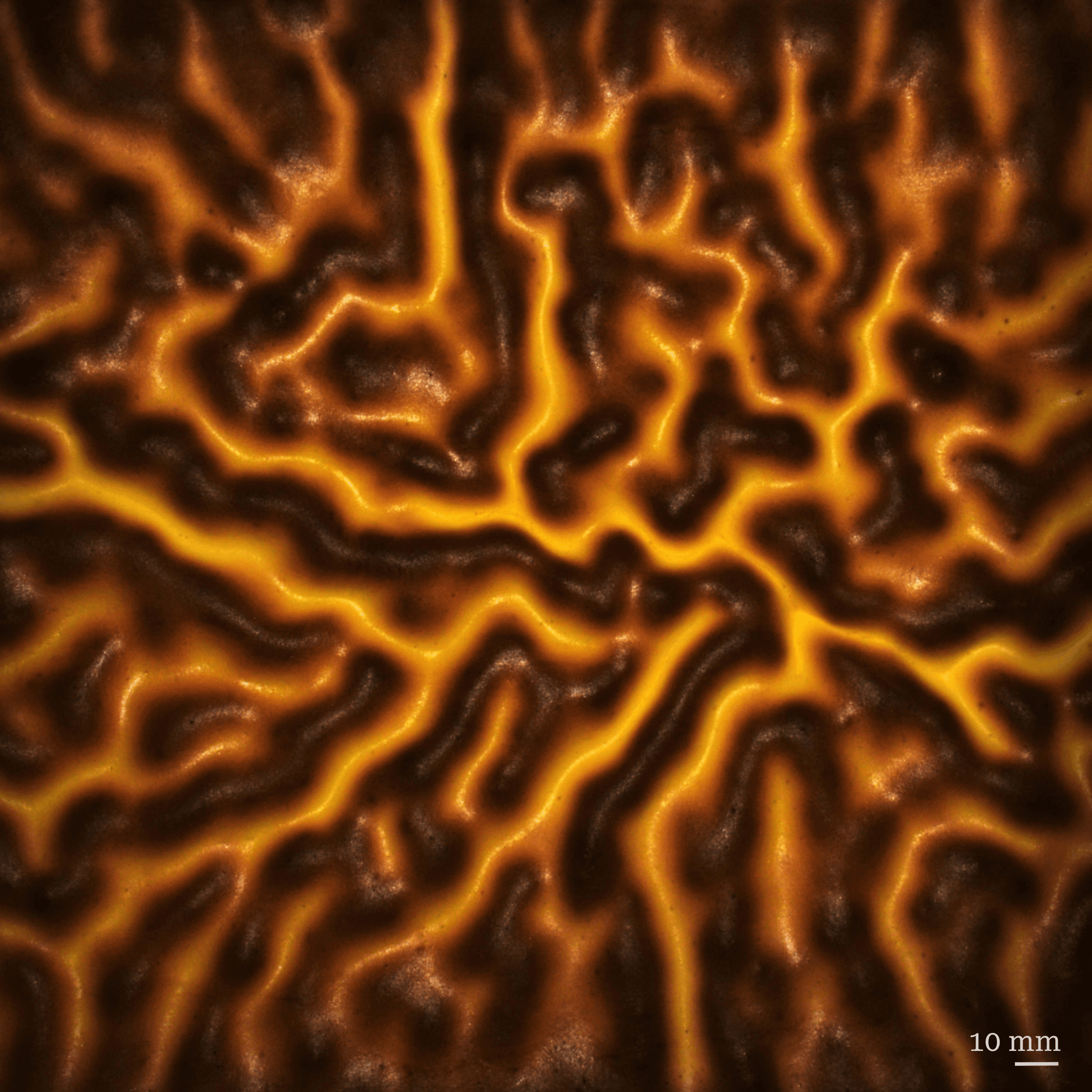
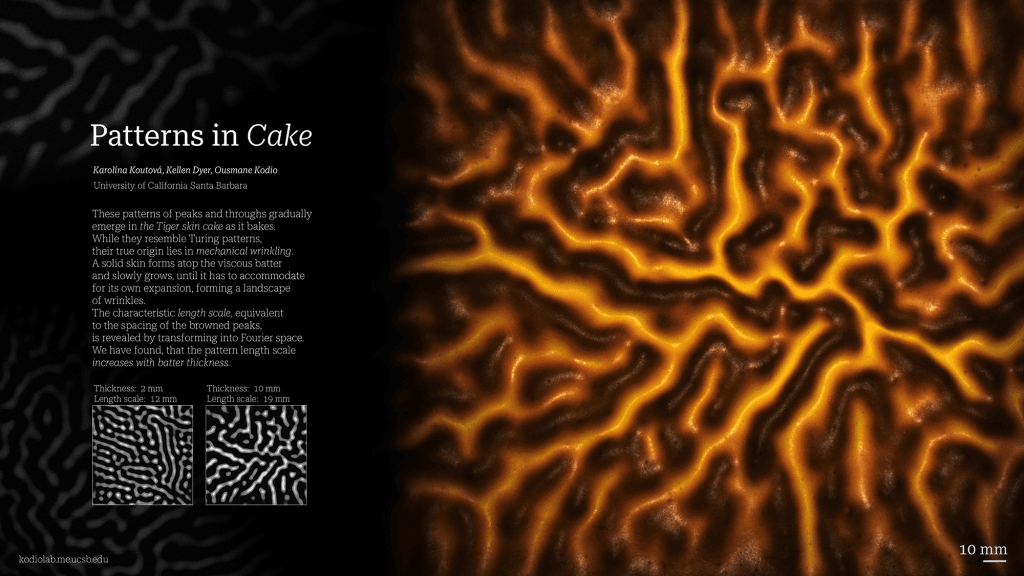
    A tiger skin cake forms a distinctive pattern of light and dark patches as it bakes. Its current popularity seems to have expanded outward from China; I found a lot of Swiss-roll-style recipes that use it as an outer wrapper. Here, researchers look at how the wrinkled surface forms. The viscous batter quickly forms a solid skin on its surface, and, as the cake grows, the skin is forced to bend and wrinkle to accommodate the growth. Interestingly, the length-scale of the wrinkling pattern depends on the batter’s depth. For larger stripes, use a thicker layer of batter! (Image credit: K. Koutova et al.)

    Research poster showing the wrinkling pattern formed on a tiger skin cake.
    Research poster showing the wrinkling pattern formed on a tiger skin cake.
    Fediverse Reactions
  • Featured Video Play Icon

    Seeing Stress in an Avalanche

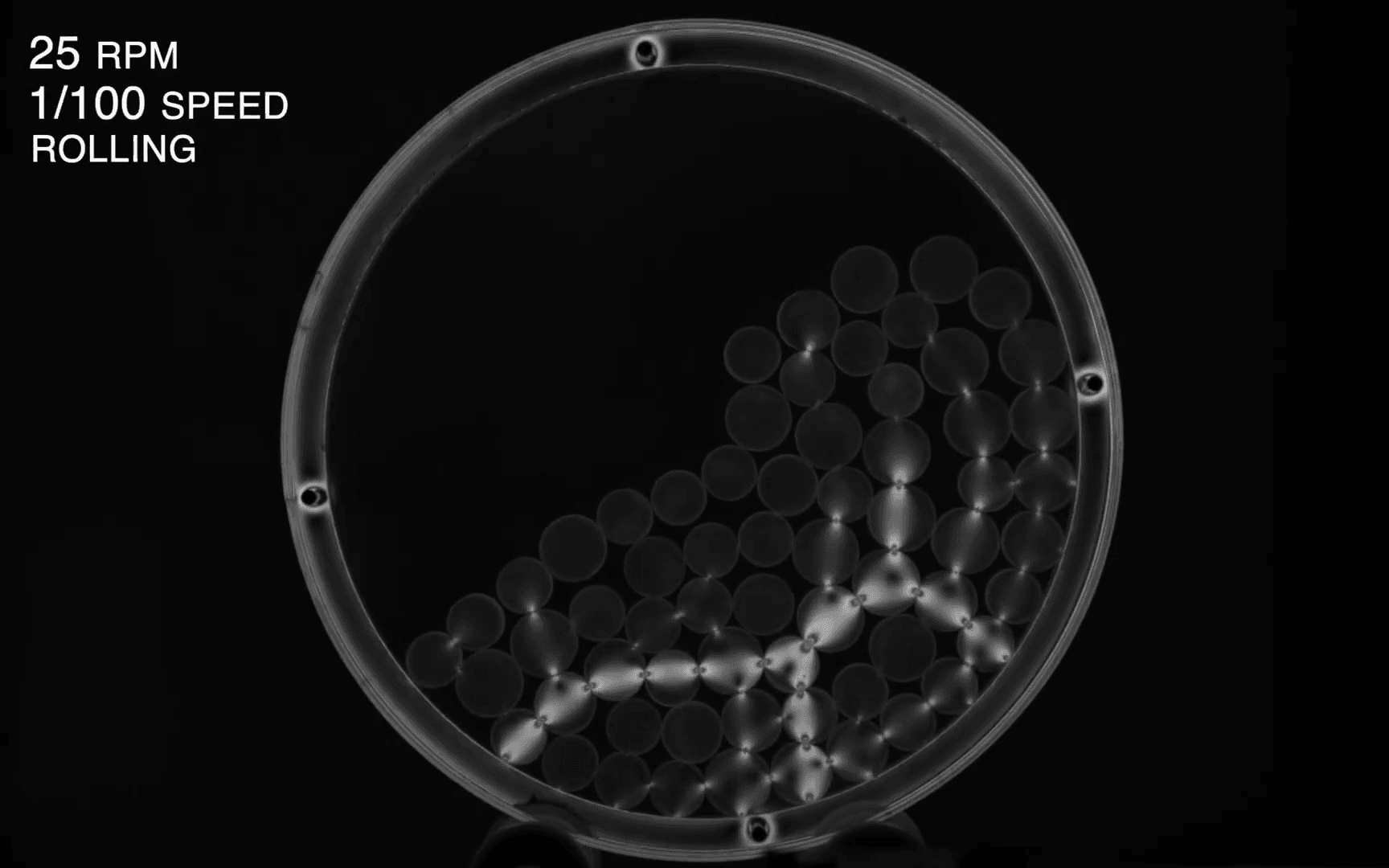
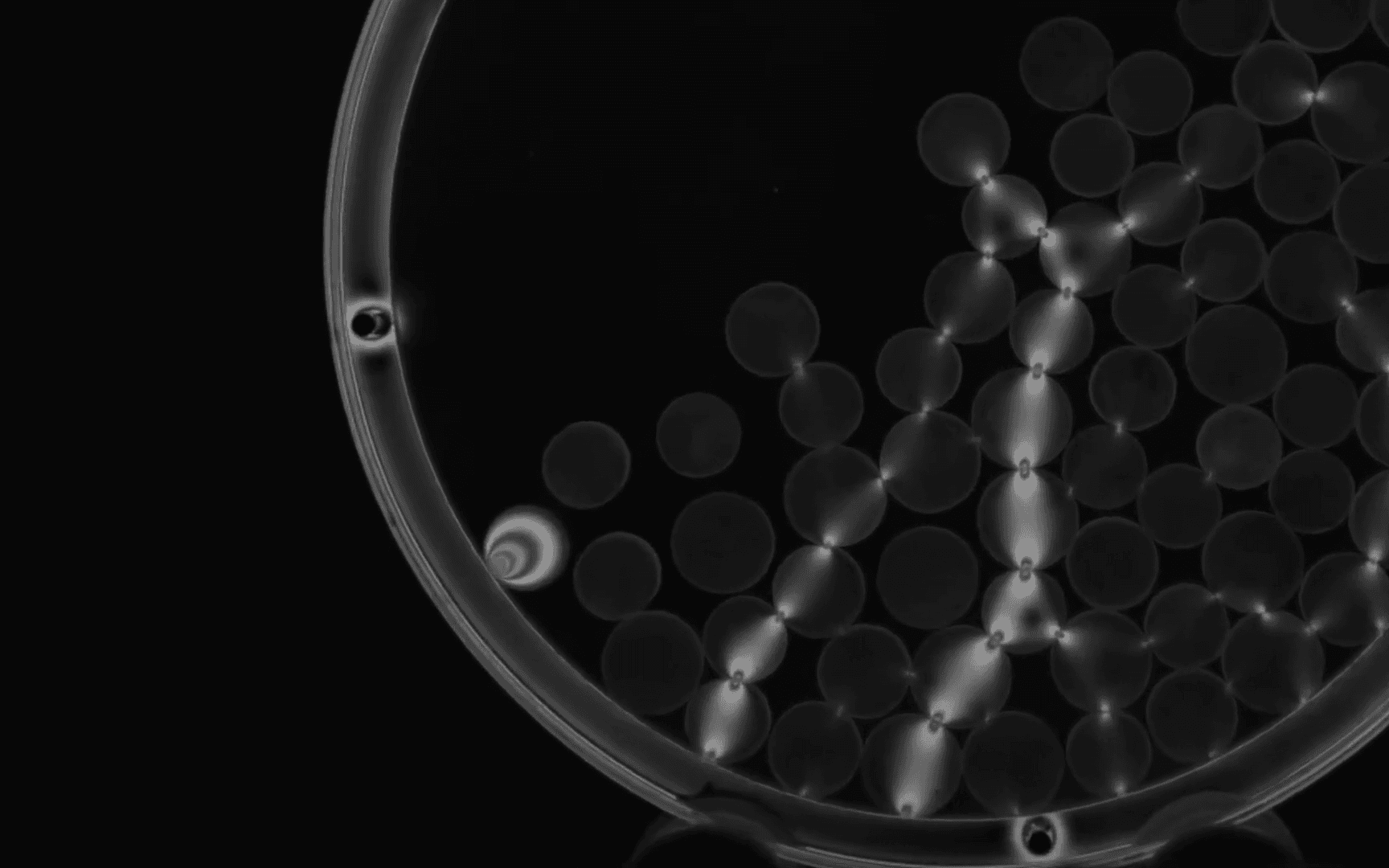
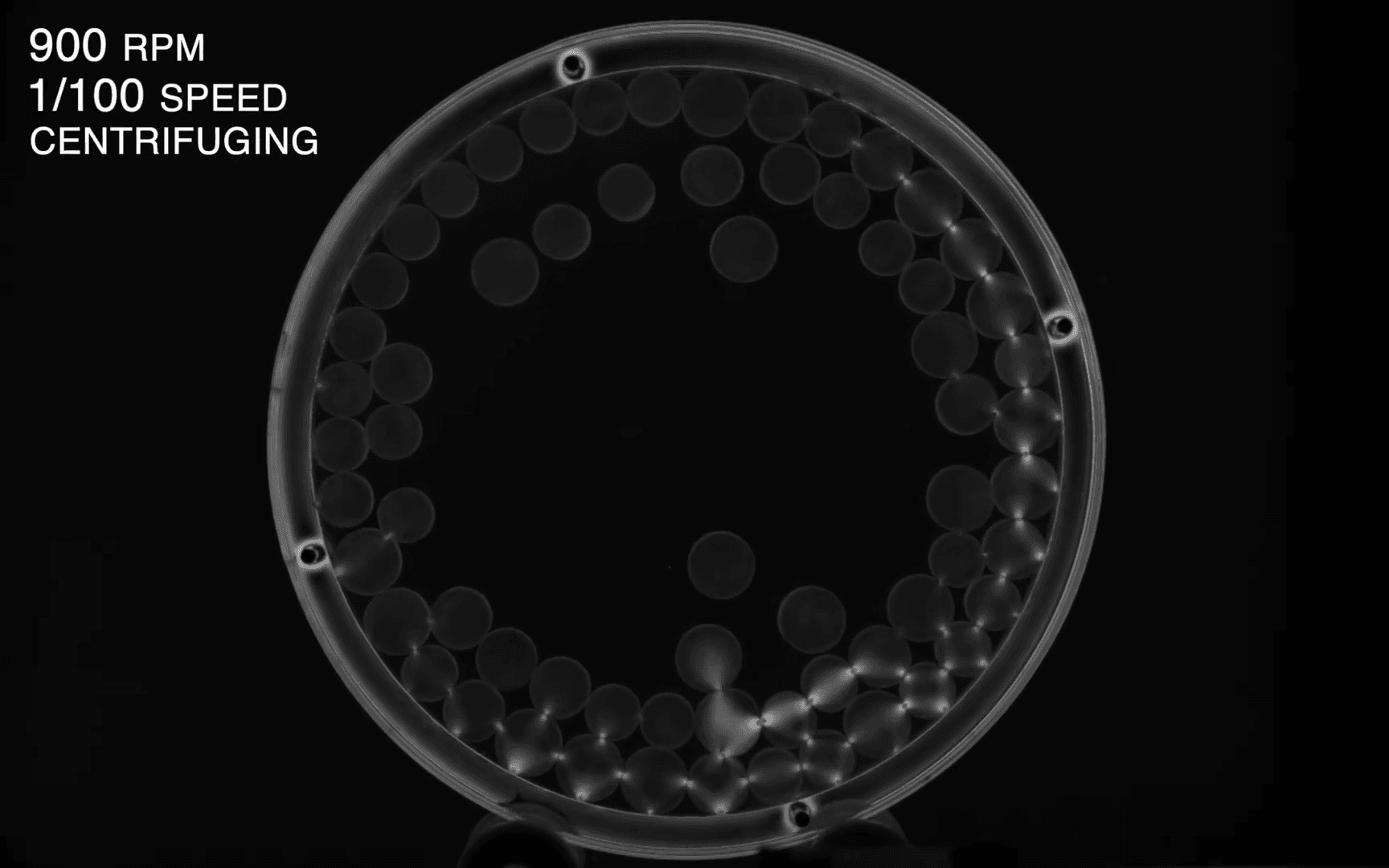
    Researchers sometimes study avalanches and other granular flows in a rolling drum, where grains can cascade down continuously. Here, the twist is that they’ve done it with photoelastic disks, which show stress patterns when viewed under crossed polarizing filters.

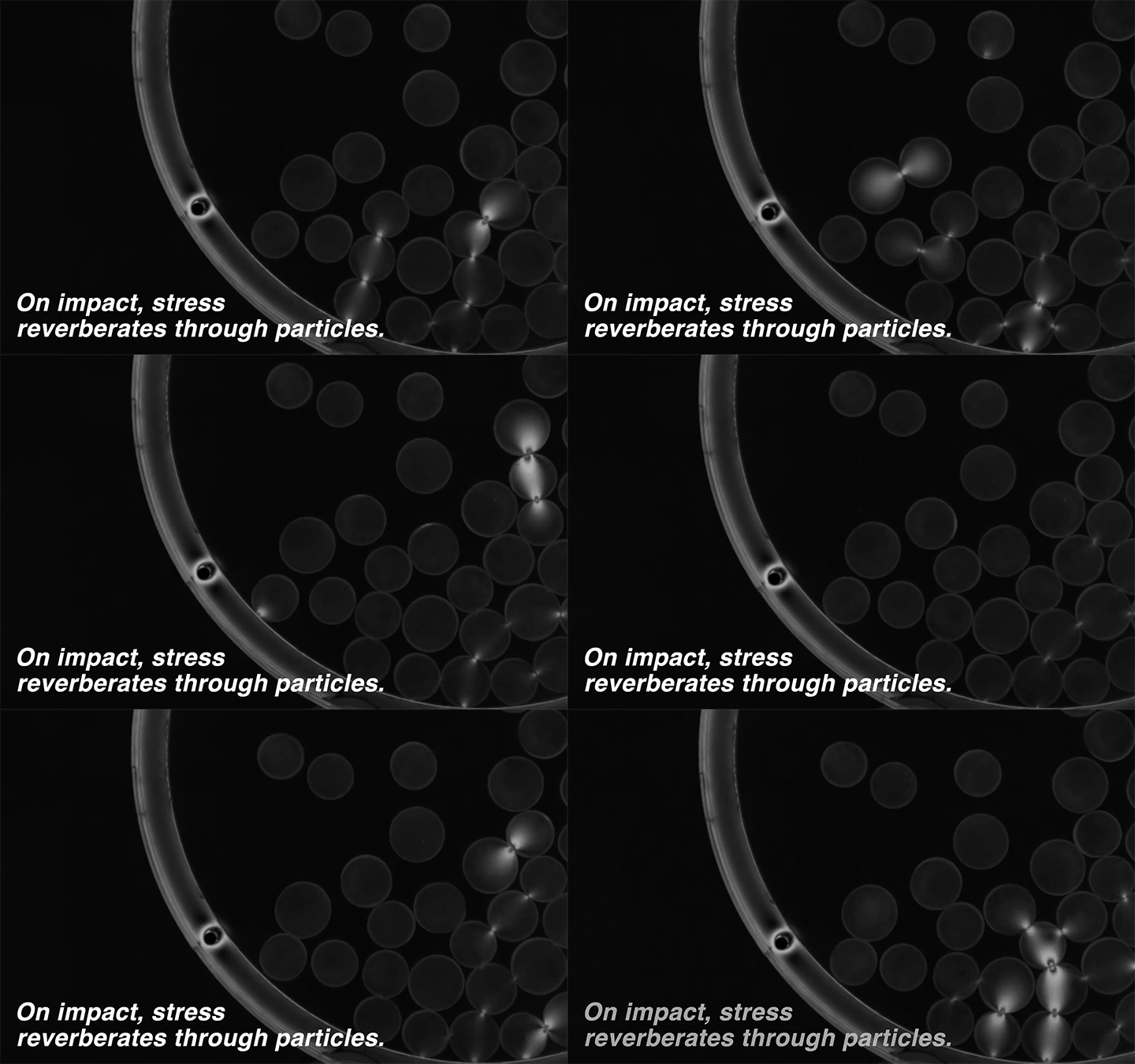
    In any given moment, the contacts between neighboring particles form a force chain that lights up the disks. In motion, the effect resembles lightning forking and branching across the sky. The close-ups of stress reverberating during impact are especially mesmerizing. (Video and image credit: R. Hodgson et al.)

    Animation of stress reverberating through particles as they roll in a drum.
    Animation of stress reverberating through particles as they roll in a drum.
    Fediverse Reactions