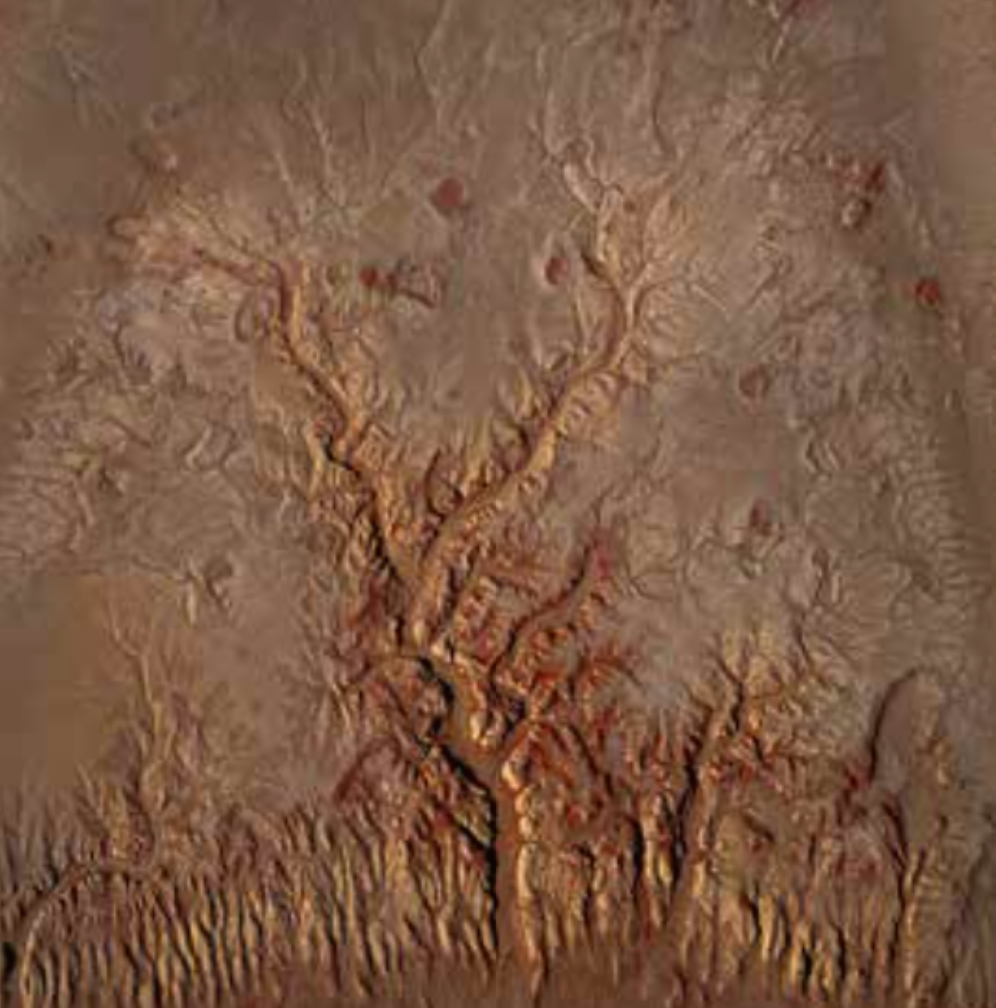
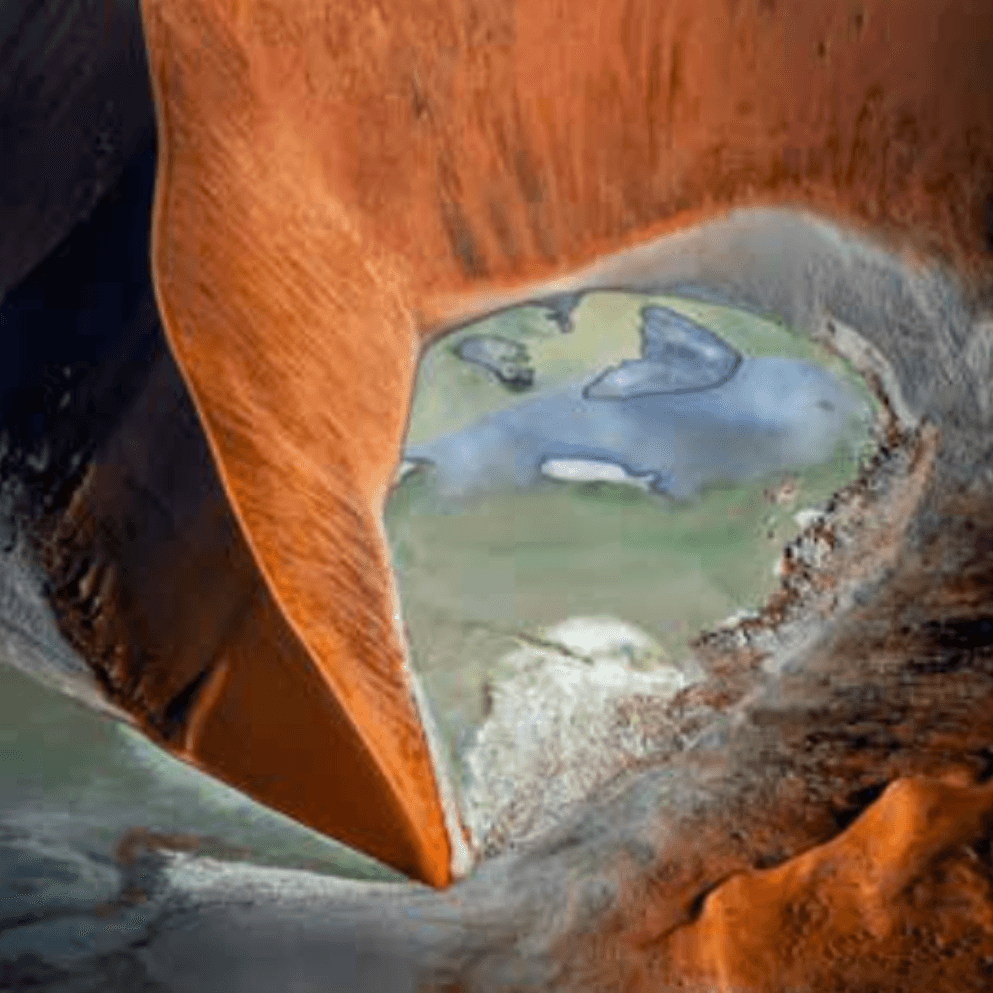
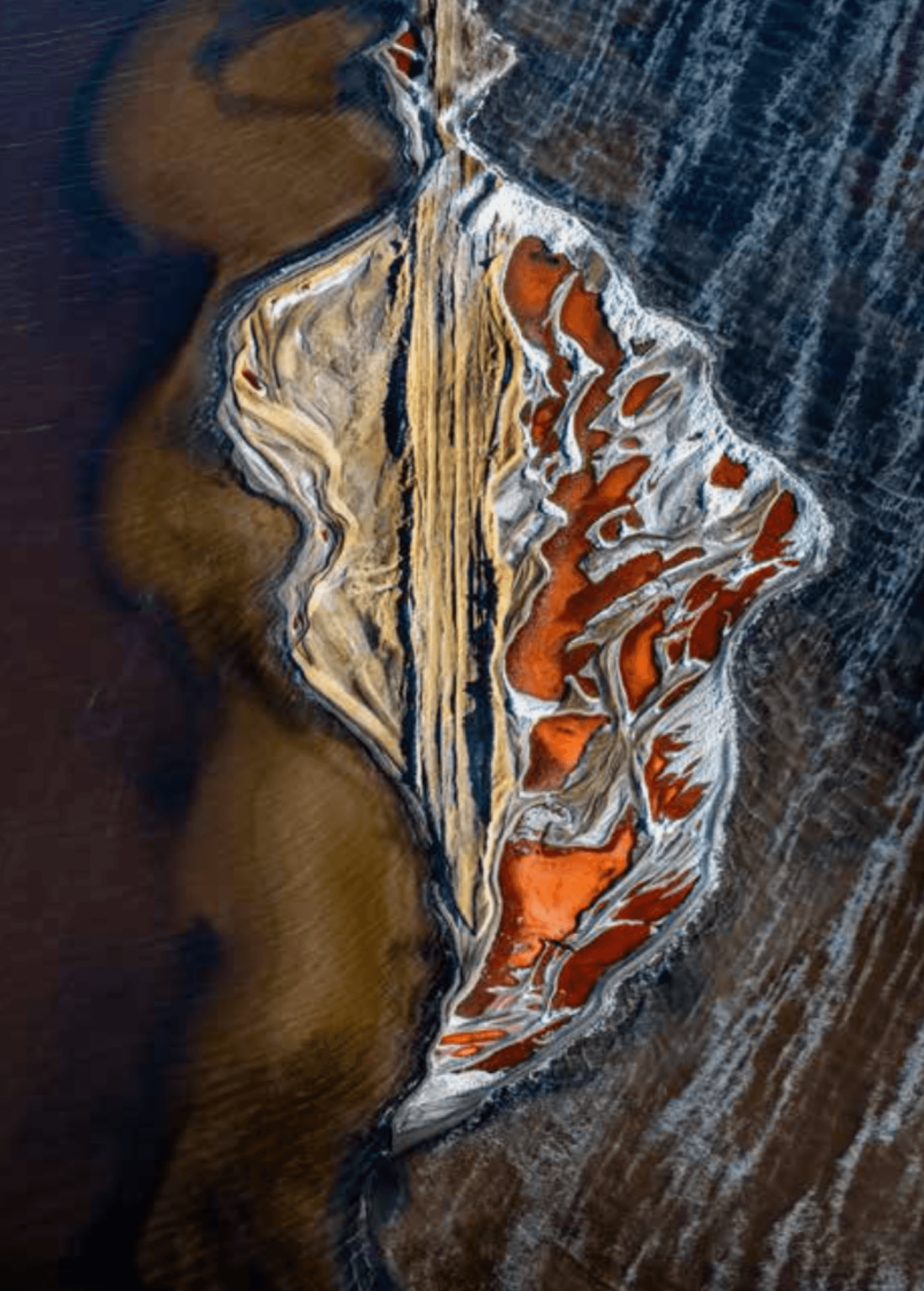
Photographer Barbara Brown captured these striking aerial views in Namibia. Coastal dunes and saltworks feature in the photos from Walvis Bay, where wind, waves, evaporation, and humankind have shaped the landscape. The colorful and dendritic dune images come from Sossusvlei, where the ephemeral Tsauchab River ends in the Namib Desert. Recent flooding left its mark on the dry landscape. (Image credit: B. Brown/IAPOTY; via Colossal)
Month: August 2026

How Corals Stir
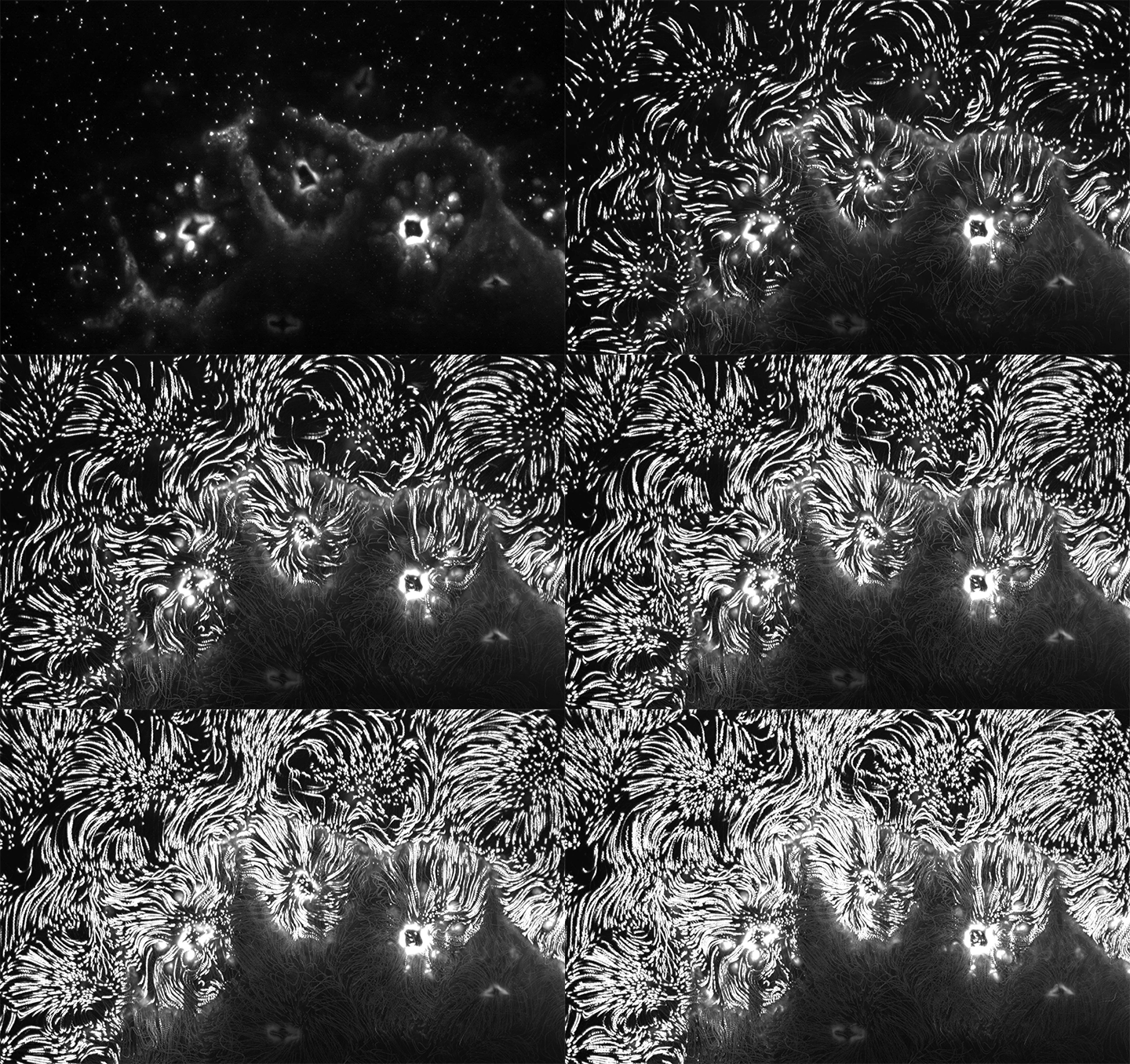
Reef-building coral polyps constantly stir the water around them with dense carpets of microscopic hair-like cilia. The beating of the cilia helps polyps feed while also pushing away sediment and debris. Their stirring increases nutrient and gas exchange with seawater, too. A new study combines experimental measurements with a simple mathematical model to recreate the three-dimensional flows corals make. The model’s efficiency means it should be useful for future studies of how corals and other cilia-covered systems interact with bacteria or other active particles. (Image and research credit: S. Selvan et al.; via APS)


The Subtleties of Pipe Flow
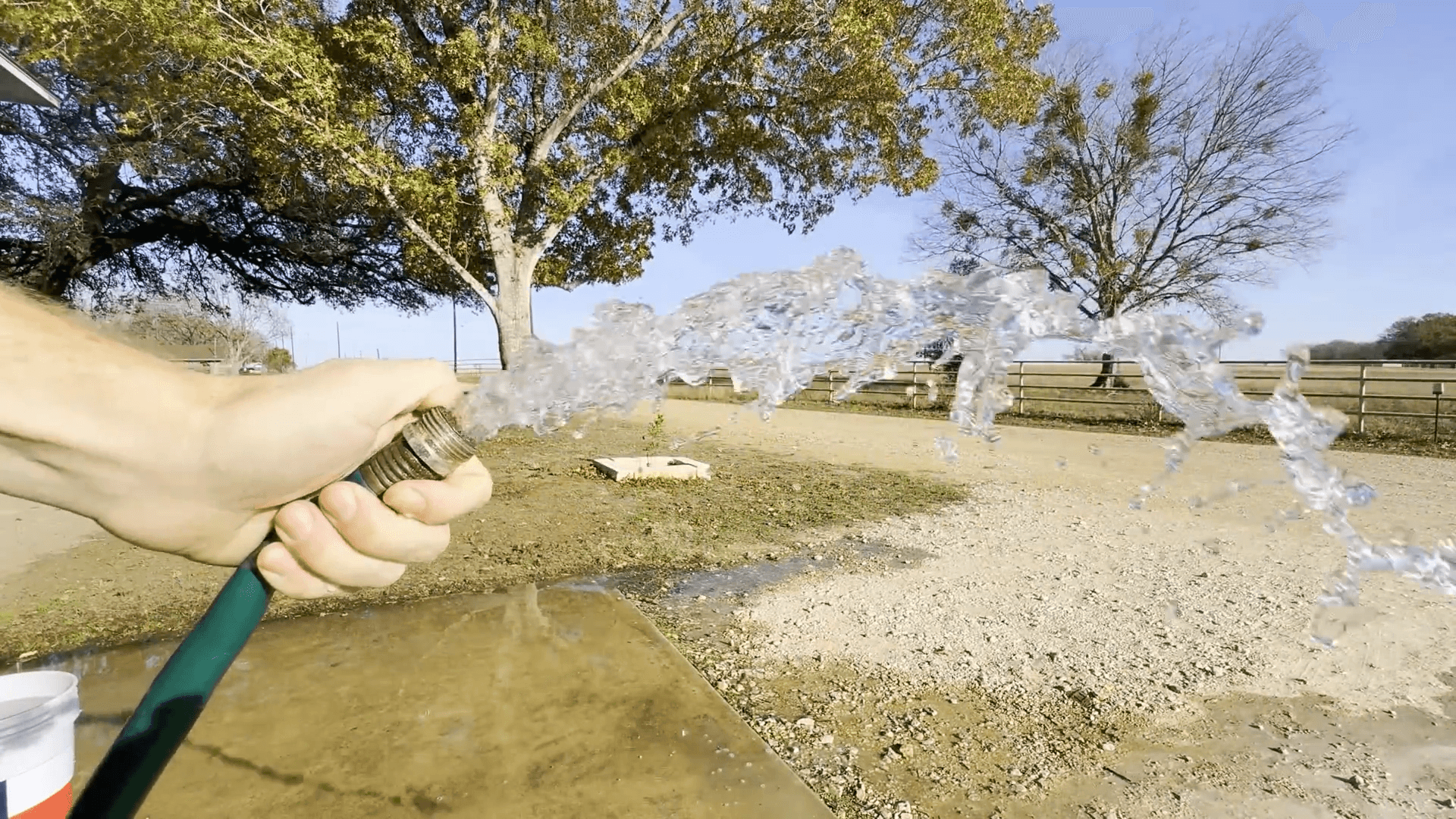
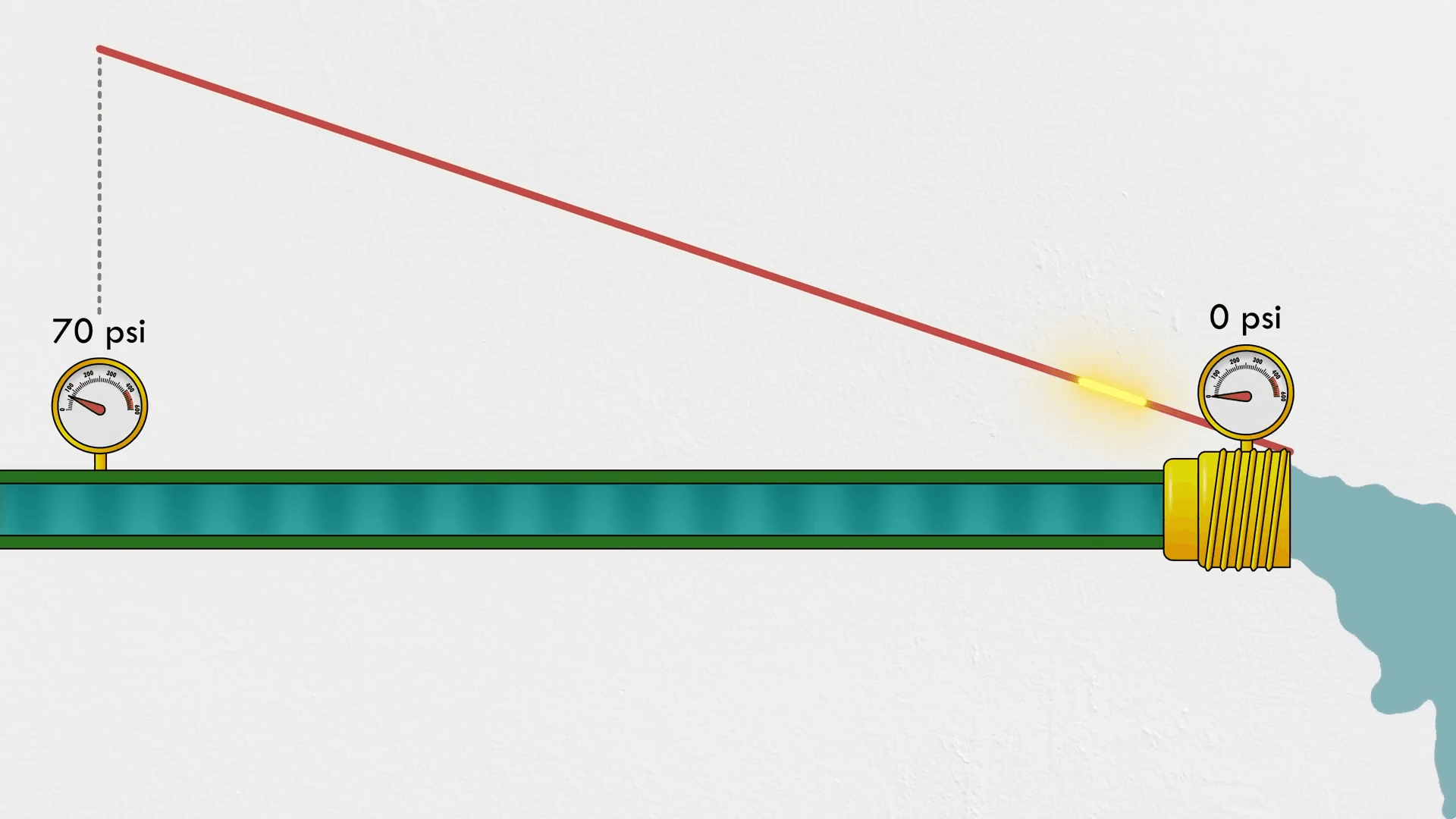
If you put a thumb over your hose’s outlet, you get a faster jet, but how does that affect the flow rate? That’s the question Grady starts from in this Practical Engineering video exploring pipe flow physics. From continuity and control volumes to practical losses, he touches on both the theory and practice behind this all-important aspect of engineering. Pipe flow is often where engineering students begin their studies of fluids, but that doesn’t mean it’s easy! (Video and image credit: Practical Engineering)

Screening for Sleep Apnea
Snoring and sleep apnea–a condition where aeroelastic flutter obstructs the airway and stops breathing during sleep–often go hand-in-hand. But diagnosing sleep apnea involves an expensive and time-consuming screening in which the patient has to sleep while monitored by various sensors. To make the process easier, researchers are developing a screening method based only on audio recording.
They started with a pre-trained audio model designed for speech recognition and stripped back computationally-expensive layers that weren’t relevant to snoring. Then they trained the new model using labeled audio data taken from standard clinical testing for sleep apnea. That means the model was told which audio recordings corresponded to “normal” snoring and which showed signs of sleep apnea. From there, the model was able to correctly identify apnea-related audio from fresh recordings just under 74% of the time. While that accuracy isn’t high enough to use the tool for diagnosis, it could help patients pre-screen for sleep apnea at home to decide whether the more invasive testing is warranted. (Image credit: L. Cline; research credit: H. Li et al.; via Physics World)

Microplastics in the Water Column
Of the more than 9 billion metric tons of plastic that’s been produced, a mere 9% has been recycled. About 12% has been incinerated, and the remainder is just out there–in our homes, our landfills, and, unfortunately, in our oceans. Exactly where all the plastic is continues to be an active question of research.
Plastic’s density is similar to that of water; some versions are a little denser than water, and some are a little lighter. So whether a piece of plastic floats at the ocean surface or sinks to the bottom depends on several factors, including its density, size, and shape. A large, dense plastic–think laundry detergent bottles–can float if it displaces enough water; after all, metal ships float!
But as sunlight and abrasion breaks that big container into smaller fragments, their buoyancy shrinks. Eventually, these small, millimetric pieces sink, carrying our pollution to ecosystems we once thought remote. Some of the highest rates of microplastic ingestion are found in nonmigratory species living between 1200 and 1500 meters below the surface. We may never visit those depths, but our garbage does. (Image credit: iStock/dottedhippo; via Eos)