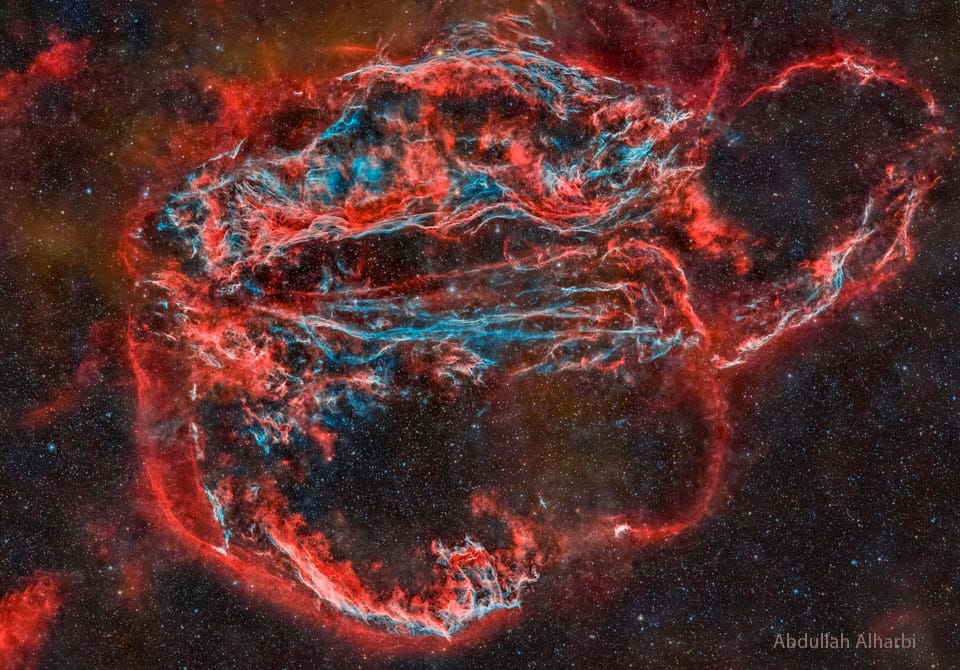
These glowing wisps are the visible remains of a star that went supernova about 7,000 years ago. Today the supernova remnant is known as the Veil Nebula and is visible only through telescopes. In the image, red marks hydrogen gas and blue marks oxygen. First carried by shock waves, these remains of a former star now serve as seed material for other stars and planetary systems to form. (Image credit: A. Alharbi; via APOD)
Year: 2025

What Makes a Dune?
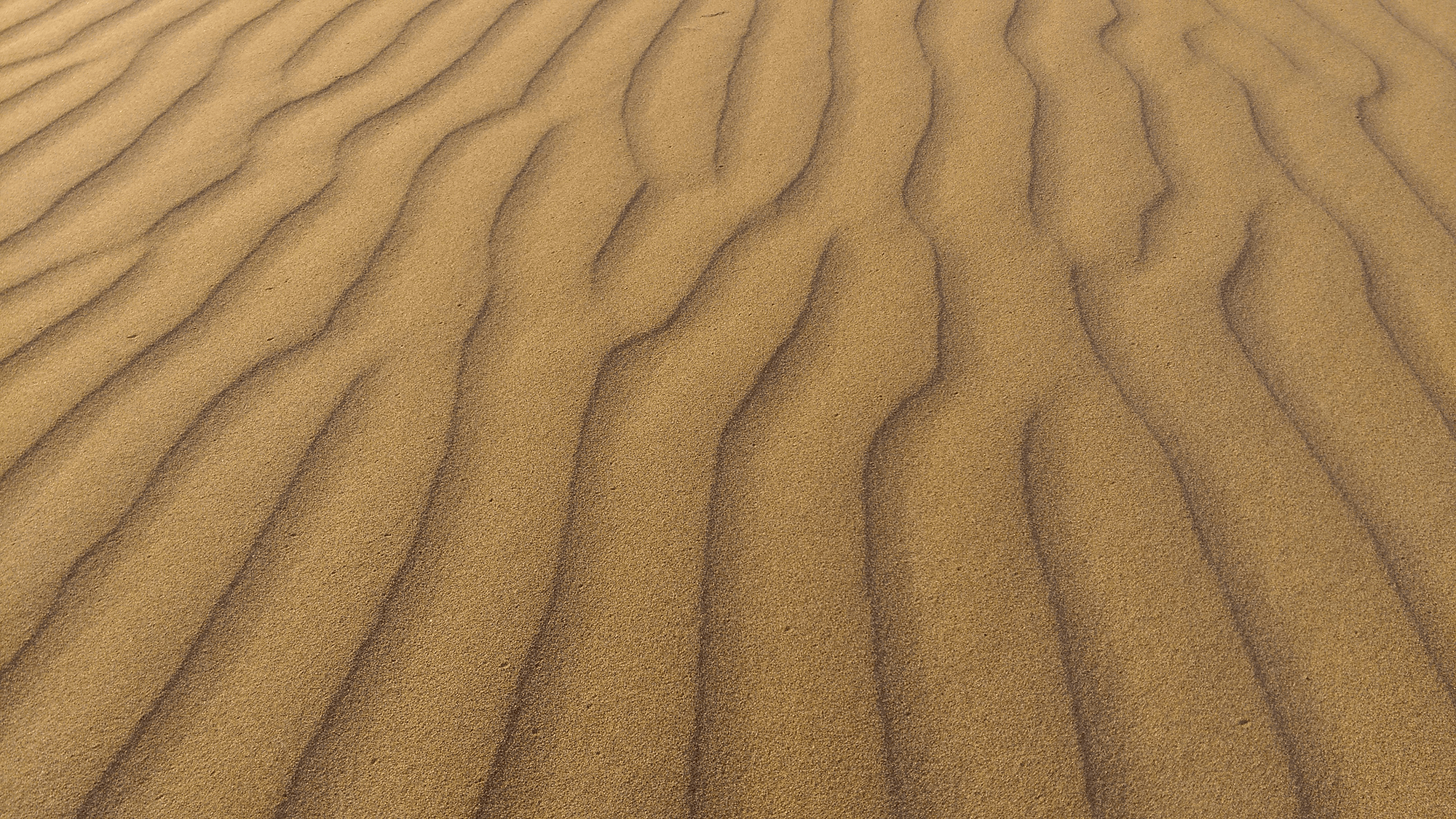
Wind and water can form sandy ripples in a matter of minutes. Most will be erased, but some can grow to meter-scale and beyond. What distinguishes these two fates? Researchers used a laser scanner to measure early dune growth in the Namib Desert to see. They found that the underlying surface played a big role in whether sand gathered or disappeared from a given spot. Surfaces like gravel, rock, or moistened sand were better for starting a dune than loose sand was. Each of these surface types affected how much sand the wind could carry off, as well as whether grains bounced or stuck where they landed. Every trapped sand grain made the surface a little rougher, increasing the chances of trapping the next sand grain. Over time, the gathering sand forms a bump that affects the wind flow nearby, further shaping the proto-dune. As long as the wind isn’t strong enough to scour the surface clean, it will keep gathering sand as the process continues. (Image credit: M. Gheidarlou; research credit: C. Rambert et al.; via Eos)
Fediverse Reactions
-

Understanding Acoustic Dissonance


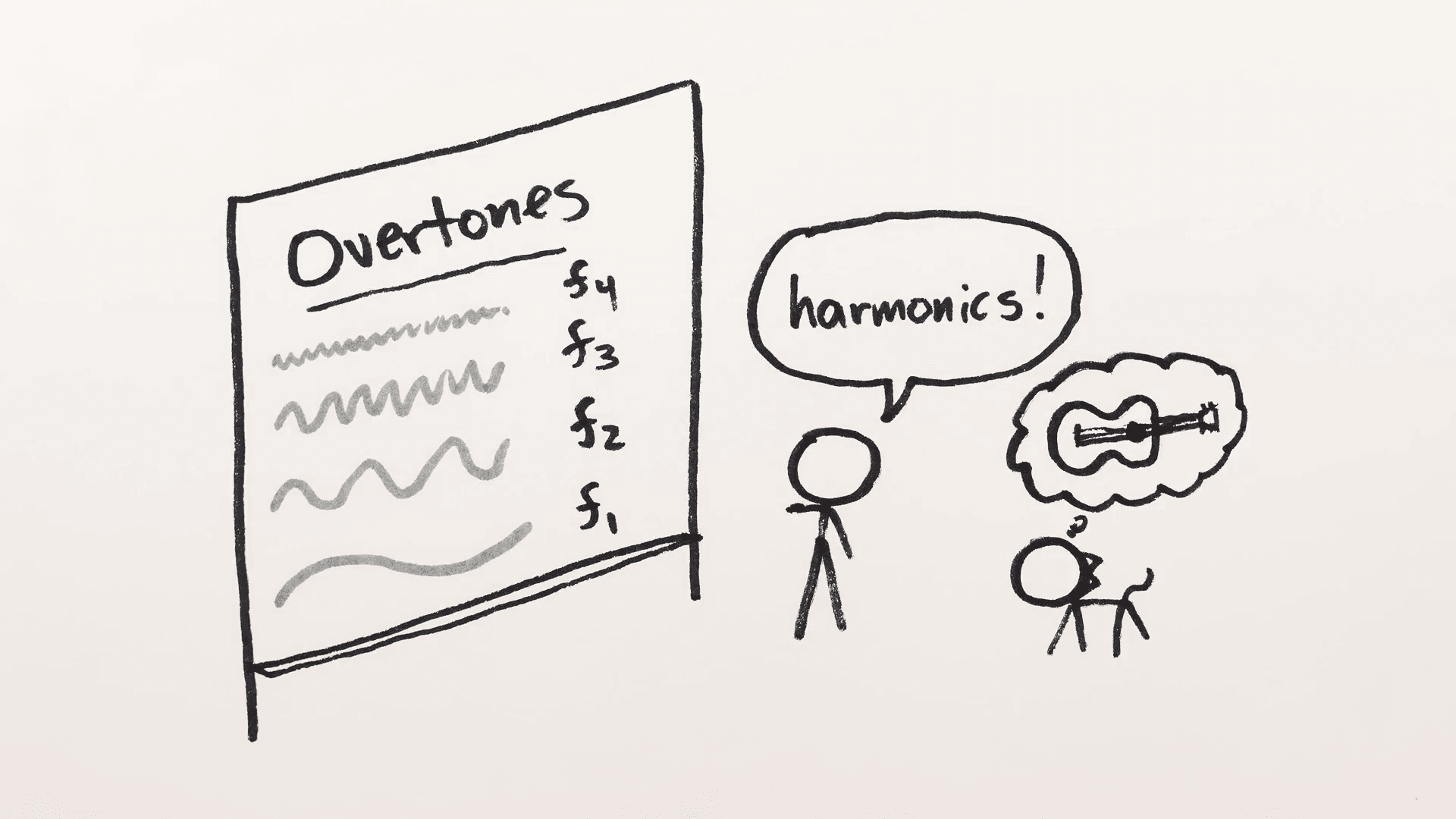
Dissonance — the discomfort we feel when two or more musical notes feel mismatched — is more than just a subjective measure. In this video, Henry of Minute Physics delves into some of the physics involved in dissonance, first with simple sine waves and then with musical instruments. Our ears — and our brains — seem most troubled when two notes (and their overtones) are close but not quite matching in frequency. And, as Henry explains, the peaks and valleys between those agreements lead to many of the musical systems we have today. (Video and image credit: Minute Physics)
Fediverse Reactions
-

A Sandy Spine
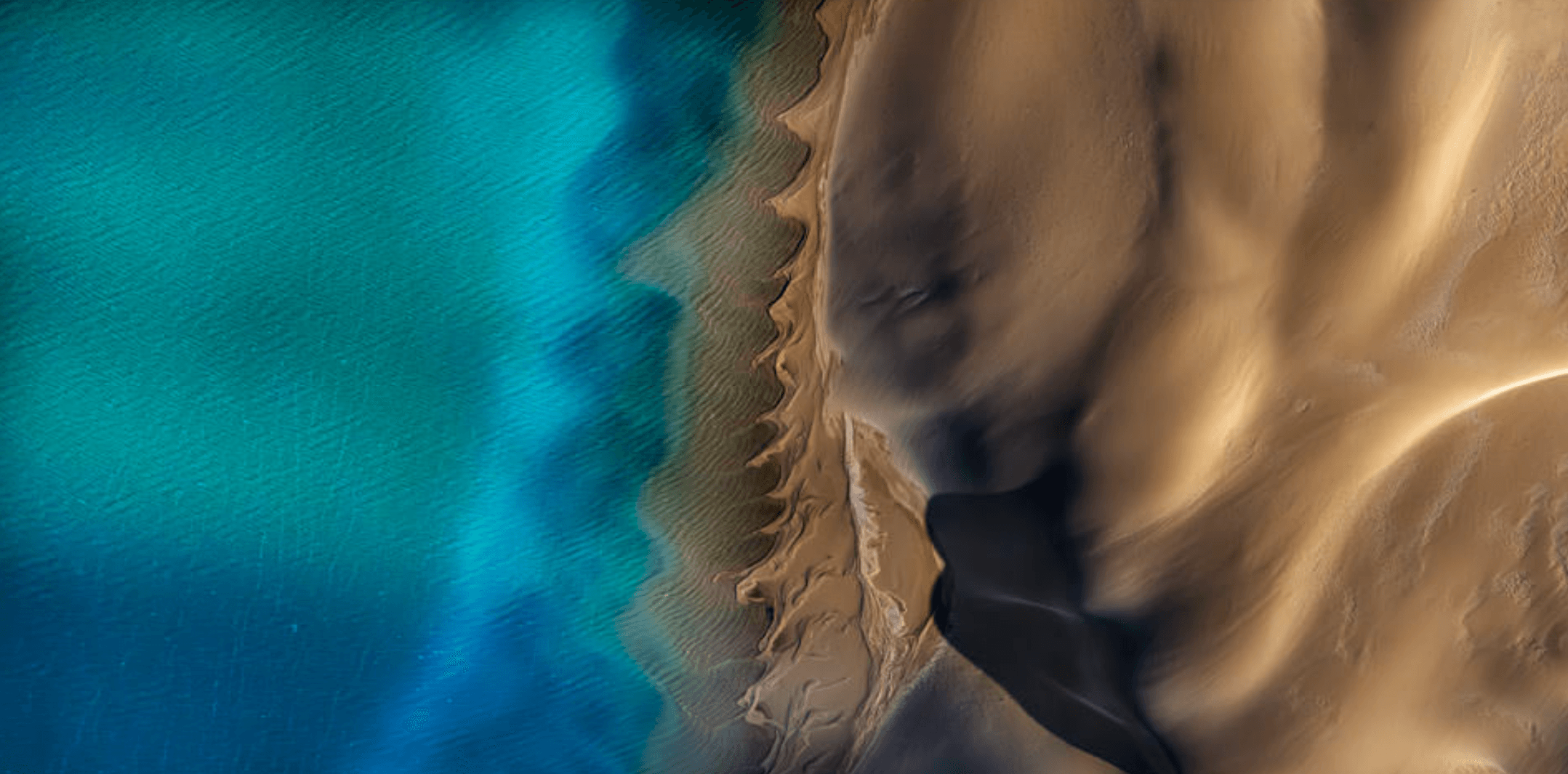
Where sea and sand meet, Gaia’s spine rises. Photographer Satheesh Nair captured this striking image in western Australia, where wind and wave action have dragged a dune into vertebrae-like cusps. Notice how the size and shape of the curves differs between the under- and above-water sections. Those differences reflect the differing forces that shape them — just water for one set, water and air for the other. (Image credit: S. Nair/IAPOTY; via Colossal)
Fediverse Reactions
-

Seeding Clouds With Wildfire
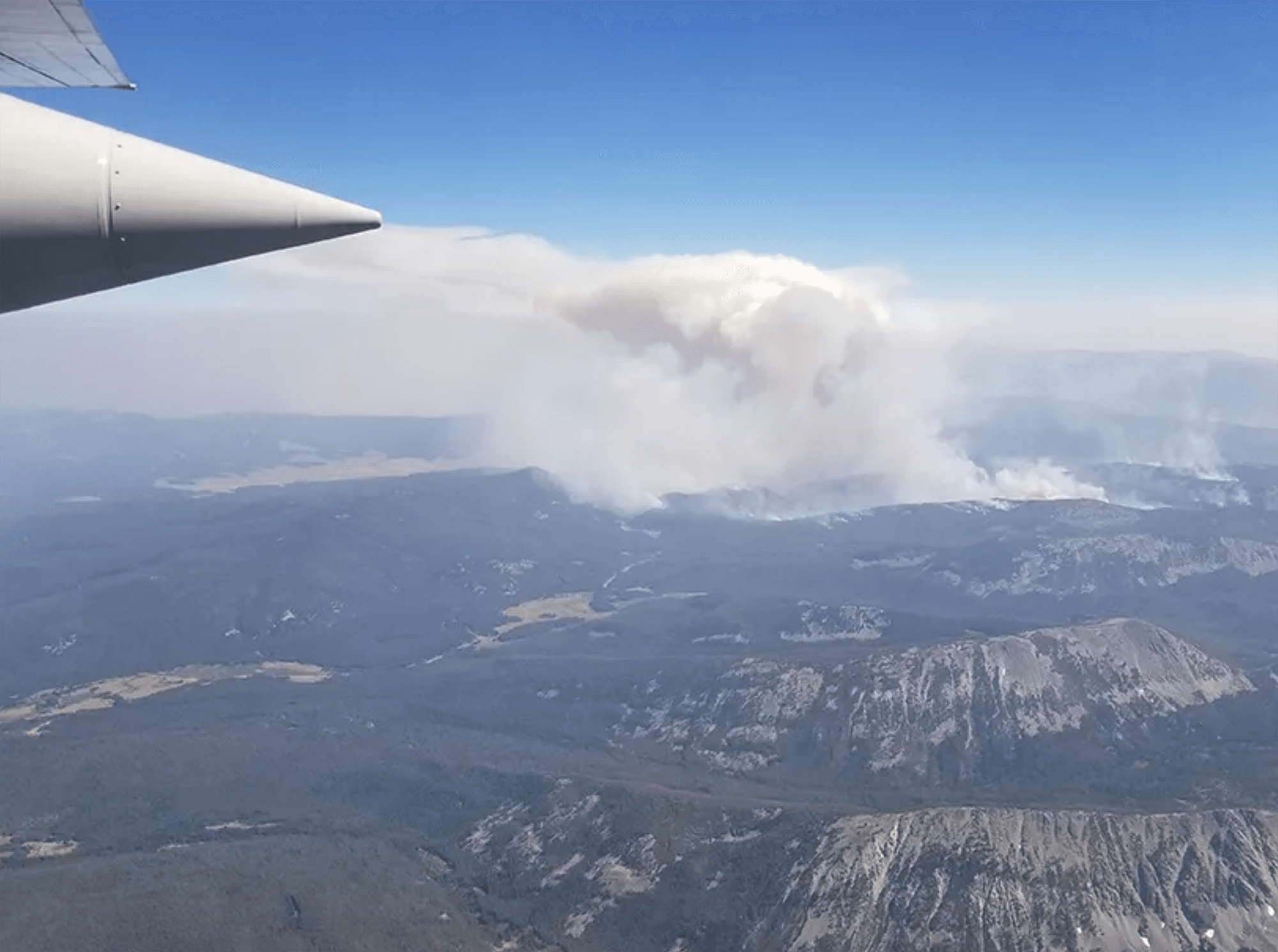
Raging wildfires send plumes of smoke up into the atmosphere; that smoke is made up of tiny particles that can serve as seeds — nucleation sites — where water vapor can freeze and form clouds. To understand wildfire’s effect on cloud growth, researchers sampled air from the troposphere (the atmosphere’s lowest layer) both in and around wildfire smoke.
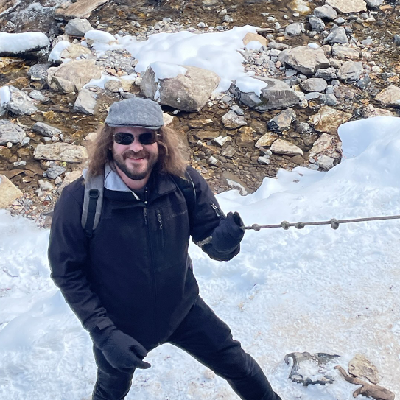
The team found that smoke increased the number of nucleating particles up to 100 times higher than the background air, but the exact make-up of the smoke varied significantly by fire. Smoke particles were mostly organic, though inorganic ones appeared as well. The temperature of a fire, as well as what materials it was burning, made a big difference; the fire where they measured the highest particle concentrations included lots of unburned plant material, thought to be carried aloft by turbulence around the fire. (Image credit: K. Barry; research credit: K. Barry et al.; via Eos)
Fediverse Reactions
-
The Incredible Engineering of the Alhambra


Begun in 1238, Alhambra Palace in Grenada, Spain is a monument to Islamic architecture and clever engineering. Despite sitting far above the city, the Alhambra was fed by the river, diverted from upstream along a canal. Within the palace itself, this water was used for heated flooring, steam rooms, baths, and even a fountain that told the time. This Primal Space video breaks down how engineers pressurized the water lines, moved water into and around the palace, and how wonders like the palace’s fountains worked. As impressive as the engineering is, though, it’s worth remembering that the Alhambra’s engineers were not creating new technologies: multiple older civilizations also used aqueducts, water wheels, and siphons to similar effect. (Video and image credit: Primal Space)
Fediverse Reactions
-

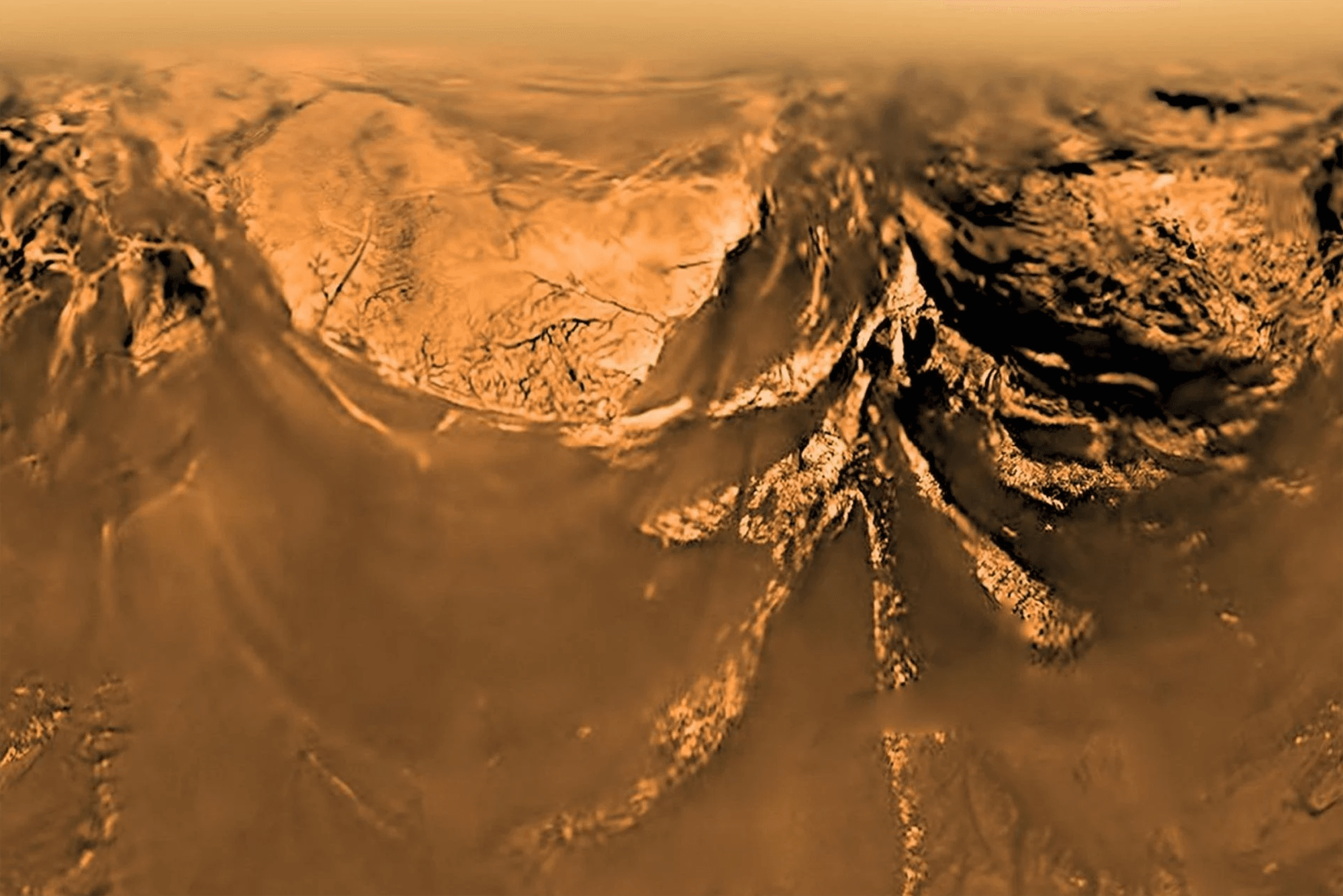
Forming Vesicles on Titan
Scientists are still debating exactly what shifts nature from chemical and physical reactions to living cells. But vesicles — small membrane-bound pockets of fluid carrying critical molecules — are a commonly cited ingredient. Vesicles help cluster important organic molecules together, increasing their chances of combining in the ways needed for life. Now scientists are suggesting that Titan, Saturn’s moon, could form vesicles of its own.
On Earth, molecules known as amphiphiles feature a hydrophilic (water-loving) end and a hydrophobic (water-fearing) one. When dispersed in water, amphiphiles crowd at the surface, placing their hydrophilic end in the water and their hydrophobic end outward toward the air. On Titan, the Cassini mission revealed organic nitrile molecules that behave similarly with methane rather than water.
Their two-sided structure means that these molecules — like Earth’s amphiphiles — will gather at the surface of Titan’s liquids. When methane rain falls on the Titan’s seas, the impact creates aerosol droplets that slowly settle back to the liquid surface. When that happens, the droplet’s molecular monolayer and the lake’s monolayer meet, enclosing the droplet’s contents in a double-layer of molecules that prevent contact between the droplet and the lake.
Within that newly-formed vesicle, all kinds of molecules can bump shoulders, creating new opportunities for complex chemistry. (Image credit: Titan – ESA/NASA/JPL/University of Arizona, illustration – C. Mayer and C. Nixon; research credit: C. Mayer and C. Nixon; via Gizmodo)
Fediverse Reactions
-

Cutting Out Canyons
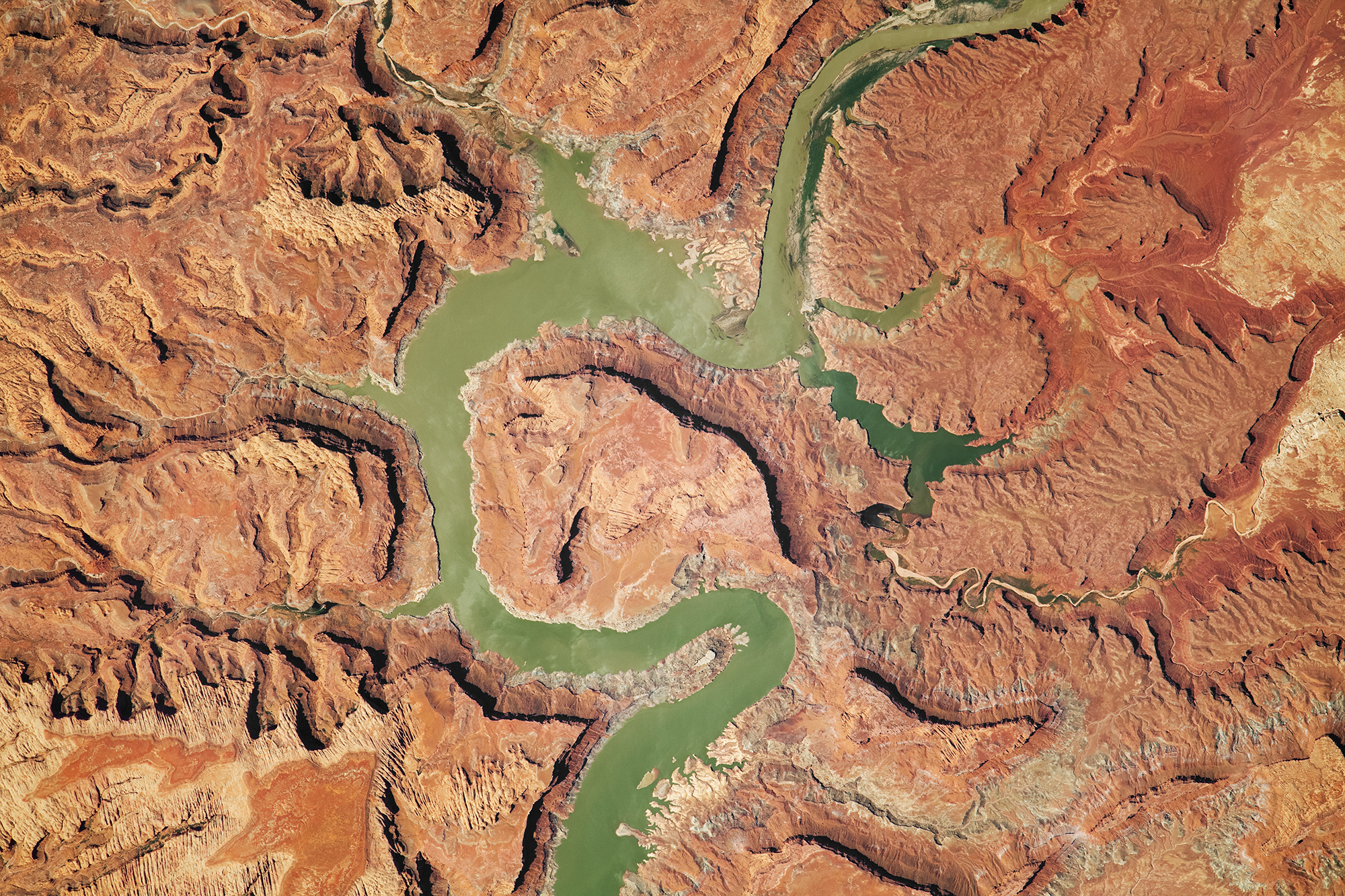
Over the millennia, the Colorado River has carved some of the deepest and most dramatic canyons on our planet. This astronaut photo shows the river near its dam at Lake Powell. The strip of white edging the lake is the “bathtub ring” that shows how the water level has varied over the years. The deep canyons — over 400 meters from the Horn in the center of the photo to the river beside it — throw shadows across the landscape. To reach these depths, the Colorado River incised its path into bedrock that was tectonically uplifted. (Image credit: NASA; via NASA Earth Observatory)
Fediverse Reactions
-

Glacier Timelines

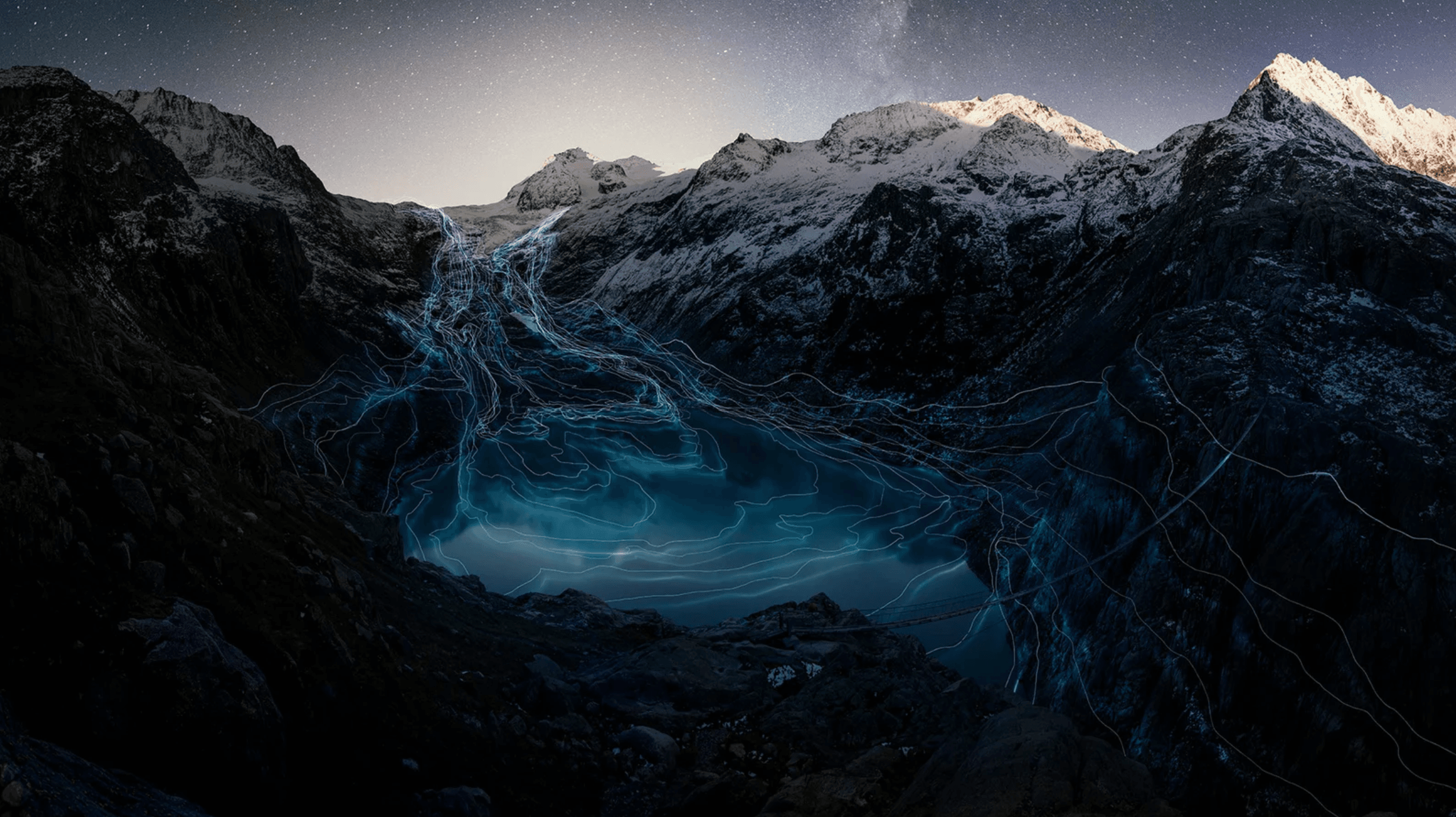
Over the past 150 years, Switzerland’s glaciers have retreated up the alpine slopes, eaten away by warming temperatures induced by industrialization. But such changes can be difficult for people to visualize, so artist Fabian Oefner set out to make these changes more comprehensible. These photographs — showing the Rhone and Trift glaciers — are the result. Oefner took the glacial extent records dating back into the 1800s and programmed them into a drone. Lit by LED, the drone flew each year’s profile over the mountainside, with Oefner capturing the path through long-exposure photography. When all the paths are combined, viewers can see the glacier’s history written on its very slopes. The effect is, fittingly, ghost-like. We see a glimpse of the glacier as it was, laid over its current remains. (Image credit: F. Oefner; video credit: Google Arts and Culture)
Fediverse Reactions
-

Cloud Convection on Titan
Saturn’s moon Titan is a fascinating mirror to our own planet. It’s the only other planetary body with surface-level liquid lakes and seas, but instead of water, Titan’s are made of frigid ethane and methane. Like Earth, Titan has a weather cycle that includes evaporation, condensation, and rain. And now scientists have made their first observations of clouds convecting in Titan’s northern hemisphere.
Using data from both the Keck Observatory and JWST, the team tracked clouds on Titan rising to higher altitudes, a critical step in the planet’s methane cycle. This translation took place over a period of days, giving scientists modeling the Saturnian moon new insight into the seasonal behaviors of Titan’s atmosphere. (Image credit: NASA/ESA/CSA/STScI; research credit: C. Nixon et al.; via Gizmodo)
Fediverse Reactions
-