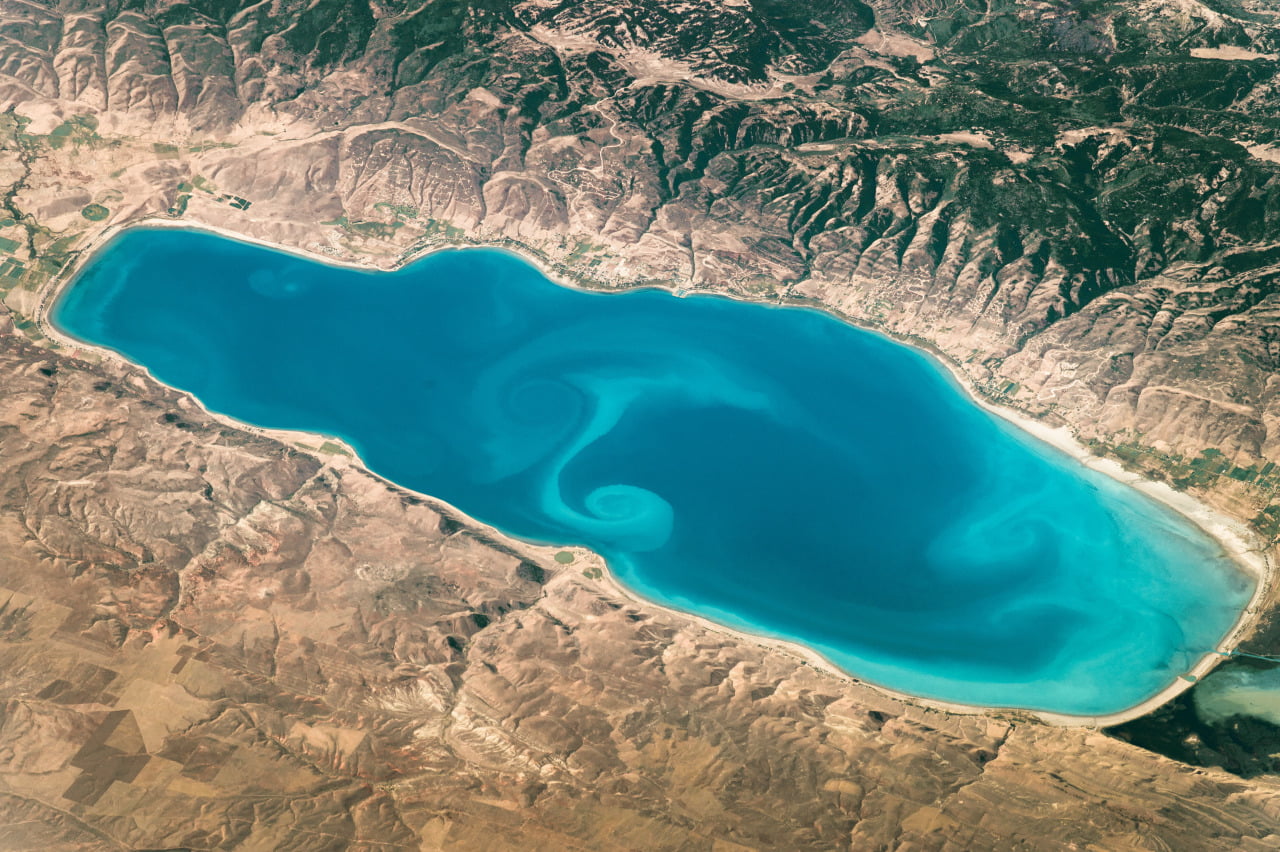
Sediment swirls in Bear Lake caught the eye of an astronaut aboard the International Space Station last year. Bear Lake is situated in the Rocky Mountains, on the Idaho-Utah border. The eddies in the center of the lake are each about 3 km across and are likely the result of inflow from the lake’s tributaries. Silt and sediment picked up by the rivers and streams gets deposited into Bear Lake, revealing the turbulent mixing of tributary waters with those already in the lake. (Image credit: NASA; via NASA Earth Observatory)
Month: January 2017

The Best of FYFD 2016



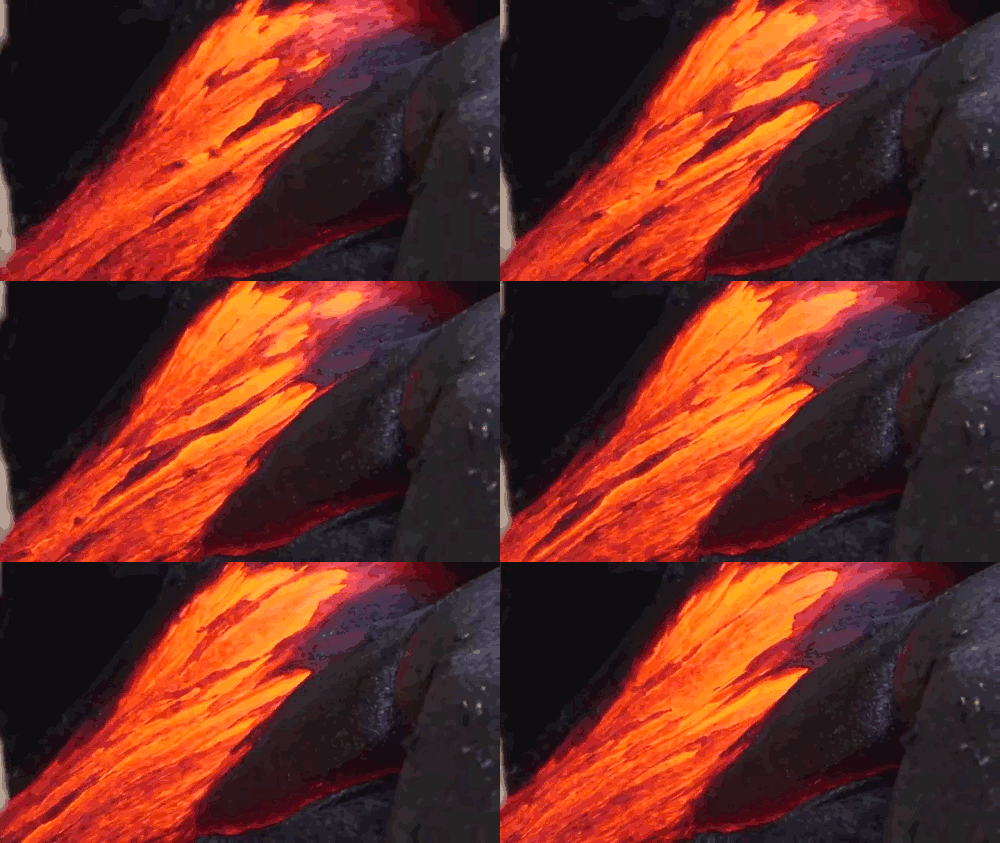
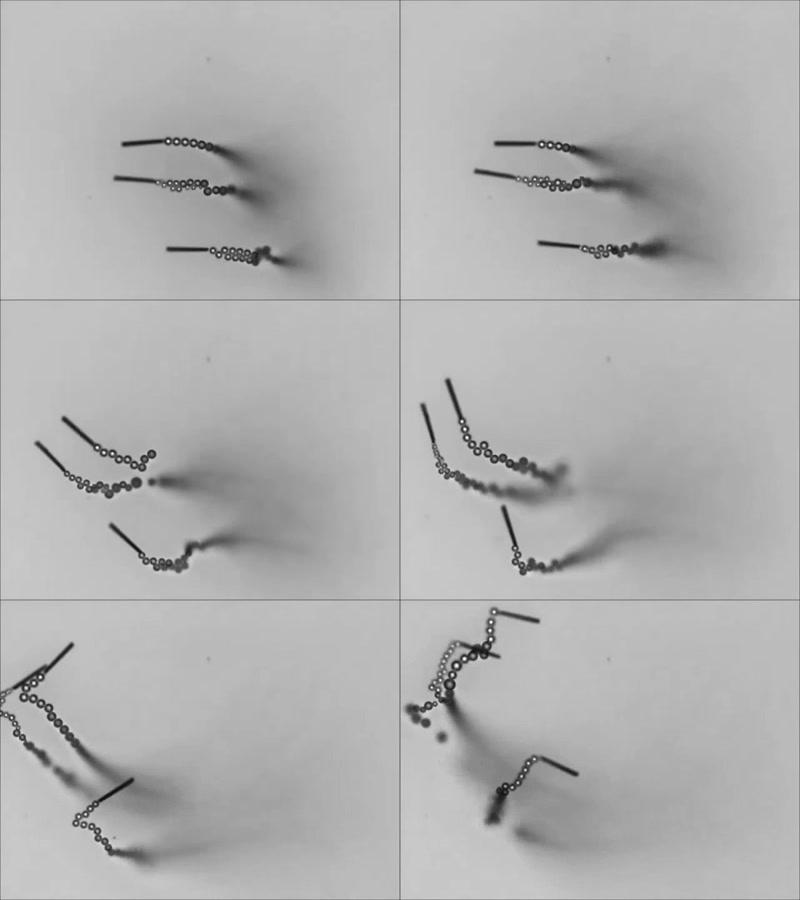
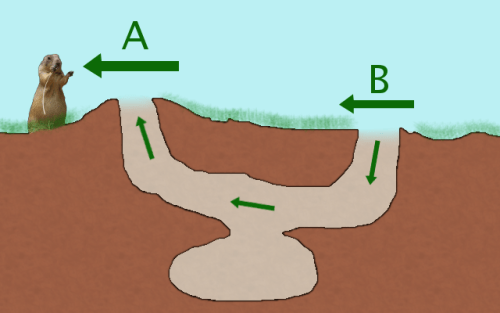
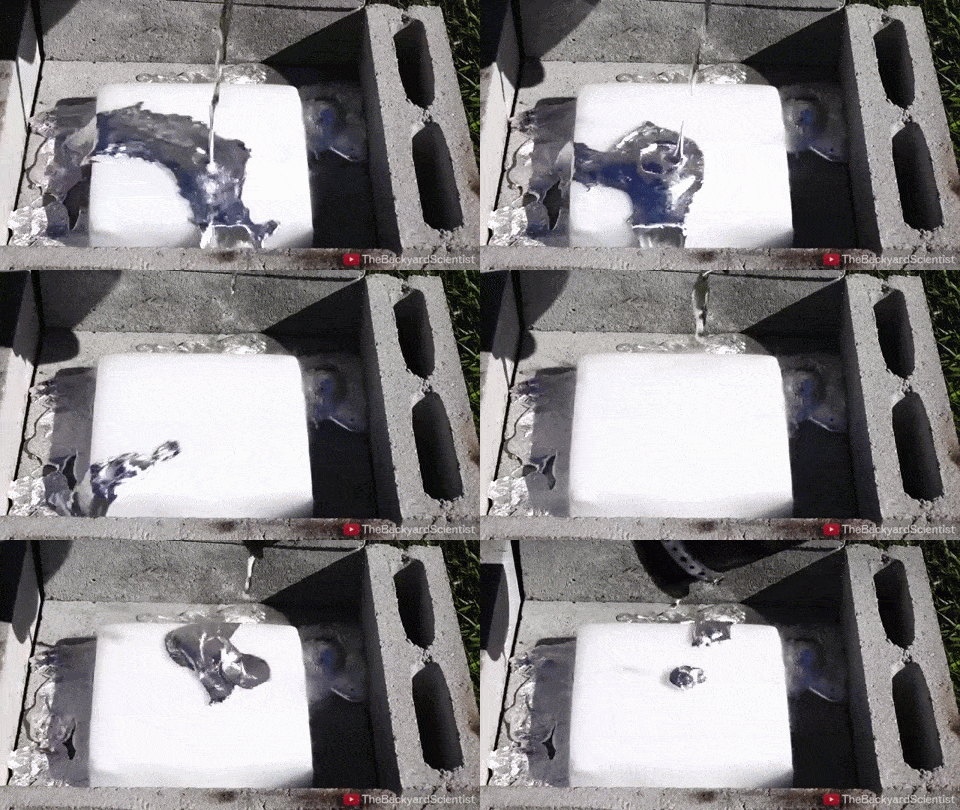
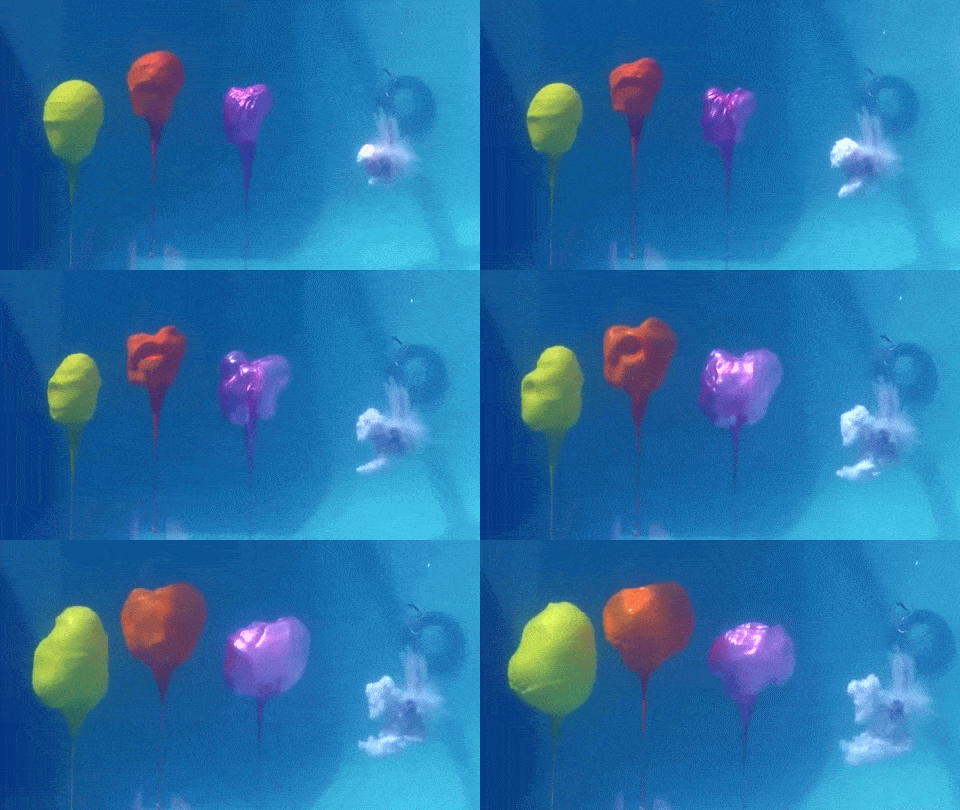
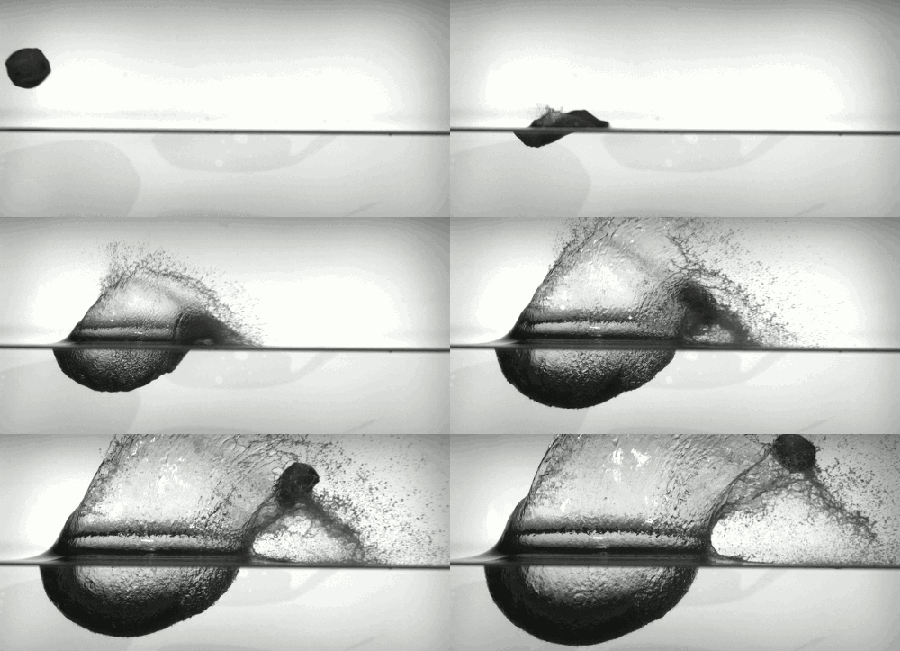
2016 was a wild ride here at FYFD, full of lots of travel and crazy things like making the New York Times and doing radio interviews. I also revamped the YouTube channel and went full-time doing science communication. But let’s look at what you thought was the best part of FYFD’s 2016 based on the most popular posts of the year:
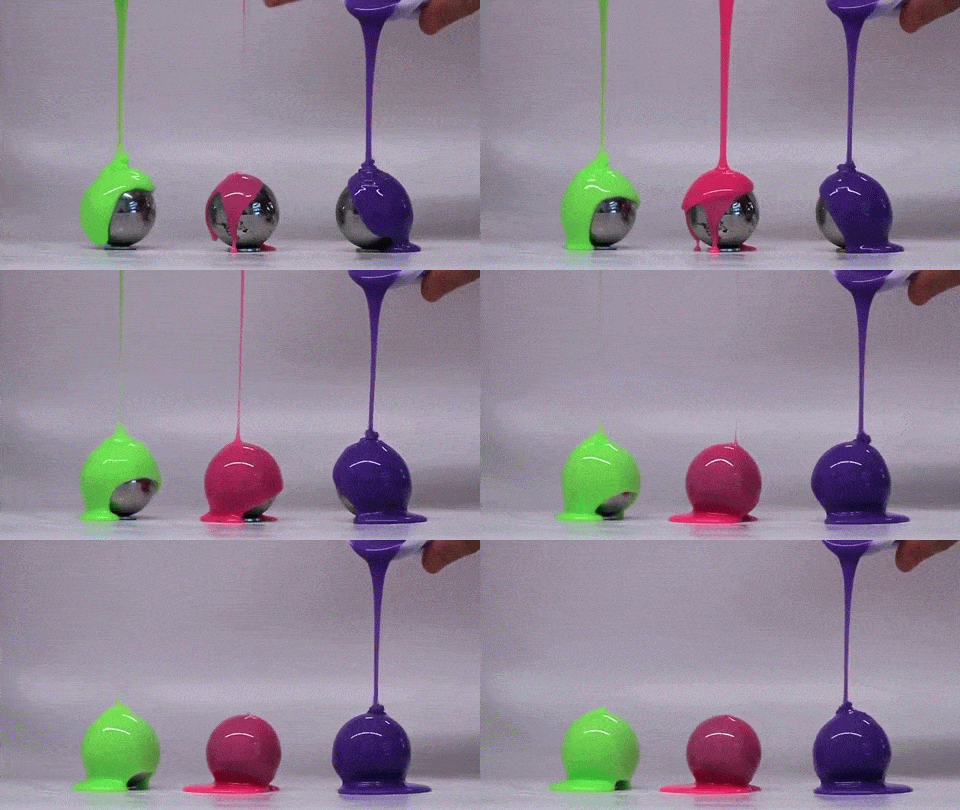
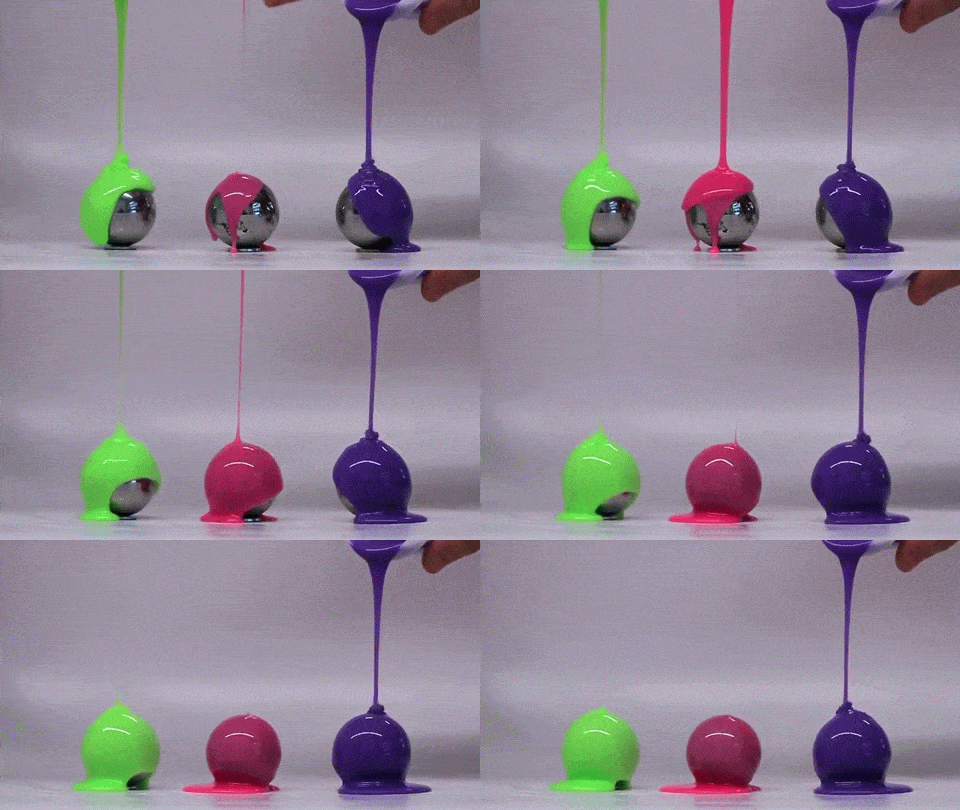
1. The physics of chocolate bonbons and other poured coatings
2. What makes this octopus kite look so realistic?
3. Shooting oobleck with a golf ball
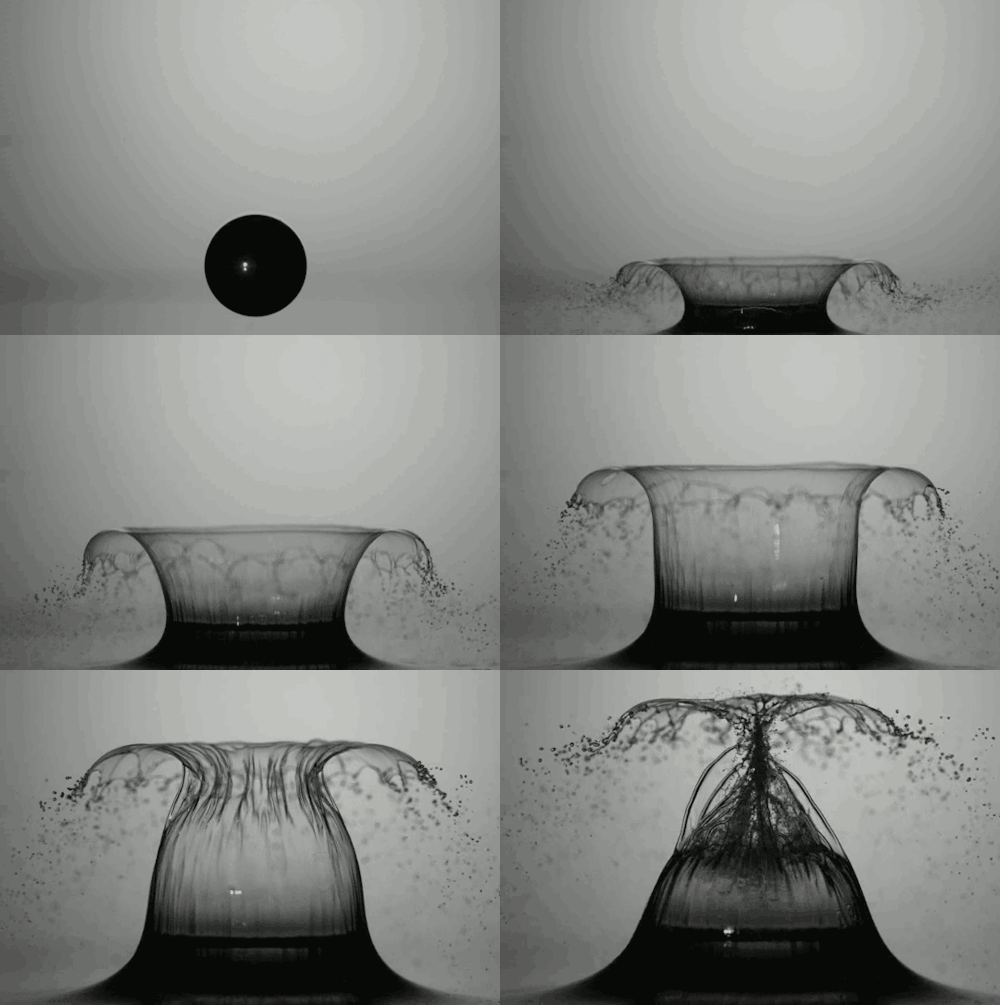
4. Buckling of a crown splash
5. Lava as a gravity current
6. Microscale rockets could aid with drug delivery
7. How prairie dogs keep the air in their burrows fresh
8. Why molten aluminum slides right off dry ice
9. The dangers of underwater explosions
10. Skipping an elastic ball off waterSpecial congrats to The Backyard Scientist and The Splash Lab – both of whom earned multiple spots in the top 10 with their awesome physics-filled visuals. Stay tuned in 2017 for more great fluid dynamics, and if you’d like to help support what I do with FYFD, consider becoming a patron or making a one-time donation!
(Image credits: MIT News; E. Chew; The Backyard Scientist; J. Marston et al.; J. Tarsen; J. Li et al.; N. Sharp; The Backyard Scientist; M. Rober; J. Belden et al.)