
Tag: reverse osmosis

  • Featured Video Play Icon

    Desalination in Action

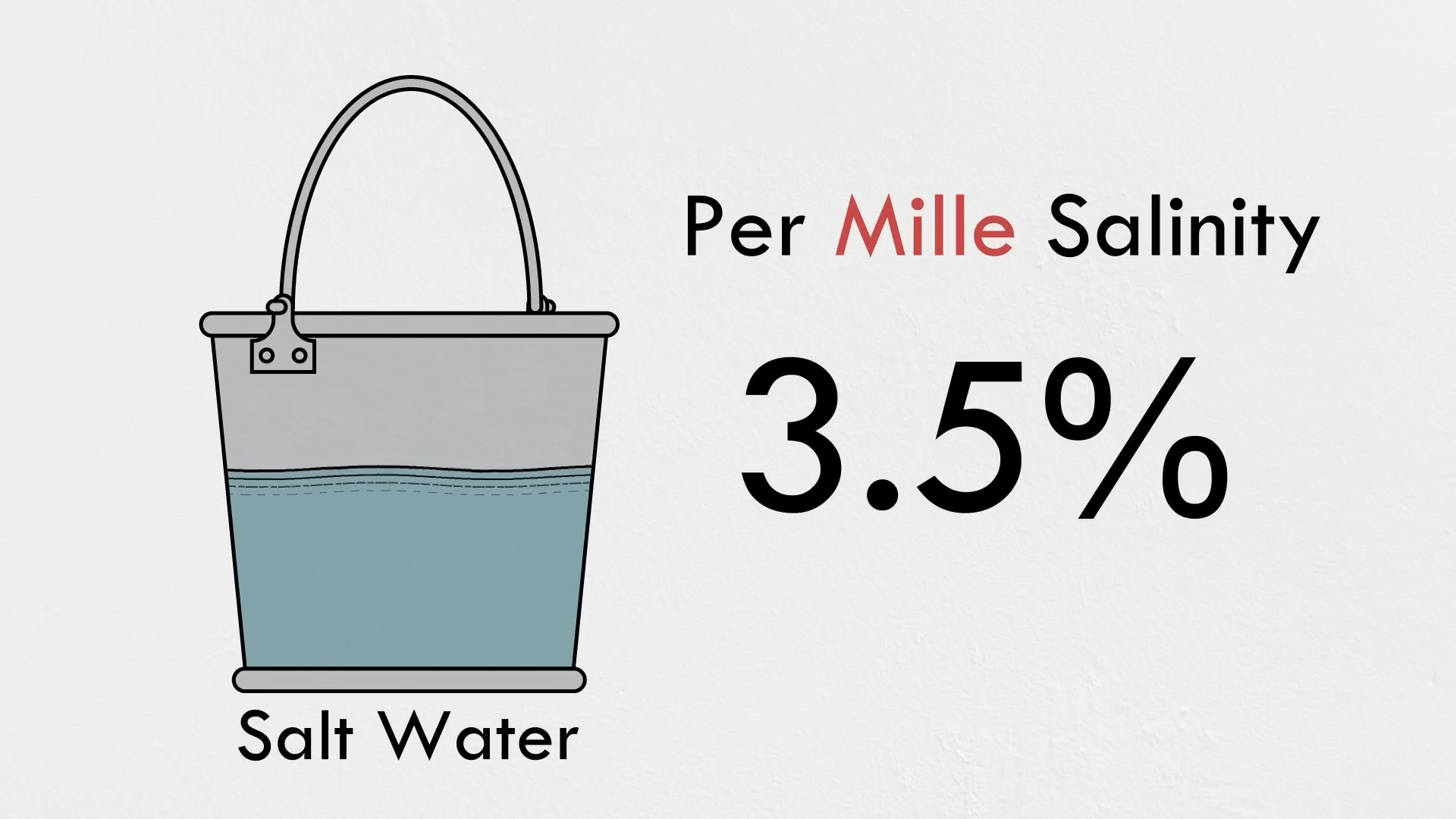
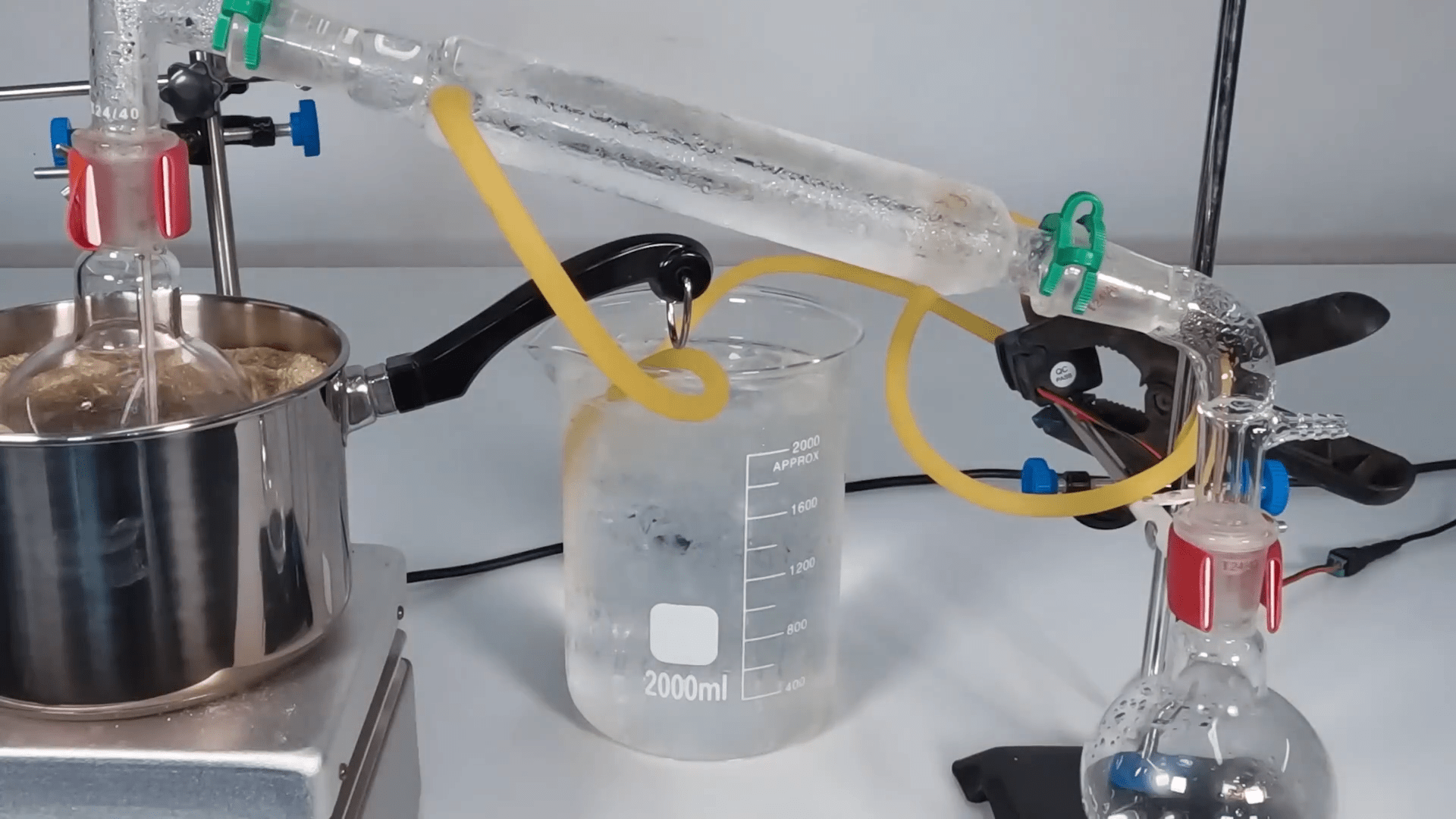
    Desalination — the removal of salt from water — is an important process for providing the fresh water we need, but it’s quite expensive in terms of energy. In this Practical Engineering video, Grady demonstrates small-scale versions of the two most common methods for purifying water: distillation and reverse osmosis.

    In distillation, salt water is boiled to separate the water into vapor that’s then condensed into freshwater. As straightforward as that sounds, though, the process is expensive, requiring a lot of energy for relatively little (albeit extremely pure) water. In contrast, reverse osmosis produces a somewhat less pure product at a lower energy cost. But it also produces brine, an even-saltier water that must be disposed of. (Video and image credit: Practical Engineering)
  • Fixing Reverse Osmosis

    Fixing Reverse Osmosis

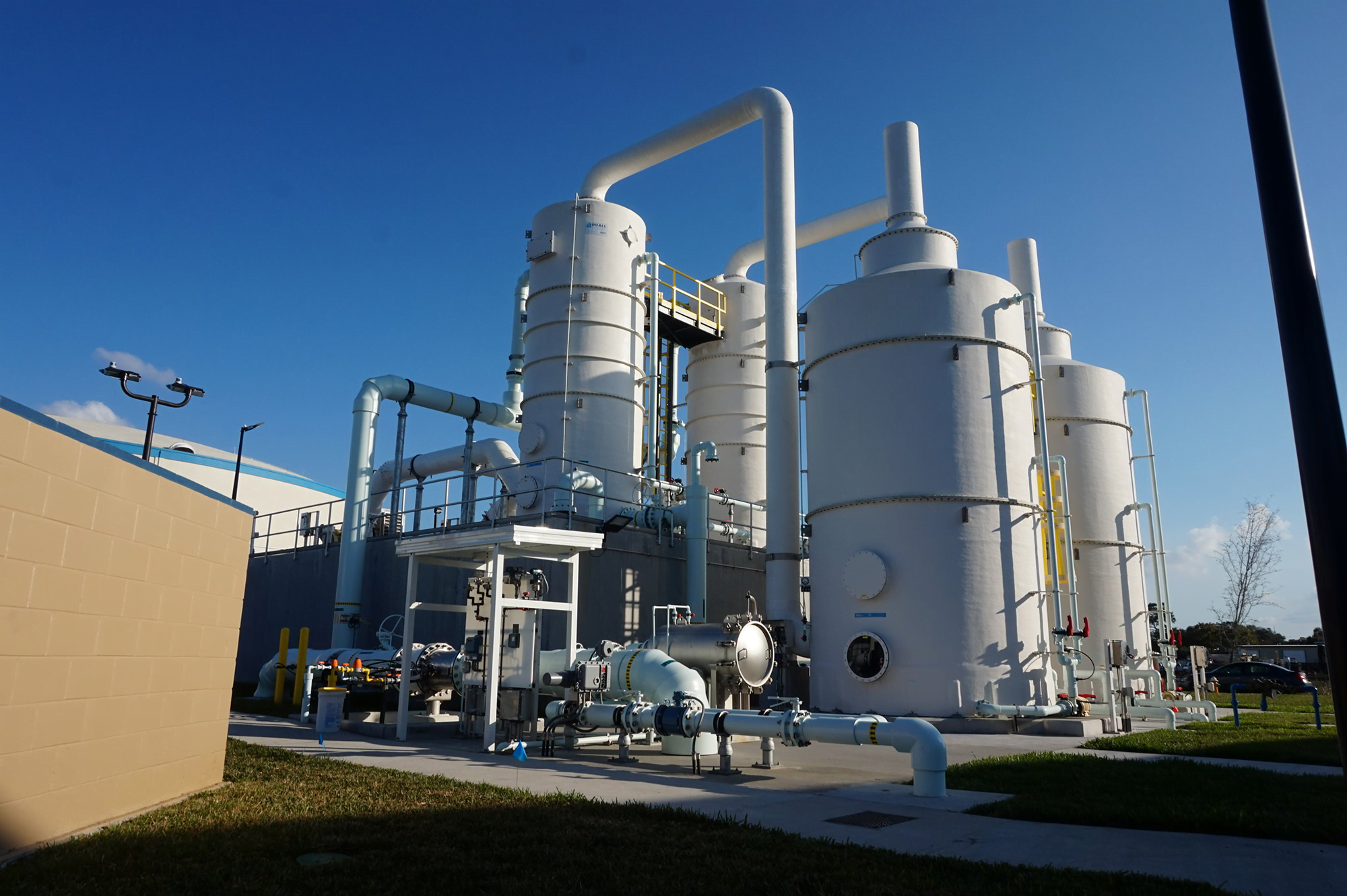
    Desalination and water treatment plants both rely on reverse osmosis to generate clean water for human use. The standard theory behind reverse osmosis for the last half century suggested that the membranes separated water and other chemicals by forcing water molecules, driven by chemical gradients, to travel one-by-one through a dense membrane forest. But over the years, researchers saw signs that this theory didn’t hold up; for one, the membranes water travels through have pores in them that are larger than individual water molecules.

    A new study examines the underlying assumptions of the prevailing model and finds instead that water moves through reverse osmosis membranes by pore flow. Instead of individual molecules pushed by concentration, flow takes place through pores and is driven by a pressure gradient. The difference is important because it enables engineers to design more efficient membranes according to real-world physics. By understanding the underlying mechanism, designers can tweak the pore size, density, and other features of reverse osmosis membranes to better filter unwanted chemicals and to remove salt from water with less energy input. (Image credit: Florida Water Daily; research credit: L. Wang et al.; via Wired; submitted by Kam-Yung Soh)