Tag: pollen

  • Understanding Pollen Dispersal

    Understanding Pollen Dispersal

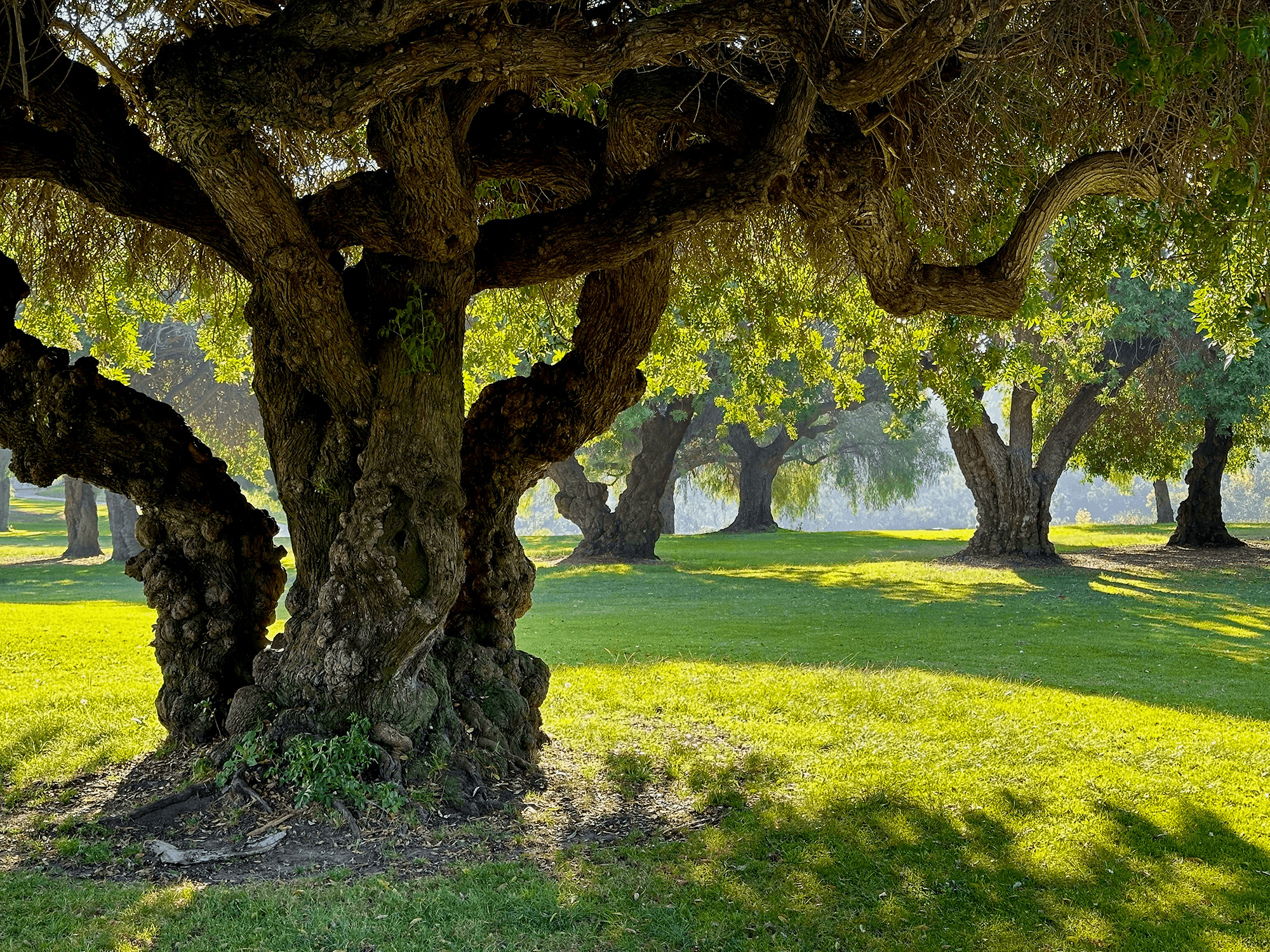
    When the wind blows, trees shift and sway, reconfiguring their shape and their leaves in response. For parts of the year, that flow can also pluck pollen grains off the tree, carrying them on the winds. A new computational simulation models this pollen dispersal from a tree, with the aim of eventually integrating into a tool for urban planners.

    Trees are an important component to fighting climate change, especially in cities, because they cool their surroundings in addition to providing fresh oxygen. But urban planners recognize the downsides to trees, too–allergies, anyone?–and, with the right tools, they could maximize the trees’ advantages while minimizing pollen spread for allergy-sufferers. (Image credit: M. Köles; research credit: T. Dbouk et al.; via Physics World)

    Fediverse Reactions
  • A Sea of Pollen

    A Sea of Pollen

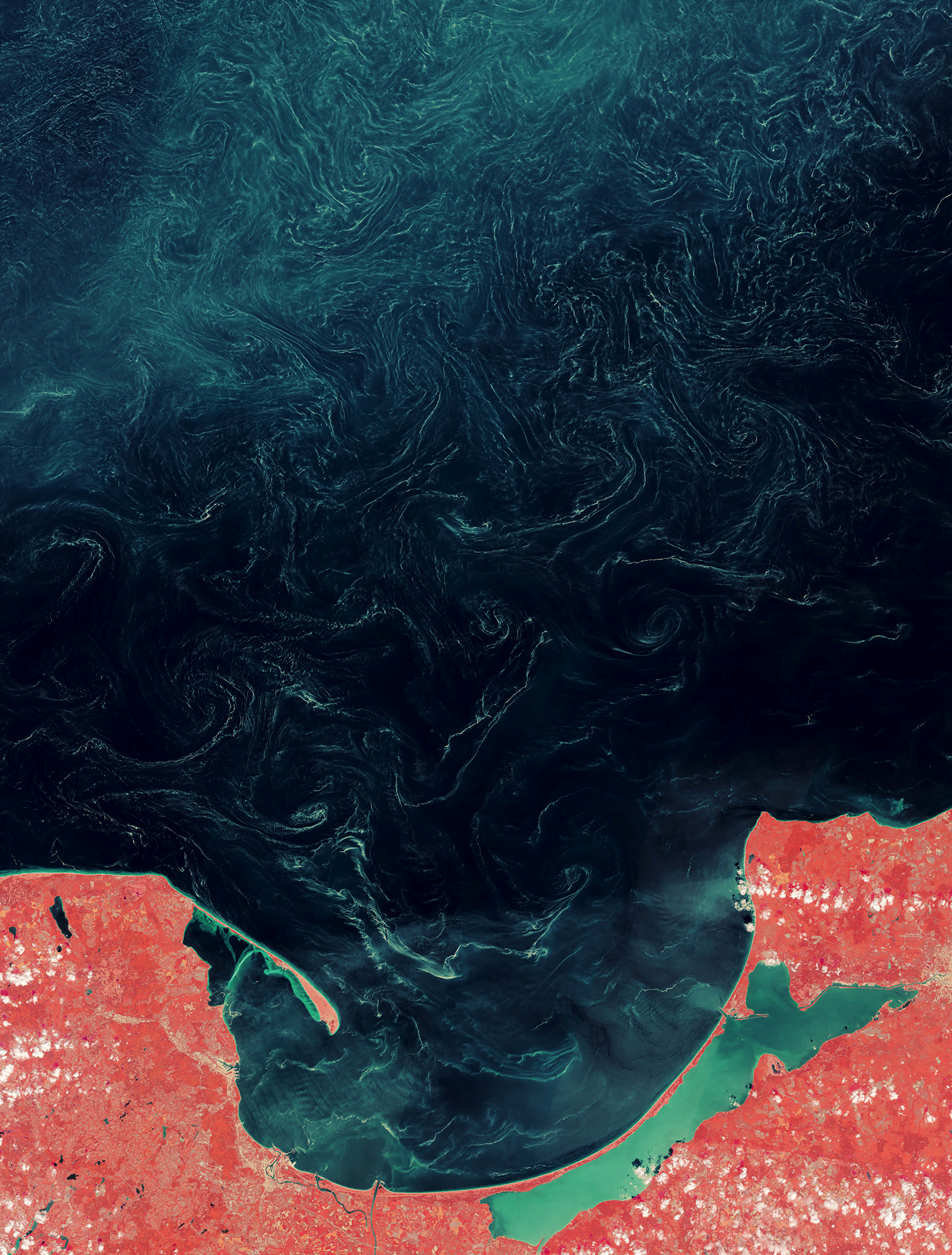
    Fellow allergy sufferers, beware! This false-color satellite image of the Baltic Sea shows massive slicks made up of pine pollen. I don’t know about you, but the mere thought of enough pollen that it’s visible from space makes me want to double — triple?! — my antihistamines. The swirling patterns in the pollen come from wind-driven currents and waves moving the pollen on the surface of the water.

    It took some sleuthing for scientists to identify these slicks as pollen rather than bacteria or plankton. But by combining experimental results, ground-based observations, and satellite image processing, scientists discovered that the pine pollen has a particular spectral signature. Using that, the team could trawl through older satellite imagery and locate pine pollen in previous seasons. They identified pine pollen slicks in 14 of the last 20 springs. The size of the slicks is growing over time, too, consistent with other observations of longer pollinating seasons. (Image credit: L. Dauphin; via NASA Earth Observatory)