Tag: flying

  • Universal Wingbeats

    Universal Wingbeats

    Eagles, butterflies, and whales don’t appear to have much in common, but a new study shows that they — along with over 400 other flying and swimming animals of all sizes — flap with a frequency determined by a simple equation. Their beat frequency is proportional to the square root of their mass divided by their wing area. As you can see in the graph below, this scaling collapses pretty much all of the data onto a single line:

    Illustration of the predicted relationship between size and wing freequency (black line) shown alongside various insects, birds, bats, penguins, and whales. The swimming animals also fall on the line, once adjustments are made for the difference in density between air and water.
    Illustration of the predicted relationship between size and wing frequency (black line) shown alongside various insects, birds, bats, penguins, and whales. The swimming animals also fall on the line, once adjustments are made for the difference in density between air and water.

    It’s surprising to find such a consistent relationship among animals of such vastly different sizes and types. The next big question for researchers will be unpicking exactly why and how animals evolved to use such a consistent pattern between their size and their wing(/fin) frequency. (Image credit: top – E. Ward, graph – J. Jensen et al.; research credit: J. Jensen et al.; via Physics World)

  • Flying Through Waterfalls

    Flying Through Waterfalls

    Swifts and starlings often make their nests behind waterfalls. To explore how these birds traverse their watery curtain, researchers observed hummingbirds, a smaller sister species, flying through an artificial waterfall. They found that the birds tended to part the water with one wing while continuing to use the other to produce thrust. This behavior helped them cross the barrier smoothly and easily.

    In contrast, smaller and slower flyers, like the insect species the researchers tested, were typically unable to cross the waterfall. Instead, they got carried away by the flow or managed to pass through only to crash. The scientists suggest that protection from insects may be one reason birds choose to nest behind waterfalls. (Image and research credit: V. Ortega-Jimenez et al.; via Science; submitted by Kam-Yung Soh)

  • Review: “How to Walk on Water and Climb Up Walls”

    Review: “How to Walk on Water and Climb Up Walls”

    “An eight-year-old girl kicked her feet back and forth on the seat of a Long Island Railroad train. I beckoned her to cover over and pointed to the top of my winter jacket, which I slowly unzipped. Inside, nestling against me for warmth, were ten snakes, their forked tongues waving back and forth. The child shrieked and ran back over to her mother, who was napping. ‘That man has a coat full of snakes,’ she shouted.”

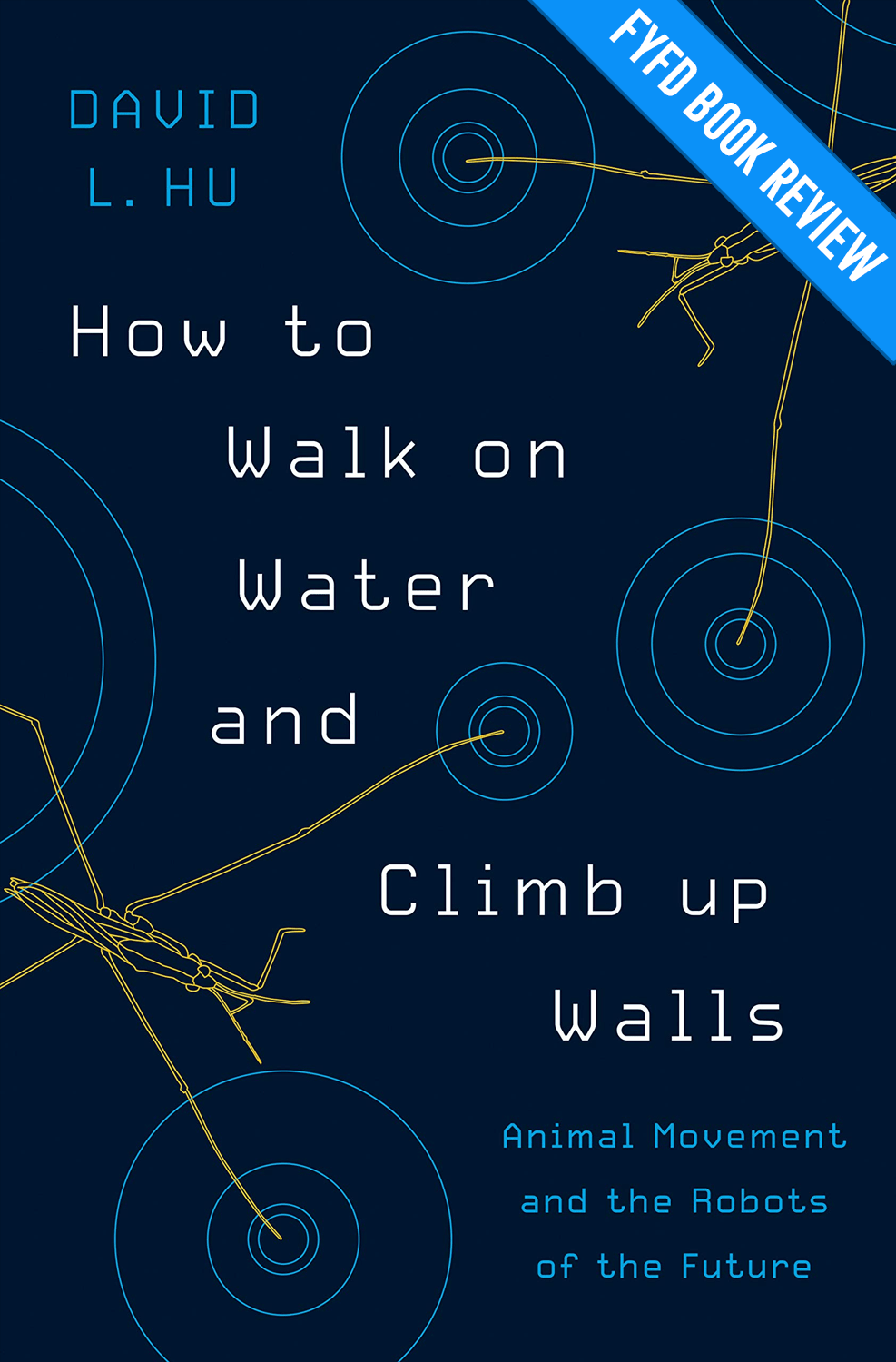
    So begins Chapter 2 of Dr. David Hu’s new book, How to Walk on Water and Climb Up Walls (*), a captivating and funny journey through animal locomotion and biorobotics. Don’t let that fool you, though; this book has plenty of fluid dynamics to it. Long-time FYFD readers will recognize some of the topics, such as the fluid-like behavior of fire ants, how eyelashes keep our eyes clean and moist, and why swimming behind an obstacle is so easy even a dead fish (like the one shown above) can do it.

    There are plenty of exciting, new stories as well, like how sandfish – a type of lizard – can swim under sand and why a lamprey’s nervous system may lead to better robots. The explanation of how cockroaches are virtually unsquishable and able to squeeze themselves into crevices a quarter of their height absolutely floored me. 

    Hu’s book offers a front-row seat to research at the cutting edge of biology, engineering, and physics, with anecdotes, explanations, and applications that will stick with you long after you put the book down. If you’re looking for a holiday gift for yourself or another science-lover, check this one out for certain (*).

    *Disclosures: I purchased my copy of this book using my own funds, and this review is not sponsored in any way. This post contains affiliate links – marked with (*); if you click on one of these links and purchase something, FYFD may receive a small commission at no additional cost to you.

    (Image credits: book – Princeton University Press; fish – D. Beal et al.; ants – Vox/Georgia Tech; eyelashes –  G. Diaz Fornaro; shark denticles – J. Oeffner and G. Lauder)
  • Flying in Cramped Quarters

    Flying in Cramped Quarters

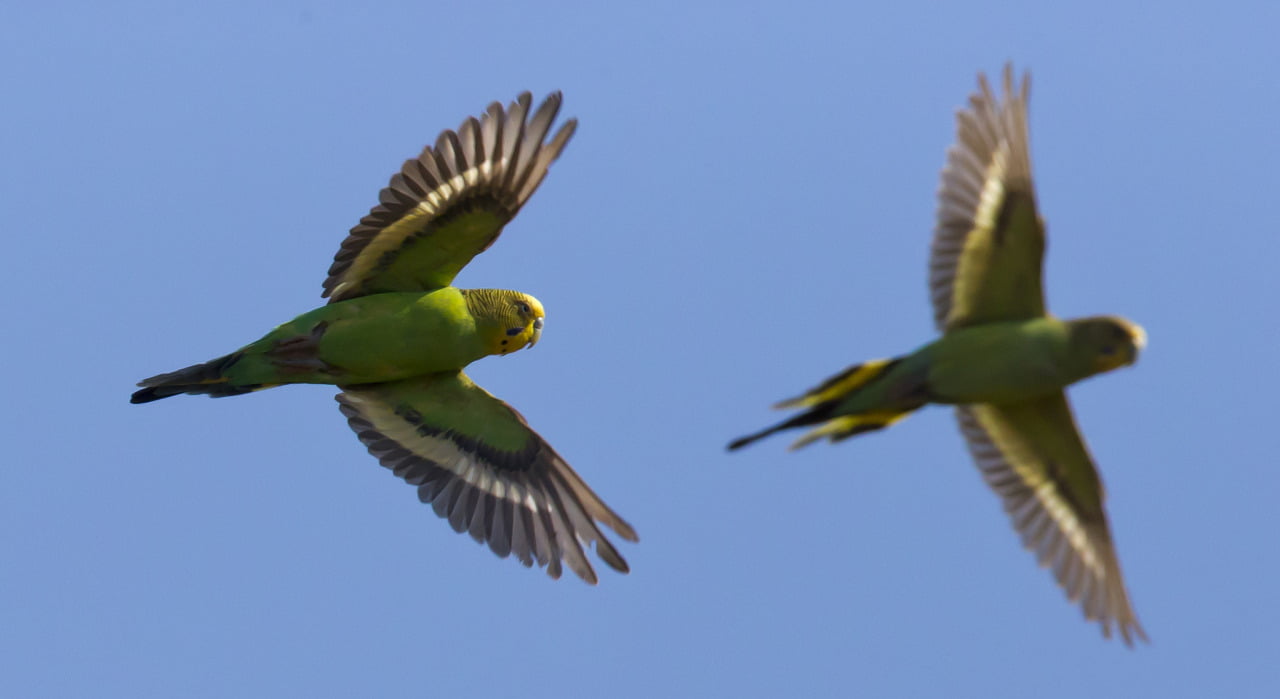
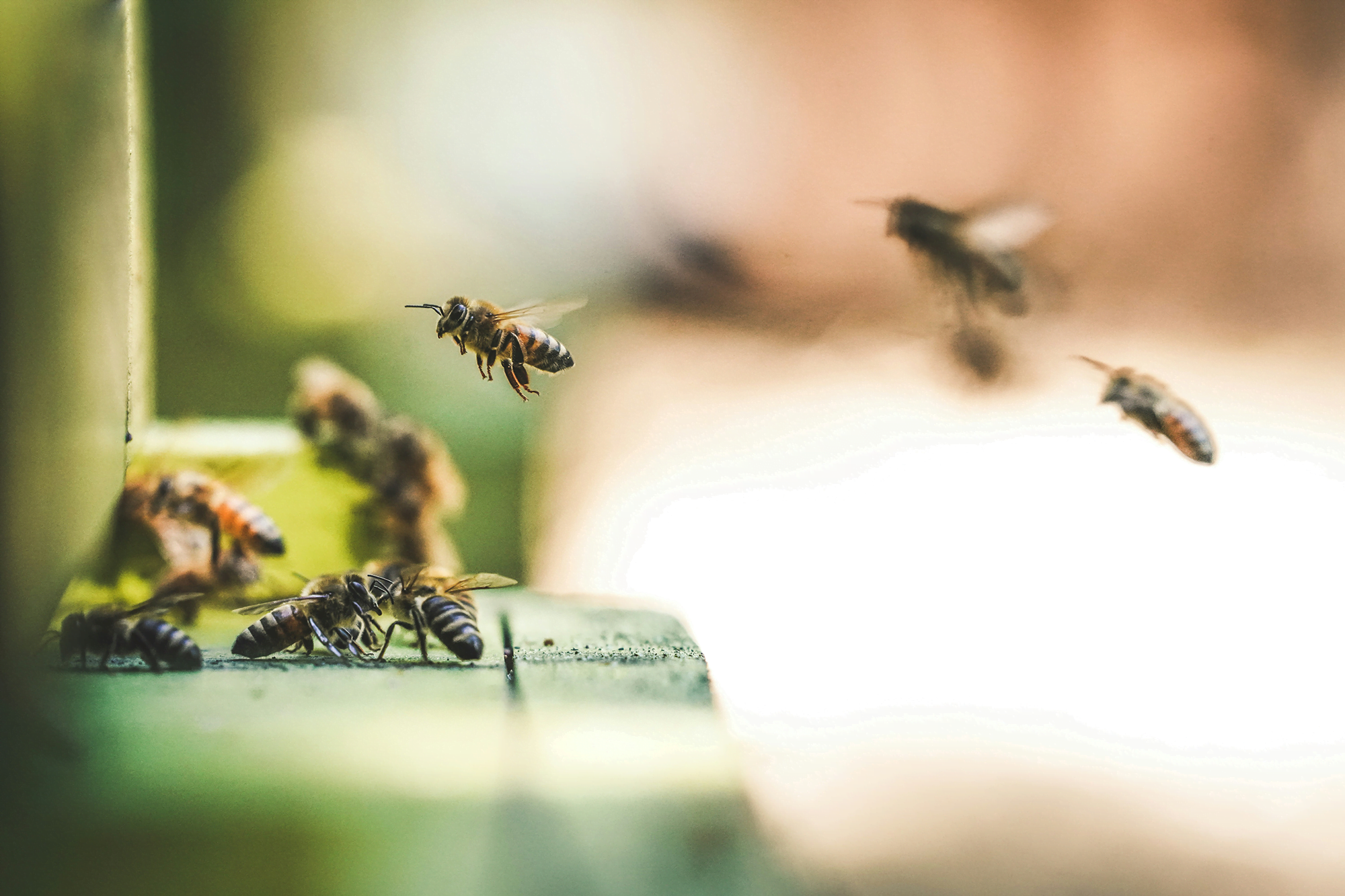
    A new study has found that budgerigars (also commonly known as parakeets or budgies) fly at only two distinct speeds. The researchers flew the birds in a tapered tunnel to see how they navigated in response to widening or narrowing paths. What they found, regardless of the flight direction in the tunnel, is that the birds fly at approximately 9.5 m/s in areas wider than 2.5 times their wingspan and drop suddenly to a speed about half that when in narrower areas. The higher speed falls within the bird’s most energy-efficient range, suggesting that the birds may prefer flying at this condition. Insects like bumblebees also change speeds when entering cluttered environments, but the insects do so gradually, not suddenly like the budgerigars. The reason for this difference is not yet known, but it could relate to how the animals sense their environment or to differences in their flight efficiency when varying speed. (Image credit: J. Bendon; research credit: I. Schiffner and M. Srinivasan; submitted by Marc A.; h/t to Irmgard B.)

  • Fluids Round-up – 25 May 2013

    Fluids Round-up – 25 May 2013

    Sometimes I come across cool links and stories about fluid dynamics that don’t quite fit into a typical FYFD post, but I’d like to start sharing those semi-regularly with round-up posts. Here’s some fun stuff I’ve seen lately:

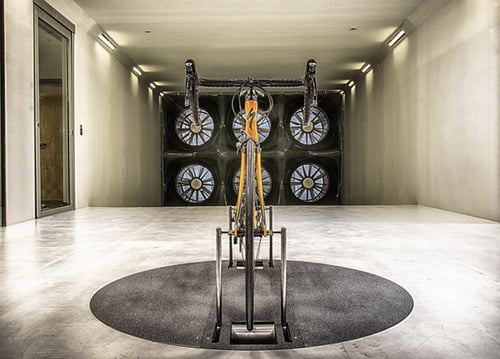
    And, yes, that last Specialized video chat includes an FYFD shout-out about 49 minutes in. 🙂

    (Photo credit: Specialized)