Tag: droplet transport

  • Transporting Droplets

    Transporting Droplets

    Transporting droplets easily and reliably is important in many microfluidic applications. While this can be done using electric fields, those fields can impact biological characteristics researchers are trying to measure. As an alternative, a group of researchers have developed the concept of “mechanowetting,” a technique that uses surface tension forces to hold droplets on a traveling wave.

    Now visually, it’s a bit tough to see what’s going on here. In the animations, it looks like the droplets are just sticking to a moving surface, but that’s an illusion. The surface the droplet is sitting on is fixed and unmoving. It’s a thin silicone film that covers a ridged conveyor belt. The belt underneath can (and does) move. This creates a traveling wave. Instead of that wave simply passing beneath the droplet, it triggers an internal flow and restoring force that helps the drop follow the wave. The effect is strong enough that small droplets are even able to climb up vertical walls or stick upside-down. (Image, research, and submission credit: E. de Jong et al.)
  • Moving Droplets

    Moving Droplets

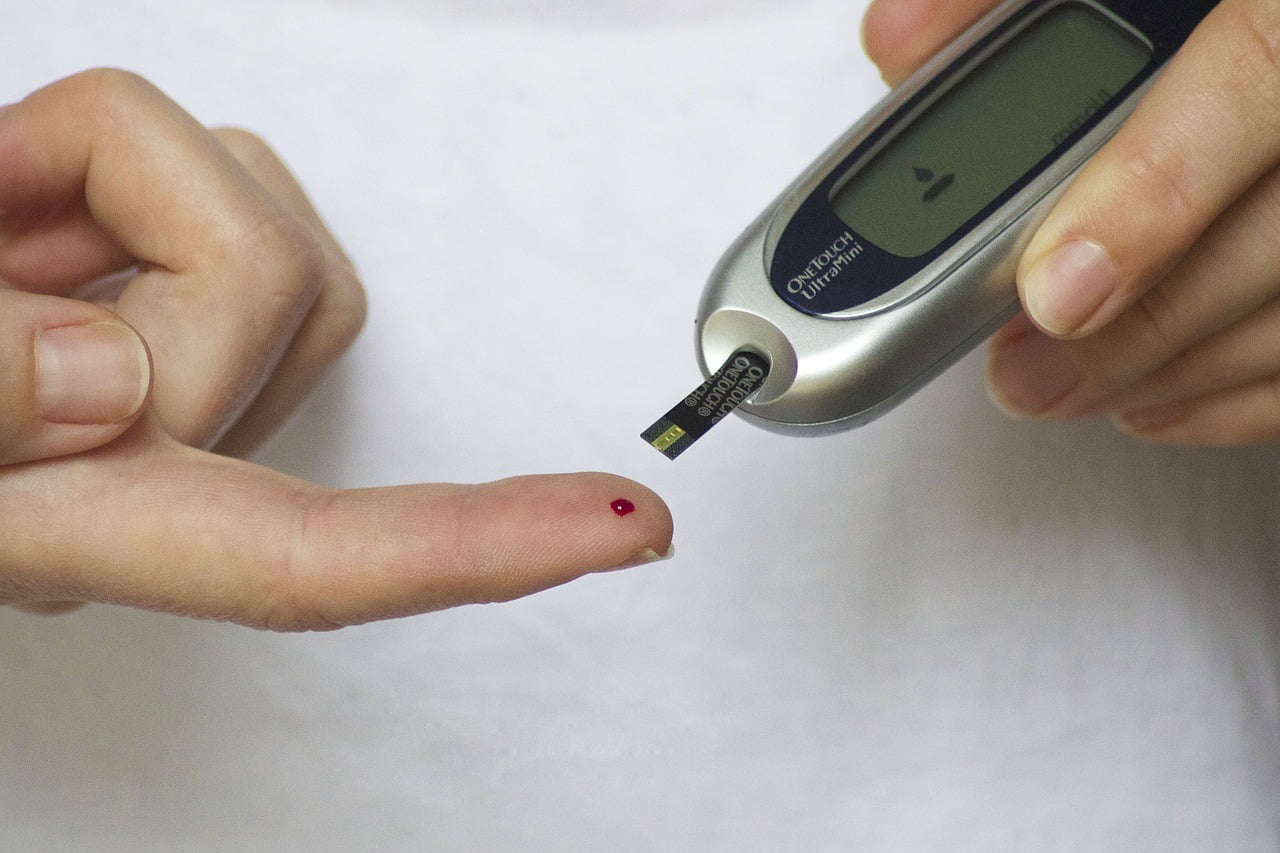
    Microfluidic devices – such as those used by individuals with diabetes to monitor their blood glucose levels – are all about transport. Typically, these devices use some kind of externally applied force, like a temperature gradient or electrical field, to force liquids through the device’s narrow channels. But a new study describes a way to move droplets without an external force.

    The researchers built their devices using two slips of glass, coated with an oil-attracting, water-repellent mixture. They attached the glass slips with a narrow spacer at one end, leaving the other end free. This made a narrow, but slightly flexible gap. When the scientists placed an oil drop inside the closed end, it spread on the glass, pulling the two sides closer to one another. Water drops, on the other hand, tried to force the walls apart, in an effort to minimize contact. Both sets of drops, interestingly, moved toward the open end of the device.

    The researchers found that the shapes assumed by the droplets create an internal pressure gradient, which, in both cases, slowly moves the drops. They call this method bendotaxis, a type of self-propulsion driven by the drops’ ability to bend the material they’re touching. It’s not a fast way to transport fluids – the drops moved only a few micrometers per second – but it may be useful for applications like drug deliveries where the liquid needs to be administered slowly over a longer period. (Image credit: TesaPhotography; research credit: A. Bradley et al.; via APS Physics; submitted by Kam-Yung Soh)

  • Collecting Water in the Desert

    Collecting Water in the Desert

    Desert-dwelling plants like cactuses have to be efficient collectors of water. Many types of cactus are particularly good at gathering water from fog that condenses on their spines. Droplets that form near a spine’s tip move slowly but inexorably toward the base of the spine so that the cactus can absorb them. The secret to this clever transport lies in the microstructure of the spine’s surface. The

    Gymnocalycium baldianum cactus, for example, has splayed scales along its spines. Capillary interactions with the scales result in differences in curvature on either side of the droplet. Curved fluid surfaces generate what’s known as Laplace pressure, with a tighter radius of curvature causing a larger Laplace pressure. Because the curvature of the droplet varies from the base side to the tip side of the spine, the difference in Laplace pressures across the droplet creates a force that drives the droplet toward the spine’s base. (Image credit: C. Liu et al., source)