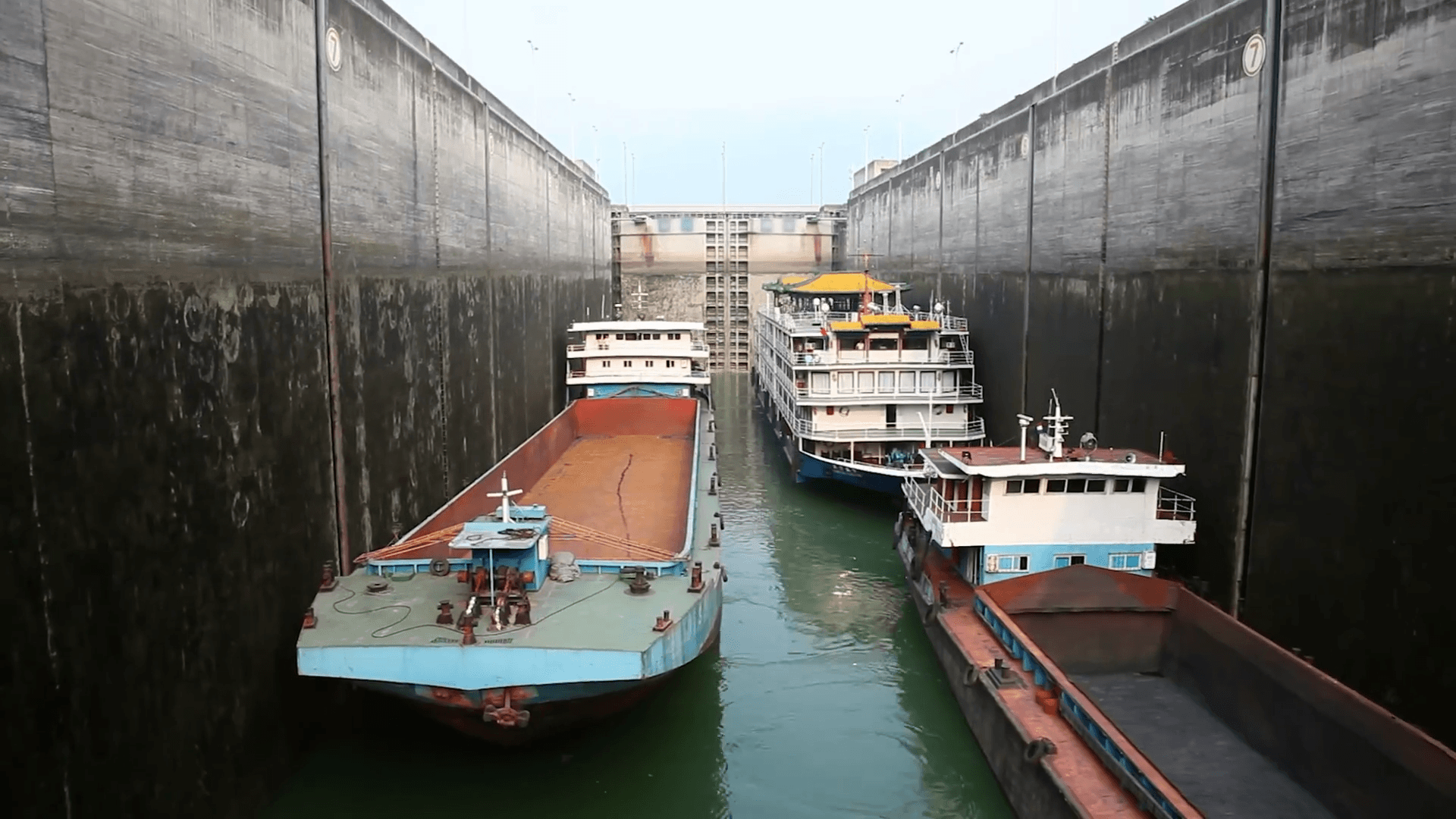


Before the rise of railroads, canals provided critical commercial shipping infrastructure for many locations worldwide. But connecting canals at different elevations required locks–sometimes a whole series of them–as in the case of Scotland’s Union Canal and the Forth and Clyde Canal. In the canals’ heyday, navigating the 11 locks between them took the better part of a day–one of many reasons that canals fell out of use over time.
When Scotland decided to reconnect the canals in the 1990s, they picked a very different solution for this elevation challenge: the Falkirk Wheel. Grady walks us through the clever engineering of this impressive piece of infrastructure in this Practical Engineering video. (Video and image credit: Practical Engineering)