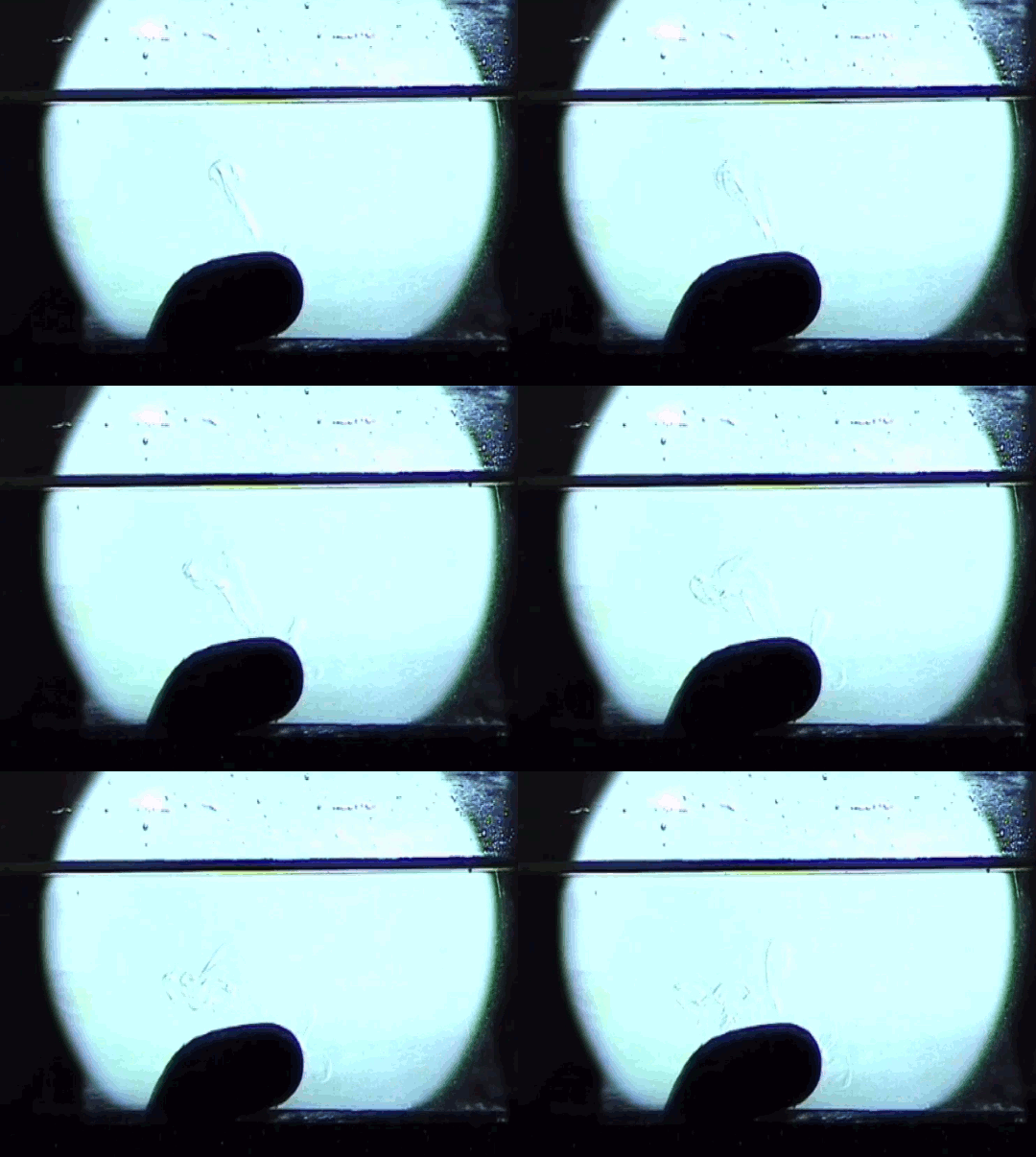
Freshwater bivalves like these California floater mussels are critical species for the health of our waters. And although we don’t think of mussels as being very mobile, they’re actually quite active. As larvae, the mussels get released from their parent bivalve and attach to the fins or gills of a fish. While they develop, they cling to the fish, hitching a ride until they’re ready to strike out on their own. Considering the fluid forces typical on those areas of a fish, that means the larvae must have some impressive strength!
Once grown, the mussels anchor themselves using their tongue-like foot and begin their filter-feeding. They draw water in through a cilia-lined inlet, filter out algae, oxygen, and other nutrients, and expel clean water. This constant cycling, though largely invisible to the naked eye, is how bivalves keep their native waterways clean. (Image and video credit: Deep Look)