Tag: allometry

  • Universal Wingbeats

    Universal Wingbeats

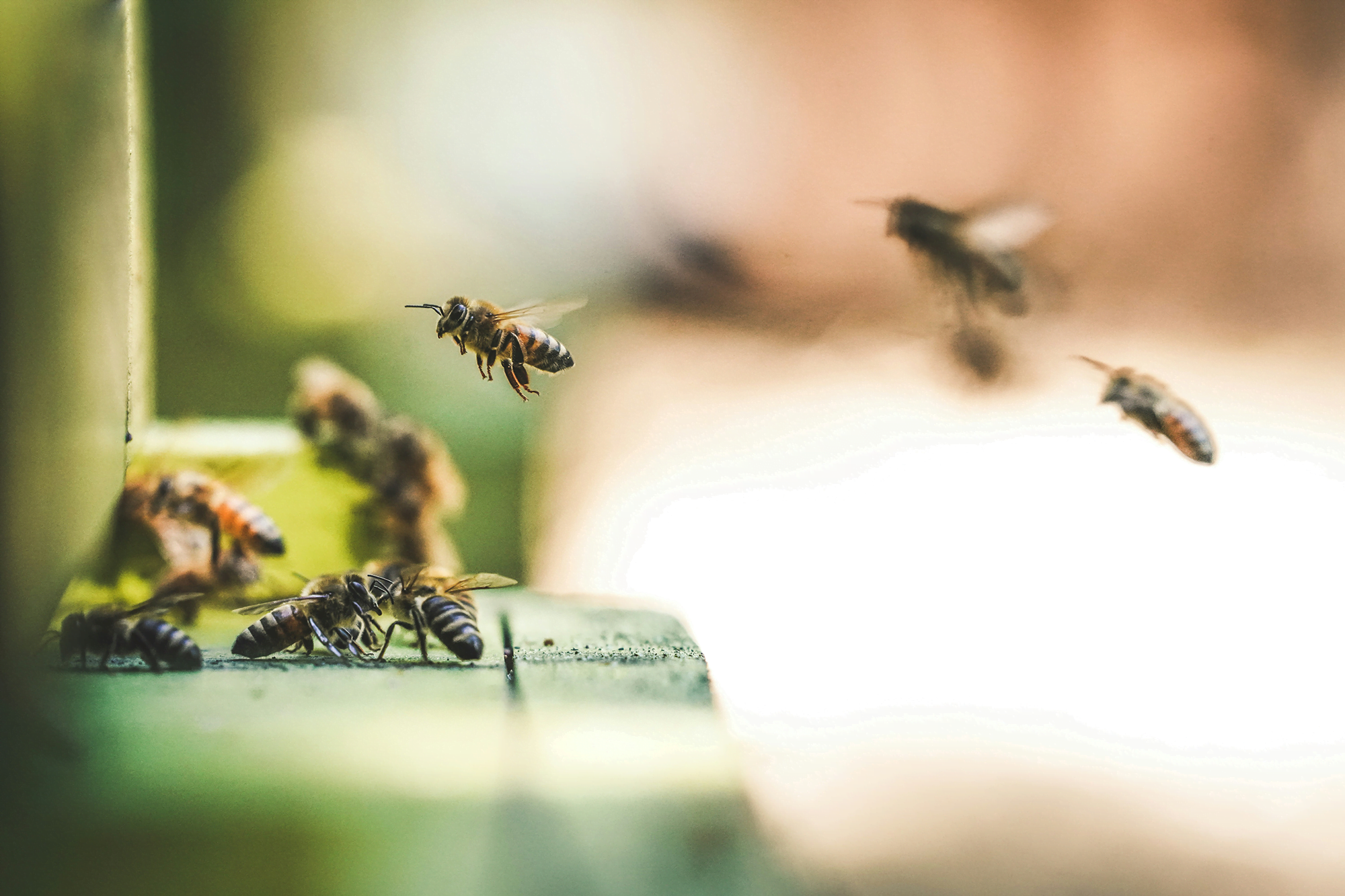
    Eagles, butterflies, and whales don’t appear to have much in common, but a new study shows that they — along with over 400 other flying and swimming animals of all sizes — flap with a frequency determined by a simple equation. Their beat frequency is proportional to the square root of their mass divided by their wing area. As you can see in the graph below, this scaling collapses pretty much all of the data onto a single line:

    Illustration of the predicted relationship between size and wing freequency (black line) shown alongside various insects, birds, bats, penguins, and whales. The swimming animals also fall on the line, once adjustments are made for the difference in density between air and water.
    Illustration of the predicted relationship between size and wing frequency (black line) shown alongside various insects, birds, bats, penguins, and whales. The swimming animals also fall on the line, once adjustments are made for the difference in density between air and water.

    It’s surprising to find such a consistent relationship among animals of such vastly different sizes and types. The next big question for researchers will be unpicking exactly why and how animals evolved to use such a consistent pattern between their size and their wing(/fin) frequency. (Image credit: top – E. Ward, graph – J. Jensen et al.; research credit: J. Jensen et al.; via Physics World)
  • Overheating Slows Large Animals

    Overheating Slows Large Animals

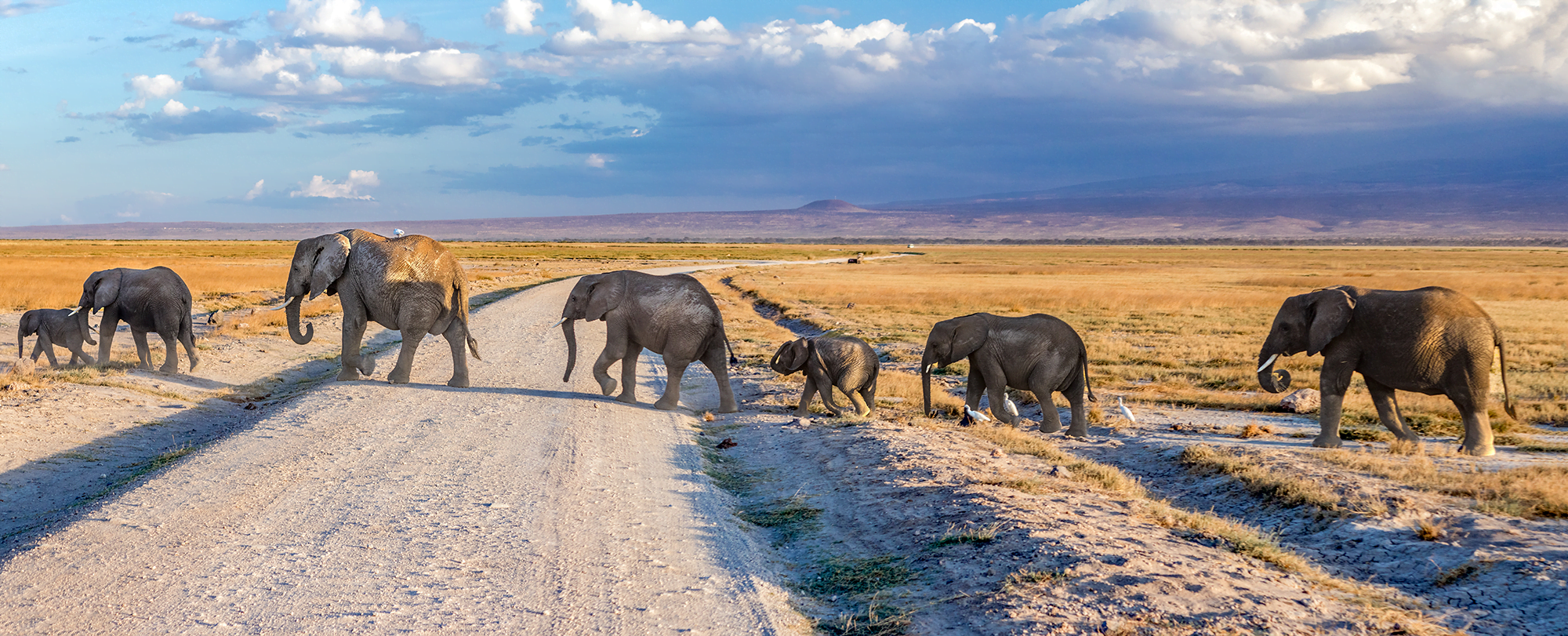
    As climate change and human development continue to encroach on animals’ territories, mass migrations will become more and more common. But animals aren’t all equally able to travel long distances at speed. In general, larger animals are faster than smaller ones. But a new study shows that there’s another important factor in an animal’s top speed: heat dissipation.

    By studying the characteristics of over 500 animals that walk, fly, and swim, the team found that animals were limited in their speed by how well they could dissipate heat. This makes sense, even from a human perspective; we may be able to run long distances, but once we’re too hot, we have to slow down. The same principle holds for animals, and the bigger the animal, the longer it takes to dissipate heat. As a result, the team found that the fastest animals over long distances all have intermediate body mass. At their size, they can balance the mechanical ability to produce speed with the thermodynamic requirement to dissipate heat. (Image credit: N. and Z. Scott; research credit: A. Dyer et al.; via APS Physics)