Vaucheria is a genus of yellow-green algae (think pond scum), and some species within this genus reproduce asexually by releasing zoospores. Once mature, the zoospore has to squeeze out of a narrow, hollow filament in order to escape into the surrounding fluid (top). To do so, it uses tiny hair-like flagella on its surface. Despite the minuscule size of these micron-length flagella, they generate some major flows around the zoospore (middle and bottom). Even several body lengths away, the flow field shows significant vorticity. All this active entrainment of fluid from the surroundings helps the zoospore escape its confinement and swim away to start a new plant. (Image and research credit: J. Urzay et al., source)
Tag: flagella

Swimming with Corkscrews
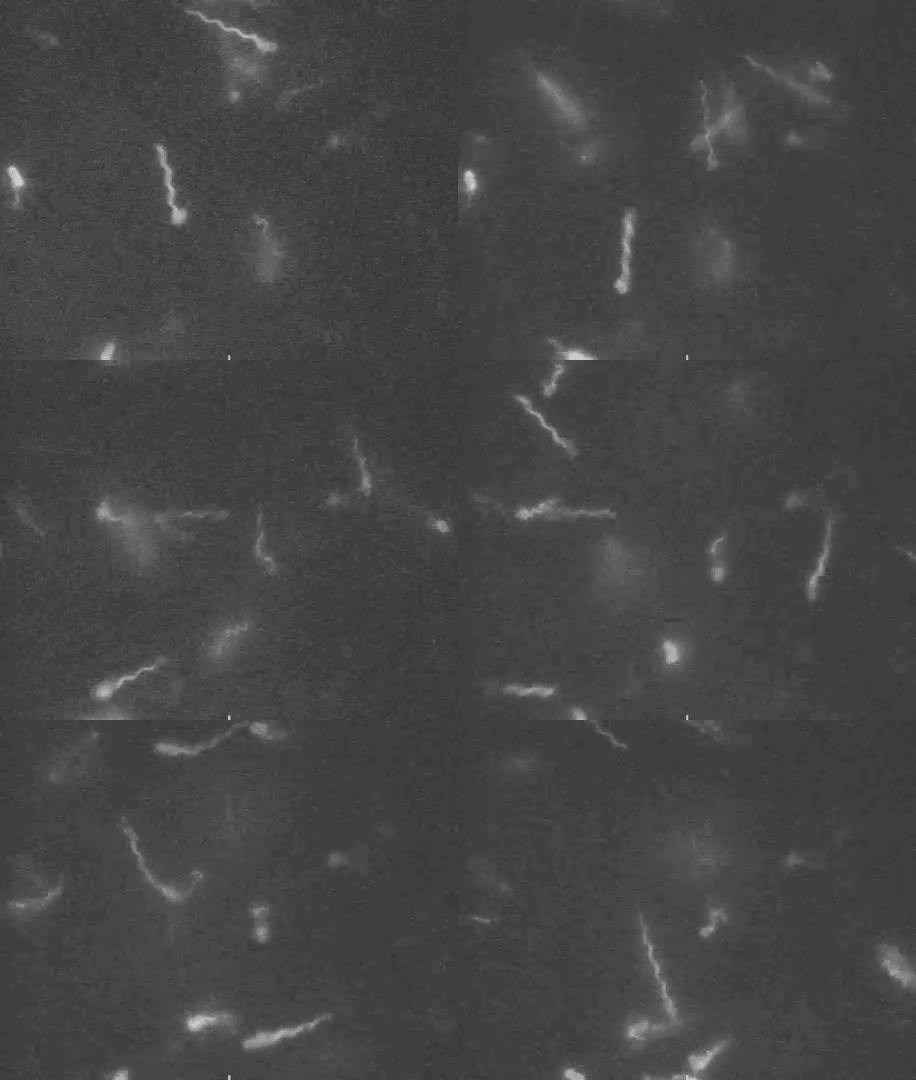
E. coli, like many bacteria, swim using corkscrew-like appendages called flagella. Because the bacteria are extremely tiny – their flagella may be less than ten microns long – their swimming is overwhelmingly dependent on viscosity. (Inertial effects are 100 to 10,000 times smaller than viscous effects for swimming E. coli.) Rotating their helical flagella generates viscous drag along the surface of the corkscrew. Because the flagella is asymmetric when you add all of those drag components together, the net force is thrust that moves the bacterium forward. Watch carefully in the animation above and you’ll see that E. coli have multiple flagella and will swing one out to the side during maneuvers. (Image credit: L. Turner et al., source; reproduced in a review by E. Lauga, pdf)


