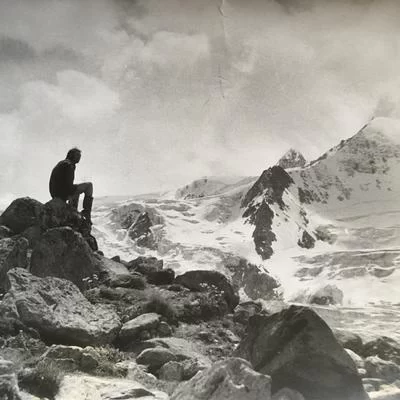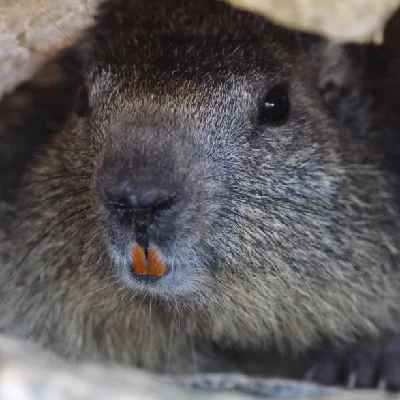
Mushrooms have the challenging task of dispersing spores, typically from heights no more than a few centimeters above the ground. At that altitude, viscosity and friction with the ground mean that air barely moves, if it does at all. And mushrooms rely on a wide range of methods, from explosive launches to rain assistance to making their own weather. Every one of these methods gives spores a lift in altitude to reach higher winds and greater dispersal. (Image credit: A. Bejczi/CUPOTY; via Colossal)
Tag: dispersion

“Dispersion”

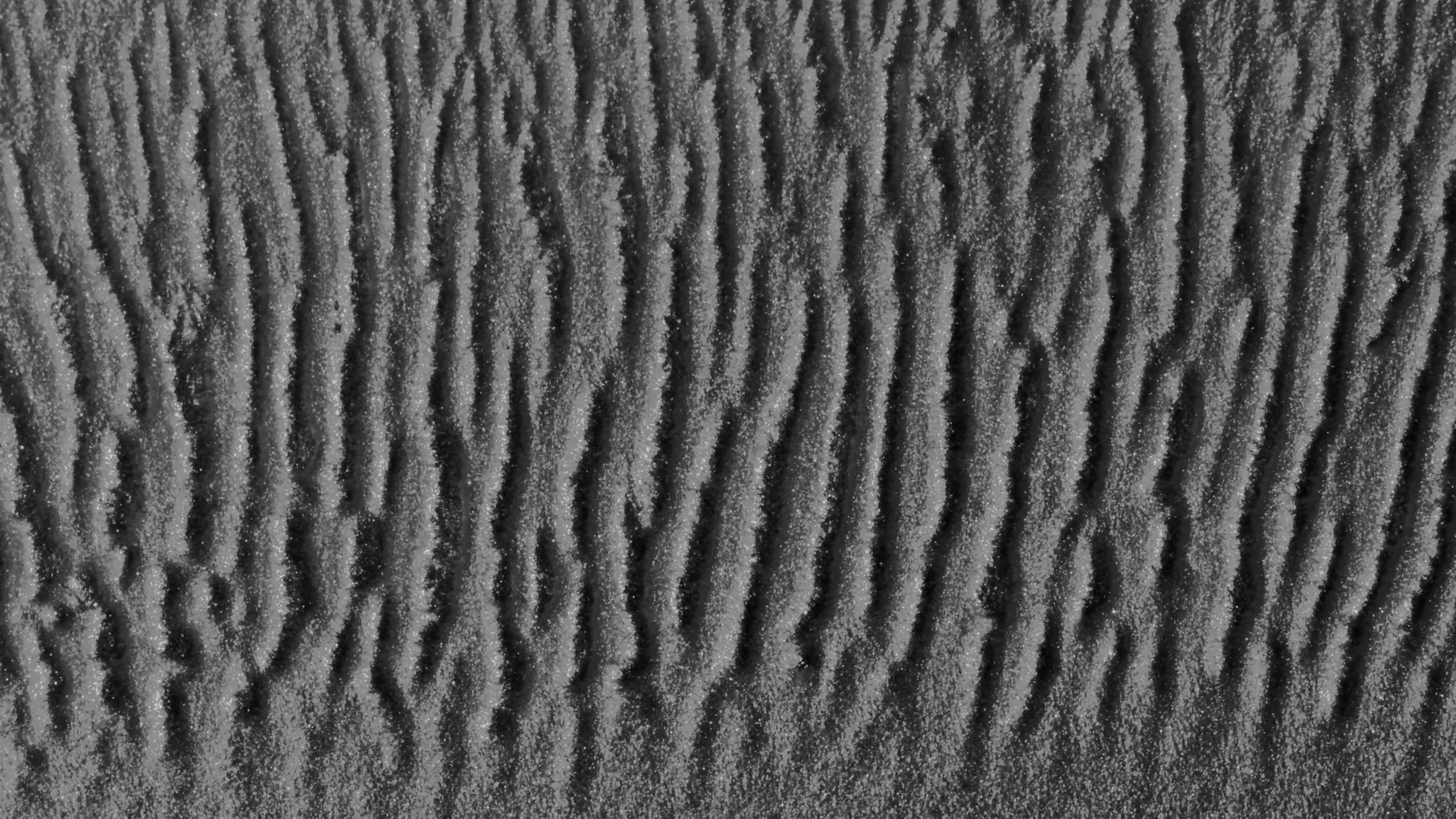

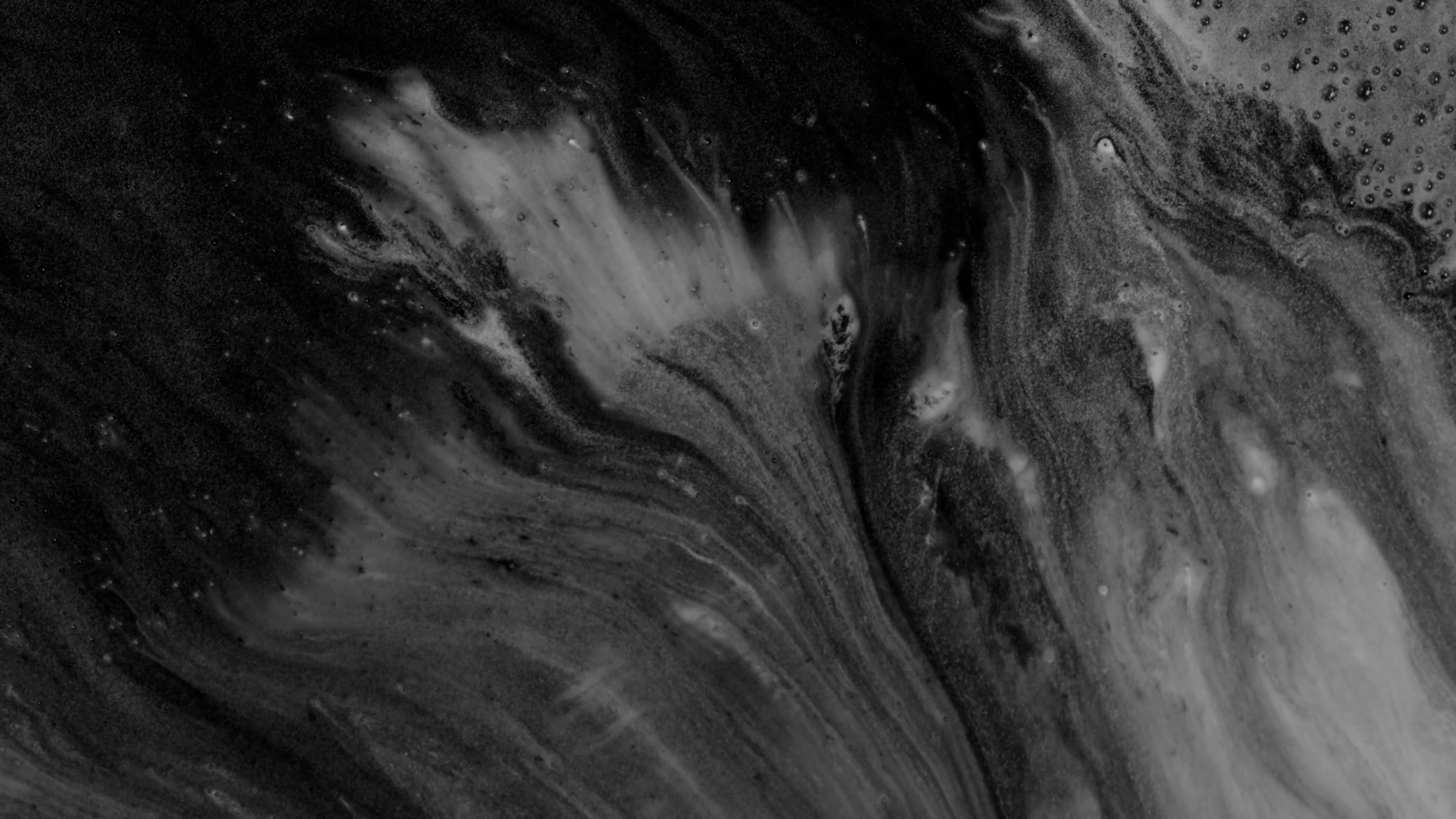
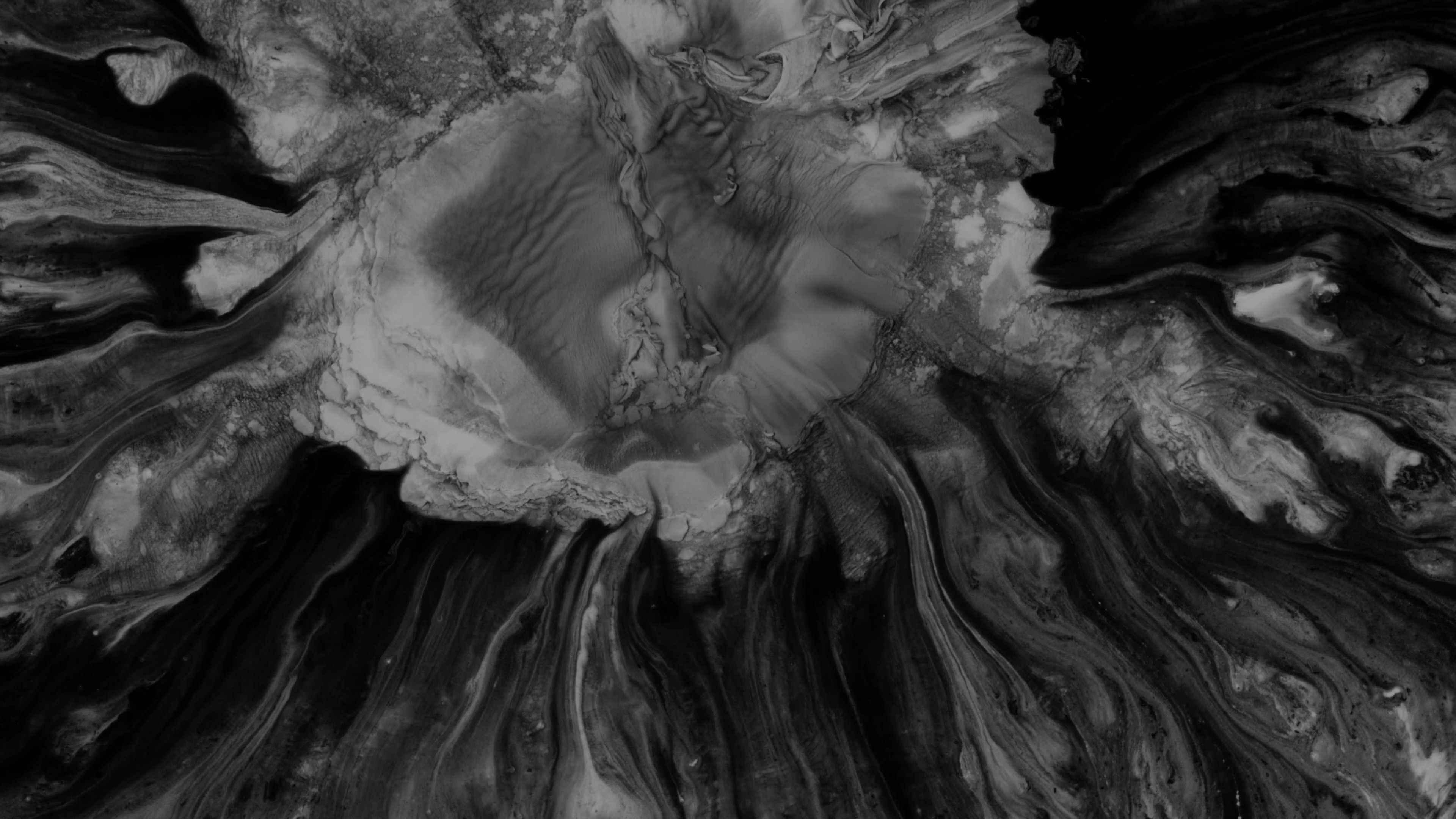

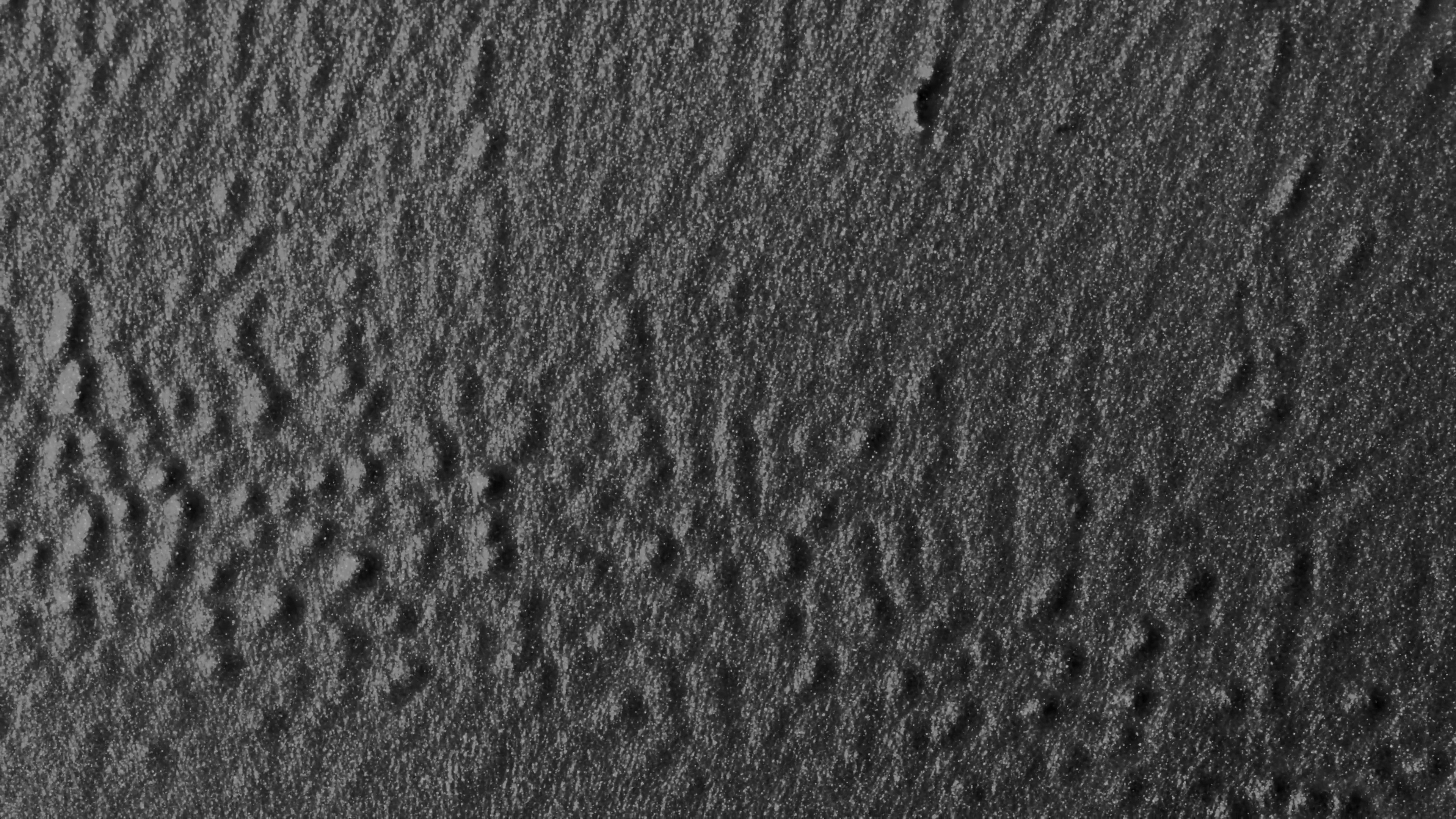
In “Dispersion,” particles spread under the influence of an unseen fluid. Like Roman de Giuli’s work, filmmaker Susi Sie creates macro images that look like ice floes, deserts, and river deltas viewed from above. This similarity of patterns at both large and small scales is a specialty of fluid physics. Just as artists use it to mimic larger flows, scientists use it to study planet-scale problems in the lab. (Video and image credit: S. Sie et al.)
Fediverse Reactions
-
Dancing Over Ridges


When flowing over a ridged surface, particles follow a drifting, helical trajectory. In this video, researchers delve into the physics behind this phenomenon. Differences in the pressure gradient along different parts of the corrugation push particles along the groove. With their analysis, the team is able to predict particle trajectories above surface roughness of any shape. With these tools, they can design roughened microchannels that disperse particles at a desired speed, something that could be especially helpful in medical diagnostics. (Image and video credit: D. Chase et al.; research credit: D. Chase et al.)
Kelvin Wakes


Whether you’re watching ducks cruise by on a pond or a boat making its way across the ocean, you’ve probably noticed a distinctive V-shaped wake. This shape is known as a Kelvin wake, and it forms because waves in water don’t all move at the same speed. Instead, the speed a wave travels at depends on its wavelength; smaller wavelengths travel slower than larger ones, a phenomenon known as dispersion. The characteristic shape of a Kelvin wake is the result of many waves of different wavelength (and therefore speed) added together. (Video and image credit: Minute Physics)