Month: November 2022

  • Featured Video Play Icon

    A Fractal Raft From a Spinning Top

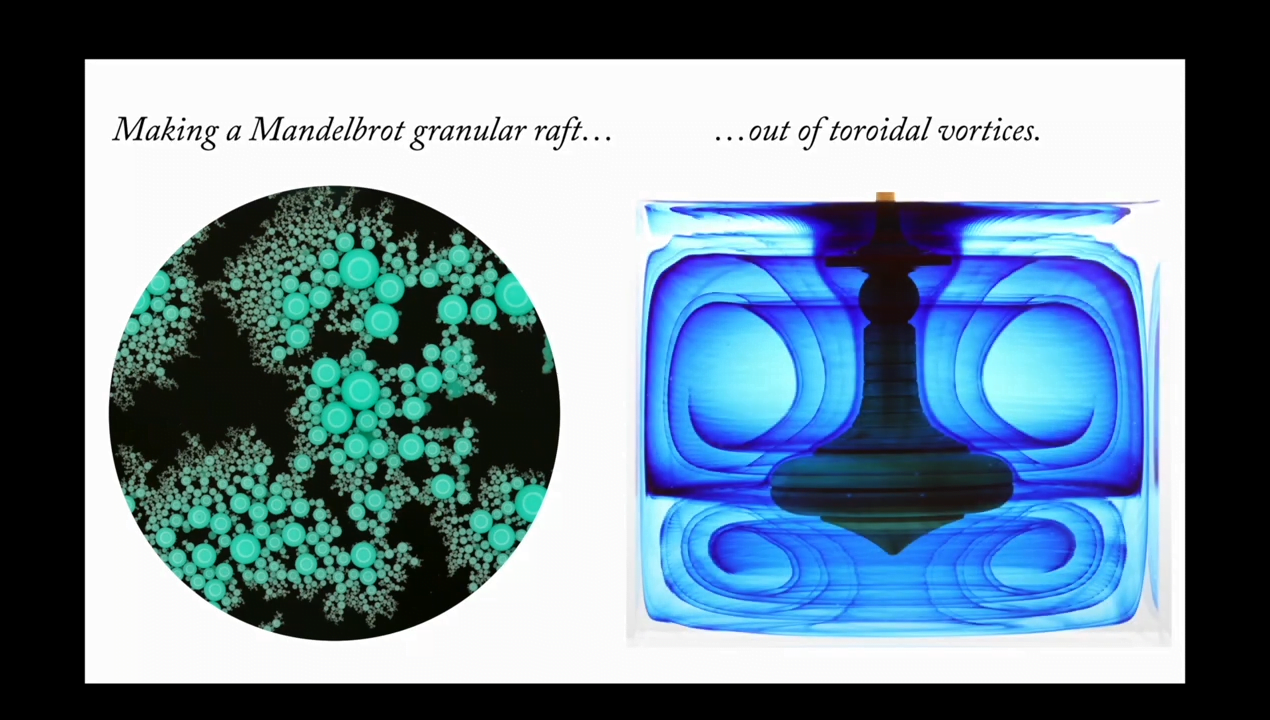
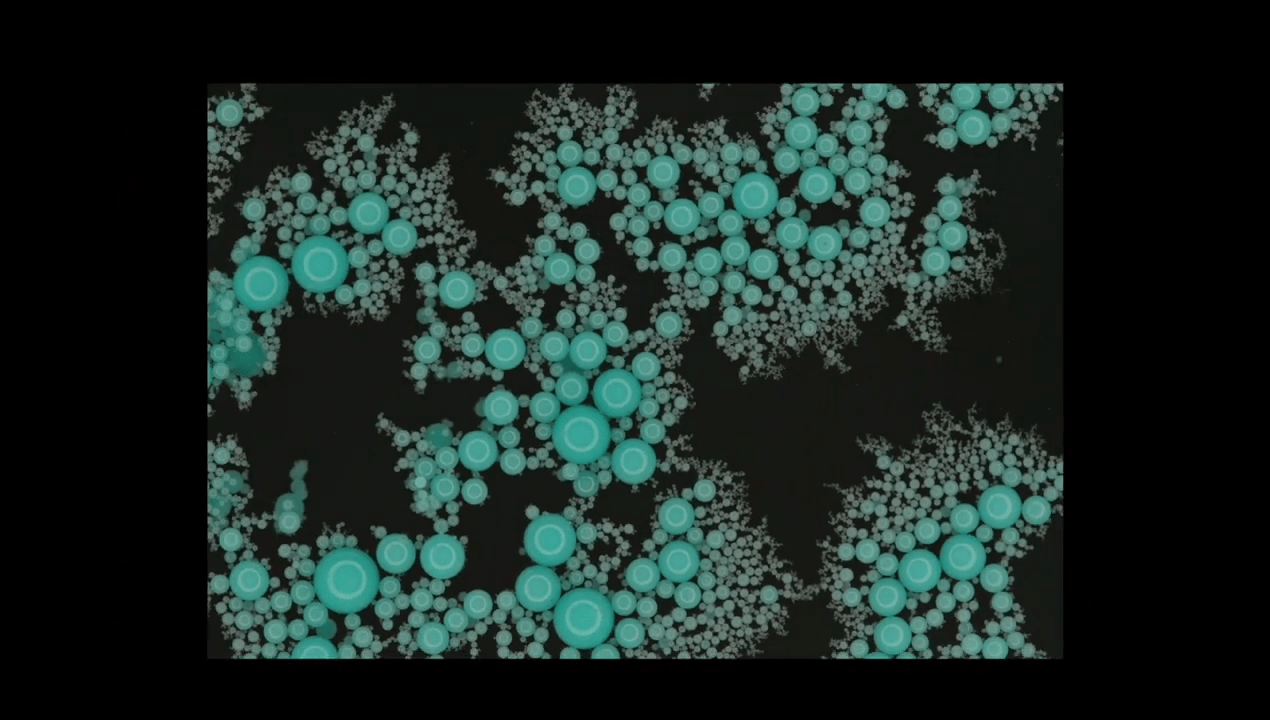
    File this one under Cool Things I Would Have Never Thought Of. In this video, researchers play around with the flow around a spinning top and end up creating a fractal, granular raft. By immersing a top in dyed fluid, they show the toroidal vortices that form around the spinning toy. Then, instead of dye, they add a stretchy elastomer compound that cures over time. The elastomer stretches into thin ligaments in the swirling flow around the top. Eventually, it breaks apart into spherical drops of all different sizes.

    Once the top is removed, the elastomer drops slowly float to the surface. Surface tension and the Cheerios effect draw the drops together, and because of their many sizes, the rafts that form are fractal. (Image and video credit: B. Keshavarz and M. Geri)
  • Searching for Stability

    Searching for Stability

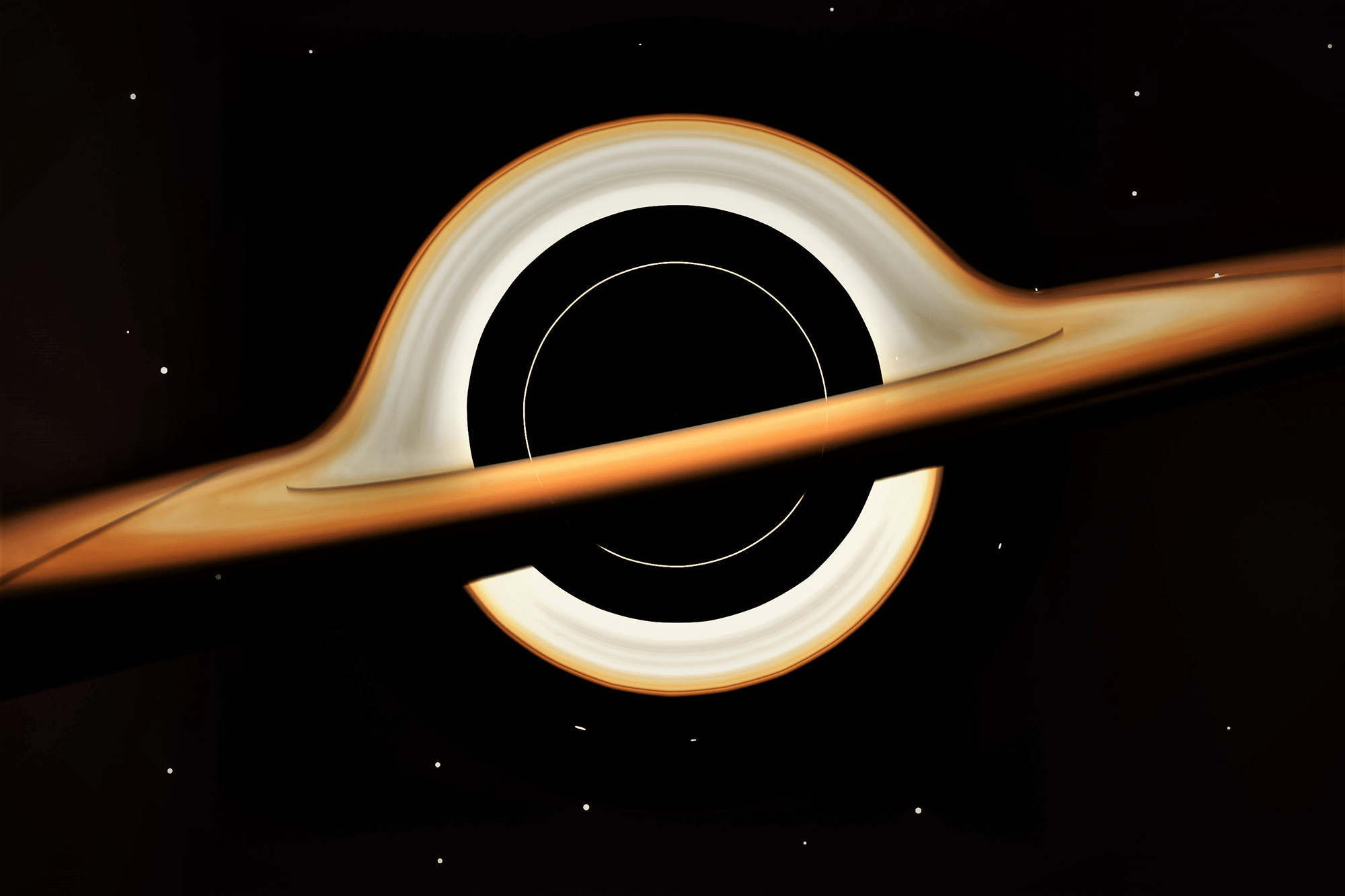
    At present, there is no theory of relativistic fluid dynamics, which is problematic for those studying black holes, neutron star mergers, and heavy-ion collisions, where fluids may wind up moving at near-light speeds. Many current models for these systems allow energy to dissipate using equations that permit faster-than-light speeds. A new study shows that these assumptions lead to problematic results.

    The paper shows that, if the mathematical equations allow for faster-than-light speeds — thereby breaking causality — then the fluid system will behave stably to one observer and unstably to an observer in a different reference frame. In other words, there will always be a frame of reference where disturbances grow exponentially and destroy the system. That’s clearly not ideal.

    Fortunately, the paper also offers an important solution: if causality holds, the stability (or instability) of a system is the same regardless of reference frame. That’s incredibly powerful for researchers because it means that they only have to show the stability of the system in one reference frame to know that the result applies to all reference frames, so long as they’re not breaking causality. (Image credit: A. Pal; research credit: L. Gavassino; via APS Physics; submitted by Kam-Yung Soh)

  • Featured Video Play Icon

    DIY Superwalking Droplets

    Over the past few years, we’ve seen lots of research in walking droplets, especially as hydrodynamic quantum analogs. But did you know you can replicate this set-up at home and play with it yourself? This video gives an overview of the equipment you’ll need and a simple procedure to follow to get it up and running. From there, your imagination is the limit! (Image and video credit: R. Valani)

  • Ascending Through Bubbles

    Ascending Through Bubbles

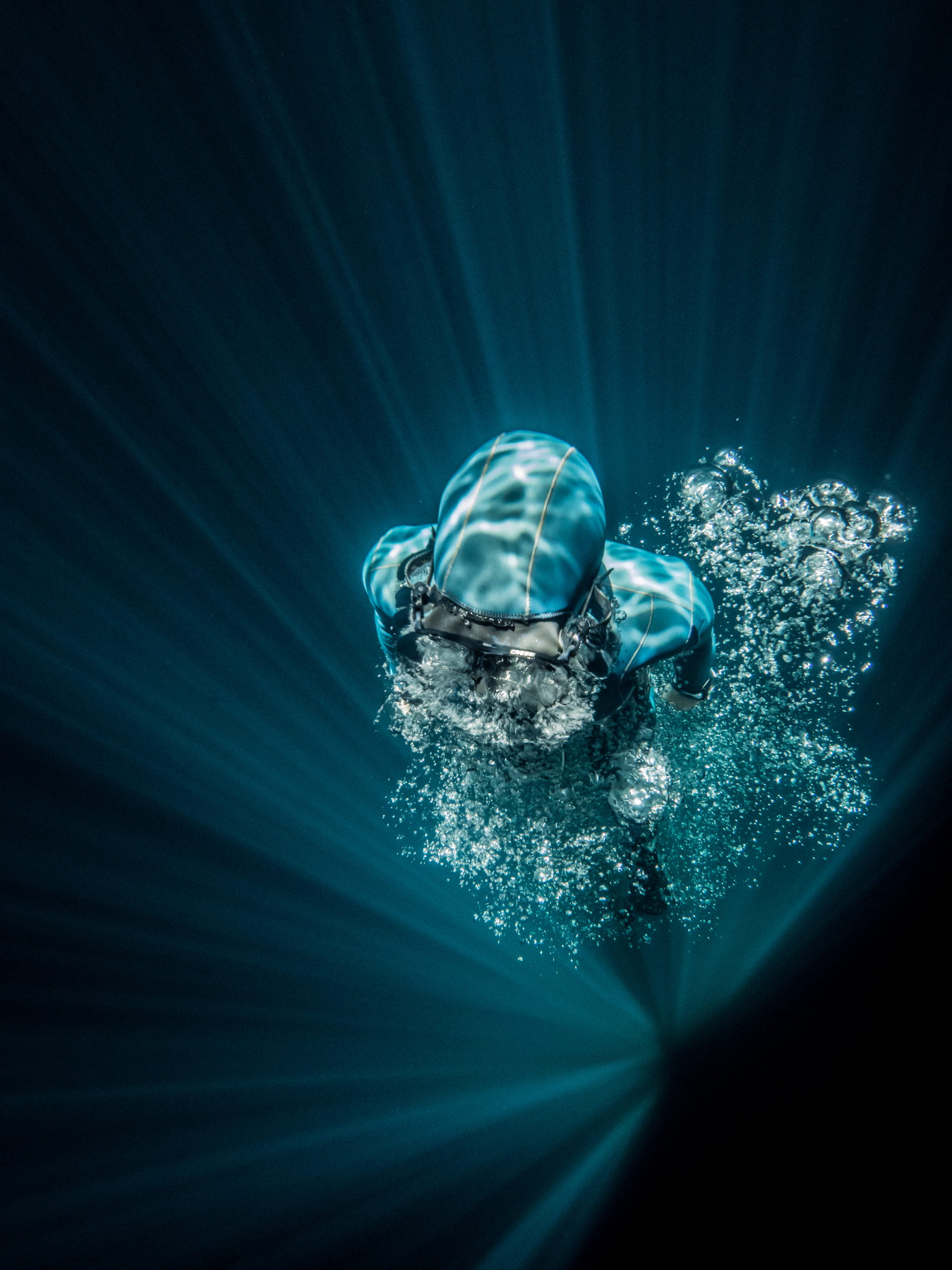
    Photographer Lucie Pollet caught this image of her freediving friend ascending through a plume of bubbles and sunlight. I love the otherworldliness of the image, like the diver is an astronaut in the dark of space. The illumination of the bubbles is spectacular, too, and reminds me of the way penguins use supercavitation to help escape predators. (Image credit: L. Pollet; via Oceanographic Magazine)

  • Fluid Flow For Digestive Health

    Fluid Flow For Digestive Health

    During digestion, our intestines use two different patterns of muscle contraction to move food through our bodies. Scientists have long wondered why we have this added complexity. Using numerical simulations of the fluid flow created by these contractions, researchers have uncovered the answer.

    Our intestines use peristalsis, a forward-with-occasional-backward flow pattern, as the main driver. The strength of the muscle contractions determines how fast the average flow speed is. When the speed is slow, our bodies have more time to absorb nutrients, but that also allows more time for bacteria to flourish on those same nutrients. The other flow pattern, segmentation, creates a weaker flow overall but with much more mixing, which again enhances nutrient uptake.

    Switching between the two patterns, the researchers found, gives the body the best of both. Segmentation can enhance mixing and provide good nutrient uptake, then peristalsis can move the contents along quickly enough that bacteria don’t have time to grow before getting flushed out. (Image credit: Kindel Media; research credit: A. Codutti et al.; via APS Physics)

  • Featured Video Play Icon

    “Reconfiguring It Out”

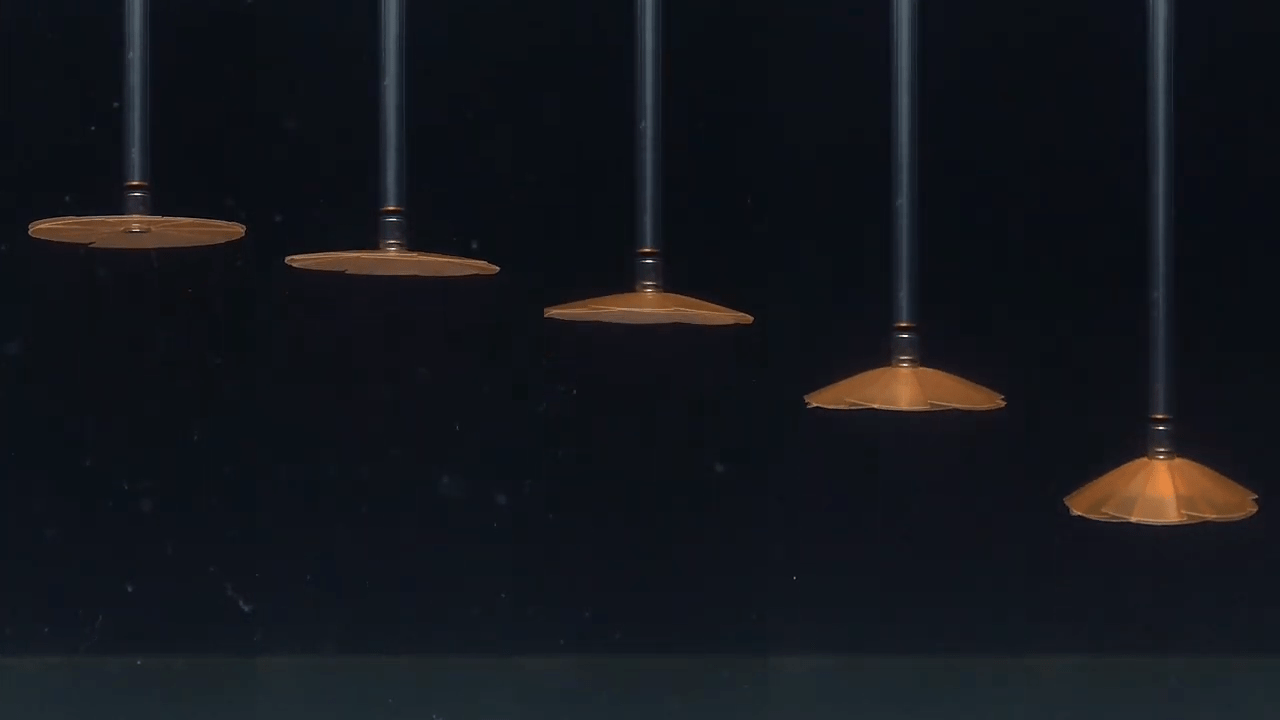
    Leaves flutter and bend in the breeze, changing their shape in response to the flow. Here, researchers investigate this behavior using flexible disks pulled through water. The more flexible the disk and the faster the flow, the more cup-like the disk’s final shape. Adding tracer particles to the water allows them to visualize the flow behind the disk. Every disk leaves a donut-shaped vortex ring spinning in its wake, but the more reconfigured the disk, the narrower the vortex. This, ultimately, reduces drag on the disk. That’s why trees in heavy winds streamline their branches and leaves; that flexibility lowers the drag the tree’s roots have to anchor against. (Image and video credit: M. Baskaran et al.)

  • Mixing Effectively

    Mixing Effectively

    Mixing two fluids is a tougher task than you might think. One of my favorite asides from a fluids lecture concerned how to mix fruit into yogurt in an industrial setting. Mix too quickly, and you’ll obliterate the yogurt’s consistency, but mix too little and you may as well sell it as fruit-on-the-bottom. Apparently that particular problem got solved by sending the fruit and yogurt flowing through a series of specially-shaped ducts to slowly and carefully mix them together.

    In this study, researchers tackle a similar problem — mixing two fluids in a circular cross-section — through optimization. As you can see above, circular stirrers on their own don’t do a great job of mixing. So the researchers searched for the right combination of stirrer shape, mixing speed, and mixing trajectory to give the best mixing for a set mixing time and energy input. Their final stirrer shapes are anything but circular and often move in jerks and fits to help shed vortices that do the actual job of mixing. (Image and research credit: M. Eggl and P. Schmid; via APS Physics)

  • Featured Video Play Icon

    Cleaning the Skies

    Those of us who live in urban environments have experienced the clear, pollution-free air that comes after a rainstorm. But how exactly does rain clean the air? Air pollution typically has both gaseous and particulate components to it. As a raindrop falls, it experiences collision after collision with those particles. Depending on the particle’s surface characteristics — is it hydrophilic or hydrophobic? — and its momentum during impact, it can get trapped in the raindrop, skip off, or even pass through entirely. The physics, it turns out, are identical to those of a rock falling into or skipping off a lake — even though the raindrop and particle might be 1000 times smaller! (Image and video credit: N. Speirs et al.)

  • Beautiful Waves

    Beautiful Waves

    Australian photographer Ray Collins captures some of the most impressively dynamic photographs of ocean waves I’ve ever seen. The textures of the water range from glassy smooth to scaled to violent sprays of droplets. You can easily get lost in every image. For more, check out his website and Instagram. (Image credits: R. Collins; via Colossal)

  • Sound Makes Stickier Bandages

    Sound Makes Stickier Bandages

    Keeping wounds safe and clean is hard when bandages are so prone to coming off. A team of researchers may have found a solution, though, using ultrasound to enhance adhesion. For their technique, they applied a layer of adhesive primer to the skin and covered it with a hydrogel bandage. Then they used an ultrasound transducer to generate cavitation bubbles in the primer. As the bubbles grew and collapsed, the primer and hydrogel pulled toward the tissue, creating adhesive bonds up to 100 times greater than without ultrasound. The extra adhesion had staying power, too, with between two and ten times more fatigue resistance than the bandage and adhesive alone. The researchers hope their technique will aid tissue repair, wound management, and attaching wearable electronics. (Image and research credit: Z. Ma et al.; via Physics World)